


Gothic Iron Fire Basket
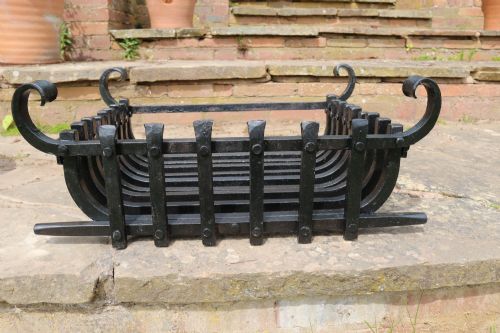
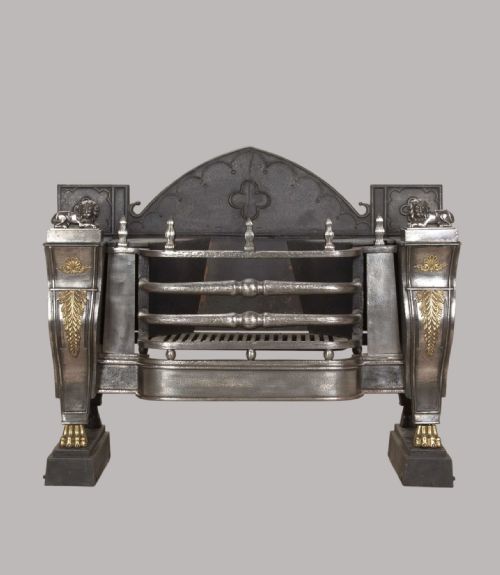
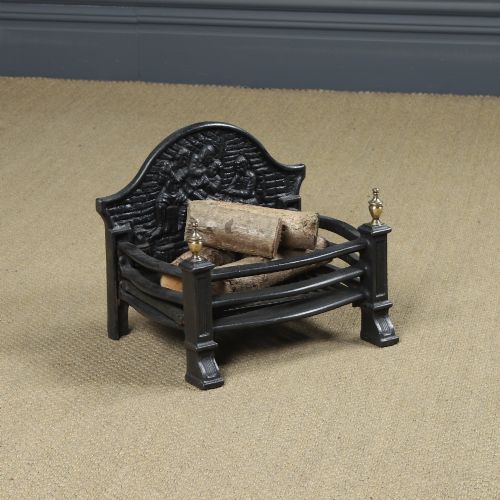
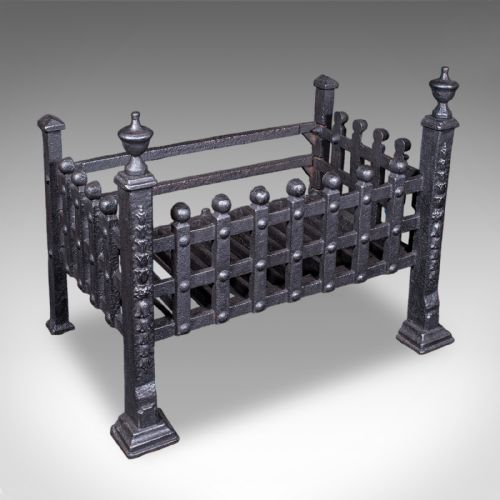
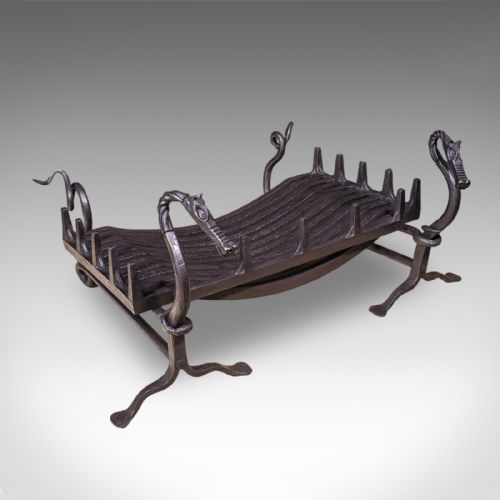
A gothic iron fire basket anchors a hearth with centuries of weight and wrought character, bringing medieval line and solid metalwork into a room.
Gothic Iron Fire Basket
When searching for a gothic iron fire basket, a buyer finds heavy metal hearth furniture designed to hold logs and coal within an open fireplace. These pieces span Victorian, Edwardian, and later periods, often adopting Gothic Revival or Arts and Crafts styling.
The form ranges from simple freestanding grates to large inglenook sets complete with matching andirons. Most examples encountered here reflect nineteenth or early twentieth century British domestic metalwork.
Makers drew on medieval architectural motifs such as pointed arches and dragon details. The resulting basket functions both as a sturdy container for burning fuel and as a strong decorative focal point.
How they were made
Makers utilised cast iron for heavy structural components and firebricks to line the interior, managing the intense heat of open fires. Wrought iron provided flexible bars and decorative scrollwork shaped by the smith's hand.
Brass fittings occasionally appeared as contrasting accents on fire baskets and companion andirons. Construction relied on traditional riveting and forging techniques that prioritized durability.
Listings feature periods from the eighteenth century through the Arts and Crafts movement, predominantly utilising cast and wrought iron.
What varies in quality
The standard of a fire basket rests on the weight of the metal and the precision of the forging. Heavier cast and wrought iron denotes a more substantial build intended for daily hearth use.
Detailing separates standard grates from finer examples, particularly in the crispness of medieval motifs and dragon elements. Complete sets featuring matching andirons demonstrate superior original provenance.
The Gothic Iron Fire Basket Glossary
- Fire basket
- A metal container raised on legs, designed to hold burning fuel within an open fireplace. It allows air to circulate beneath the fire for better combustion.
- Andirons
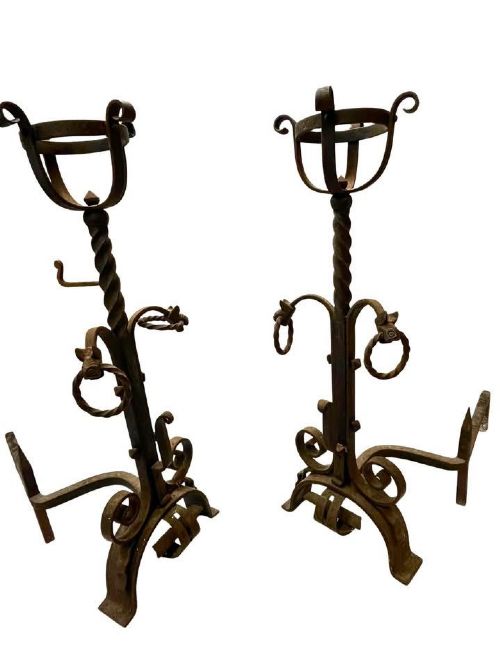
- A pair of horizontal metal supports placed in a hearth to raise logs above the floor. They frequently accompany fire baskets in large inglenook settings.
- Wrought iron
- Iron that has been heated and shaped with tools by a blacksmith. Its fibrous texture handles stress well without snapping under heat.
- Cast iron
- Iron poured into a mould while molten to create complex shapes and thick panels. It retains heat effectively in fireplace construction.
- Gothic Revival
- An architectural and decorative style reviving medieval forms, pointed arches, and heavy ornamentation. It strongly influences nineteenth century hearth design.
Gothic Iron Fire Basket: Frequently Asked Questions
How do I clean a fire basket?
Remove ash and debris regularly with a soft brush to prevent moisture retention and subsequent rusting. Apply a light coat of grate polish or black lead to maintain the dark iron finish.
Avoid using harsh chemical cleaners or water, which can damage aged metal surfaces. Allow the iron to cool completely before undertaking any maintenance.
Will an antique fire basket fit my modern fireplace?
Measure the width, depth, and height of your fire opening carefully before selecting a basket. Many older grates were built for deep inglenooks and require substantial hearth space.
Consider whether your chimney can handle an open fire or if you plan to use the basket for decorative display. Freestanding models offer some flexibility in placement.
What is the difference between a fire basket and a grate?
A fire basket specifically denotes a standalone or andiron-supported container with open sides for holding fuel. The term grate can also refer to fixed iron structures built directly into a fireplace opening.
Many antique pieces combine both terms, functioning as portable baskets that sit upon heavy iron andirons.
Can I burn real wood in these baskets?
Most antique iron fire baskets were built precisely for burning wood and coal in open hearths. Inspect the metal thickness and firebrick lining to ensure the structure remains sound before lighting a fire.
Start with small fires to test the draw of your chimney and the heat tolerance of the iron.