


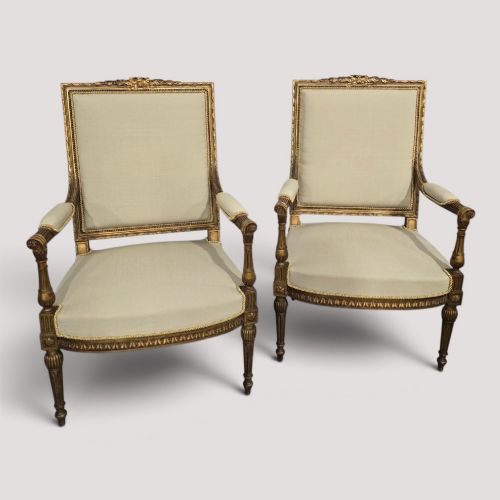
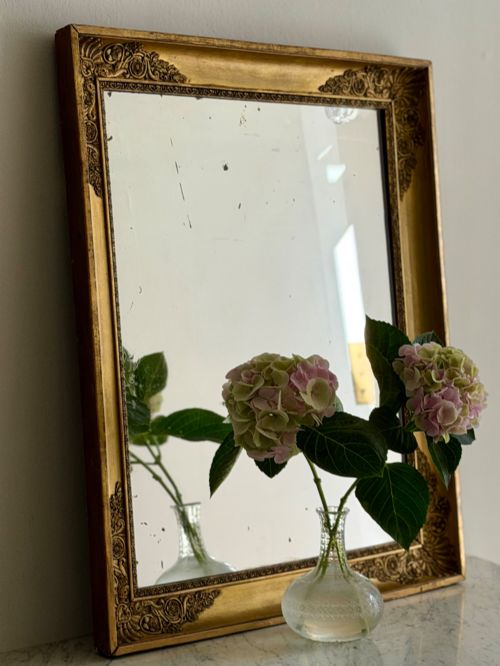
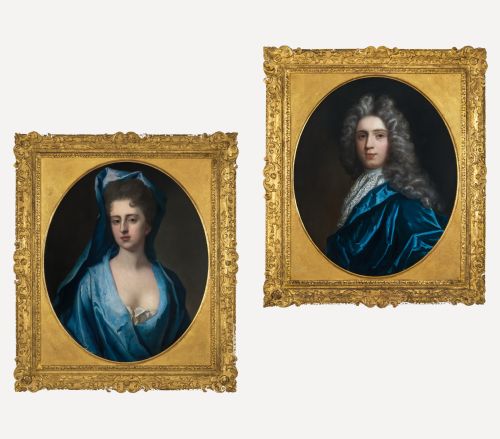
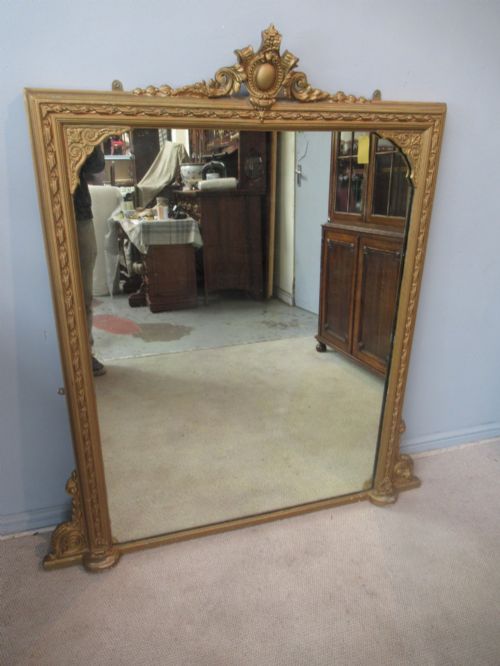


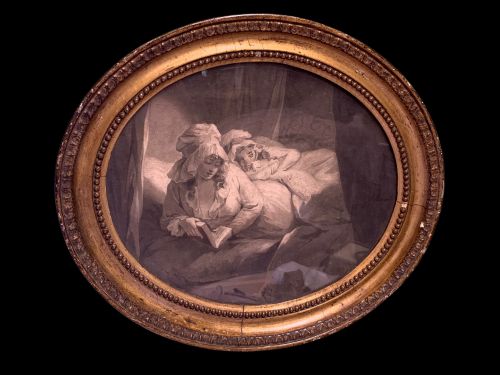
Period Giltwood Frame
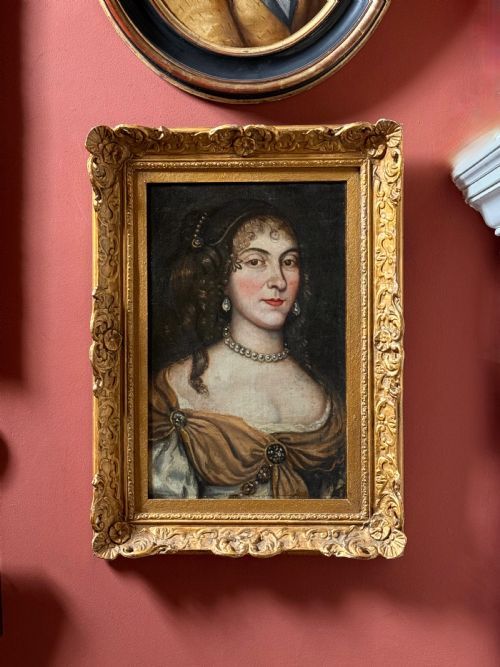
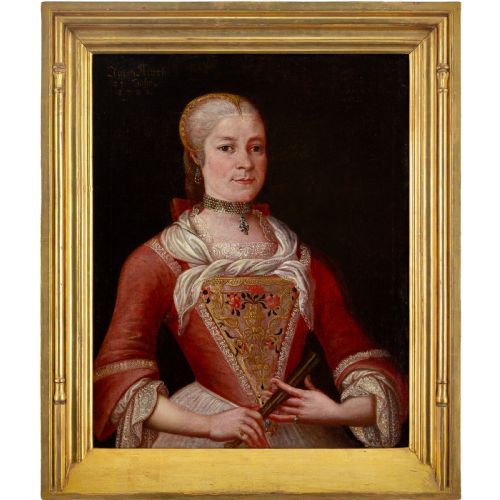
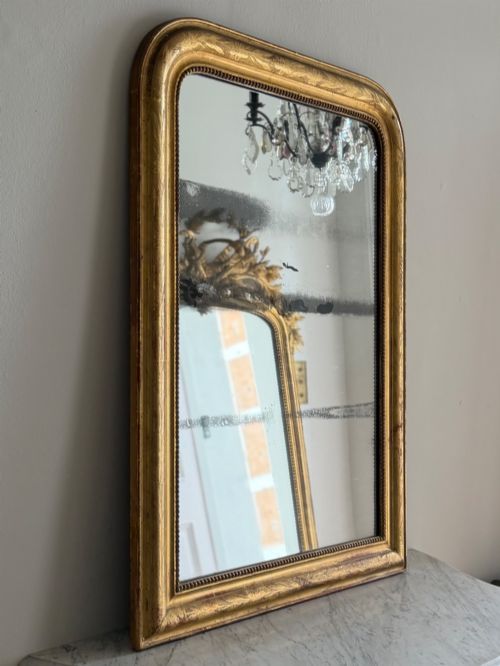
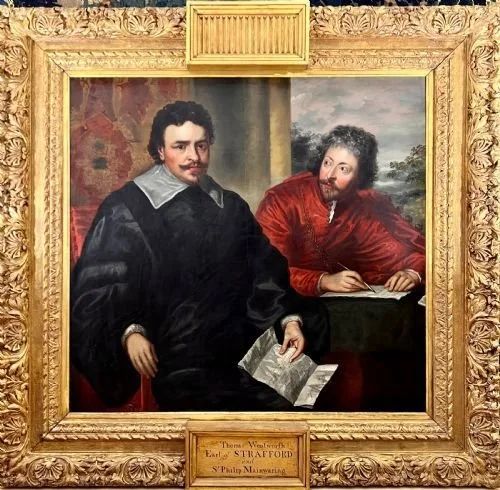
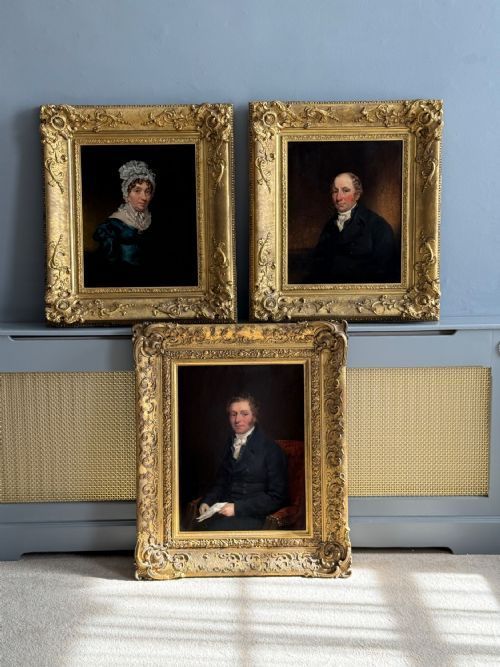
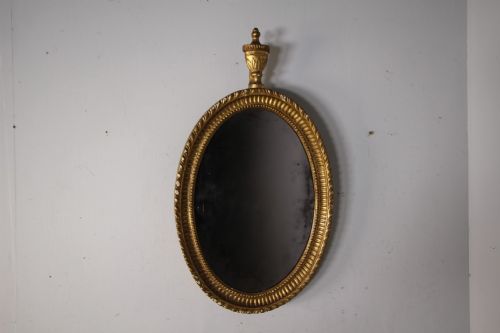
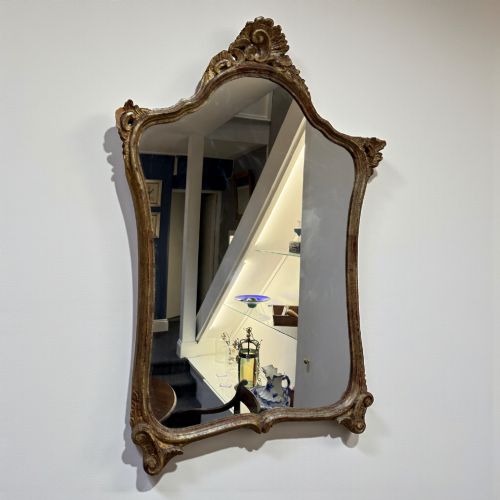
A period giltwood frame brings warmth and historic craftsmanship to any room, holding mirrors and oil paintings with rich gilded surfaces.
Period Giltwood Frame
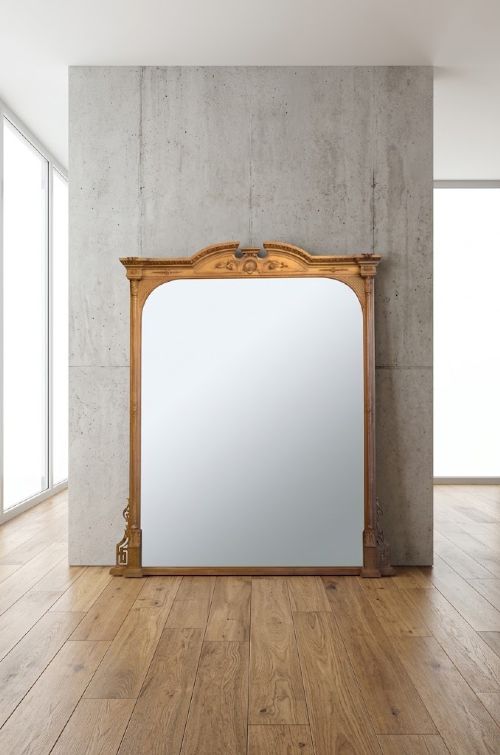
When you search for a period giltwood frame, you encounter surrounds made for mirrors, oil paintings, and portraits spanning the seventeenth, eighteenth, and nineteenth centuries. These pieces encompass wall mirrors, overmantels, and convex glasses alongside fine art housed in their original or period surrounds.
You are most likely to meet eighteenth-century and Regency examples on this page, reflecting styles from Georgian carved rococo to Victorian revivalism. The forms range from small oval wall mirrors to massive country house overmantels and framed canvases.
The selection bridges several eras, showing how craftsmen shaped timber and gesso to catch the light in formal drawing rooms and country houses alike. Each piece bears the distinct structural habits of its decade of origin, from early carved wood to later moulded ornamentation.
How they were made
Makers built these frames using carved wood and gesso, applying layers of gold leaf or gilt over the prepared surfaces to achieve a luminous finish. Substrates often include ebonised wood or pine, carved by hand before gilding.
Glass plates in the mirror forms frequently feature original mercury or foxed silvering, showing age through characteristic spotting and uneven reflection. Canvases and paper artworks sit securely within rebates behind traditional backing boards.
Period Giltwood Frame Retail Price Guide 2026
Typical asking prices for period giltwood frame among the pieces listed under this phrase on Sellingantiques today, from the lower quarter to the upper quarter. They describe what is for sale here now, not the wider market.
Materials recorded across the inventory include giltwood, gesso, ebonised wood, gold leaf, and original glass plates.
What varies in quality
Depth and crispness of the hand-carved ornament separate finer examples from simpler moulded pieces, showing the carver's confidence in handling rococo scrolls or classical mouldings. The purity of the underlying gesso work dictates how sharply the gilt catches ambient light.
Survival of the original gold leaf and the condition of the glass plate influence the character of the piece, as untouched surfaces age with a softer patina than later restorations.
Joseph Clover RA·Henry Pickering·John Hamilton Mortimer·Sir Peter Lely·Sir Godfrey Kneller
The Period Giltwood Frame Glossary
- Giltwood
- Wood that has been covered with gold leaf or gold paint. This finish creates a bright, reflective surface characteristic of formal antique frames.
- Gesso
- A plaster mix applied to wood frames to create a smooth surface for gilding. Carvers cut fine details directly into this hardened layer.
- Convex mirror
- A round mirror with a curved glass plate that provides a wide, distorted reflection of the room. Regency interiors favored this optical form.
- Overmantel mirror
- A large mirror designed to hang above a fireplace mantel. These pieces often feature landscape proportions to fit the architectural space.
- Foxed glass
- Mirror plate showing dark spots and discoloration caused by the degradation of the backing silver over time. This ageing indicates genuine period materials.
Period Giltwood Frame: Frequently Asked Questions
How do I date a giltwood frame?
Dating relies on examining the construction timber, the style of the carved gesso ornament, and the assembly methods at the corners and joints. Earlier pieces often display hand-carved wooden foundations beneath the gold leaf.
Secondary clues include the backing boards, fixings, and the chemical composition of the mirror plate where applicable. Comparing the stylistic motifs against documented periods helps narrow down the decade of manufacture.
What is foxed glass?
Foxed glass refers to mirror plates that have developed dark spots, mottling, or cloudy patches as the reflective backing deteriorates over the decades. This chemical breakdown occurs naturally as air interacts with the silver or mercury.
Collectors appreciate foxed glass because it proves the mirror plate is original to the period frame rather than a modern replacement. It offers a softer, more atmospheric reflection than pristine new glass.
Where should I hang an overmantel mirror?
An overmantel mirror traditionally sits directly above a fireplace mantelpiece, anchoring the vertical space of the chimney breast. Its generous proportions reflect light from opposing windows across the room.
These pieces also function well on principal walls in reception rooms or large hallways where they can create an illusion of depth. Ensure the wall structure and fixings can support the substantial weight of the carved wood frame.