




Period Gilt Framed Mirror
When you want a period gilt framed mirror, you are looking at centuries of carved wood, burnished gold leaf, and deep-set glass that catch the daylight.
Period Gilt Framed Mirror
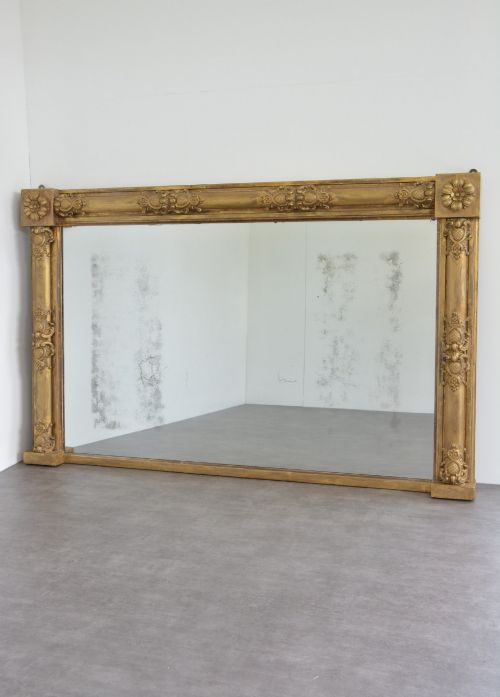
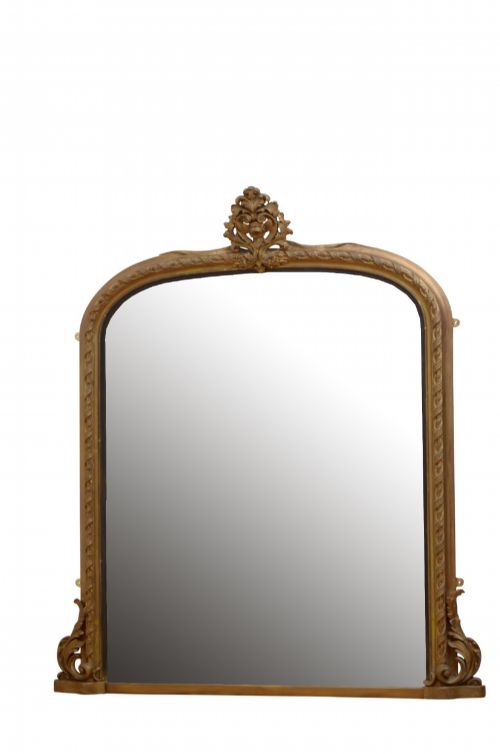
A period gilt framed mirror encompasses wall-mounted looking glasses, large overmantels designed for mantelpieces, and pier mirrors configured to hang between windows. The pieces appearing in these listings span centuries from the late seventeenth century through the Regency era and into the Victorian and early twentieth-century revival periods.
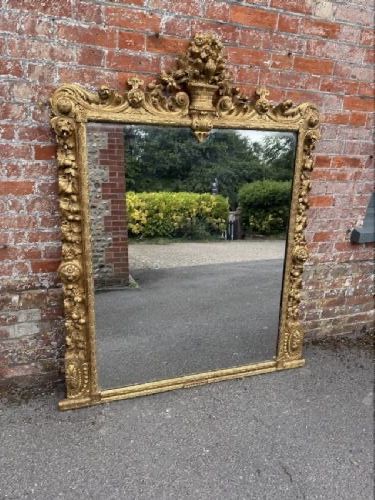
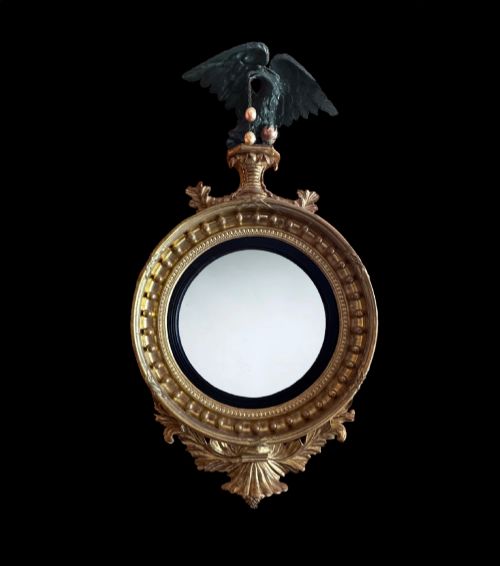
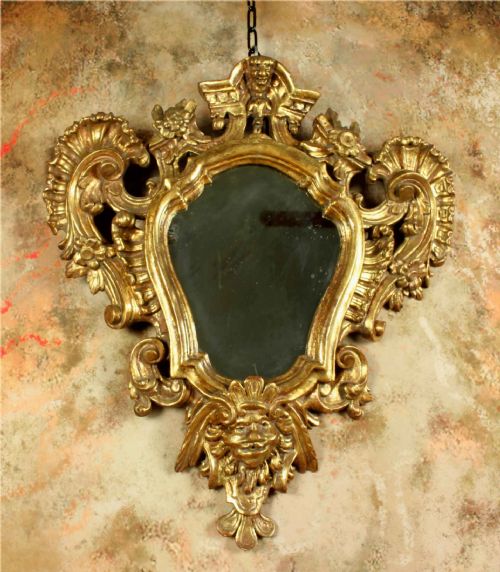
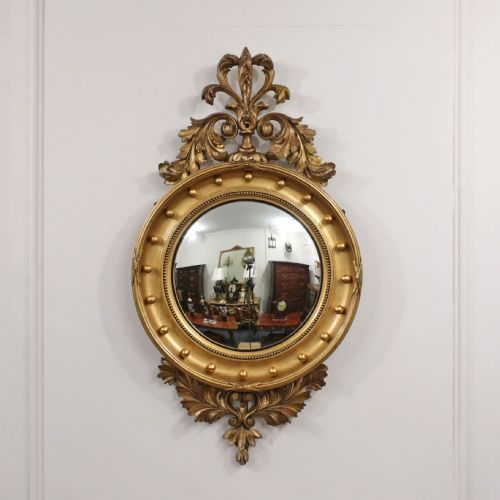
Buyers will frequently encounter Regency convex mirrors with circular frames alongside 18th-century carved wood and gesso wall pieces and wide 19th-century overmantels. English country house styles, French rococo models, and formal Palladian designs recur throughout the archive and current stock.
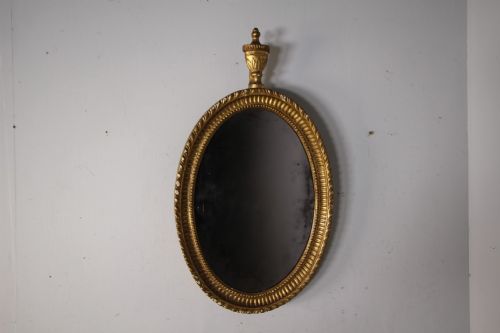
The physical formats range from small oval dressing mirrors to very large architectural plates intended to anchor a principal reception room. Wall mirrors and landscape three-plate overmantels represent the primary domestic forms preserved from these earlier centuries.
Materials and Construction Techniques
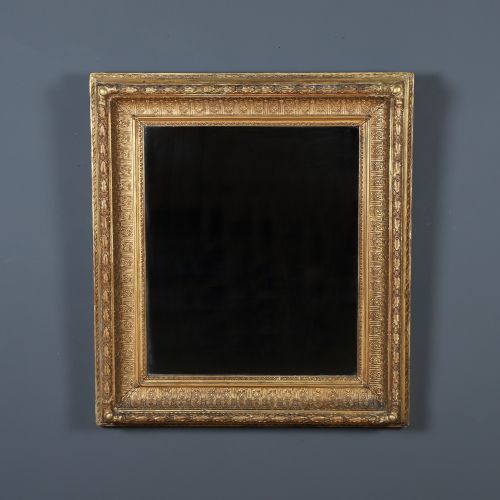
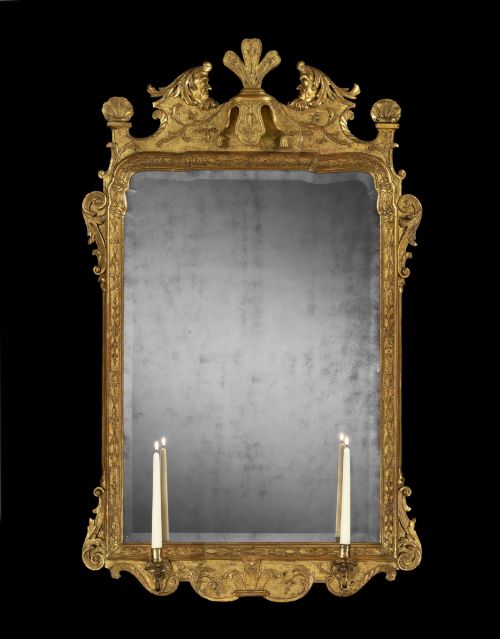
Makers carved wooden frames from timber substrates such as pine, oak, walnut, or mahogany before applying layers of gesso to build up sculptural relief. Gilding was achieved by laying thin sheets of gold leaf or silver gilt over the prepared gesso base, often utilising composition ornament moulded and applied to the wooden core.
The glass plates themselves include early mercury plates and vintage mirror glass showing natural foxing, silver degradation, and distortion developed over long periods of time. Convex mirror plates were blown or shaped to curve outwards, creating panoramic reflections of the surrounding interior space.
Listings feature gilt framed mirrors spanning the 17th, 18th, 19th, and early 20th centuries, executed in Regency, Victorian, and Georgian revival styles.
Distinctions in Quality and Execution
The depth and sharpness of the hand-carved wood ornamentation distinguish finer examples from standard production, as crisp acanthus leaves, scrollwork, and moulded details reflect superior artisan skill. The survival of the original gilding, with its layered burnished gold leaf showing natural wear, carries more weight than heavily restored or later re-gilt surfaces.
The integrity of the original glass plate significantly affects the character of the piece, with early mercury plates or undisturbed foxed glass maintaining historical authenticity. Proportion and scale between the heavy frame and the mirror plate dictate the visual balance established by the maker.
William Kent·John Belchier·Thomas Chippendale
The Period Gilt Framed Mirror Glossary
- Gesso
- A mixture of gypsum or chalk and size applied to wood frames to create a smooth, absorbent surface for subsequent gilding. This white plaster-like ground was deeply carved or stamped with decorative motifs before the gold leaf was laid.
- Giltwood
- Timber, commonly pine or softwoods, that has been coated in gesso and covered with fine gold leaf. It forms the primary bright reflective framing material seen across centuries of antique mirror production.
- Convex mirror
- A circular looking glass with a curved plate that bulges outward to offer a wide-angle reflection of the room. These convex plates were frequently housed in frames topped with carved eagles or dragons during the Regency period.
- Overmantel mirror
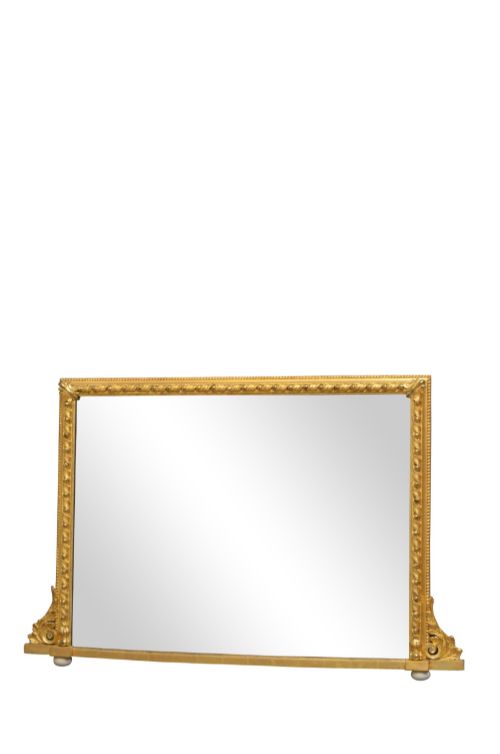
- A wide landscape-oriented glass specifically proportioned to hang on the wall directly above a fireplace mantel. They often feature multiple plates or architectural cornices designed to anchor the domestic hearth.
- Foxed glass
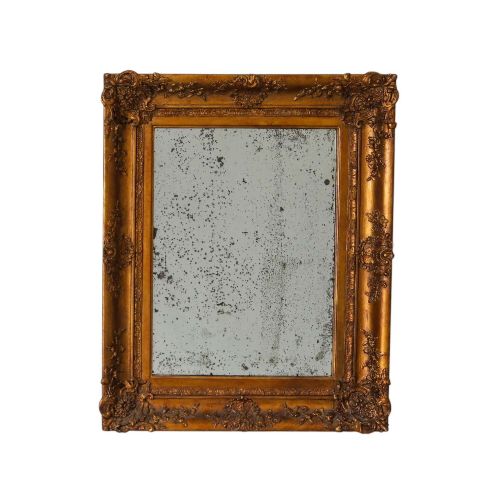
- Mirror plates showing spots, dark patches, and mottled degradation where the silver backing has oxidised with age. Collectors value this natural weathering as a sign of genuine antiquity rather than modern simulation.
- Pier mirror
- A tall, narrow looking glass designed to hang on the narrow section of wall between two windows. They were frequently paired with console tables in formal Georgian and Regency interiors.
Period Gilt Framed Mirror: Frequently Asked Questions
How do I date a giltwood mirror?
Dating relies on examining the construction of the wooden frame behind the gesso, the joining methods at the corners, and the characteristics of the glass plate itself. Earlier 18th-century pieces display hand-carved pine and gesso with deep relief, while later Victorian and revival pieces often utilise composition mouldings.
The backing boards, fixing nails, and the chemical composition of the mirror plate provide further chronological clues. Mercury plates and heavy foxing generally point towards earlier periods, whereas machine-rolled plate glass indicates 19th-century or later manufacture.
What is an overmantel mirror used for?
An overmantel mirror was specifically constructed to be mounted on the chimney breast directly above a fireplace opening. Its horizontal landscape proportions allowed it to reflect light from windows across the hearth and visually balance the fireplace surround.
In period interiors, these large mirrors served as a focal point for the principal reception rooms. Today, they continue to function above mantelpieces or as statement wall anchors in hallways and living spaces.
Why is the glass foxed?
Foxing occurs when moisture and atmospheric gases penetrate the protective backing of the glass, causing the silver coating to oxidise and degrade over decades or centuries. This chemical breakdown creates dark spots and mottled patches across the reflective surface.
Rather than a defect, original foxing is regarded by collectors as evidence of genuine age and atmospheric history. It softens the reflection and distinguishes antique glass from modern reproductions.