
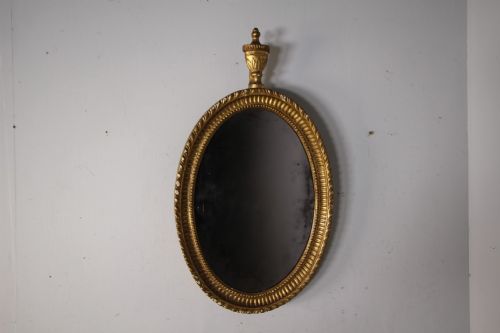
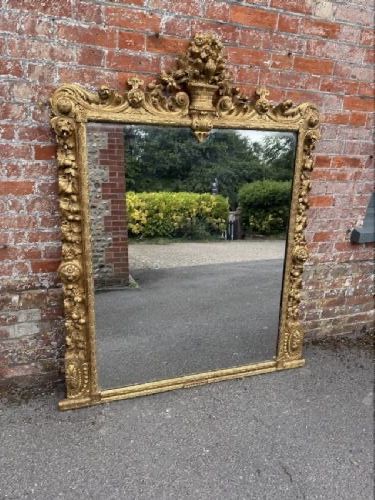
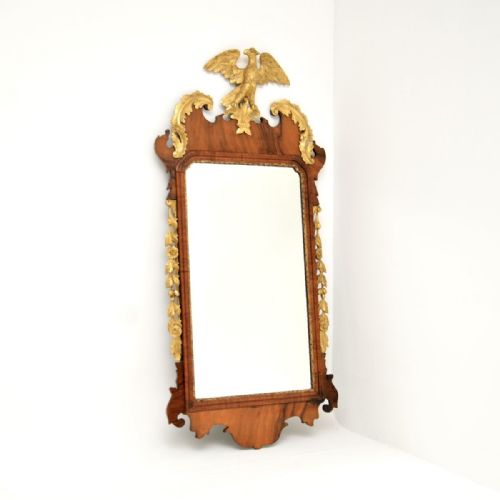
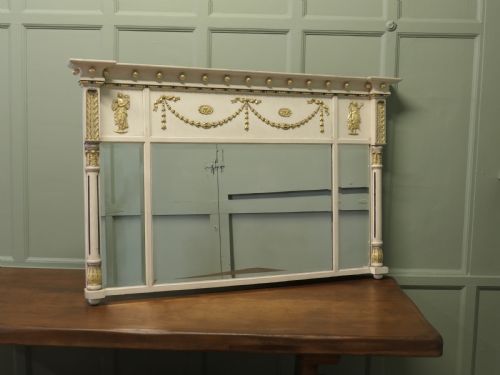
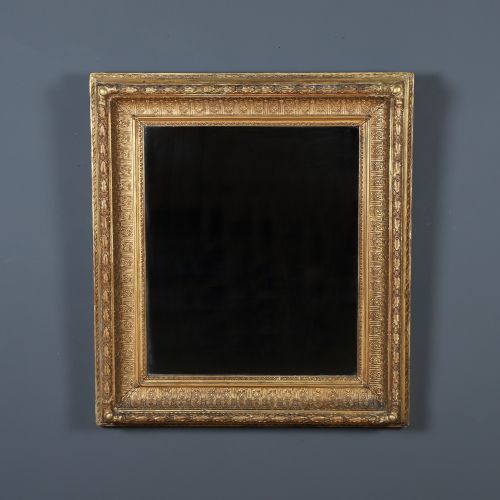
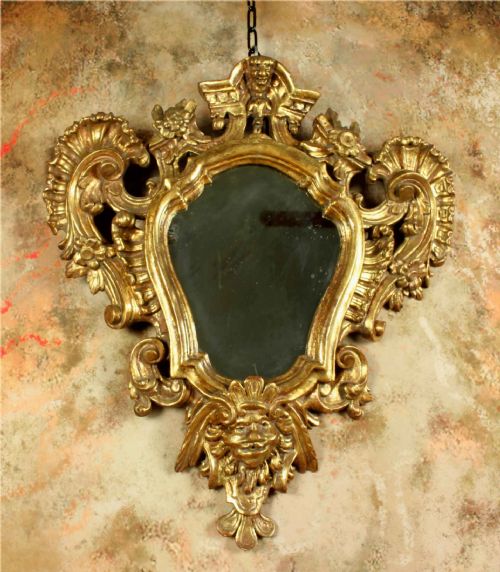
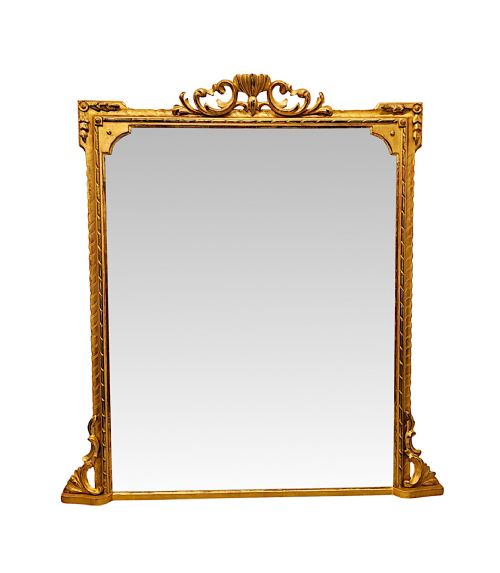

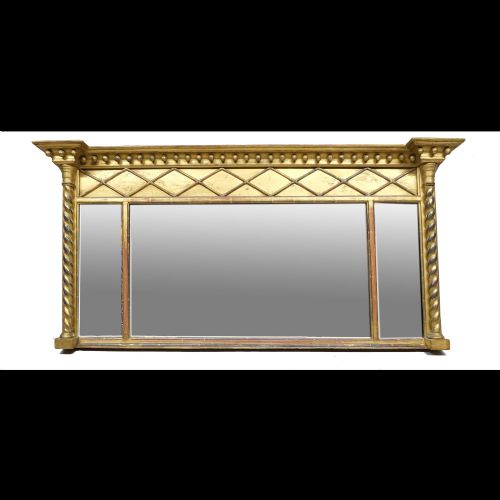
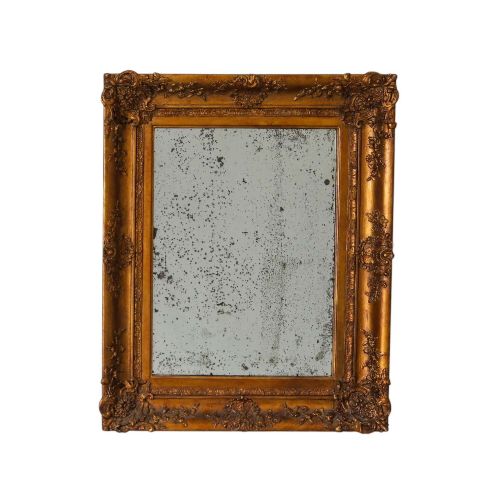
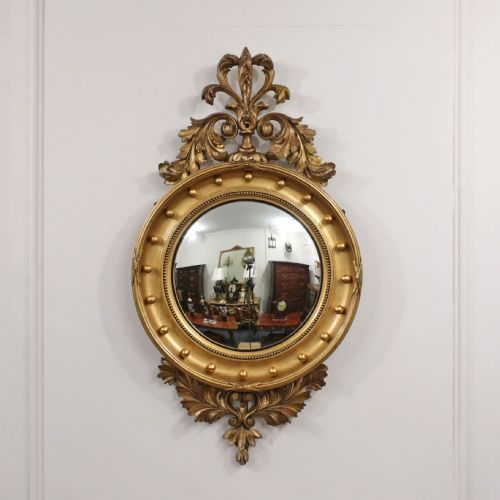

Period Gilded Wall Mirror
A period gilded wall mirror brings an interior a distinct reflective depth, capturing light through centuries of craftsmanship.
Period Gilded Wall Mirror
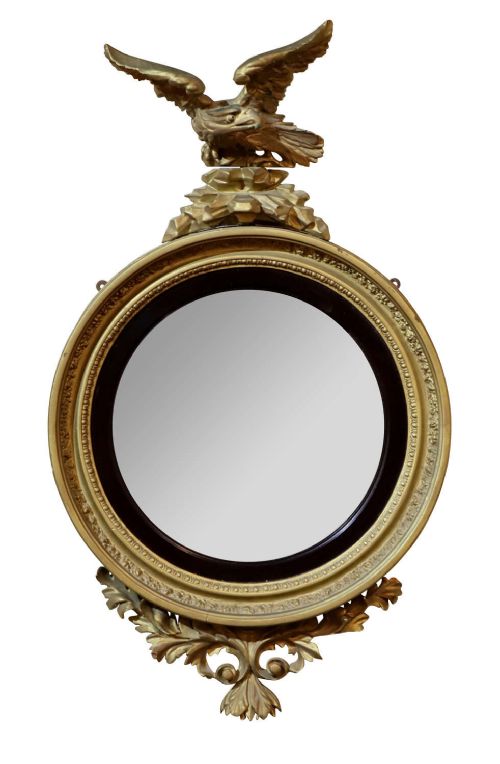
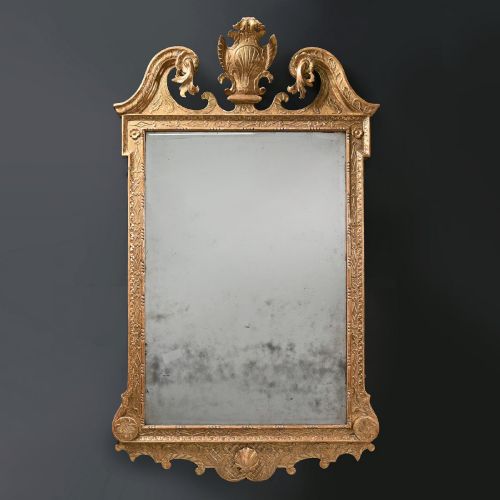
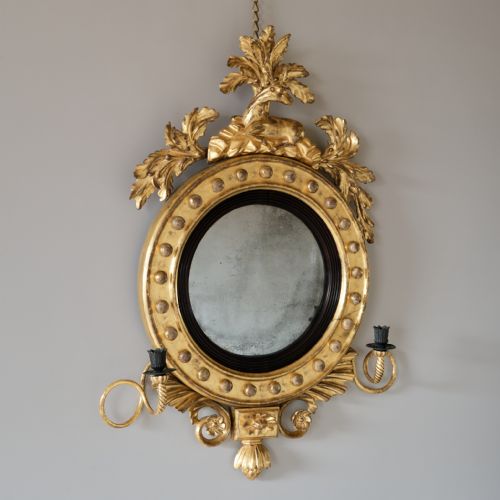
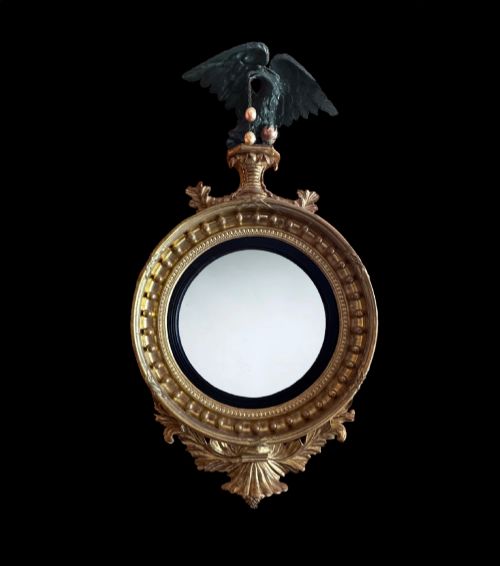
When searching for a period gilded wall mirror, buyers encounter a diverse selection originating from the eighteenth and nineteenth centuries, spanning Georgian, Regency, and Victorian eras. These pieces typically take the form of grand overmantel mirrors, circular convex wall designs, pier mirrors, and smaller carved oval or rectangular frames. The version most frequently met on this page is the Regency convex mirror, often surmounted by an eagle or detailed with a round frame, alongside substantial nineteenth-century overmantel mirrors designed to sit above a fireplace.
The materials and construction reflect the period of origin, utilising carved wood, gesso, and gold leaf or composition applied to a wooden base. Frames range from mahogany with parcel-gilding to fully giltwood structures, paired with original mirror glass that frequently exhibits age-related foxing. Styles extend from Chippendale and French rococo to neoclassical and Victorian interpretations, showing how makers adapted earlier designs across decades of production.
Materials and construction methods
The foundational structure of these pieces relies on timber, predominantly pine, oak, or mahogany, shaped through carving or built up with moulded composition and gesso to hold intricate details. Artisans applied thin layers of gold leaf or oil gilt onto a prepared surface, sometimes incorporating ebonised wood or birds-eye maple accents to create contrast within the frame.
Mirror plates were produced separately and set into the rebated frame behind glass, with many retaining their original silvering which develops characteristic foxing over time. Carved elements such as eagle surmounts, griffin friezes, laurel wreaths, and decorative masks were affixed to the primary frame structure, completing the visual composition.
Factors separating the finest examples
Quality in these mirrors rests upon the crispness of the carved ornamentation and the skill with which the gesso and gold leaf are applied to the wooden substrate. Finer examples retain their original gilding surfaces and early mirror plates without excessive replacement, displaying harmonious proportions and balanced decorative motifs such as intact eagle surmounts or detailed moulded friezes.
The integrity of the frame construction and the depth of the historical surface distinguish superior pieces from later revivals or heavily restored items. Evidence of period hand-workmanship in the carving and the natural ageing of the gilt surface contribute directly to the visual authority of the mirror.
William Kent·John Belchier
The Period Gilded Wall Mirror Glossary
- Giltwood
- Wood that has been coated with gold leaf or gold paint. This finish creates the characteristic bright or burnished metallic surface seen on period frames.
- Gesso
- A plaster-like mixture applied to wood frames to create a smooth surface for carving and gilding. It allows for intricate moulded details and relief work.
- Convex mirror
- A round mirror with a curved, outward-protruding glass plate. These pieces distort reflections slightly while providing a wide field of view in a room.
- Overmantel mirror
- A large horizontal mirror designed to hang specifically above a fireplace mantel. They often feature extended framing to anchor the proportions above a hearth.
- Foxing
- Age-related spots and discolouration within the mirror plate. This natural degradation occurs as moisture affects the silvering behind the glass over decades.
- Pier mirror
- A tall, narrow mirror designed to hang on the wall space between windows. They frequently incorporate lower consoles or proportion themselves to vertical architectural gaps.
Period Gilded Wall Mirror: Frequently Asked Questions
Where should an overmantel mirror be hung?
These large mirrors are traditionally positioned directly above a fireplace mantelpiece to reflect light and anchor the vertical space of a room. Their horizontal proportions are scaled to complement the width of the fireplace surround.
Ensure the wall structure and fixings can support the substantial weight of a timber and gesso frame before mounting the piece securely at eye level.
What is a convex mirror used for?
Convex mirrors were historically placed in principal rooms to monitor activity across a wide angle due to their curved glass plates. Their circular frames and reflective properties made them both functional and decorative focal points.
Today, they are typically hung in hallways, dining rooms, or living spaces to introduce curved geometry and ambient light into an interior.
How do you identify a Regency period mirror?
Regency mirrors frequently feature bold neoclassical motifs such as eagle surmounts, reeded pilasters, convex forms, and applied ball ornamentation around the frame. The use of circular giltwood structures with black ebonised sight lines is also characteristic of this era.
Examining the construction methods, backboards, and the type of gilding helps confirm the nineteenth-century origins of the piece.
Can mirror glass be replaced?
While many collectors prefer original glass with foxing and age spots, mirror plates can be replaced if the original has suffered structural damage. Original plates retain historical value and contribute to the authentic appearance of the piece.
When replacement is necessary, craftsmen use silvered glass cut to fit the specific rebate of the antique frame.