




Period Georgian Brass Lighting
Period georgian brass lighting brings dependable warmth and functional heritage into a room, offering genuine eighteenth and early nineteenth-century character.
Period Georgian Brass Lighting
Period georgian brass lighting encompasses practical domestic items created primarily during the eighteenth and early nineteenth centuries. Buyers searching for period georgian brass lighting encounter functional objects designed to illuminate candlelit interiors long before electricity transformed domestic spaces.
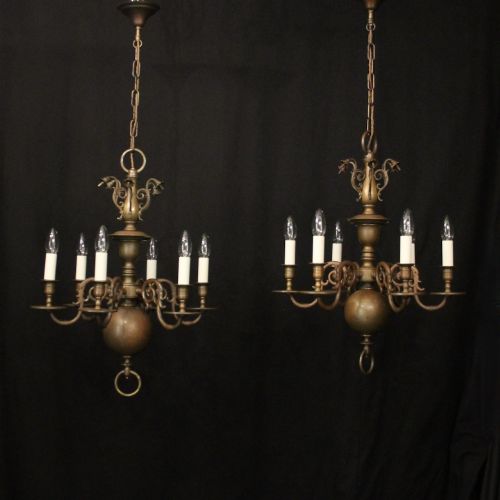
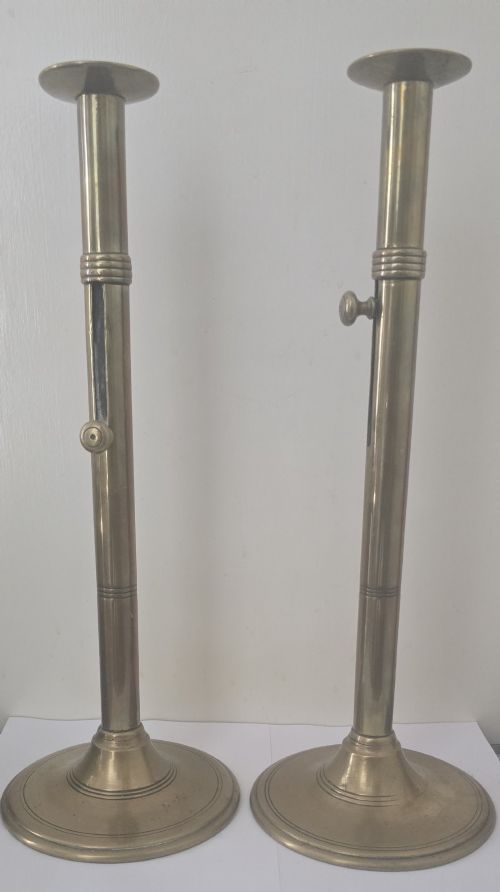
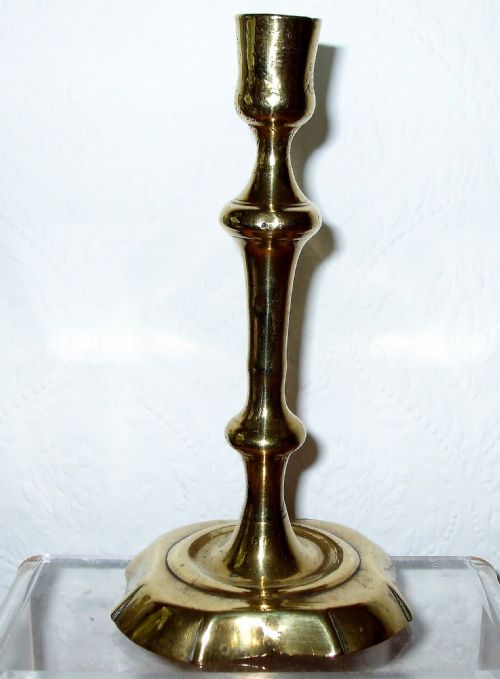
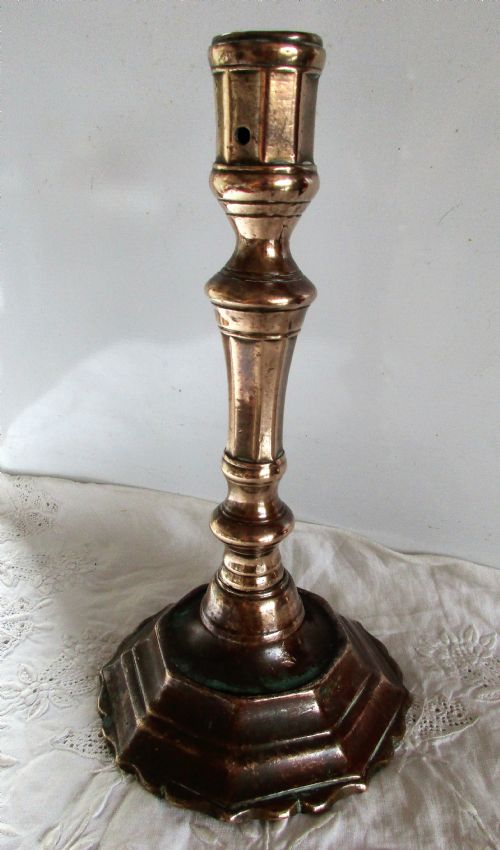
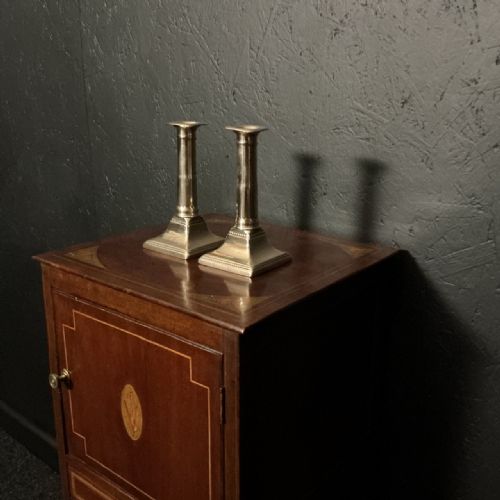
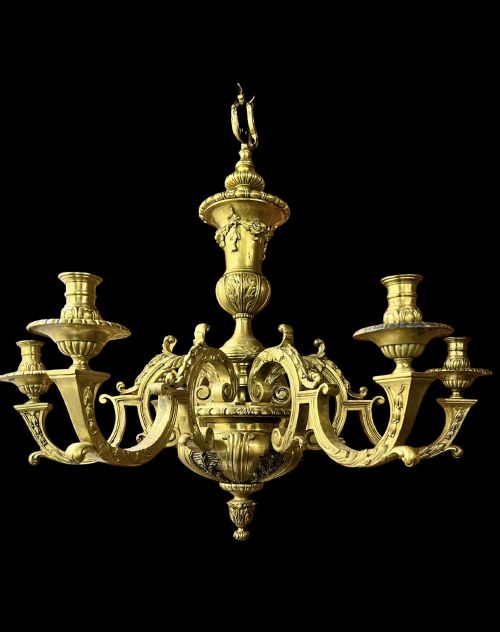
The selections span standard domestic candlesticks, chamber sticks, tall ecclesiastical pieces, and multi-armed chandeliers. Most items meet the eye as single or paired candlesticks featuring seamed brass, cast brass, or gunmetal construction from the Georgian and Regency eras.
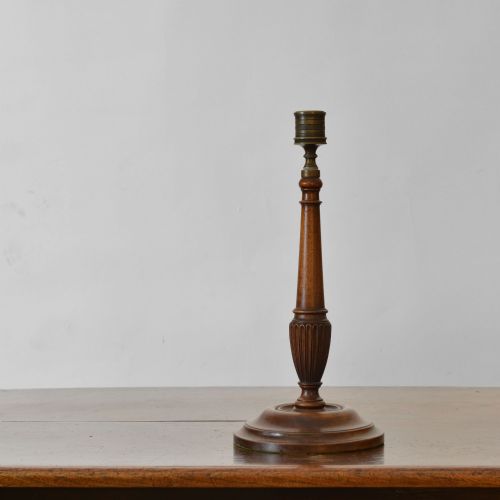
Forms range from simple hexagonal and octagonal bases to petal designs and column candlesticks, sometimes paired with mahogany or bronze. Alongside traditional candlesticks, the selection includes Italian oil lamps and larger bronze or brass chandeliers dating from the mid-eighteenth century onward.
Materials and Construction
Makers utilised brass, bronze, gunmetal, and metal alloy, often combining cast and seamed techniques to build sturdy lighting forms. Seamed brass pieces demonstrate early sheet metal manipulation, where cylinders were rolled and joined before attachment to heavier bases.
Cast brass components allowed workshops to produce intricate details like hexagonal and octagonal geometry, petal bases, and column profiles. Some items integrate secondary materials such as mahogany, while patinated bronze and gilt finishes offer varied surface textures across chandeliers and candlesticks.
Listings span the eighteenth and nineteenth centuries, featuring brass, bronze, gunmetal, and mahogany across candlesticks, chandeliers, and oil lamps.
Distinctions in Quality
The finest examples display crisp casting definition, balanced proportions, and original structural components like operational side ejectors. Superior items retain honest surface patination and substantial weight, reflecting the density of the metal alloy used by period founders.
Lesser items may show heavy wear, replaced components, or loss of original surface character through aggressive cleaning over subsequent centuries. The distinction lies in the integrity of the form and whether the object preserves its genuine eighteenth or Regency period manufacture.
The Period Georgian Brass Lighting Glossary
- Ejector
- A mechanical device incorporated into a candlestick shaft to push out the remaining candle stub. This feature often uses a small thumbpiece working through a vertical slot.
- Pricket
- A sharp metal spike on a candlestick or altar stick designed to impale and secure a large wax candle. These appear frequently on ecclesiastical and larger ceremonial lighting.
- Chamber stick
- A low, portable candlestick fitted with a wide drip pan and a loop handle for carrying through dark rooms. They were standard equipment for lighting a path to bed.
- Lucerna
- An adjustable Italian oil lamp utilising multiple suspended containers and pickers, commonly cast in brass or bronze. These pieces burn oil rather than wax.
- Seamed
- Describing hollow metal forms constructed from rolled sheet joined down a vertical seam rather than cast in one solid piece. This technique typifies mid-eighteenth-century production.
Period Georgian Brass Lighting: Frequently Asked Questions
How do I clean period brass?
Dust gently with a soft dry cloth to preserve the natural patinated surface accumulated over centuries.
Avoid harsh commercial metal polishes that strip away age and diminish the historical character of the piece.
Were these originally for candles?
Most of these items were manufactured specifically to hold tallow or beeswax candles for domestic illumination.
Certain Italian variants burned oil, while larger formats served ecclesiastical or grand domestic spaces.
How can I date a candlestick?
Examine the base form, manufacturing marks, and construction methods such as seaming versus solid casting.
Changes in Regency and Georgian profiles, from octagonal bases to column styles, offer clear chronological clues.
Are pairs common in antique lighting?
Matching pairs survive because they were originally produced to sit symmetrically on mantelpieces or dining tables.
Finding authentic matched pairs from the eighteenth century remains a key consideration for collectors.
What is gunmetal in lighting?
Gunmetal is an alloy of copper, tin, and zinc that provides exceptional durability and a dark, distinctive tone.
It appears in select Georgian items where a heavier, more resilient metal was required for daily use.