

Period Furniture Console
Period furniture console pieces bring architectural presence to a hall or living space, uniting surface utility with the refined lines of earlier centuries.
Period Furniture Console
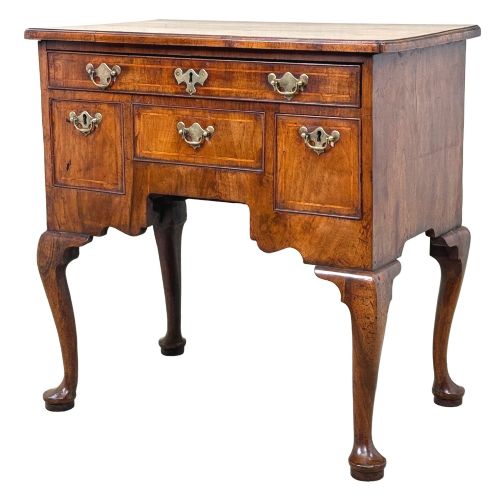
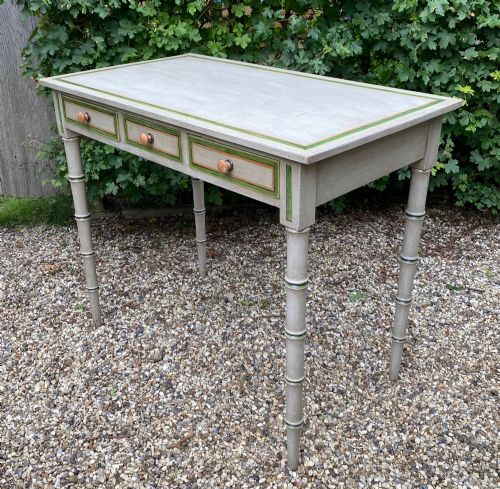
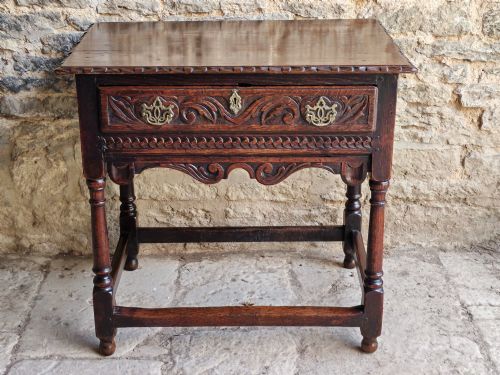
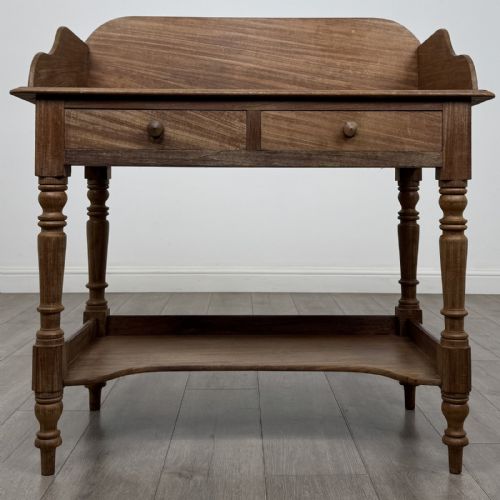
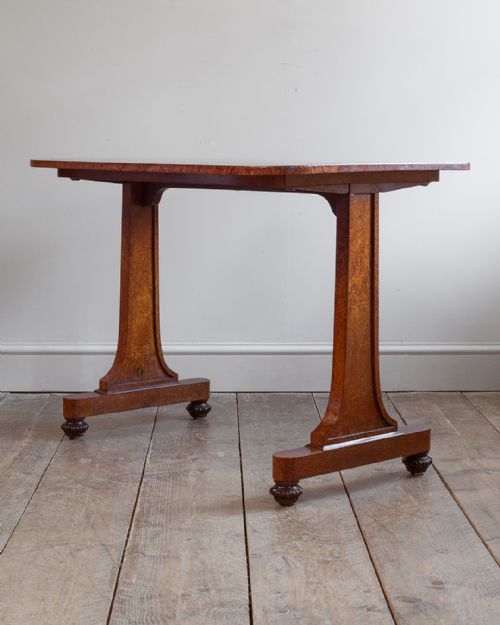
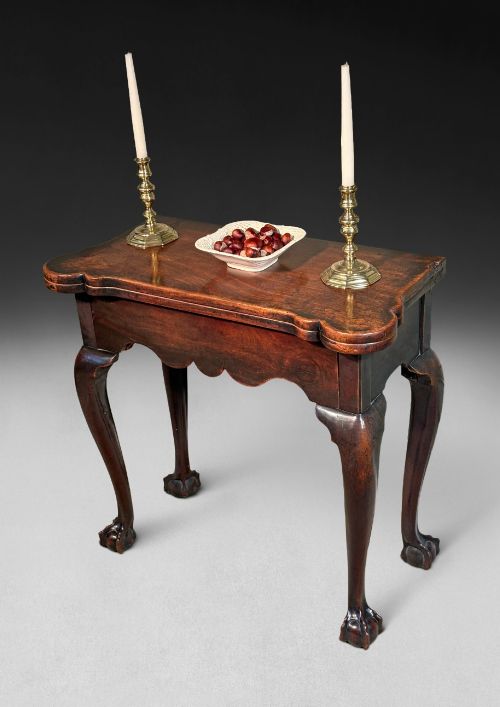
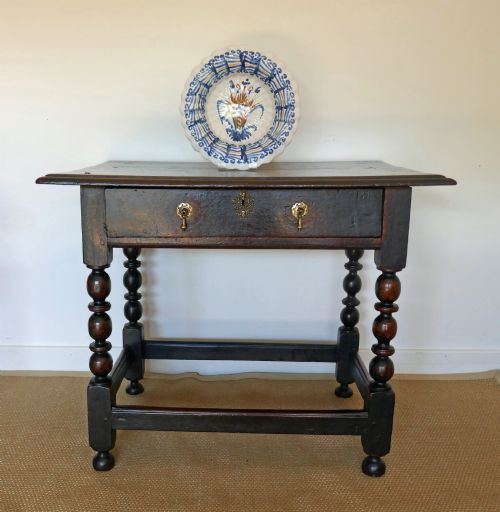
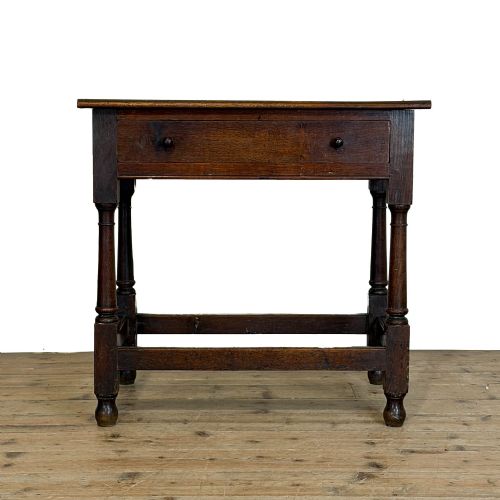
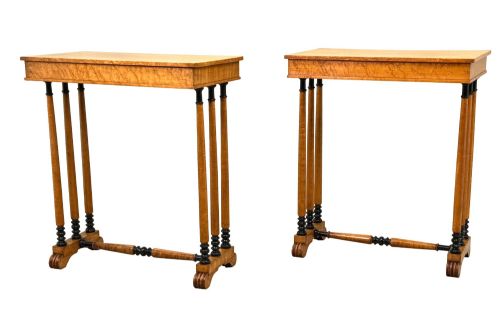
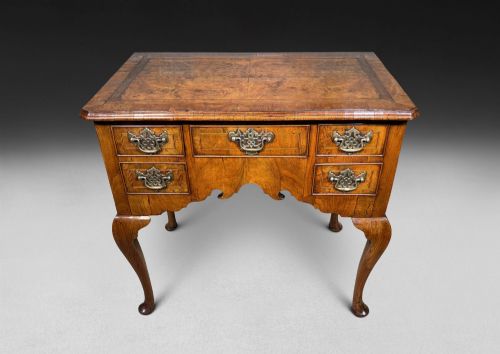
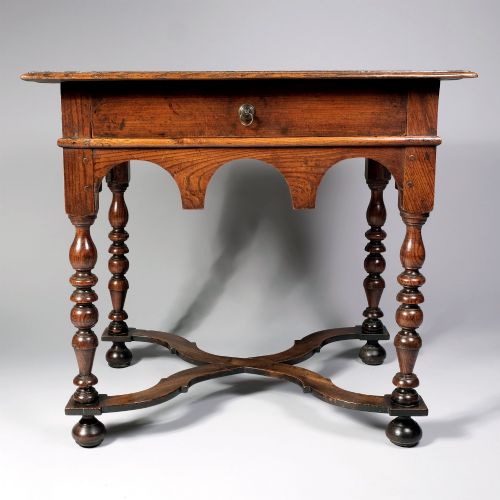
When buyers search for period furniture console options, they encounter a diverse selection of side tables, serving tables, and console tables spanning from the seventeenth century through the Regency era. The inventory bridges formal neoclassical designs and robust earlier native timbers, offering practical surfaces designed for placement against a wall.
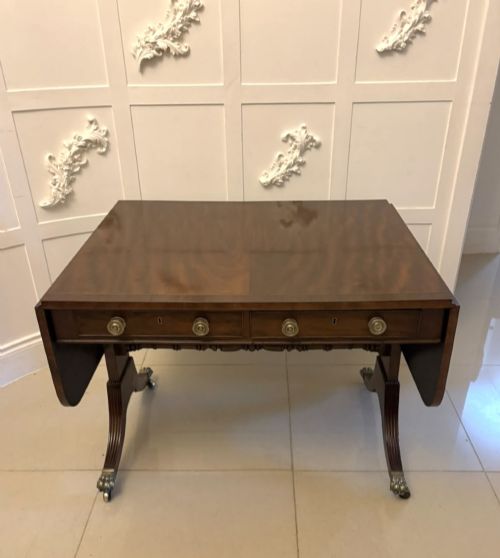
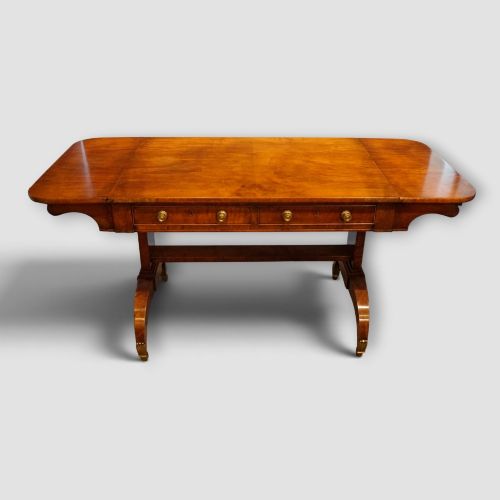
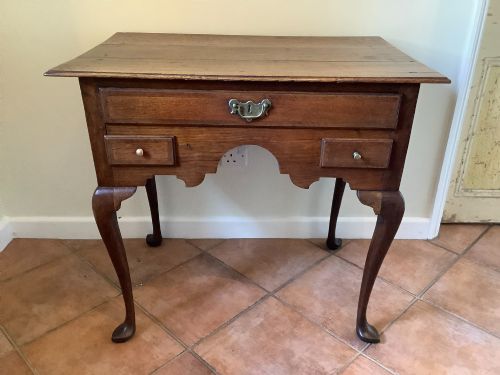
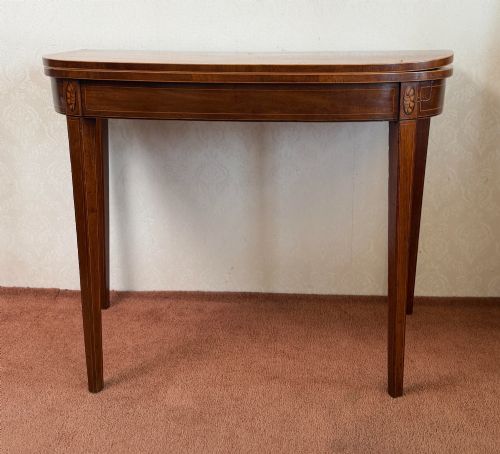
Examples from the Georgian and Regency periods frequently manifest in rich mahogany, rosewood, and satinwood, often incorporating folding tops, brass inlay, or marble slabs. These refined forms contrast with earlier oak lowboys and side tables originating in the seventeenth and eighteenth centuries, which prioritise sturdy construction and honest joinery.
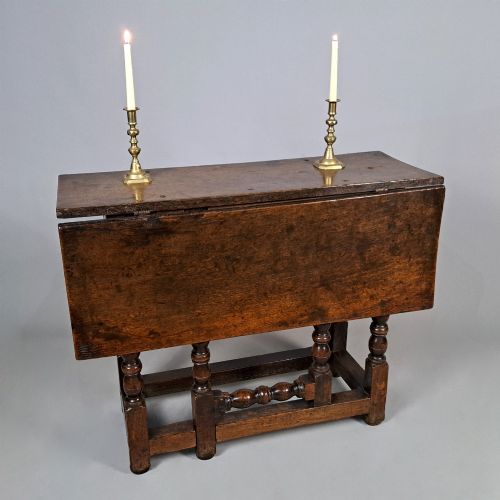
The selection ranges from French Empire and Louis XVI marble-topped gilt consoles to vernacular Welsh and English oak tables. Buyers are most likely to meet mahogany side tables and rosewood card or sofa tables from the Regency period, alongside walnut lowboys and seventeenth-century oak servers.
Materials and construction methods
Cabinetmakers utilised dense native hardwoods such as oak and elm for seventeenth-century forms, transitioning to figured mahogany, walnut, and exotic rosewood as global trade routes expanded during the Georgian and Regency eras. Boxwood and brass stringing frequently accented the primary timbers, adding crisp linear definition to table tops and friezes.
Joinery techniques evolved from pegged mortise and tenon frames in early oak tables to sophisticated drawer linings,veneering, and parcel gilding on later walnut and mahogany examples. Metal components such as brass sabots, castors, and ormolu mounts were integrated to support mobility and protect vulnerable feet on high-status tables.
Period Furniture Console Retail Price Guide 2026
Typical asking prices for period furniture console among the pieces listed under this phrase on Sellingantiques today, from the lower quarter to the upper quarter. They describe what is for sale here now, not the wider market.
The listings demonstrate a strong representation of seventeenth-century oak tables alongside fine Regency rosewood and mahogany pieces.
Distinctions in craftsmanship and preservation
The distinction between standard examples and superior pieces rests in the selection of timber figures, such as burr walnut, birdseye maple, or highly figured Honduras mahogany. Superior cabinetwork is visible in the crispness of carved details, the precision of brass inlay, and the retention of original surface patination.
Structural integrity and the survival of original components, including brass castors, locks, and marble tops, heavily influence the standing of a piece. Tables retaining their authentic finish without extensive modern intervention demonstrate the care of past generations and maintain greater historical coherence.
Mack Williams And Gibton
The Period Furniture Console Glossary
- Lowboy
- A small dressing or side table featuring one or more rows of drawers beneath the working surface, commonly produced in oak or walnut during the seventeenth and eighteenth centuries.
- Card Table
- A folding table designed for evening games, typically equipped with a hinged top that opens to reveal a baize-lined playing surface and sometimes corner wells for counters.
- Sofa Table
- A rectangular table originating in the late eighteenth century, designed to stand directly in front of a sofa and fitted with small drop leaves on either end.
- Console Table
- An architectural table fixed against a wall, frequently supported by brackets or ornate legs, and often finished with a marble top.
- Ormolu
- Gilded bronze used for decorative mounts and accents on high-status furniture, particularly prevalent in French-influenced Regency and Empire designs.
- Sabot
- A metal sleeve or shoe fitted to the foot of a furniture leg to prevent wear and complement decorative mounts elsewhere on the piece.
Period Furniture Console: Frequently Asked Questions
How do I date a console or side table?
Dating relies on assessing the primary timber, construction methods, and stylistic vocabulary evident in the piece. Seventeenth-century items typically feature pegged oak joinery and solid boards, whereas Regency and Georgian examples utilise sophisticated veneering, mahogany, and brass inlay.
Secondary indicators include drawer construction, handle types, and the presence of period hardware such as brass castors or locks. Comparing these details against known historical periods helps narrow the manufacturing window.
Where should I place a console table?
Console and side tables serve well in entrance halls, living rooms, and dining spaces where surface area is required without occupying excessive floor space. Their shallow depth allows them to anchor mirrors or artwork on the wall above.
Placing them away from direct heat sources and strong sunlight protects vulnerable timbers like rosewood and mahogany from drying out and fading over time.
What is the difference between a side table and a console?
Traditional side tables are generally freestanding pieces designed to stand against a wall on four legs, common in oak from the seventeenth century and mahogany in the eighteenth. Consoles often possess an architectural character and may rely partially on wall fixation or bracket supports.
Many later nineteenth-century pieces blur these distinctions, but the structural design and intended placement remain key indicators of the specific table type.
How do I care for antique wood surfaces?
Maintaining antique timber requires simple dusting with a dry, soft cloth and occasional treatment with appropriate beeswax to nourish the wood. Avoiding silicone-based polishes prevents buildup that can damage the historic patination.
Keeping the environment stable in terms of humidity and temperature prevents the timber from warping and protects delicate veneers from lifting.