


Period English Oak Seating
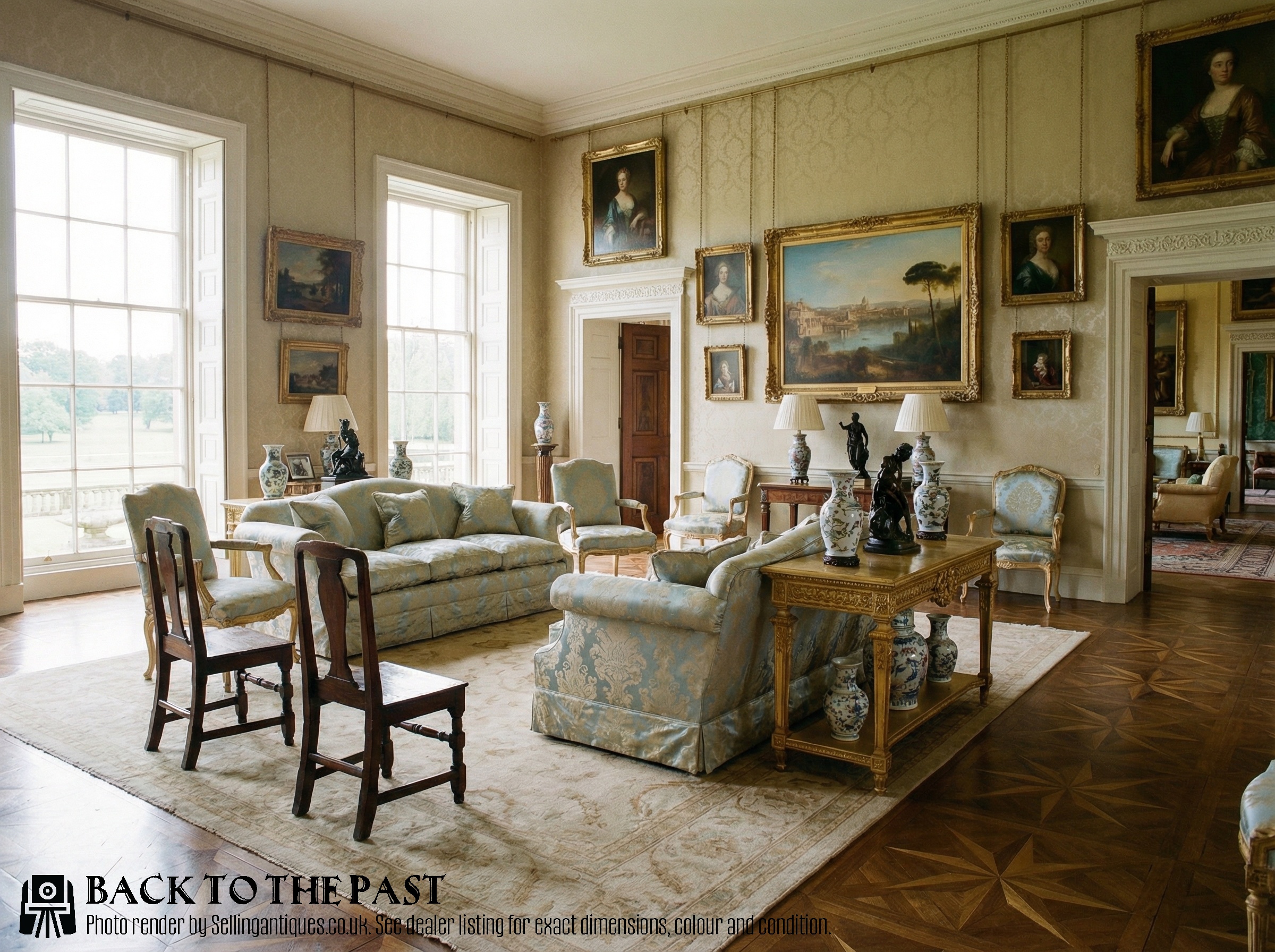
Period english oak seating brings robust timber framing and centuries of domestic history straight into modern rooms.
Period English Oak Seating
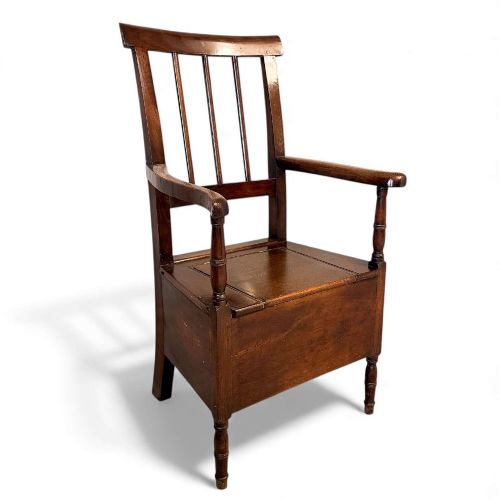
Period english oak seating encompasses heavy seating furniture built across the seventeenth and eighteenth centuries, alongside later revivals from the twentieth century. Buyers seeking this category encounter substantial armchairs, side chairs, dining sets, joint stools, settles, and chests adapted for seating.
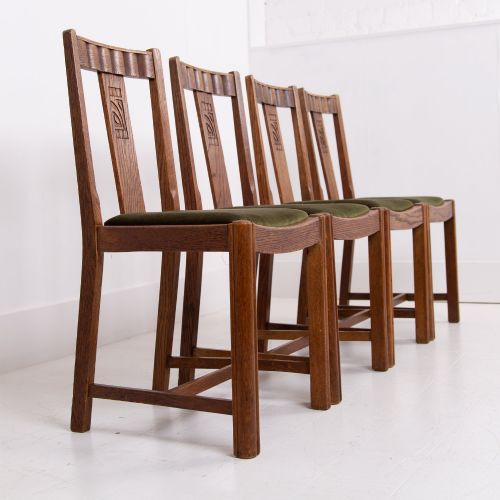
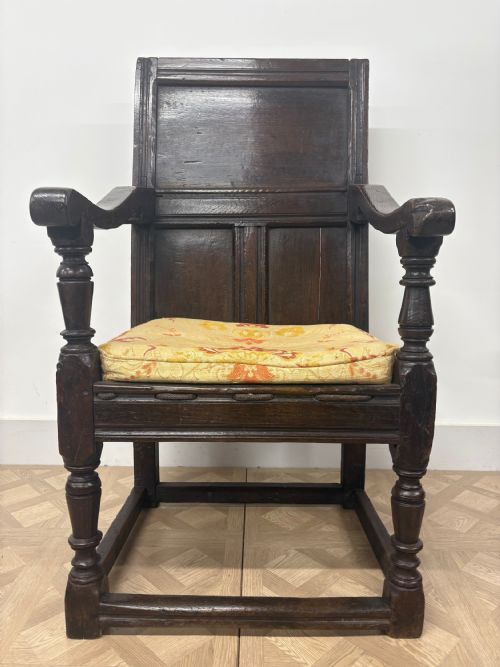
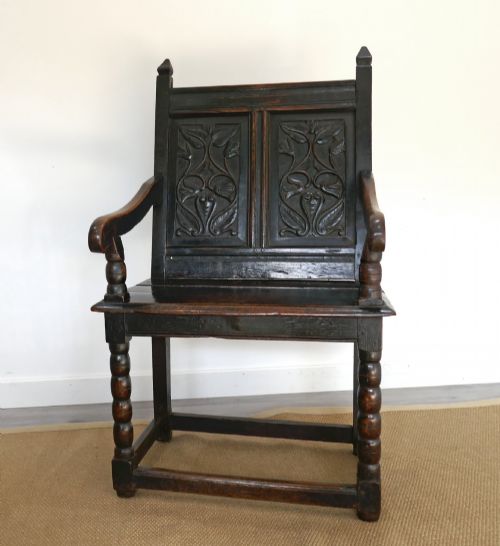
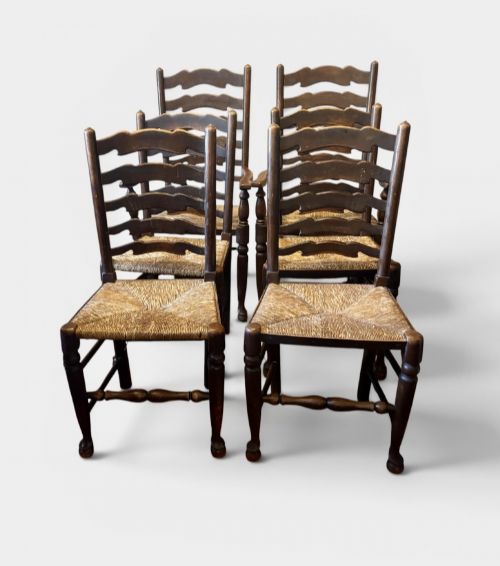
The seventeenth-century pieces include wainscot armchairs, Lancashire chairs, and lambing chairs, often constructed with solid timber frames and panelled backs. Eighteenth-century examples shift towards early Georgian forms and William III coffer benches, while twentieth-century sets offer oak ladder backs and dining chairs.
Vernacular Windsor chairs and fruitwood or walnut combinations also appear within these listings, demonstrating the varied regional output of English joiners. Stools and storage coffers with bay window seat functions form a significant portion of the available inventory.
Markers of Quality
The integrity of the original timber frame separates exceptional survivals from pieces with heavy later replacement parts. Original pegging, untouched surface patination, and genuine period joins command greater regard among collectors.
Carving depth and sharpness on wainscot panels indicate the skill of the original workshop. Proportions and structural balance across armchairs and joint stools also distinguish superior domestic output from simpler vernacular items.
Some child-sized lambing chairs survived centuries of use because children made remarkably tidy occupants.
The Period English Oak Seating Glossary
- Wainscot chair
- A heavy wooden armchair with a panelled back, popular in the seventeenth century. These sturdy seats were status objects in early English households.
- Joint stool
- A low wooden stool built with pegged mortise and tenon joinery. They provided flexible seating around the hearth or dining table.
- Coffer
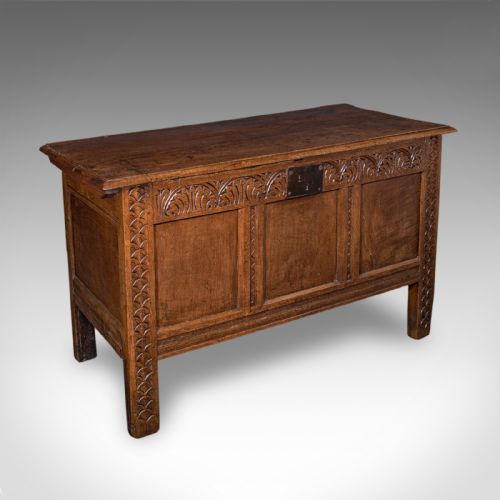
- A large wooden chest used for storage that frequently doubles as a window seat. Early examples display carved panels and hinged lids.
- Settle
- A high-backed wooden bench with solid arms and a storage base. It protected occupants from drafts in large halls.
- Ladder back
- A chair back formed of horizontal wooden slats resembling a ladder. This lighter vernacular form appears in regional English seating.
Period English Oak Seating: Frequently Asked Questions
How do I identify a 17th century wainscot chair?
Seventeenth-century wainscot chairs are distinguished by their rigid panelled backs, solid wooden seats, and heavy arm structures. They rely on pegged joinery and often display carved detailing on the upper crest.
Inspect the underside and joints for hand-cut pegging and timber shrinkage that indicates genuine age. Regional variations also point to specific workshops in Lancashire, Cheshire, or the West Country.
Were joint stools used for sitting or tables?
Joint stools served multiple domestic functions, acting primarily as portable seating or small side tables in early homes. Their rigid frame construction allowed them to bear substantial weight.
Placed around the dining table or near the hearth, they offered practical seating that could be tucked away easily.
What is a lambing chair?
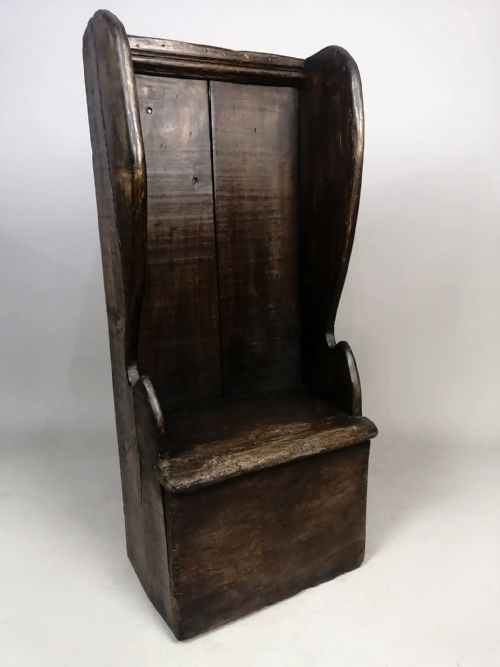
A lambing chair is a low vernacular armchair, often constructed from fruitwood, featuring a hooded or high panelled back designed to block cold drafts. They originated in rural domestic settings for use near the fire.
Many incorporate a small storage compartment beneath the seat for household items or tending the hearth.
How do I care for antique oak furniture?
Antique oak benefits from stable indoor humidity and protection from direct sunlight to prevent timber splitting. Regular dusting with a dry cloth maintains the surface without stripping natural oils.
Avoid modern liquid polishes containing silicones, relying instead on traditional wax finishes when nourishment is required.