


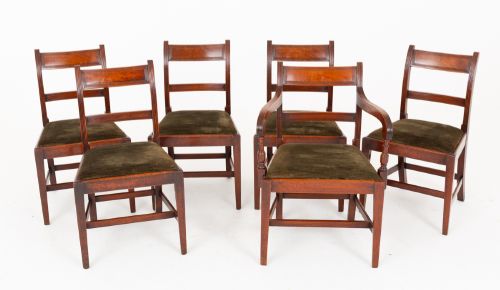
Period Dining Seating
Period dining seating brings together centuries of craftsmanship, offering mahogany chairs and walnut side seats designed to anchor a traditional room.
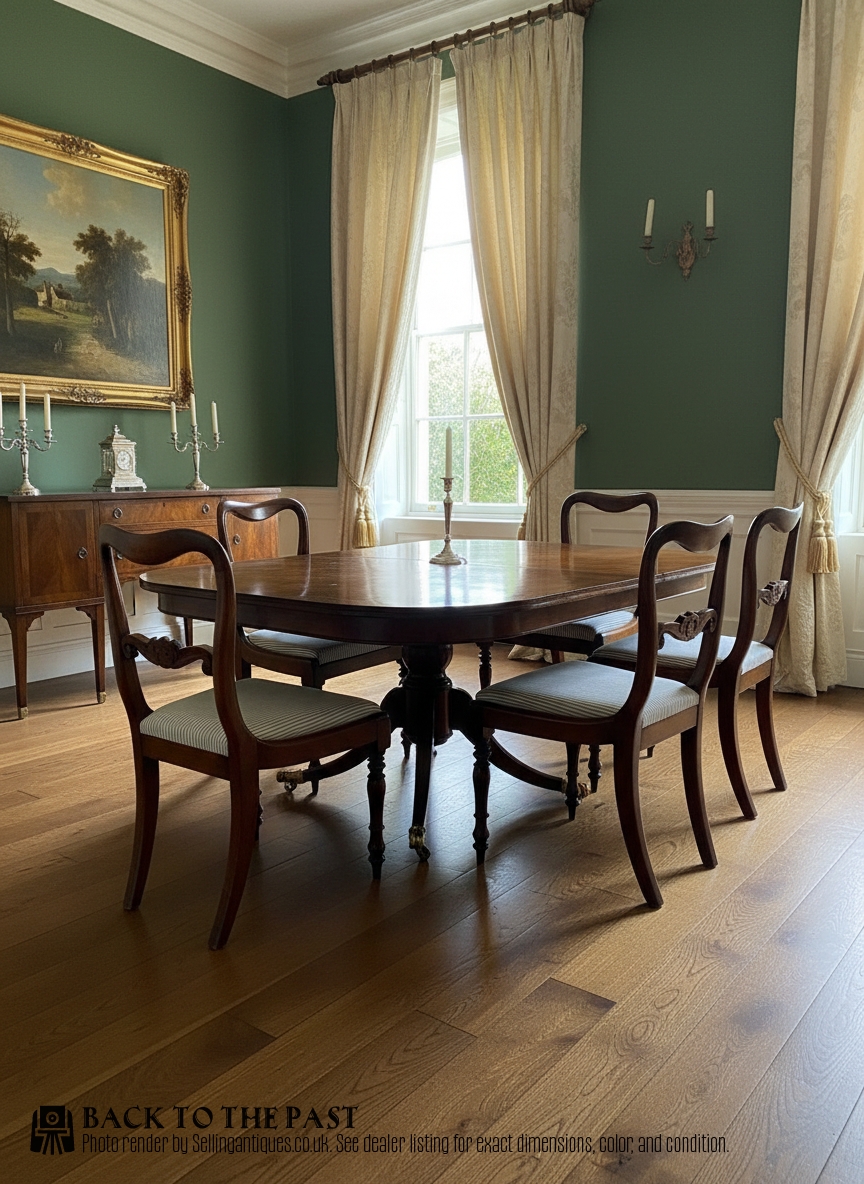
Period Dining Seating
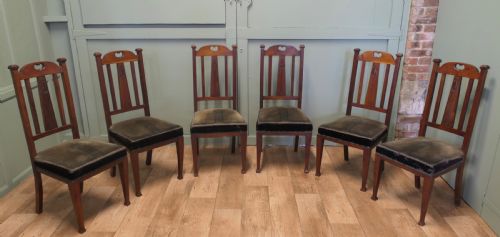
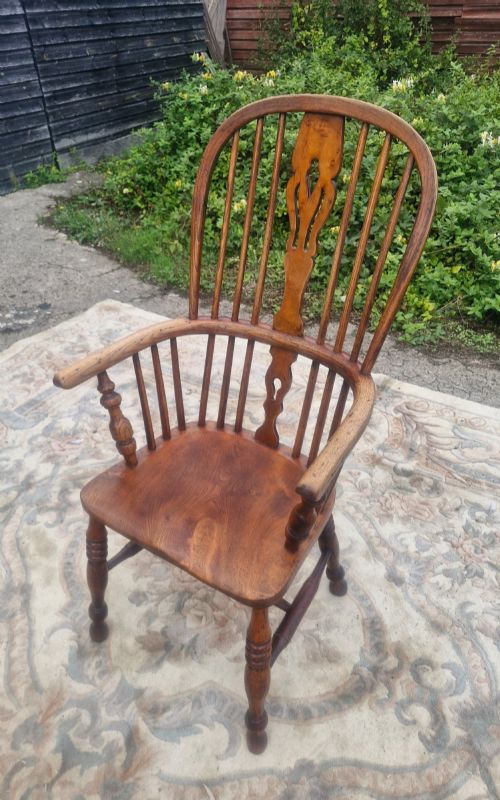
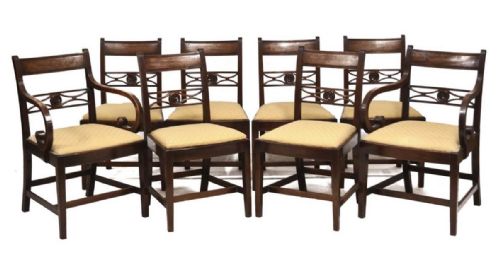
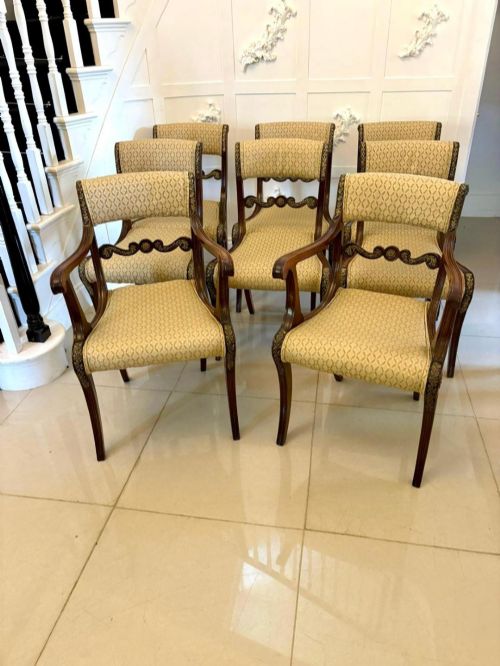
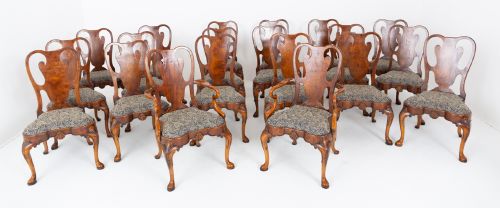
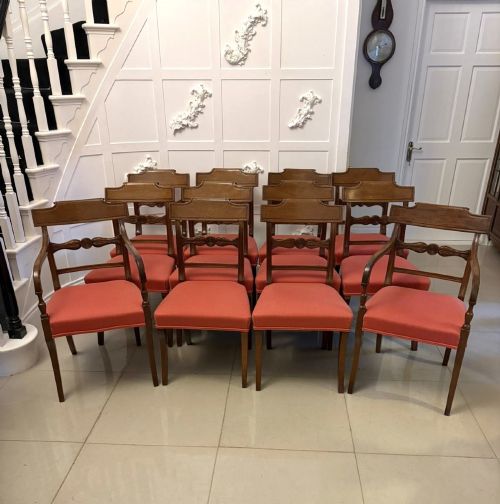
Period dining seating spans the 18th, 19th, and early 20th centuries, taking the form of dining chairs, side chairs, and armchairs. Sets vary from pairs to large gatherings of twenty seats.
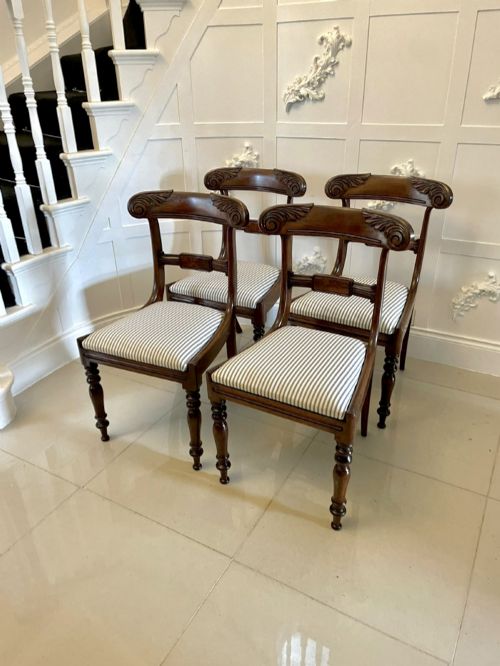
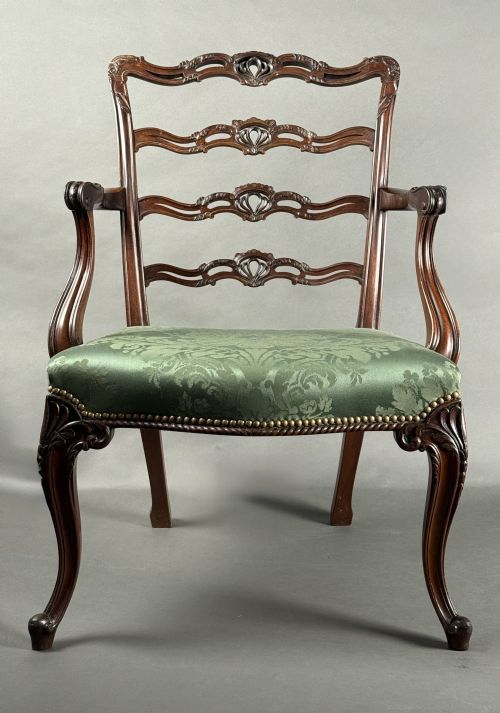
Mahogany remains the dominant wood across Georgian, Regency, and Victorian pieces, alongside walnut, oak, elm, and maple. Seating often incorporates fabric, velvet, upholstery fabric, or cane panels.
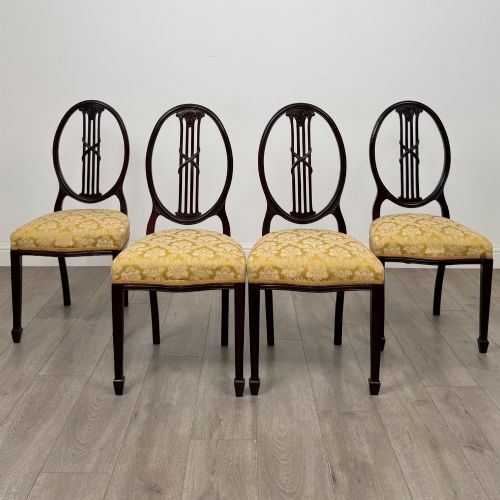
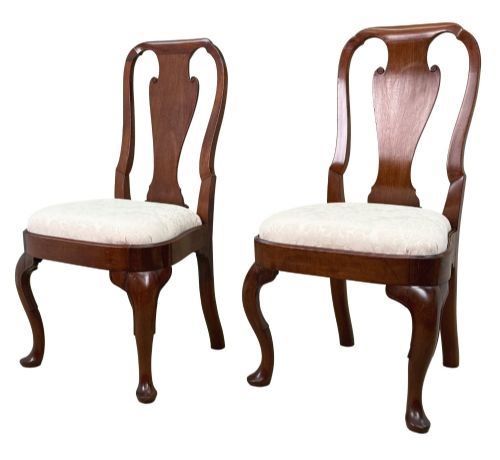
Makers drew on Hepplewhite, Sheraton, Queen Anne, and Arts and Crafts design idioms. Buyers regularly encounter matched sets alongside individual carvers and single chairs.
Gradations in Quality
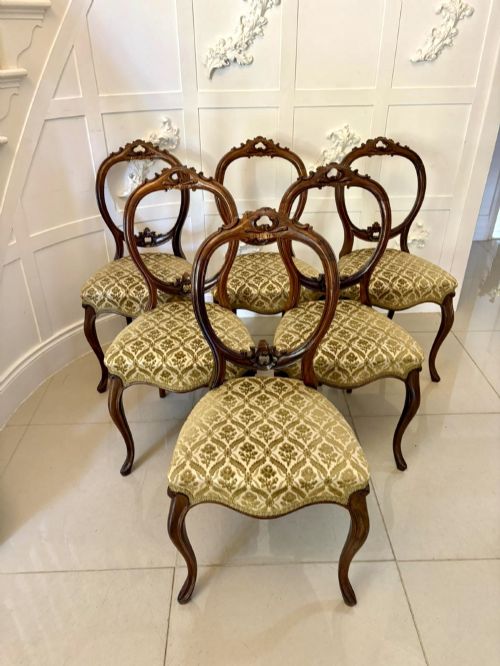
Depth of carving and sharpness of detail separate standard utility seats from exhibition examples. Carved mahogany and burr walnut showcase superior timber selection and fluid lines.
Original surface patination and integrity of frame construction dictate long-term standing. Matched sets with uniform colour and matching carvers hold greater architectural presence than assembled groups.
Period Dining Seating Retail Price Guide 2026
Typical asking prices for period dining seating among the pieces listed under this phrase on Sellingantiques today, from the lower quarter to the upper quarter. They describe what is for sale here now, not the wider market.
Listings span the 18th, 19th, and 20th centuries, featuring mahogany, walnut, oak, and cane across Georgian, Regency, and Victorian styles.
Charles Tozer·Maple and Co·Strahan
The Period Dining Seating Glossary
- Carver
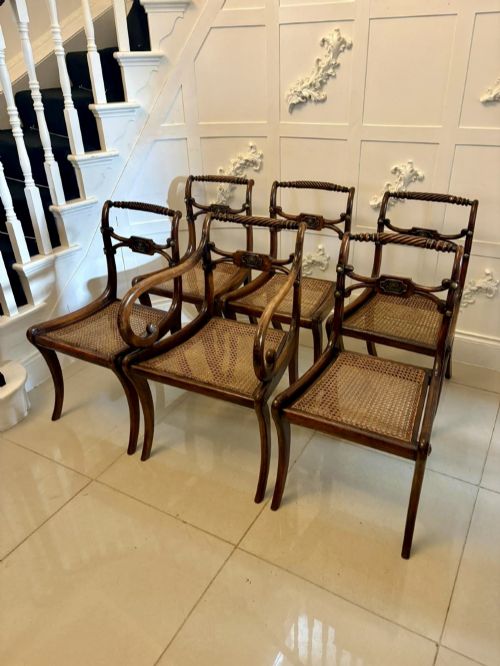
- An armchair designed specifically for the heads of a dining table. These typically match a set of single side chairs.
- Bar Back
- A horizontal curved top rail resembling a bar, common in Regency dining chairs. This design provides ergonomic support.
- Shield Back
- A chair back shaped like a heraldic shield, popular in Hepplewhite and later revival designs. It requires skilled joinery to curve the frame.
- Cane
- Woven rattan or split plant material used to form light seat panels. It offers flexibility and breathable comfort.
- Burr Walnut
- Walnut timber taken from growth warts on the tree, yielding intricate swirling grain patterns. Cabinetmakers used it for high-status decorative veneers.
Period Dining Seating: Frequently Asked Questions
How many chairs come in a set?
Sets range widely from small pairs up to twenty pieces, often split between single chairs and armchairs.
Buyers should check individual listings to confirm the exact ratio of carvers to singles.
What woods were used for chairs?
Mahogany and walnut dominate the selection, supplemented by oak, elm, maple, and rosewood.
Lighter woods like maple appear in specific Edwardian pieces, while oak anchors earlier Arts and Crafts designs.
Are cane seats original?
Many Regency and earlier chairs incorporate woven cane panels into their frames. Cane provides a resilient and breathable surface that supports daily use.
Original weaving sits alongside period-appropriate repairs depending on the preservation of the piece.
How do I identify a carver?
Carvers feature integrated armrests designed to accommodate the user at the table ends. They usually mirror the decorative motifs of the smaller side chairs in the same set.
Larger dining sets commonly include two carvers alongside six or eight single chairs.