


Period Damask Couch
A period damask couch offers enduring comfort and classic upholstered elegance for the traditional interior.

Period Damask Couch
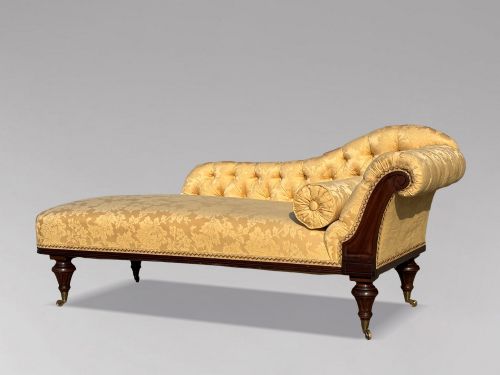
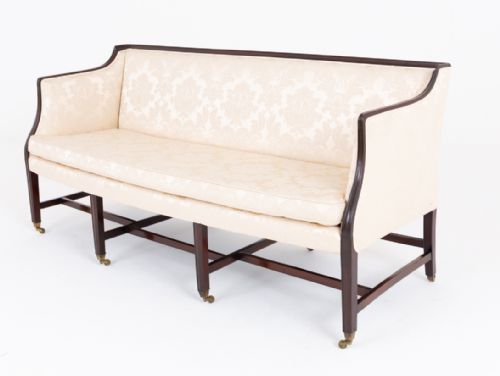
A period damask couch encompasses sophisticated seating designs from the eighteenth and nineteenth centuries, including settee, sofa, and chaise longue forms. These pieces display distinct historical styling from the Georgian, Regency, and William IV eras through to Edwardian interpretations.
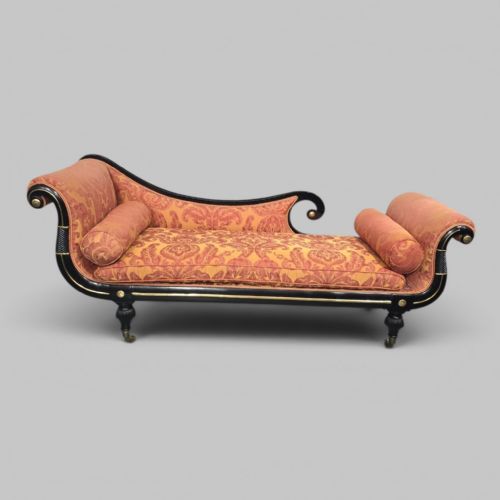
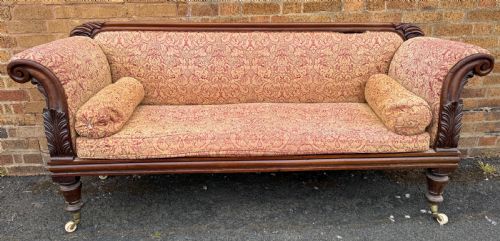
The version most commonly encountered on this page is the mahogany framed nineteenth-century sofa or chaise longue, often upholstered in rich damask fabric. Examples range from scroll-end designs to carved show-frame settees.
Makers utilised timber frames constructed from mahogany, walnut, and ebonised wood to support intricate upholstery. The resulting seating combines robust wooden architecture with decorative textile surfaces.
Materials and construction methods
Frames rely on solid timber construction, primarily utilising mahogany alongside walnut and ebonised wood. Carved details and exposed show-frames define the structural woodwork of these settees.
Upholstery relies on traditional damask fabric stretched over supportive internal stuffing. Brass accents sometimes appear as decorative hardware on these period frames.
Listings feature timber frames in mahogany, walnut, and ebonised wood paired with damask fabric upholstery.
Assessing the standard of a couch
Quality rests in the crispness of the timber carving and the architectural proportion of the frame. Pieces with confident scroll-ends or refined show-frames demonstrate superior craftsmanship.
The integrity of the woodwork and the historical suitability of the damask upholstery elevate an example above standard production.
Hepplewhite
The Period Damask Couch Glossary
- Damask fabric
- A reversible figured textile traditionally woven on a jacquard loom, featuring patterned designs that catch the light. It provides the characteristic tactile surface on these couches.
- Show-frame
- A wooden structural frame left exposed around the upholstered portions of a settee or sofa. This highlights the carved timber underneath the fabric.
- Scroll-end
- A furniture arm or terminal shaped into a curving scroll motif. This detail is frequently seen on Regency and William IV seating.
- Knole sofa
- A historic sofa style featuring adjustable or hinged arms tied with decorative braids. It represents a specific form found within these listings.
Period Damask Couch: Frequently Asked Questions
What is a period damask couch?
A period damask couch is a historic upholstered seating piece dating from eras such as the Georgian, Regency, or Edwardian periods. These items feature traditional wooden frames paired with woven damask upholstery.
They serve as functional seating and decorative centrepieces in traditional drawing rooms and living spaces.
How were these couches used originally?
These settees and sofas furnished formal drawing rooms, parlours, and country house interiors. They provided comfortable seating for entertaining guests or reclining during the day.
Chaise longue variants specifically offered a semi-recumbent posture for resting.
How do I live with a damask couch?
Living with a historic couch involves placing it away from direct sunlight to protect the damask fabric from fading. Regular gentle maintenance preserves both the textile and the underlying timber frame.
These pieces integrate well into traditional and eclectic interiors as statement seating.
How do I tell periods apart?
Periods are distinguished through stylistic details, such as the carved woodwork and frame silhouettes. Georgian and Regency pieces show distinct classical influences, while Edwardian examples often revive earlier historical styles.
Examining the wood type, such as mahogany or walnut, also aids in dating the furniture.