


Fringed Sofa
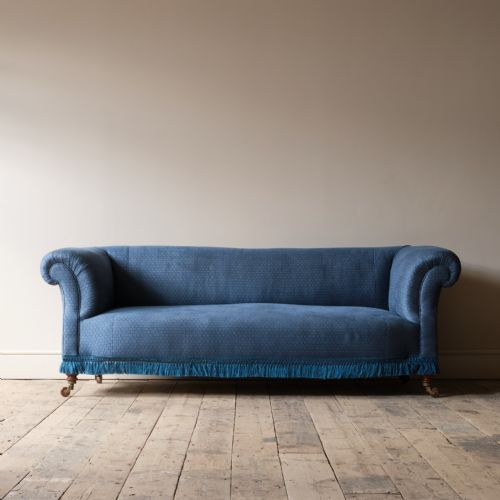
A fringed antique sofa brings texture and heritage to a room, offering deep seating paired with traditional tassel and textile trim.

Fringed Sofa
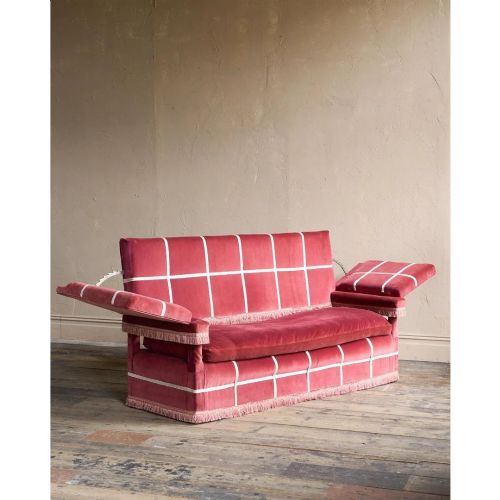
A fringed antique sofa encompasses seating options originating from the nineteenth century through the Edwardian period, often reflecting traditional English and continental styles. Buyers searching for a fringed antique sofa encounter diverse forms ranging from structured Knole sofas to shell-shaped designs and daybeds.
The examples on this page showcase varied regional influences, including French nineteenth-century pieces, Austro-Hungarian models, and traditional English country house designs. These items frequently incorporate distinctive decorative trimmings that define their period character.
What varies in quality
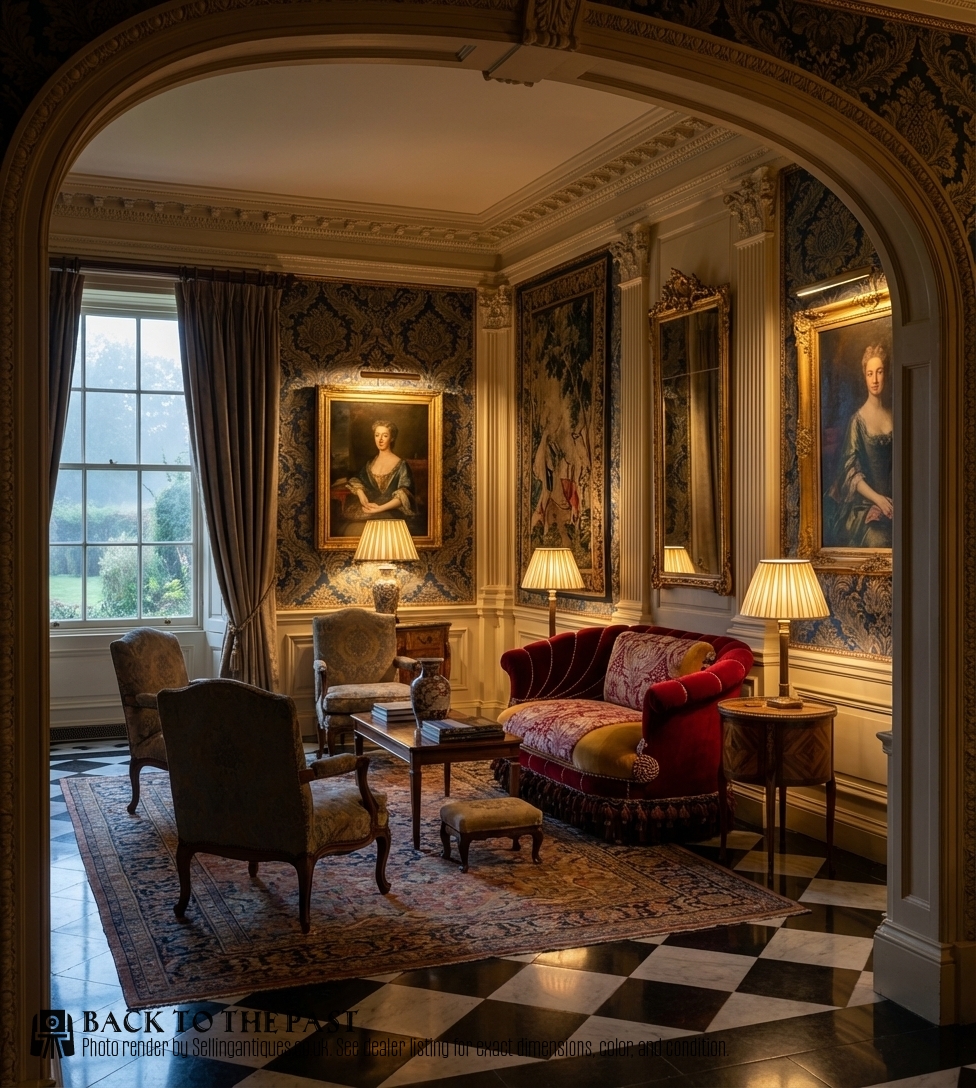
The standard of execution in the timber frame and the refinement of the carved details differentiate examples across the range. Superior pieces exhibit precise joinery and well-preserved structural integrity in materials like oak and ebonised wood.
The choice and preservation of the textile upholstery also influence the standing of an item, with rich velvet, damask, and intact tassel trims representing higher levels of period craftsmanship.
Current listings feature wood, velvet, timber, brass, fabric, damask, textile fringe, and wool across Victorian and Edwardian periods.
Hampton And Sons
The Fringed Sofa Glossary
- Knole Sofa
- An early form of sofa featuring high adjustable sides and hinged arms, traditionally associated with Knole House. These pieces offer a formal silhouette often upholstered in damask or heavy fabric.
- Damask
- A reversible figured fabric woven on a jacquard loom, frequently utilised for formal upholstery. It displays patterns created by contrasting warp and weft threads.
- Ebonised
- Wood finished to resemble ebony through staining or painting, popular in nineteenth-century furniture design. This treatment provides a dark, polished surface that contrasts with gilt highlights.
- Daybed
- A long seat designed for reclining, functioning as both a chair and a bed. Nineteenth-century examples often feature upholstered frames suited for parlours and bedrooms.
Fringed Sofa: Frequently Asked Questions
What periods do these sofas come from?
The pieces span the nineteenth century, including specific dates such as eighteen-eighty, eighteen-ninety, and nineteen-hundred, alongside Edwardian and nineteen-twenty examples.
Styles represented range from Victorian and Traditional English to French Napoleon III and Austro-Hungarian designs.
What materials are used in the upholstery?
Upholstery materials include velvet, damask, wool, and general fabric, often accented with textile fringe and tassel trims.
Frames are constructed from timber, including carved oak and ebonised wood with brass details.
How do French and English styles differ?
English examples often follow traditional country house aesthetics, including Knole sofas and carved oak forms.
French pieces from the nineteenth century lean toward ebonised and gilt finishes, daybeds, and raspberry pink velvet upholstery.
Where were these pieces used historically?
These seating items served in formal reception rooms, country house drawing rooms, and private parlours. Bedroom sofas and daybeds also provided designated spaces for resting.
Public and private spaces alike utilised these designs for both utility and decorative display.