


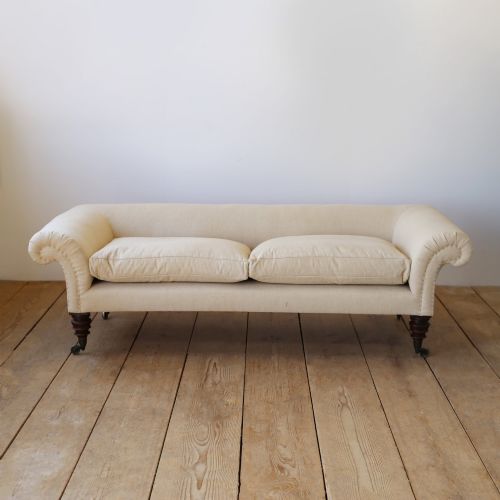


Traditional Drop Arm Couch
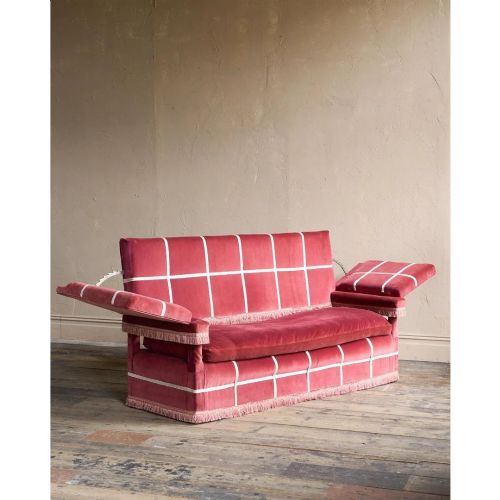
A traditional drop arm couch offers flexible lounging through adjustable sides, combining deep seating with period character.

Traditional Drop Arm Couch
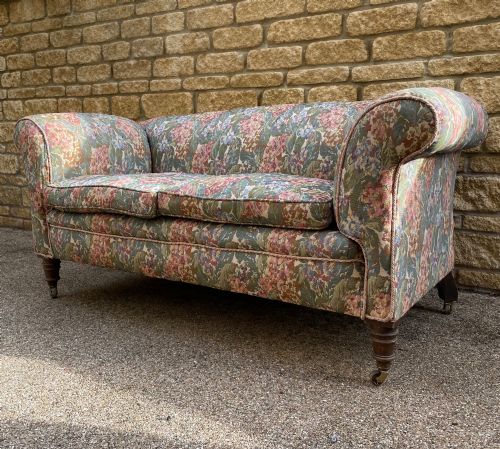
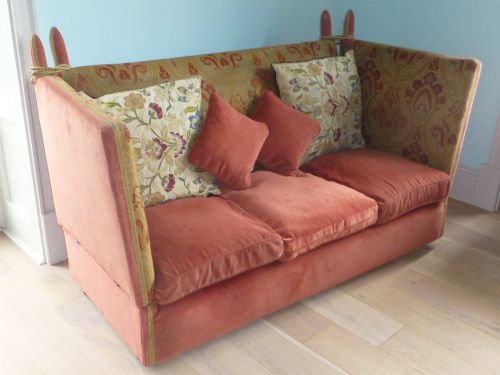
A traditional drop arm couch brings classic seating into the home, drawing from Victorian, Edwardian and later periods up to the 1930s. These pieces often appear as Knole sofas, Chesterfield styles or country house settees designed for comfort.
Makers and designers of the past shaped these couches for formal drawing rooms and relaxed country interiors alike. The phrase encompasses both traditional English forms and Howard style adaptations.
How they were made
Timber frames form the structural core of these couches, paired with traditional fillings such as horse hair to provide firm support. Wood and metal mechanisms operate the drop arm or drop end actions.
Upholstery defines the exterior appearance, utilising materials like velvet, damask, and upholstery fabric. Hand-dyed leather and whisky brown leather also appear on restored examples from the Victorian era.
One enthusiastic couch even arrives dressed in a vintage union flag.
What varies in quality
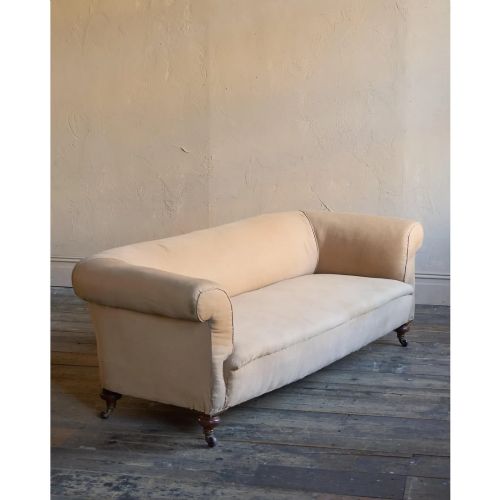
The integrity of the internal stuffing and frame construction distinguishes robust examples from those requiring substantial intervention. Pieces offered for reupholstery display the underlying framework clearly.
The choice of covering fabric, from rich claret red velvet to gold damask or union flag designs, alters the visual weight of the couch. Original timber frames and functioning drop mechanisms retain greater historical integrity.
The Traditional Drop Arm Couch Glossary
- Drop arm
- A movable couch end that lowers to create a daybed or day-lounging arrangement. This mechanism is characteristic of Knole and traditional English settees.
- Knole sofa
- A historic sofa type featuring high adjustable ends tied with cords and elaborate finials. It serves as a direct ancestor to many drop arm designs.
- Damask
- A reversible figured fabric woven on a jacquard loom with patterns visible on both sides. It provides a formal appearance on antique seating.
- Chesterfield
- A large upholstered sofa traditionally featuring deep buttoning and arms the same height as the back. It bridges the gap between formal and country house styles.
- Horse hair fill
- A traditional stuffing material derived from equine manes and tails used for durable upholstery. It packs tightly to maintain shape over decades of use.
Traditional Drop Arm Couch: Frequently Asked Questions
What is a traditional drop arm couch?
A traditional drop arm couch is an upholstered sofa with one or both ends designed to lower or adjust. These pieces date from the nineteenth and early twentieth centuries.
They combine wooden frames with textiles like velvet, damask, or leather to create flexible seating for domestic spaces.
How do you operate the drop arm?
The drop arm mechanism typically relies on hinges, ratchets, or cords attached to the timber frame. Releasing the catch allows the side to fold down flat.
This transforms the upright sofa into a daybed or a relaxed lounging surface.
What materials are used in these couches?
Construction relies on sturdy timber frames and traditional stuffings like horse hair. Brass components often appear in the operational hardware.
Surface coverings range from plush velvet and damask to hand-dyed leather and standard upholstery fabric.
Are these couches suitable for everyday use?
Many examples are built on robust wooden frames intended for active living spaces. Proper restoration ensures the internal padding supports daily sitting.
Some pieces are sold specifically for reupholstery, allowing buyers to select fabrics that match modern interiors.
How do I identify a Victorian drop arm sofa?
Victorian examples often feature exposed timber, deep buttoning, or specific upholstery choices like horse hair fill and aged leather. The proportions reflect nineteenth-century craftsmanship.
Stylistic cues link them to broader Victorian, Edwardian, and country house traditions.