

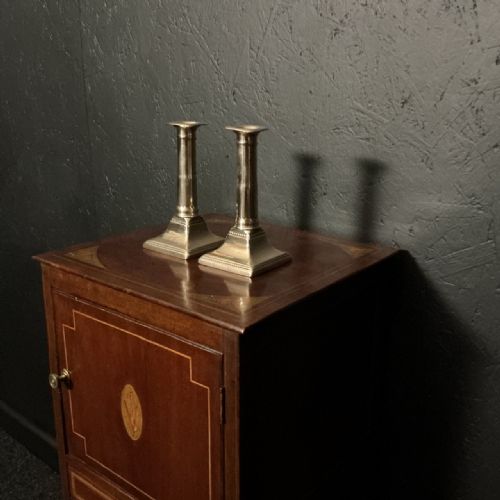


Period Brass Candlesticks Pair
Period brass candlesticks pair selections bring structural warmth to a room, offering functional metalwork spanning eighteenth and nineteenth-century designs.
Period Brass Candlesticks Pair
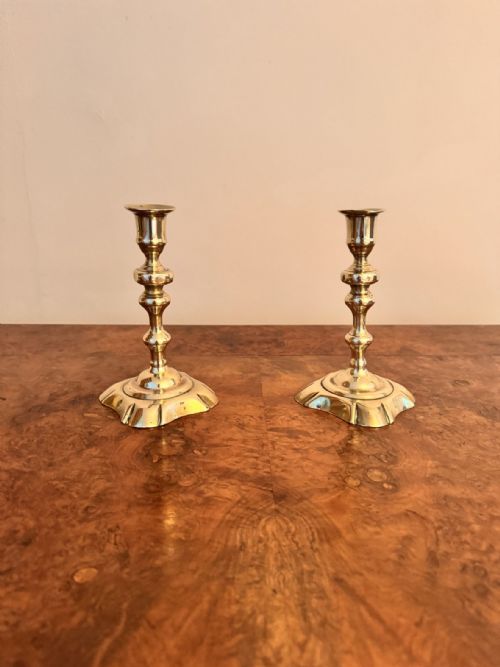
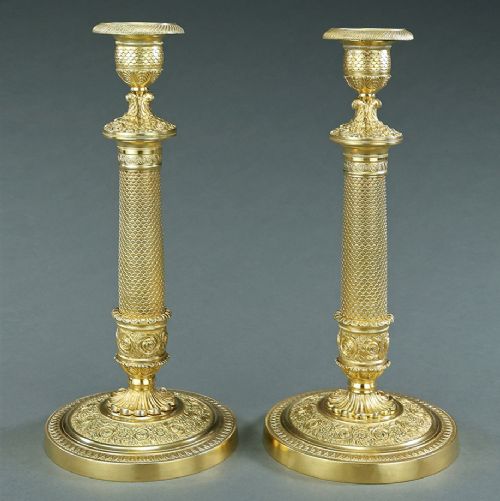
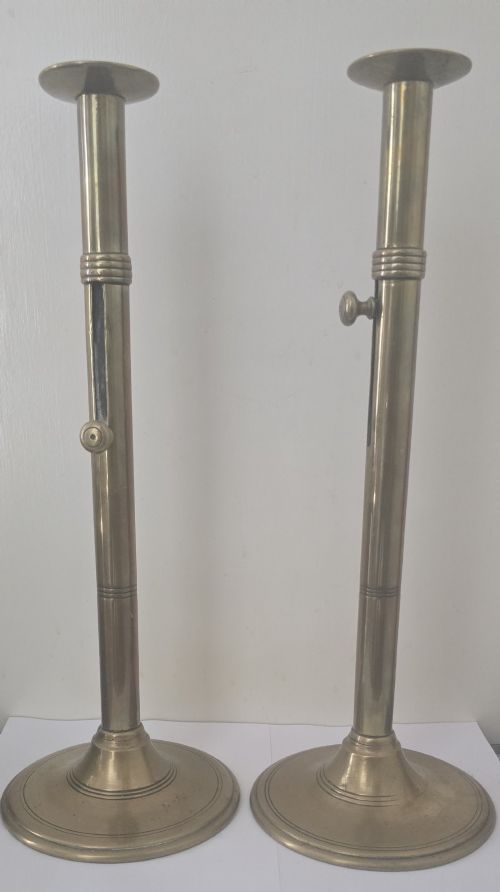
When you search for period brass candlesticks pair, you encounter dual lighting hardware forged primarily from brass, gunmetal, and ormolu across the Georgian, Regency, and Victorian eras. These items include tall ecclesiastical models, column forms, baluster shapes, and seamed variants originating from English, French, and Japanese makers.
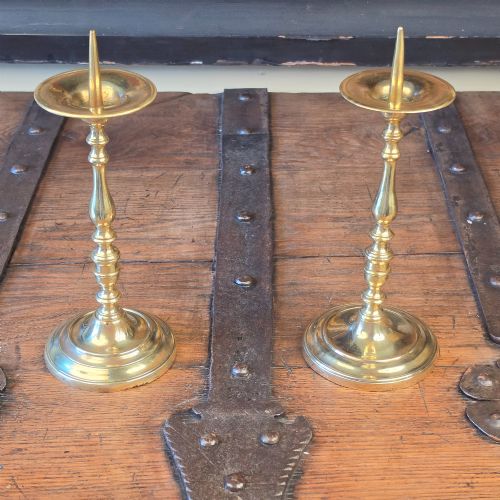
The most common examples you meet on this page date from the eighteenth and nineteenth centuries, featuring octagonal bases, side ejectors, or neoclassical details. Alongside standard candlesticks, the selection occasionally encompasses candelabra, candle lamps with shades, and pricket designs designed for altar or domestic placement.
What varies in quality
Quality depends heavily on the crispness of casting detail and the integrity of the original joints, particularly in seamed pieces where solder lines reveal manufacturing age. Heavy gauge metal and well-defined mouldings separate robust workshop output from lighter, utilitarian items.
The degree of surface preservation and original patination alters the character of each pair, with untampered metal surfaces retaining superior historical depth. Furthermore, sophisticated decorative programs involving neoclassical motifs, ormolu gilding, or marble mounts indicate higher tiers of period production.
Some nineteenth-century pairs feature whimsical griffin shades and military sword-hilt bodies, proving illumination was serious business.
The Period Brass Candlesticks Pair Glossary
- Ejector
- A built-in sliding mechanism inside the candle socket designed to push out remaining candle stubs. This mechanical feature often includes a small thumb piece on the exterior column.
- Seamed
- Formed from sheet metal bent into shape and joined down the side with solder rather than being cast as a solid piece. Early manufacturing relied on this technique before solid casting methods dominated.
- Pricket
- A sharp metal spike set in the centre of the drip pan to secure a candle, commonly found on ecclesiastical or older altar pieces. This design predates the standard socket cup.
- Ormolu
- Finely ground high-purity gold applied to a bronze or metal alloy base using a mercury amalgamation process. This French technique yields a rich, durable golden surface.
- Baluster
- A turned column support shaped like a vase or architectural pillar with a swollen lower portion. This profile appears frequently on eighteenth and nineteenth-century English candlesticks.
Period Brass Candlesticks Pair: Frequently Asked Questions
How do I use them safely?
Place them on stable, level surfaces away from draughts and flammable materials. Ensure the base is wide enough to support the height of the taper.
Use correctly sized candles that fit snugly into the socket without leaning. Snuff flames out rather than blowing them to prevent hot wax splatters.
How are pairs matched?
Pairs are assembled by matching height, base geometry, casting weight, and metal composition. Minor discrepancies in wear often confirm their long history together.
Inspect the turnings and underside markings to verify that both components share identical workshop origins and manufacturing techniques.
How do I clean brass?
Dust gently with a soft dry cloth to remove surface particles. Avoid aggressive polishes that strip away the historical patinated surface.
Consult a conservator if dealing with gilt bronze or lacquered finishes to prevent damaging the original protective coating.
How do I date them?
Examine base construction methods, such as the presence of seamed vertical joints typical of earlier centuries. Base shapes, from early octagonal footprints to later neoclassical column styles, provide chronological markers.
Look for functional details like side ejectors or pricket spikes, which align with specific regional manufacturing periods.