



Period Bedstead
A period antique bedstead anchors a bedroom with centuries of craft, offering solid timbers and striking metals built to endure.
Period Bedstead
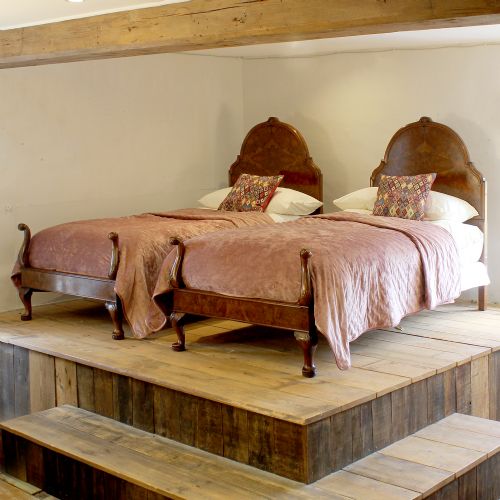
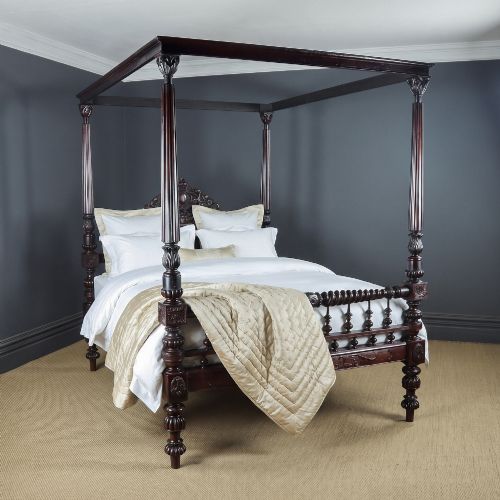
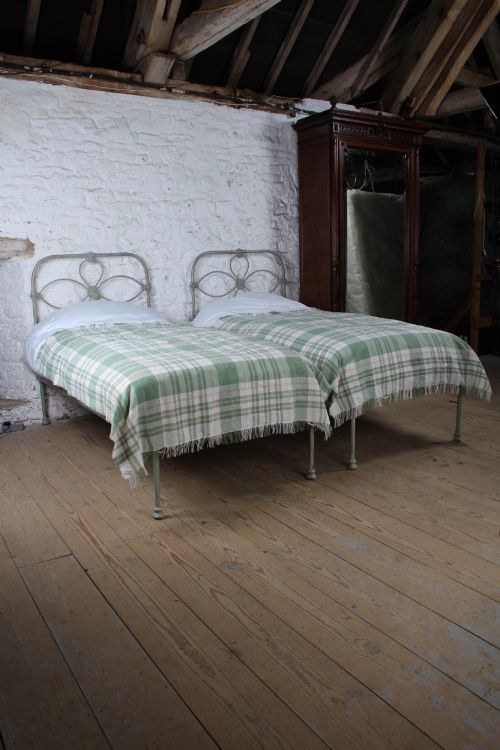
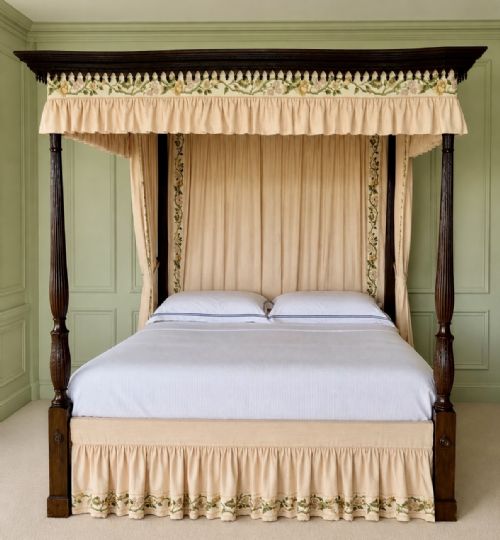
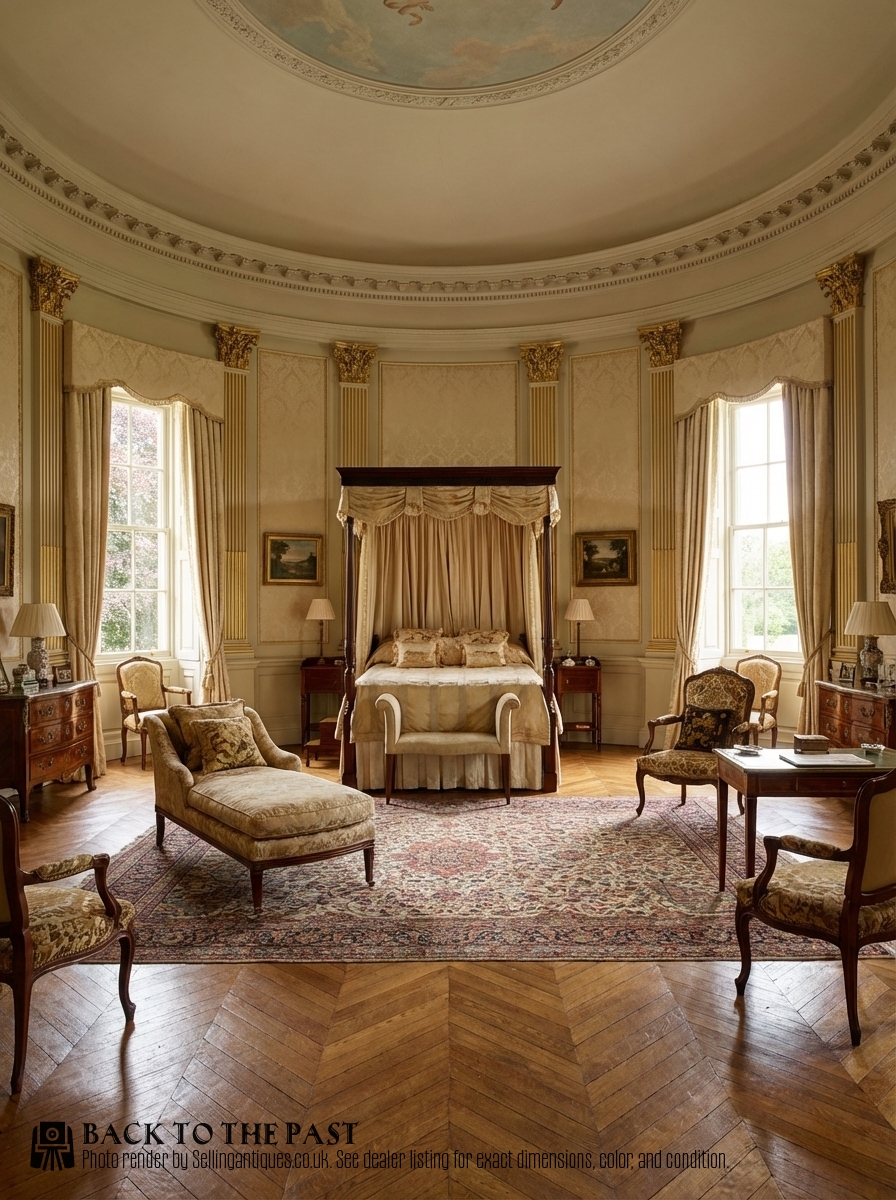
When searching for a period antique bedstead, you encounter substantial furniture spanning from the seventeenth century through to the Edwardian era. These pieces range from imposing oak four-poster tester beds to metal frames decorated with brass and iron.
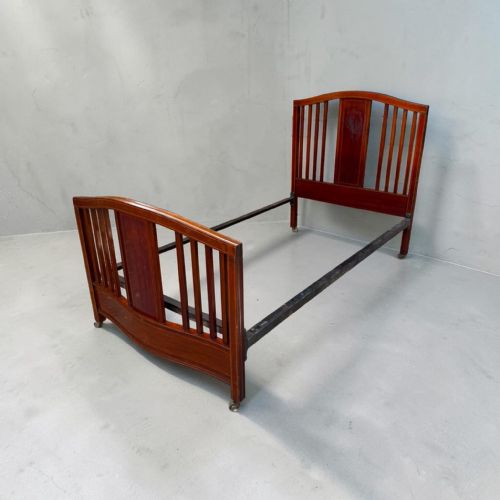
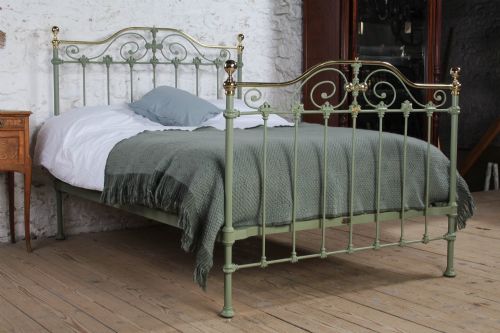
The version you are most likely to meet on this page is the Victorian or Edwardian iron and brass bedstead, alongside substantial mahogany and walnut frames. These span single, double, and king sizes suited to modern rooms.
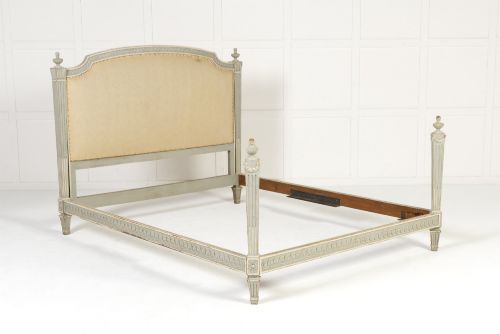
Earlier examples in solid oak recall sixteenth and seventeenth-century joinery, while nineteenth-century pieces offer grand proportions in mahogany and painted finishes. Each style brings distinct regional characteristics and period charm.
How they were made
Makers utilised heavy timbers such as oak, mahogany, and burr walnut, employing traditional mortise and tenon joinery to create rigid, enduring frames. Carved details and inlaid veneers demonstrate the high level of cabinet-making skill applied to domestic furniture.
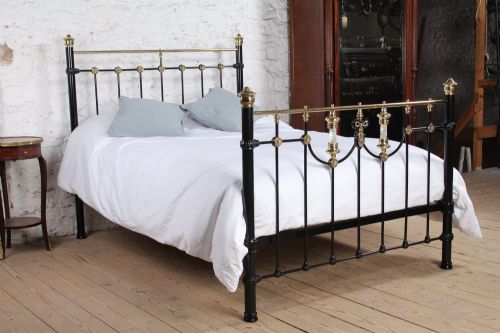
Metal frames combine cast iron and wrought iron with spun brass mounts and rails, sometimes incorporating decorative ceramic or mother of pearl elements. These structural metals provided robust support while allowing for intricate foundry work and ornamental castings.
Several iron and brass beds incorporate delicate mother of pearl inlays to soften industrial metalwork with Victorian decorative charm.
What varies in quality
The distinction between standard output and finer work lies in the crispness of the carving, the selection of figured wood veneers, and the weight of the brass components. Superior examples display thoughtful proportions and harmonious decorative details that elevate them above routine manufacture.
Foundry work on metal frames marks another divide, where finely chased brass fittings and solid casting separate basic utility items from decorative centrepieces. Original components and maker labels further elevate the standing of an individual piece.
Stanley Webb Davies·RW Winfield
The Period Bedstead Glossary
- Four Poster Bed
- A bed with four vertical columns that support an upper canopy or tester. These grand sleeping quarters date back centuries and often feature carved oak or mahogany posts.
- Tester
- The wooden canopy or ceiling positioned above a four-poster bed. It sometimes holds fabric hangings or displays decorative cornices.
- Bedstead
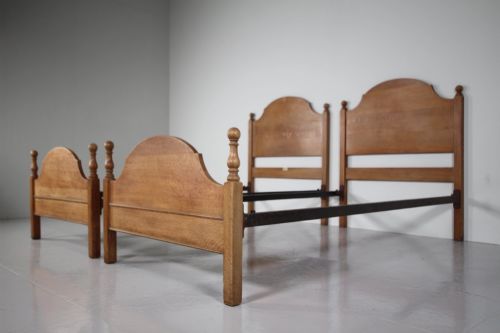
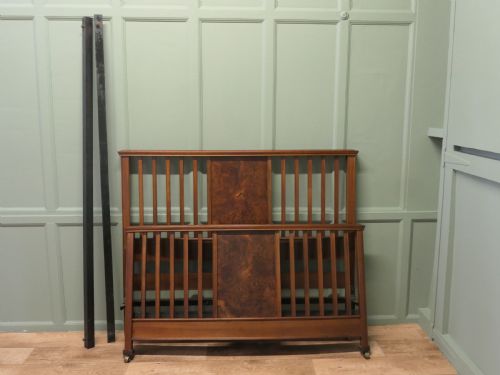
- The framework of a bed, comprising the headboard, footboard, and side rails. This term frequently applies to metal and wood combinations from the Victorian period.
- Half Tester
- A bed with a wall-mounted canopy that extends only partway over the head of the mattress. This style was popular during the Victorian era for smaller rooms.
- Inlay
- A decorative technique where contrasting woods or materials are set flush into the surface of the primary timber. Edwardian single beds often utilise this method on mahogany headboards.
Period Bedstead: Frequently Asked Questions
Will an antique bed take a standard mattress?
Many period frames were made to historical dimensions that differ slightly from modern standard sizing. Careful measurement of the side rails ensures a contemporary mattress fits securely within the antique structure.
Some iron and wooden frames allow for minor adjustments or custom bases to accommodate modern pocket-sprung mattresses without altering the exterior appearance.
How do I assemble an antique bedstead?
Most antique bed frames utilise traditional iron bed bolts or tapered slot-in brackets that lock the side rails to the headboard and footboard. Assembling the structure requires a matching spanner and two people to keep the frame square.
Checking that the diagonal measurements match ensures the bed is completely square before tightening the fixings and laying down the supportive slats.
Can I dismantle a four-poster bed?
Four-poster beds are designed to be taken apart into manageable sections including the headboard, footboard, tester frame, and four upright posts. Pegs and concealed bolts hold the heavy woodwork together safely.
Keeping the original numbered wedges and fixings organised during disassembly ensures the canopy aligns correctly when reassembled in a new room.
How do I care for brass and iron beds?
Iron and brass components require gentle dusting with a dry cloth and occasional cleaning with appropriate metal care products to maintain their lustre. Avoiding harsh chemical cleaners preserves the historic lacquer or patination on the brass.
Checking the stability of the joints periodically keeps the metal frame secure and prevents undue stress on the decorative castings.