




English Canopy Bed
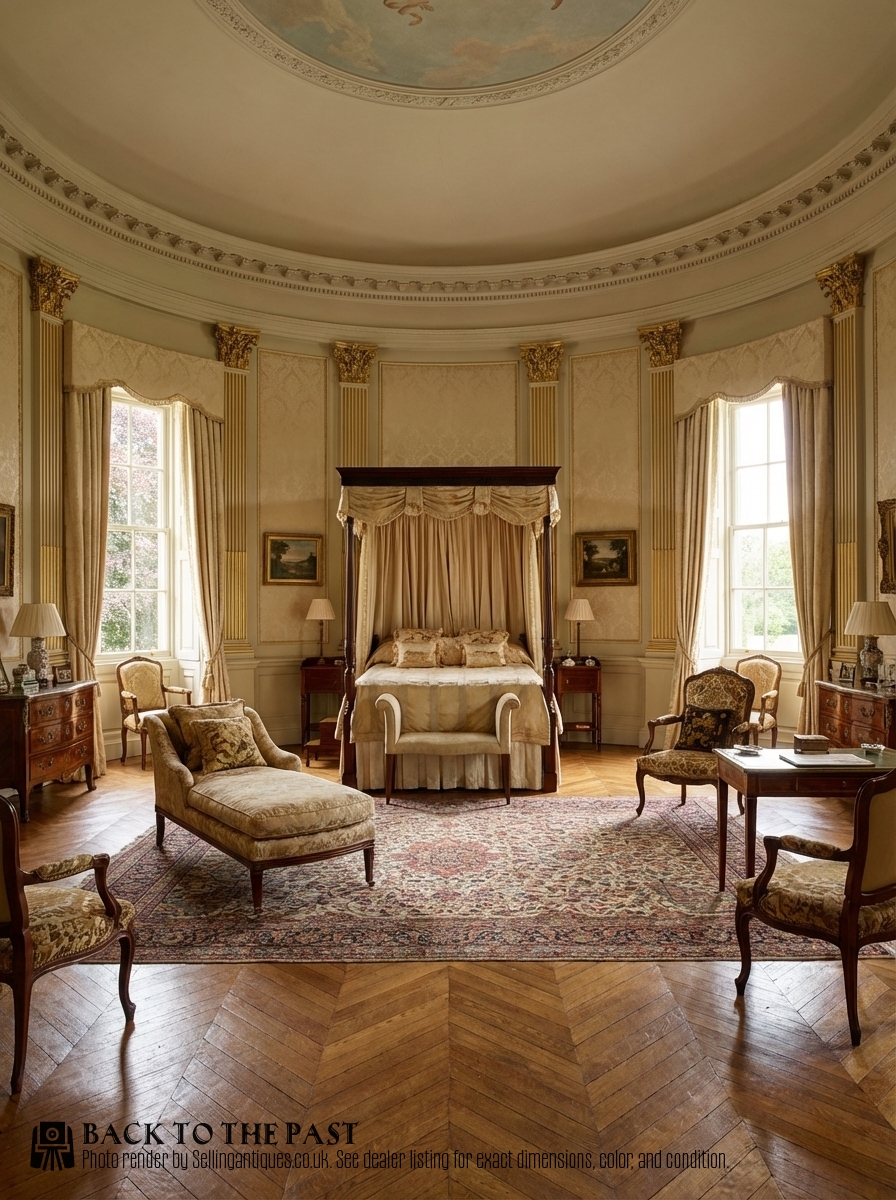
An english canopy bed brings monumental scale and architectural presence to a bedroom, offering a timber framework that encloses the sleeper in handcrafted heritage.
English Canopy Bed
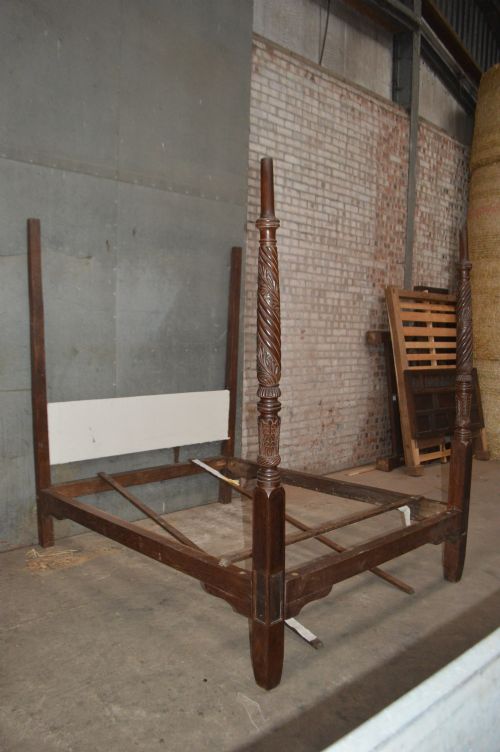
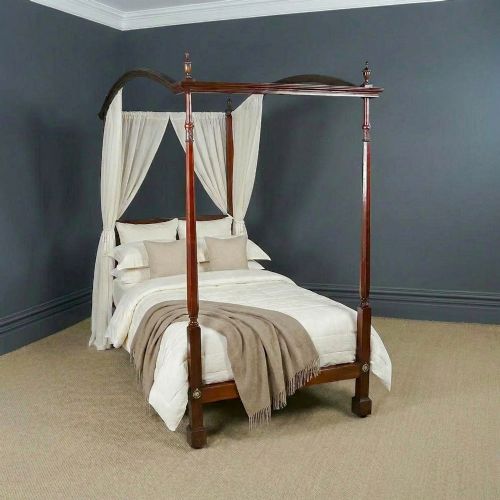
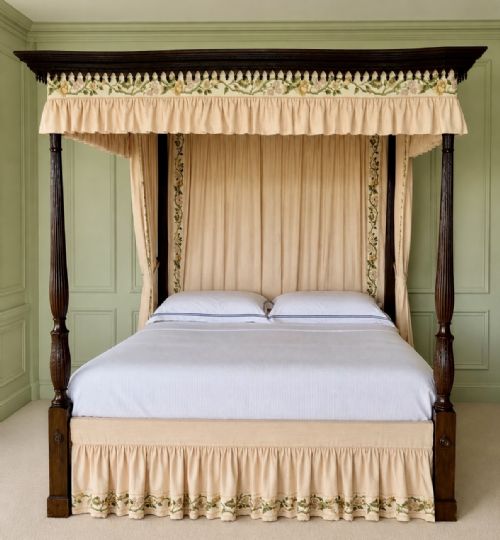
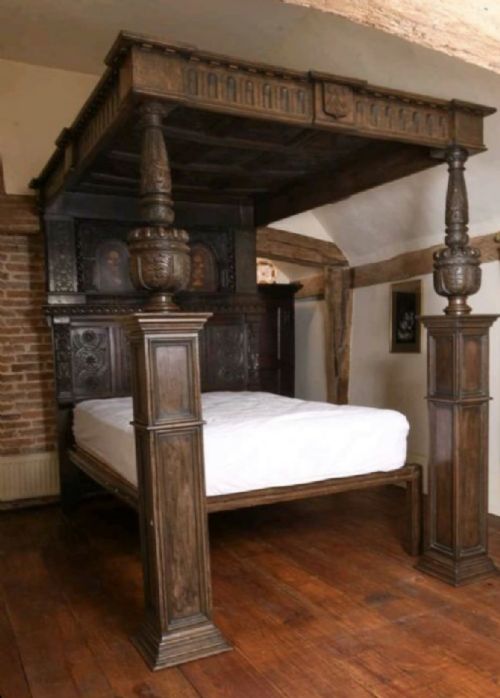
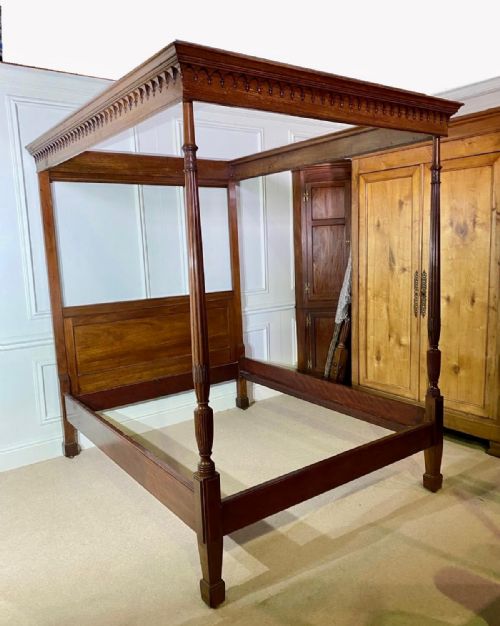
When you search for an english canopy bed, you encounter substantial sleeping furniture defined by upright posts supporting an overhead wooden tester or frame. These historic forms provide a commanding presence that anchors a traditional room.
The versions most commonly met on this page span several centuries, reaching from the robust timber work of the seventeenth century through the refined proportions of the Georgian and Regency eras up to Edwardian interpretations.
Makers constructed these frames in various formats, ranging from single sizes up to super king proportions, utilising woods like oak, mahogany, and fruitwood to build enduring bedchambers.
How they were made
Cabinet makers built these frames primarily using solid timbers such as oak and mahogany, often combining structural elements with fruitwood inlay for decorative contrast. Craftsmen shaped upright posts and overhead testers with hand tools, applying paint finishes or relying on the natural grain of the timber.
Upholstery played an integral role in historical construction, with fabric and upholstered fabric integrated into the tester and surrounding tester frames to soften the architectural framework.
Listings feature oak, mahogany, and fruitwood across periods ranging from the seventeenth century through the Regency era to Edwardian reinterpretations.
What varies in quality
The distinction between tiers of quality rests upon the sophistication of the timber selection and the depth of hand-carved detail applied to the posts and cornices. Finer examples display harmonious proportions and superior joinery that reflect the aesthetic ambitions of their period.
Simpler vernacular pieces rely on honest construction with plain oak timbers, whereas high-status pieces from the George III or Regency periods exhibit refined mahogany surfaces and meticulous decorative inlay.
Heals of London
The English Canopy Bed Glossary
- Tester
- The flat wooden canopy or ceiling suspended above a four-poster bed. It crowns the structure and often carries carved moulding or fabric hangings.
- Four poster bed
- A bed with four vertical posts supporting an upper frame. These posts anchor the monumental design of the sleeping quarters.
- Fruitwood inlay
- Decorative wood pieces set flush into a contrasting timber background. Craftsmen utilised this technique to introduce lighter tones and patterns into dark oak surfaces.
- Super king
- A modern mattress designation applied to grand historic proportions. Large frames accommodate these expansive dimensions while retaining period integrity.
English Canopy Bed: Frequently Asked Questions
How do I identify a seventeenth century bed?
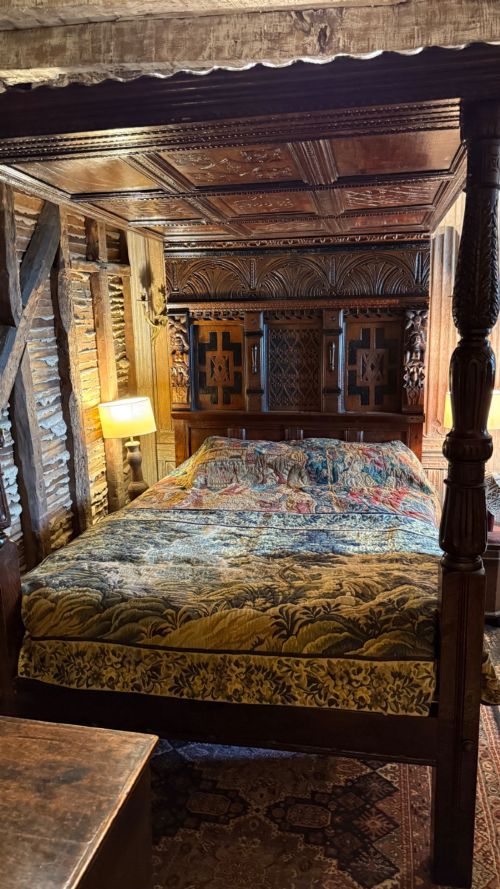
Seventeenth century examples typically feature heavy oak construction with dark patination and geometric panel work. The posts often display robust turning rather than the refined carving seen in later periods.
Fruitwood inlay and pegged joinery further indicate seventeenth century craftsmanship, distinguishing these early pieces from Regency or Edwardian revivals.
Can I assemble these beds easily?
Assembly requires patience and often professional assistance due to the heavy timber components and large tester frames. Historic joinery relies on pegged joints and bolts that demand careful alignment.
Working with experienced installers ensures the monumental structure stands securely without damaging the antique wood or decorative mouldings.
How do I care for antique timber?
Maintenance involves keeping the wood away from direct heat sources and sudden temperature shifts that cause timber to split. Regular dusting with a soft cloth preserves the natural finish without building up heavy wax layers.
Upholstered fabric elements require gentle vacuuming and protection from direct sunlight to prevent fading across the canopy and hangings.