


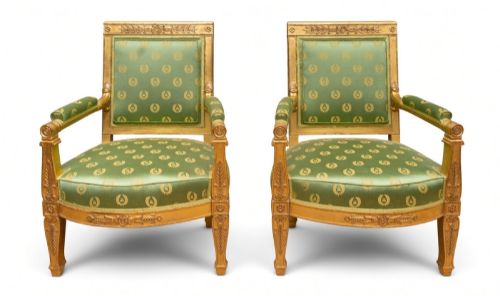
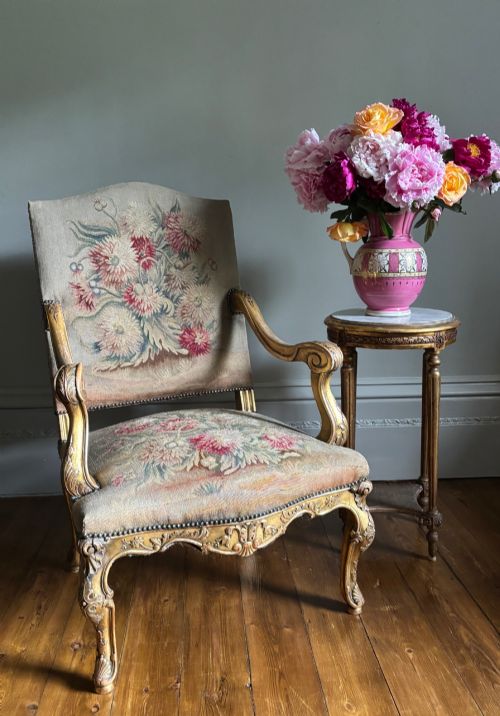
Period Accent Chairs
Period accent chairs bring historic character to a room, offering distinct regional forms and traditional craftsmanship built to last.
Period Accent Chairs
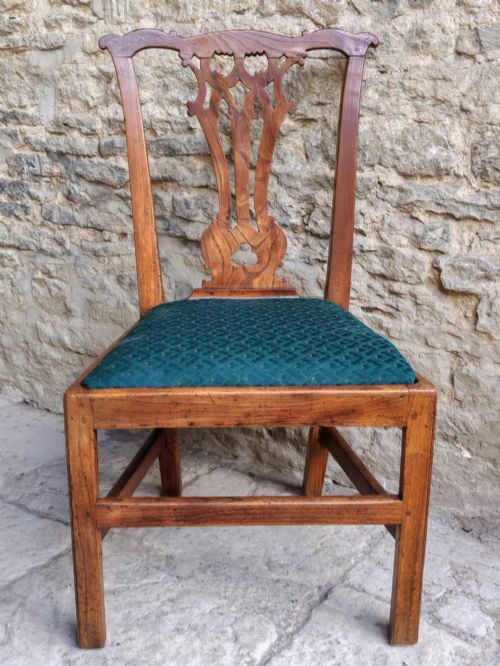
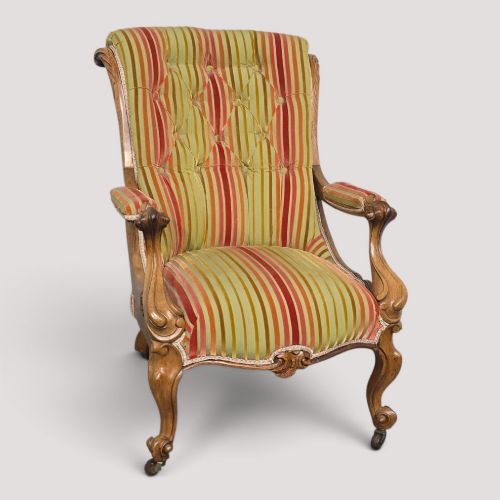
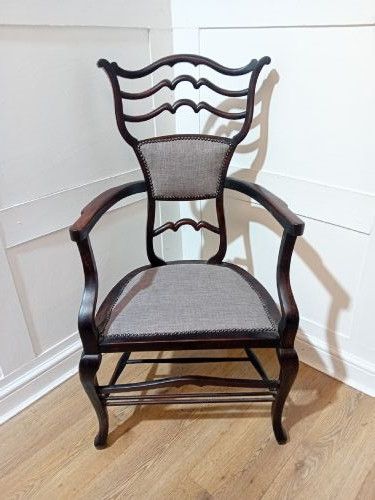
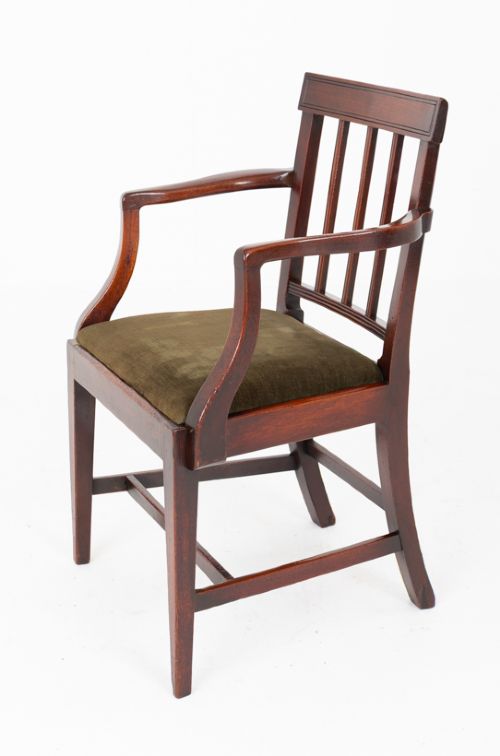
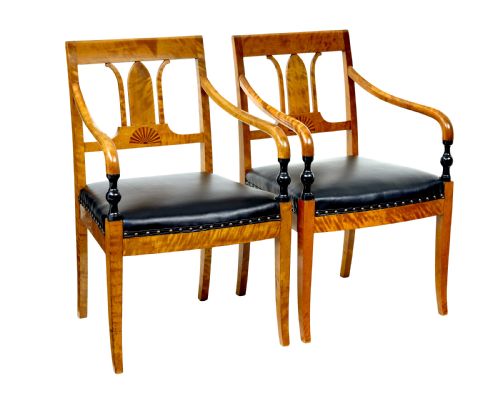
When searching for period accent chairs, buyers examine seating spanning the seventeenth century through to the early twentieth century, including Georgian, Regency, and Victorian eras. These seating options encompass armchairs, library chairs, salon chairs, and side chairs utilised for specific domestic tasks.
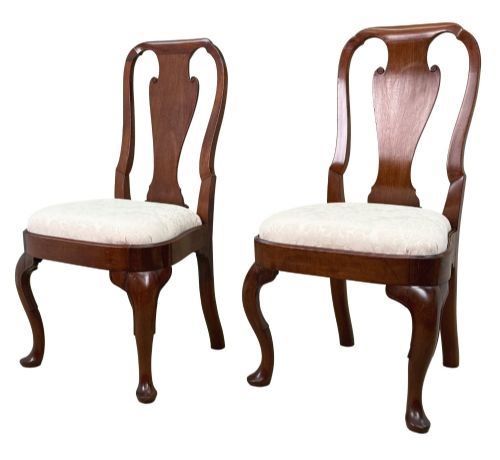
The selections available range from early English oak wainscot armchairs and walnut Queen Anne designs to mahogany Gainsborough chairs and French giltwood bergères. Buyers most frequently encounter eighteenth-century mahogany or walnut examples alongside nineteenth-century painted salon chairs and cane seat designs.
Materials and construction methods
Cabinetmakers and joiners constructed these frames using dense hardwoods such as mahogany, walnut, oak, birch, and fruitwood, often selecting timber for both structural integrity and decorative grain. Workshops employed traditional joinery techniques, combining mortise and tenon joints with careful hand-carving for foliage, scrolls, and gadrooning.
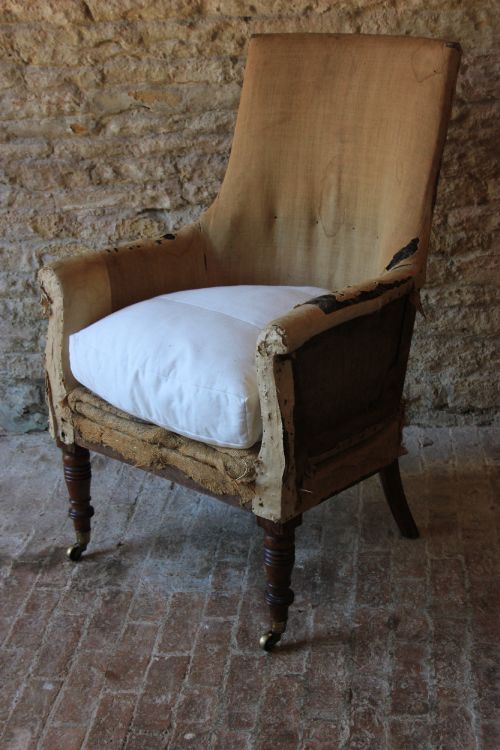
Upholstery methods utilised natural stuffings held by webbing and canvas, finished with leather, velvet, tapestry, or printed textiles fastened with decorative tacks. Giltwood and painted surfaces received layers of gesso and gold leaf or pigments, while seating surfaces frequently incorporated woven cane or rush.
Listings feature seating across multiple centuries, spanning seventeenth-century oak wainscot frames to twentieth-century Art Deco birch armchairs.
Distinguishing quality in older seating
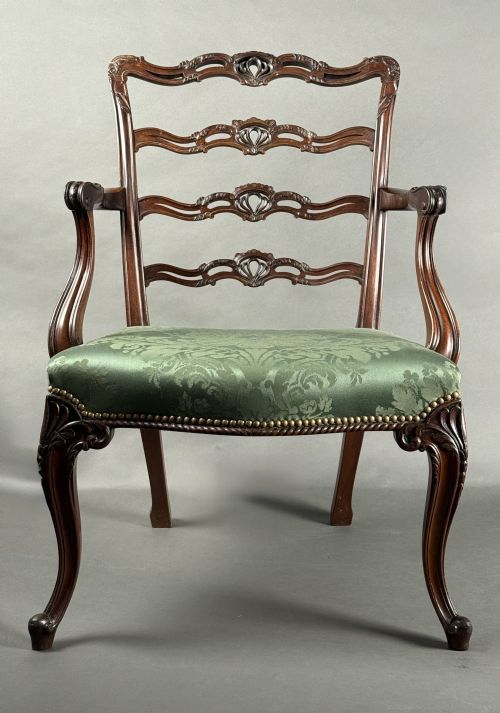
The standard of carving and timber selection dictates much of the distinction between ordinary production and finer workshop output. Crispness in carved details, such as cabriole legs, ball and claw feet, or reeded frames, demonstrates the skill of the original maker.
Integrity of the timber frame, minimal replacement of structural components, and survival of original surface patination or gilding separate well-preserved pieces from heavily restored examples. The harmony between frame proportions and upholstery application further marks superior execution.
Charles Tozer·Jacob-Desmalter
The Period Accent Chairs Glossary
- Bergère
- An enclosed upholstered armchair with wooden framing exposed around the sides and back. These French seats typically feature cane panels or upholstered squab cushions.
- Cabriole leg
- A furniture leg that curves outward in a convex arc at the knee and tapers inward in a concave arc toward the foot. This form derives from animal limbs and frequently terminates in pad or claw feet.
- Fauteuil
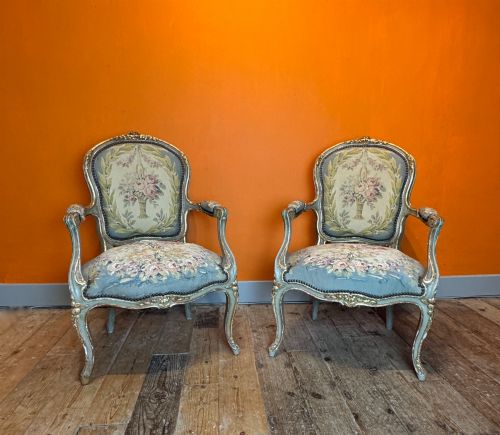
- An open-arm armchair originating in France with exposed wooden arms and upholstered back and seat. The armrests usually feature padded elbow rests.
- Wainscot chair
- An early heavy wooden armchair constructed primarily of oak using panel-back joinery methods. These sturdy seats date largely to the seventeenth century.
- Gainsborough chair
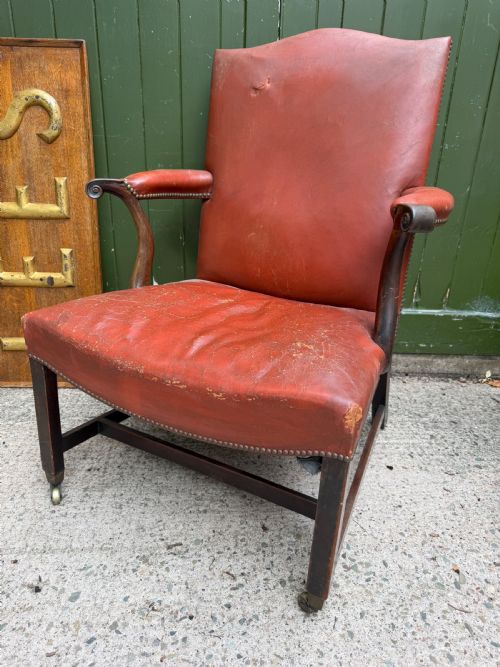
- A wide-seated mahogany library armchair with low padded arms and an open frame designed for eighteenth-century gentlemen. They are traditionally upholstered in leather.
Period Accent Chairs: Frequently Asked Questions
What defines a period accent chair?
These seats are historic chairs produced during recognised design eras such as the Georgian, Regency, or Victorian periods. They serve as decorative and functional items within a room.
Constructed from traditional timbers like mahogany, walnut, or oak, they carry the distinct decorative motifs and construction methods of their specific century of manufacture.
How do I identify a Georgian chair?
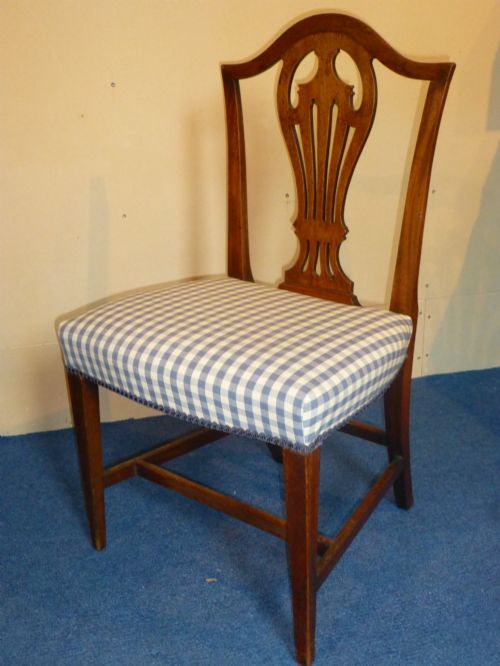
Georgian chairs generally display mahogany or walnut construction, often featuring characteristic elements like cabriole legs, carved splats, or upholstered arms. The styles range from simple side chairs to large library armchairs.
Examining the timber type, joinery beneath the seat, and carved details helps distinguish eighteenth-century pieces from later reproductions.
Where should I place a salon chair?
Salon chairs work well in living rooms, bedrooms, or hallways as decorative seating that adds historic contrast to modern interiors. Their lighter frames make them easy to reposition.
Because many feature delicate painted finishes, parcel gilding, or upholstered tapestry, placing them away from direct sunlight preserves the textiles and surfaces.
What is the difference between a side chair and an armchair?
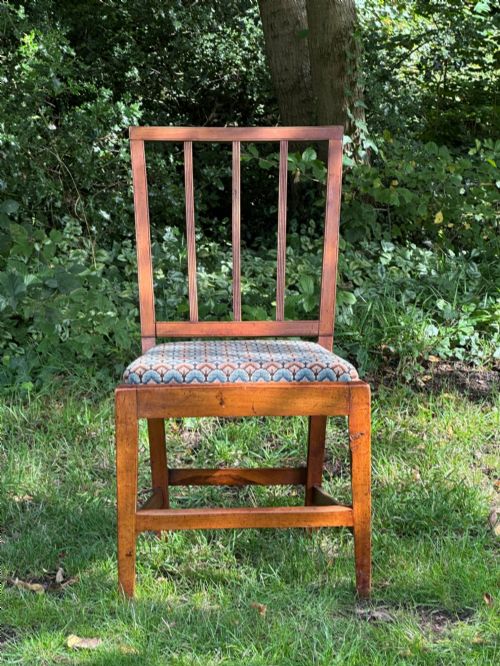
Side chairs lack armrests and were traditionally designed to stand against walls or fit around dining tables when not in use. Armchairs include structural supports for the arms and offer more enclosed seating.
Armchairs in period settings frequently served as desk chairs, library chairs, or nursing chairs depending on their height and upholstery style.