



Pedestal Stone Urn Planter
These pedestal stone urn planter pieces bring classical garden stature to outdoor spaces, combining robust plinths with ornamental vessels for planting.
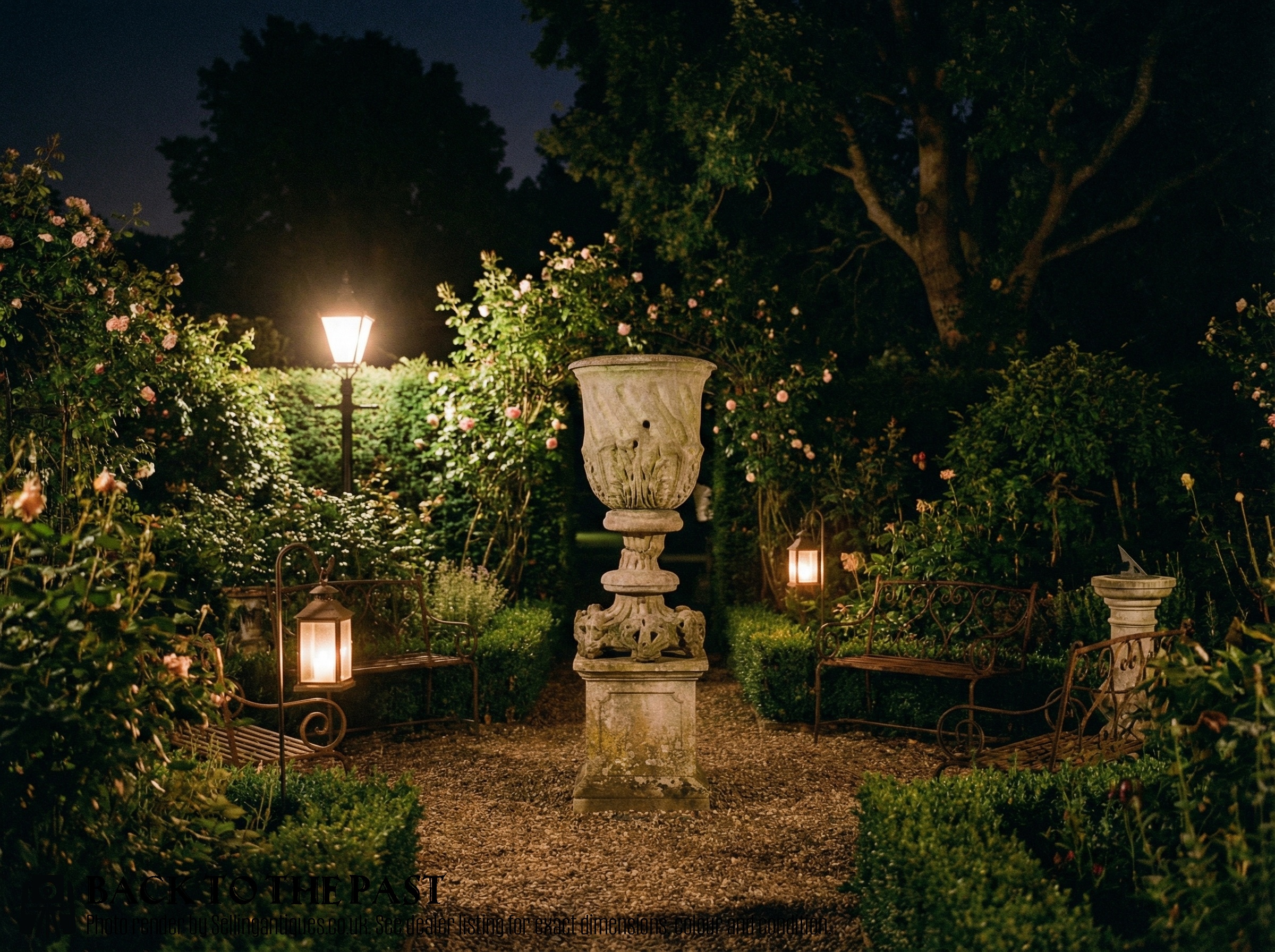
Pedestal Stone Urn Planter
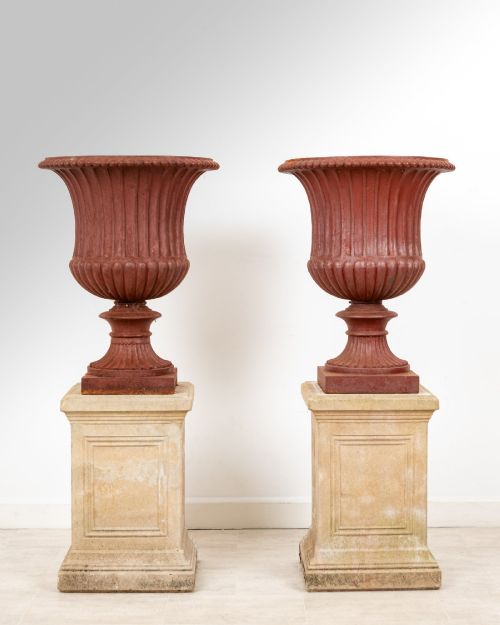
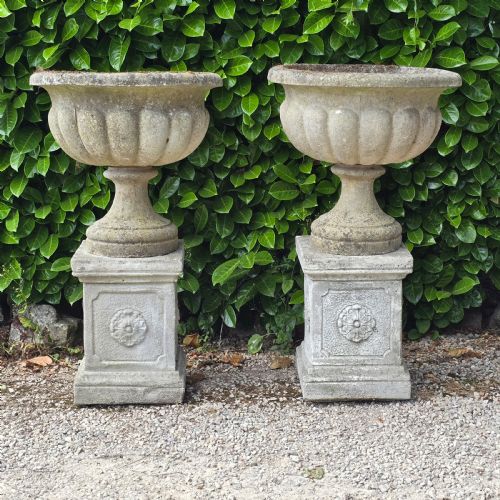
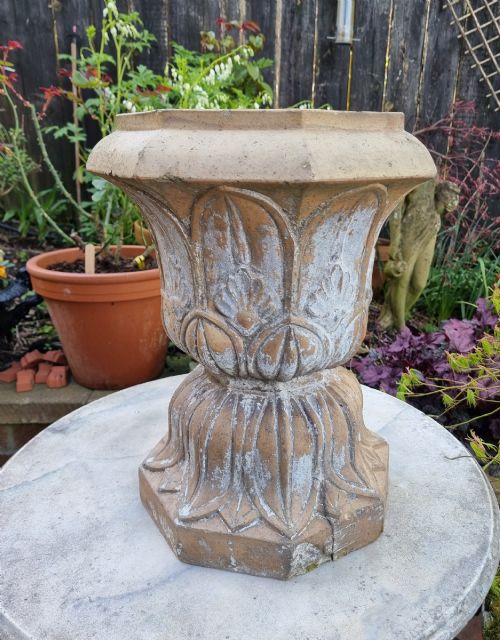
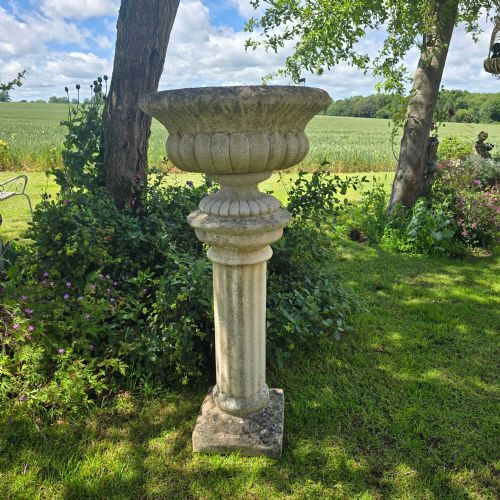
When searching for a pedestal stone urn planter, buyers encounter substantial garden ornaments designed to elevate greenery and floral displays. These objects pair a bowl or campana vessel with a matching base, plinth, or pedestal.
The selections span multiple eras, with the nineteenth century heavily represented alongside Edwardian and Georgian examples. Forms range from classical campana shapes to tazza urns and multi-sided vessels.
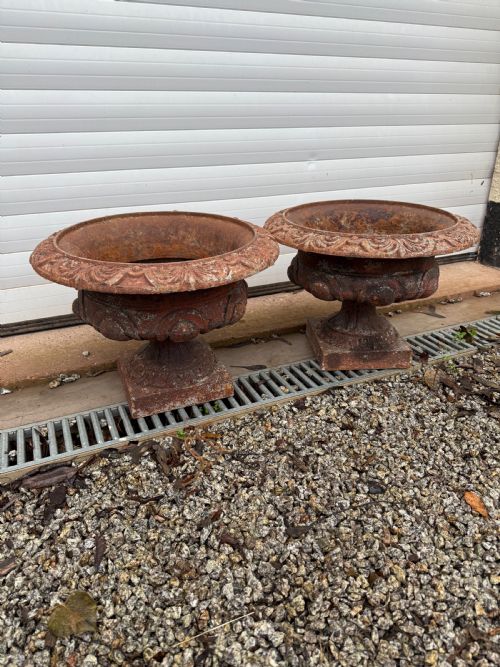
Most pieces function outdoors as focal points in gardens, terraces, and courtyards. They appear singly or as matched pairs, often bearing natural weathering from decades exposed to the elements.
Materials and construction methods
Maker construction relies heavily on casting techniques using durable aggregates like cast stone, reconstituted stone, and composite stone. Traditional metal forms utilise cast iron, while earthenware examples employ terracotta and salt-glazed ceramic.
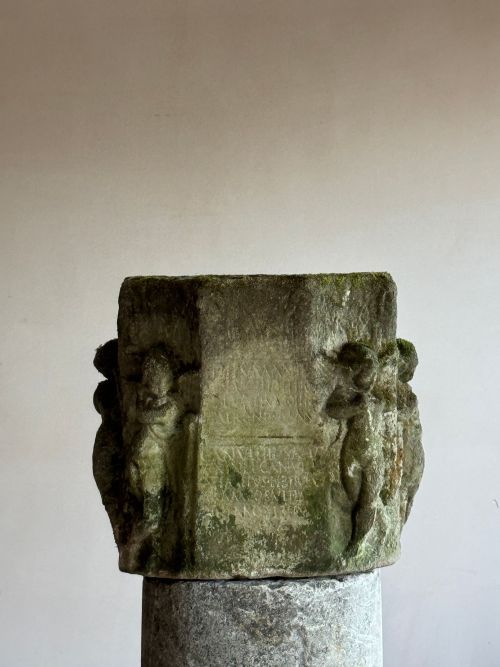
Carved pieces display direct hand-chinquing in limestone, marble, and other natural stones. Surface finishes often include historical paint layers and natural patination built up through weathering.
Periods represented span from the eighteenth century through Regency, Victorian, and Edwardian eras up to nineteen-thirty.
What separates examples
Quality rests in the crispness of moulded or carved details, such as acanthus leaf motifs, fluting, and classical friezes. Finer examples retain sharp relief work rather than softened contours.
The integrity of the material and the character of the weathering also define the tier of a piece. Sound structural mass combined with organic, undisturbed surface patination elevates the standing of an urn.
Andrew Handyside
The Pedestal Stone Urn Planter Glossary
- Campana urn
- A bell-shaped garden vessel with a flared rim and footed base. This form originates from classical antiquity and dominates nineteenth-century designs.
- Plinth
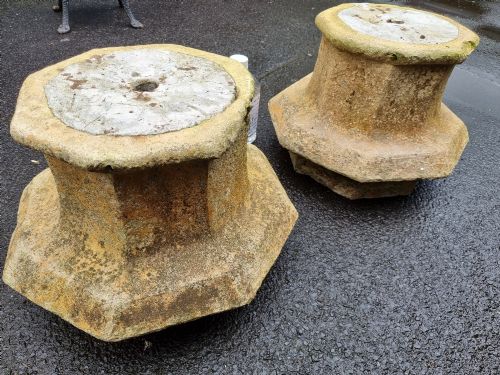
- A heavy rectangular or square block serving as a base for a statue, urn, or column. It lifts the planting vessel off the ground.
- Terracotta
- Fired clay used for garden vessels, valued for its warm earthy tones and porous nature. It develops a distinct weathered surface over time.
- Tazza
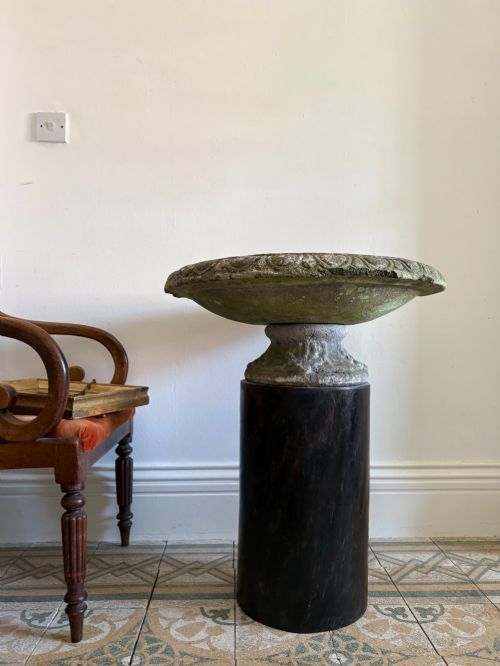
- A shallow cup or bowl on a pedestal, often used in classical garden design for low-profile planting. These pieces frequently appear in pairs.
- Reconstituted stone
- A durable material made from crushed natural stone mixed with a binder to be cast in moulds. It mimics the appearance of quarried stone.
Pedestal Stone Urn Planter: Frequently Asked Questions
How do I secure an urn to its plinth?
Most heavy stone and cast iron urns rely on their own substantial weight and gravity to remain stable on top of a pedestal. Some larger pieces utilise a central metal dowel or mortar for extra security in windy locations.
Positioning the base on a level, compacted surface prevents shifting or settling over time. Checking the weight distribution ensures the vessel sits securely without rocking.
Can these garden urns stay outside in winter?
Cast iron, stone, and composite stone pieces generally tolerate winter weather well, developing an attractive weathered patina. Terracotta and certain ceramics require more care because trapped moisture can freeze and crack the fired clay.
Emptying damp soil or placing insulating material inside vulnerable pots during hard frosts protects the material. Raising vessels slightly off the ground on pot feet also stops water from freezing at the base.
Are these planters supplied with drainage holes?
Many traditional garden urns feature a central drainage hole cast or drilled into the bottom of the bowl. This prevents waterlogging and protects plant roots from rot during heavy rainfall.
Older carved stone or cast pieces without original holes sometimes require careful drilling by a specialist. Adding a layer of gravel at the base aids water movement before adding soil.
How do I clean historic stone and iron safely?
Gentle washing with warm water and a soft brush removes accumulated dirt and organic matter without harming the surface. High-pressure washers can erode soft stone, terracotta, and historical paint layers.
Harsh chemical cleaners strip away desirable patination and weathering. Preserving the aged appearance maintains the historical character of the piece.