




Vintage Stone Urn Planter
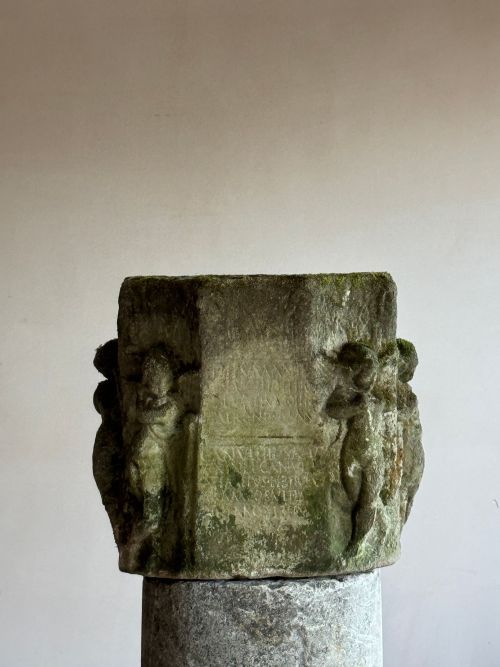
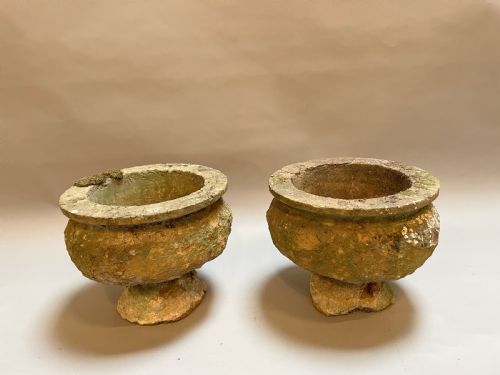
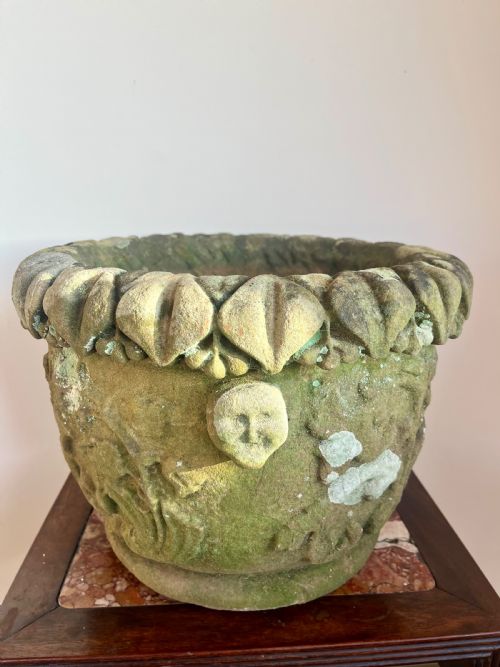
These vintage stone urn planters bring classical presence to gardens, offering sturdy receptacles for planting that age with character over decades outdoors.
Vintage Stone Urn Planter
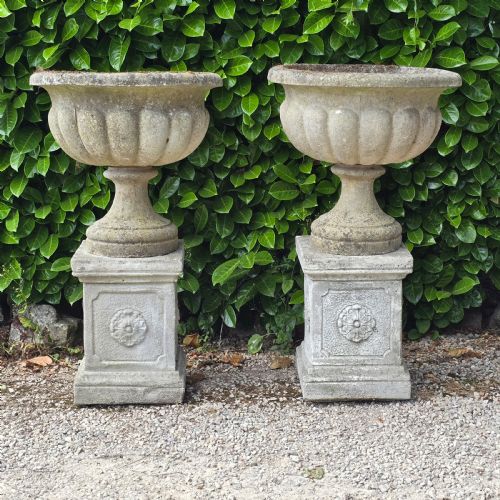
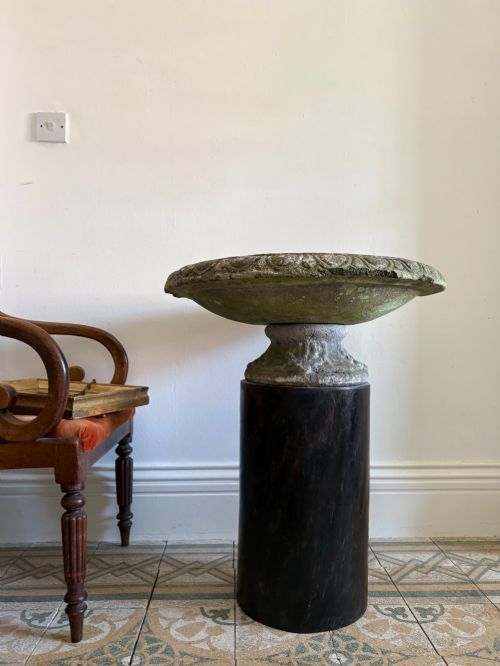
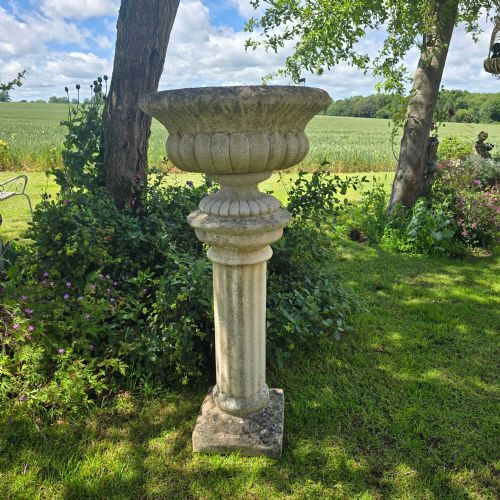
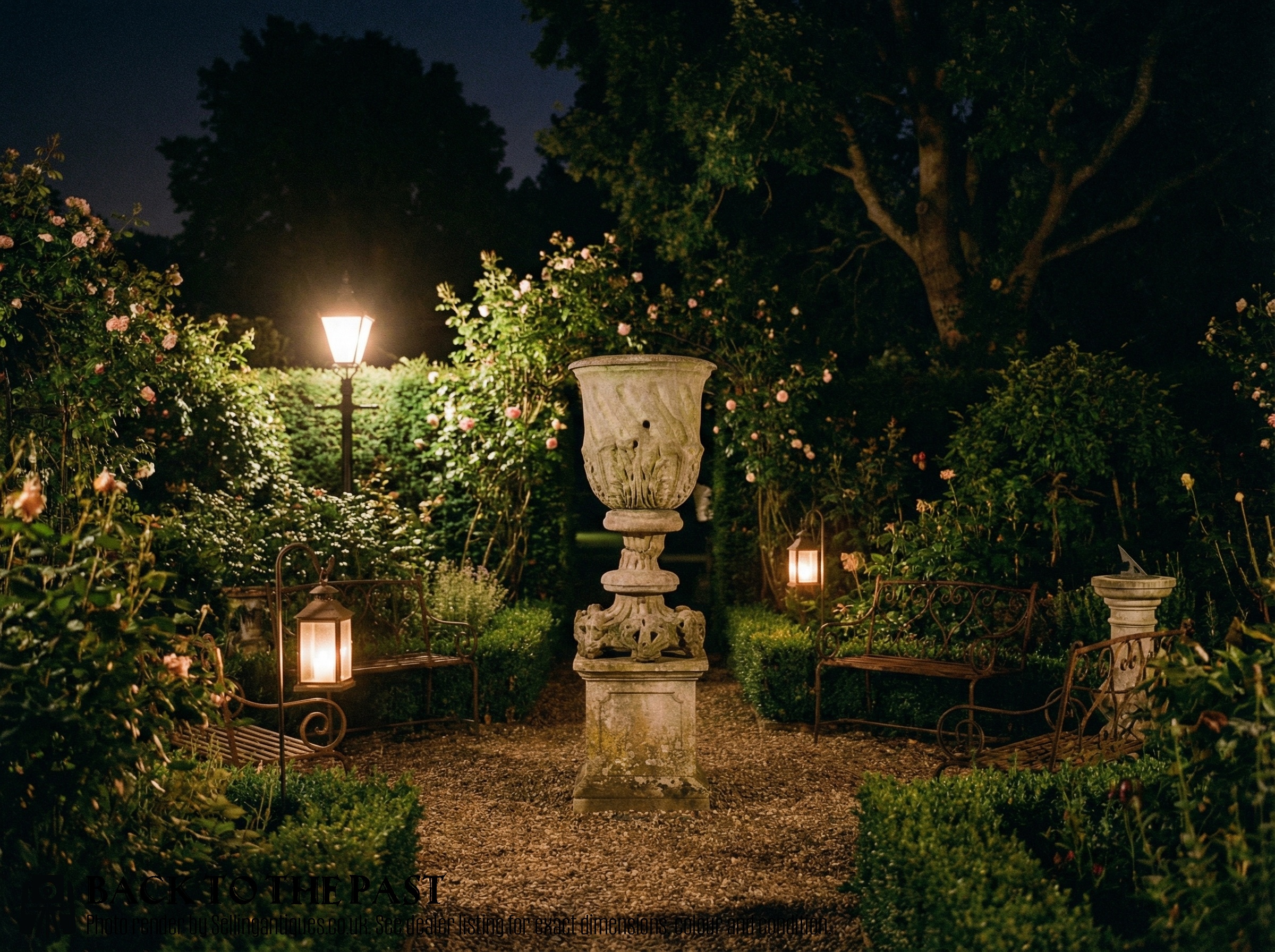
A vintage stone urn planter is typically designed in traditional campana or classical shapes to hold plants and ornament garden spaces. These pieces draw on neoclassical and Victorian design traditions, often appearing as matched pairs or mounted upon dedicated pedestals and plinths.
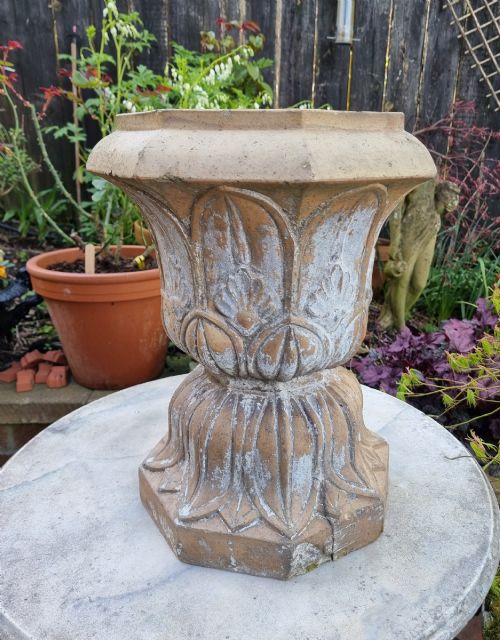
The selection ranges from robust 19th century examples in limestone and terracotta to early 20th century cast stone and reconstituted stone variants. Buyers frequently encounter weathered finishes that show decades of exposure to the elements.
Materials and construction methods
Makers utilised durable natural media including limestone, marble, and soft stone, shaping them through carving or casting. Cast stone and reconstituted stone pieces emerged later, employing moulds to replicate the heavy profiles of carved masonry.
Terracotta and stoneware compositions were fired to withstand outdoor conditions, sometimes featuring hand-carved details on handles and rims. Cast iron alternatives also appear alongside stone, mirroring the classical silhouettes established by masonry traditions.
One extraordinary listed planter incorporates reclaimed stone salvaged directly from the Houses of Parliament after damage sustained during the Blitz.
Distinctions in quality and finish
Quality rests upon the crispness of the original modelling and the depth of the carving, where hand-carved stone details display greater individuality than moulded pieces. The harmony of proportions between the urn bowl and its base dictates visual balance.
Surface patination plays a significant role, with natural weathering enhancing the material rather than obscuring its form. Intact drainage holes, structural soundness, and well-matched pairs command particular attention from knowledgeable buyers.
Andrew Handyside
The Vintage Stone Urn Planter Glossary
- Campana urn
- A bell-shaped garden vessel with an everted rim and a flared body, widely used since antiquity. This silhouette forms the basis of many traditional garden planters.
- Cast stone
- A refined building product manufactured from concrete masonry mixtures, designed to emulate natural cut stone. It allows for consistent replication of classical ornament.
- Reconstituted stone
- A composite material made from crushed stone bound with a matrix, shaped in moulds. It provides the appearance of quarried stone with high durability.
- Patination
- The surface alteration and mellowing acquired by materials through age and exposure to weather. Good patination shows natural lichen growth and softening of edges.
Vintage Stone Urn Planter: Frequently Asked Questions
How do I clean an old stone planter?
Gentle washing with water and a soft brush preserves the accumulated weathering and lichens that give these pieces character. Avoid harsh chemical cleaners or pressure washers which damage fragile historical surfaces.
Allow the stone to dry naturally after cleaning. Regular maintenance is rarely required beyond clearing debris from drainage holes.
Are these planters frost proof for winter?
Most dense stone, cast iron, and high-fired terracotta vessels withstand winter conditions well if drainage remains unobstructed. Standing water freezing inside the bowl can cause cracking in porous materials.
Raising planters slightly off the ground on feet or blocks prevents water retention at the base during freezing weather.
Can I leave them planted all year?
Perennials and hardy shrubs thrive in these substantial vessels throughout the seasonal cycle. Ensuring adequate soil depth and proper drainage protects both the plants and the vessel integrity.
Heavier specimens remain stable in high winds, making them suitable for permanent garden positions without relocation.
How do I distinguish cast stone from carved stone?
Carved stone exhibits tool marks and subtle irregularities unique to the hand of the mason. Cast stone often displays uniform texture and tiny surface air bubbles from the moulding process.
Examining the underside and hidden seams usually reveals the manufacturing method employed.