


Pedestal Brass Planter
A pedestal brass planter combines structural height with metallic warmth, housing indoor greenery while elevating plants above the floor.
Pedestal Brass Planter
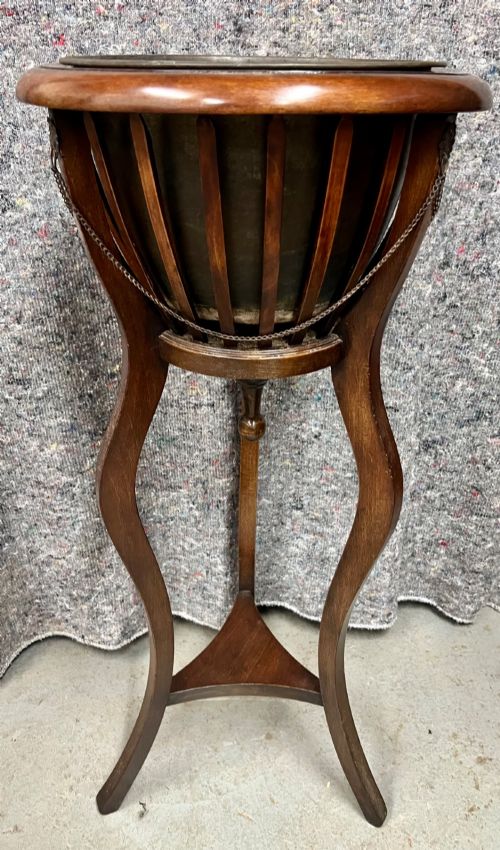
When you search for a pedestal brass planter, you encounter a specialised form of jardinieres and plant stands designed to display foliage at eye level. These pieces incorporate metal vessels supported by raised stands, drawing upon a mix of Victorian, Georgian, and Edwardian design traditions.
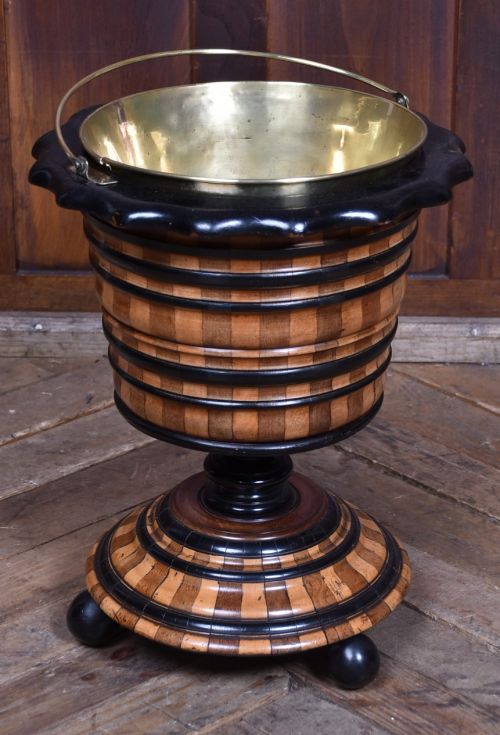
The objects span varied configurations, from dedicated plant stands with brass liners to coopered wooden barrels banded in metal and distinct vessels like peat buckets or tea stoves adapted for botanical display. Many examples pair the metallic bowl with timber supports, creating balanced proportions suited to domestic interiors.
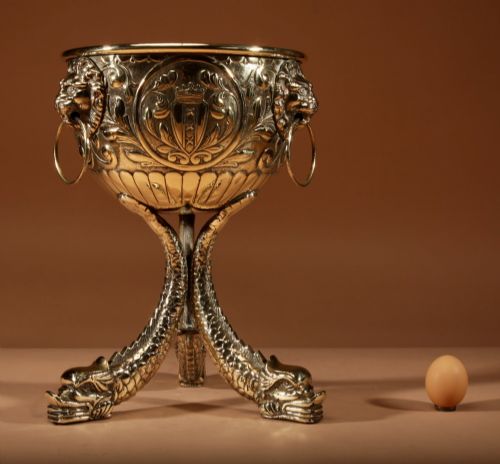
Origins stretch across multiple periods, including the nineteenth century and the early twentieth century, reflecting shifting domestic tastes in plant display. Pieces range from simple pressed brass bowls on stands to ornate embossed dinanderie vessels and Dutch Empire style buckets.
Materials and construction techniques
Construction relies upon the combination of metalwork and cabinet-making, uniting brass or copper components with structural timbers such as mahogany, oak, walnut, and ebonised wood. Metal vessels are formed through casting, pressing, or embossing, creating textured or polished surfaces to hold plants securely.
Timber elements employ traditional joinery methods, including coopered staves bound with brass hoops, box tree inlays, and turned pedestal supports. Many vessels feature removable metal liners designed to protect the surrounding woodwork from moisture.
Several domestic vessels began life warming Dutch feet before retiring gracefully into the botanical trade.
Distinctions in quality and execution
Quality reveals itself in the harmony between the metal vessel and its supporting stand, particularly in the precision of coopered stave construction or the crispness of cast and embossed brass ornamentation. Superior examples maintain structural integrity in both the timber frame and the inner liner.
Artistic execution also separates standard production from finer pieces, visible in detailed decorative work such as Renaissance Revival motifs or Art Nouveau contours. The choice of secondary woods, inlay work, and the original pairing of stand and bowl further distinguish the work.
The Pedestal Brass Planter Glossary
- Jardiniere
- An ornamental pot or stand for holding plants or flowers. These vessels form the primary container component of pedestal plant holders.
- Teestoof
- A traditional Dutch warming vessel or foot stove, frequently adapted in historic interiors to serve as a planter or jardiniere.
- Dinanderie
- A medieval and later Belgian art of brass and copper object production. Items feature intricate beaten or cast decorative patterns.
- Coopered
- Built from wooden staves fitted together and bound with metal hoops, much like a barrel. This method forms the bodies of several wooden planters.
- Peat Bucket
- A deep wooden bucket with metal banding traditionally used for fuel storage. These robust containers often function as large plant holders.
Pedestal Brass Planter: Frequently Asked Questions
What is a pedestal brass planter?
A pedestal brass planter is a decorative container for greenery mounted on a raised stand or base. It combines metal bowls with timber or metal supports to display plants prominently in a room.
These pieces draw on historic forms like jardinieres, peat buckets, and tea stoves adapted for modern botanical use.
How were these planters used historically?
Historically, these vessels held indoor plants, ferns, or floral arrangements to bring nature into formal drawing rooms and parlours. Some variations originated as fuel buckets or warming stoves before finding new life as plant holders.
The inclusion of metal liners allowed them to contain damp soil without damaging the surrounding wooden stands.
How do I care for a brass planter?
Care involves protecting the metal and any integrated woodwork from excessive moisture and standing water. Using a secondary inner pot helps prevent corrosion and water rings on the base.
Gentle dusting maintains the surface sheen of the brass without stripping away the character accumulated over decades.
How do I identify the period of a planter?
Period identification relies on observing the stylistic markers, timber types, and construction methods characteristic of eras like the Victorian or Georgian periods. Details such as pressed brass patterns, coopered oak barrels, or inlaid mahogany provide clear chronological clues.
Comparing the hardware and manufacturing techniques to documented examples helps narrow down the date of production.