





Patterned Pottery Urn
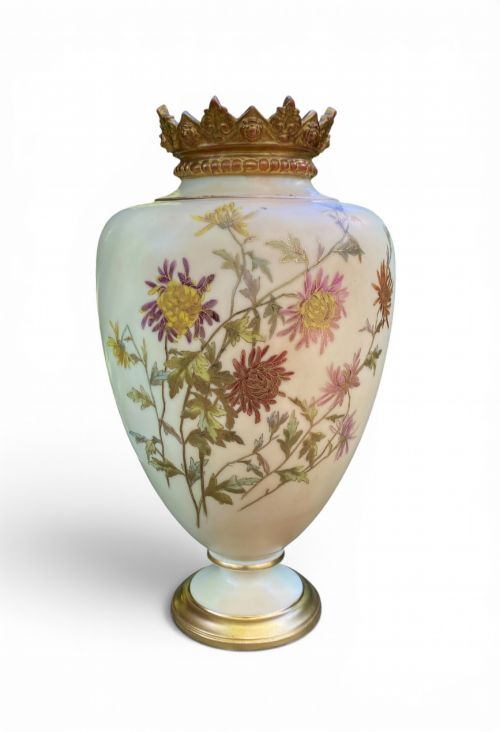
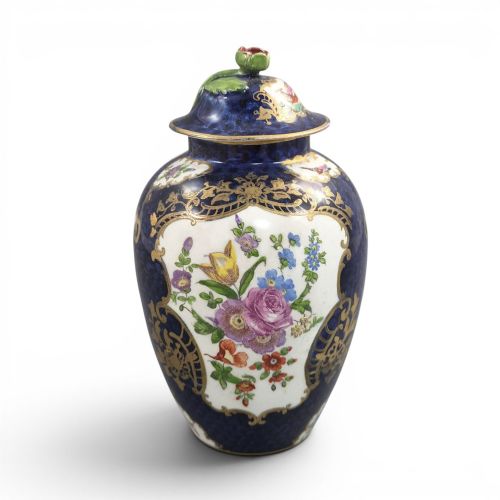
A patterned pottery urn brings vibrant colour and intricate design into a room, spanning periods from the nineteenth century to the art deco era.
Patterned Pottery Urn
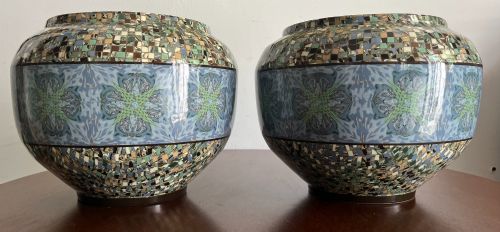
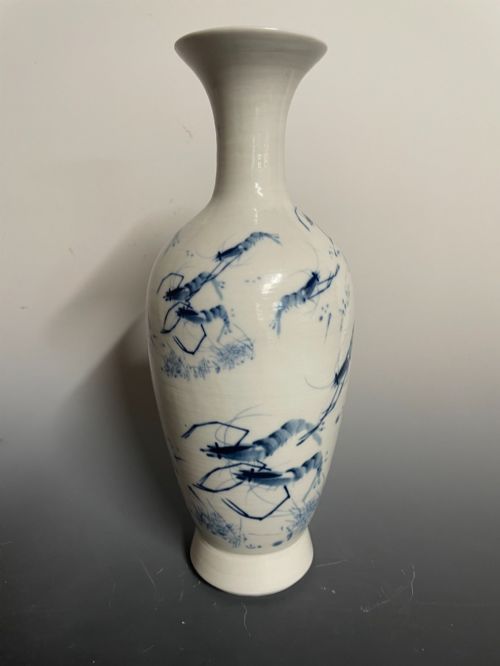
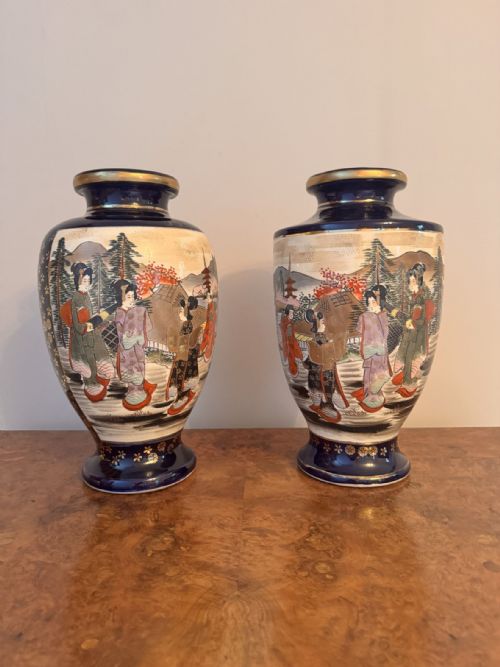
When you search for a patterned pottery urn, you encounter vessels primarily categorized across the listings as vases, decorative vases, and covered jars. These objects originate from diverse workshops and potteries across Britain, Europe, and Japan, reflecting a wide scope of global manufacturing traditions.
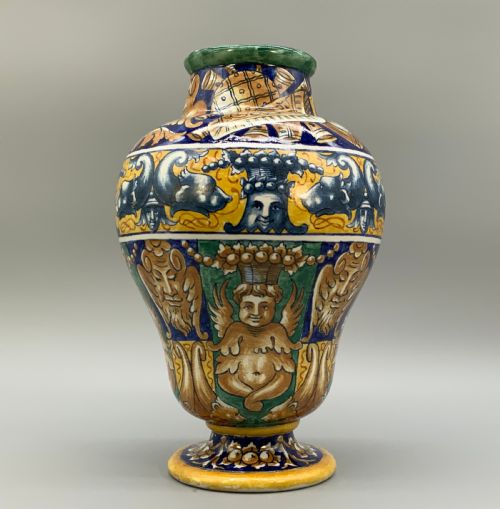
The material composition spans earthenware, ironstone, porcelain, and ceramic, often finished with glaze, enamel, or gold leaf. Styles range from Japanese Imari and Satsuma to Arts and Crafts, Art Deco, and 17th-century revival majolica.
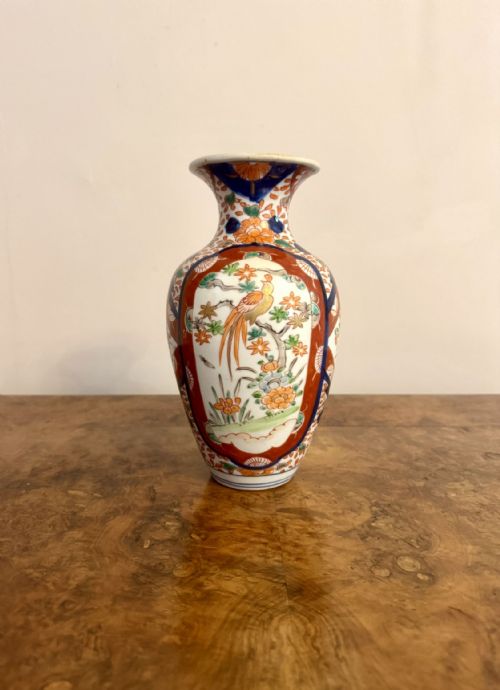
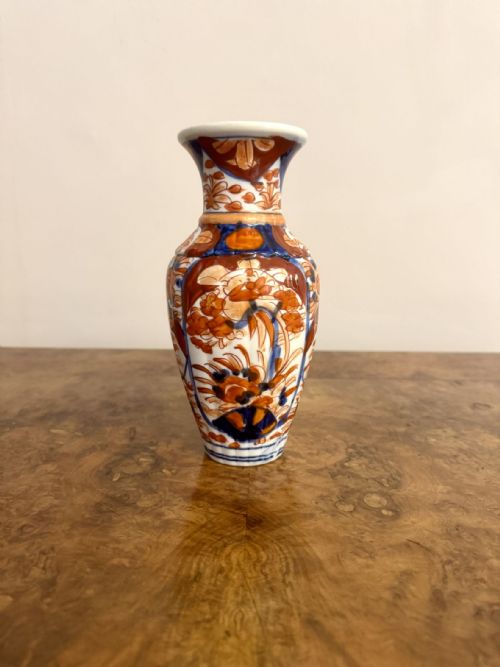
On this page, you will most frequently meet nineteenth-century Japanese Imari pieces alongside British earthenware from the early twentieth century, including Moorcroft and Charlotte Rhead designs.
How They Were Made
Potters shaped these vessels using earthenware, ironstone, and porcelain bodies, applying liquid clay methods or throwing them on a wheel. The base material determined whether the finished vessel possessed a heavy, dense ironstone weight or a delicate porcelain translucency.
Decoration relied on hand-painting, transfer printing, and polychrome glazing, sometimes enhanced with enamel or gold leaf details. Firing techniques fixed these pigments permanently into the surface, creating durable glazed finishes that protected the underlying ceramic body.
Patterned Pottery Urn Retail Price Guide 2026
Typical asking prices for patterned pottery urn among the pieces listed under this phrase on Sellingantiques today, from the lower quarter to the upper quarter. They describe what is for sale here now, not the wider market.
Materials span earthenware, ironstone, and porcelain, finished with glazes, enamels, and gold leaf.
What Varies in Quality
The standard of painting and transfer application dictates the visual impact of each piece, distinguishing hurried production from careful studio execution. Crisp outlines and harmonious colour blending separate finer examples from simpler commercial outputs.
The crispness of the moulded form and the stability of the glaze finish indicate the skill involved during the firing process. Well-preserved gilding and intact enamel work maintain the integrity of the original design.
Wemyss·Moorcroft·Royal Doulton·Royal Crown Derby·Mason’s Ironstone·Spode·Charlotte Rhead
The Patterned Pottery Urn Glossary
- Earthenware
- Porous pottery fired at lower temperatures, typically requiring an impermeable glaze to hold water. It forms the heavy body for many traditional decorative vessels.
- Ironstone
- A dense, durable type of earthenware patented in the nineteenth century to imitate porcelain. It resists chipping and provides a sturdy base for transfer-printed patterns.
- Imari
- A traditional Japanese style of porcelain decoration featuring deep blue, iron-red, and gold pigments. Makers in Europe frequently borrowed these distinct palettes.
- Majolica
- Opaque tin-glazed earthenware decorated with brightly coloured metal oxides. This technique produced vivid polychrome surfaces on revival pieces.
- Faience
- Tin-glazed earthenware produced in Europe, known for smooth decorative surfaces. It supports detailed painted scenes and geometric motifs.
Patterned Pottery Urn: Frequently Asked Questions
How do I identify Japanese Imari urns?
Japanese Imari pieces typically display a strong palette of cobalt blue and iron-red, frequently accented with gold leaf. The motifs often incorporate floral arrangements, landscapes, and traditional textiles.
Examining the base can reveal kiln marks or signatures that help pinpoint the production period within the nineteenth or early twentieth century.
Where should I place these urns at home?
These decorative vessels suit prominent display locations such as sideboards, mantelpieces, or entrance hall tables where their colours and patterns draw the eye. Their solid ceramic or ironstone construction allows them to stand securely on flat surfaces.
Keep them away from areas with heavy foot traffic or direct, harsh sunlight to protect delicate enamel and gold leaf details.
How do I clean ceramic urns safely?
Dust the surface gently with a soft, dry cloth to remove everyday particles without disturbing the glaze. Avoid harsh chemical cleaners or abrasive scouring pads that might scratch the enamel or wear away gold leaf highlights.
If the interior requires cleaning, use a damp cloth rather than submerging pieces that feature delicate earthenware or older repairs.