


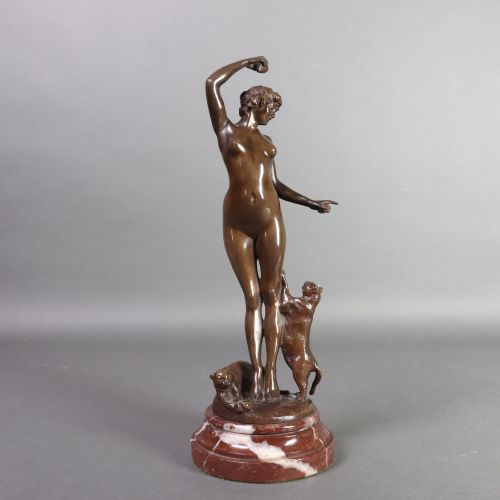
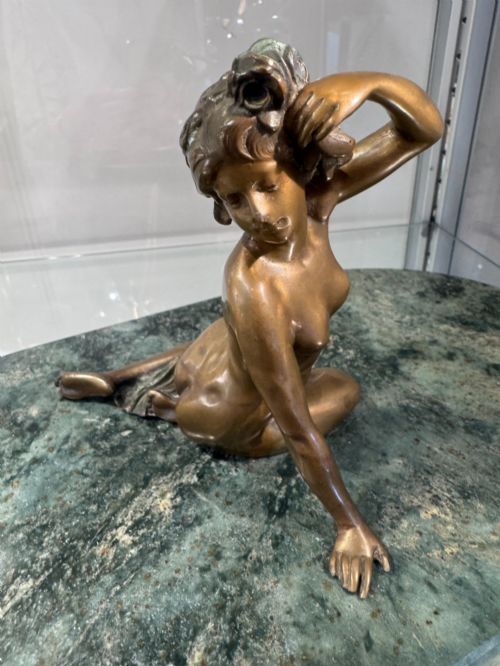
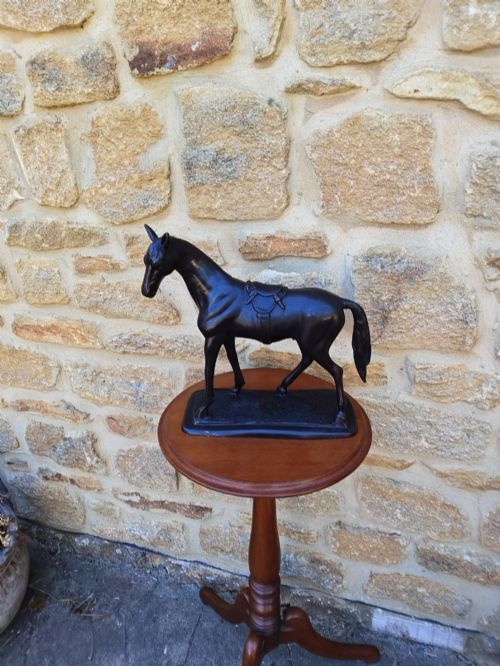
Patinated Metal Sculpture
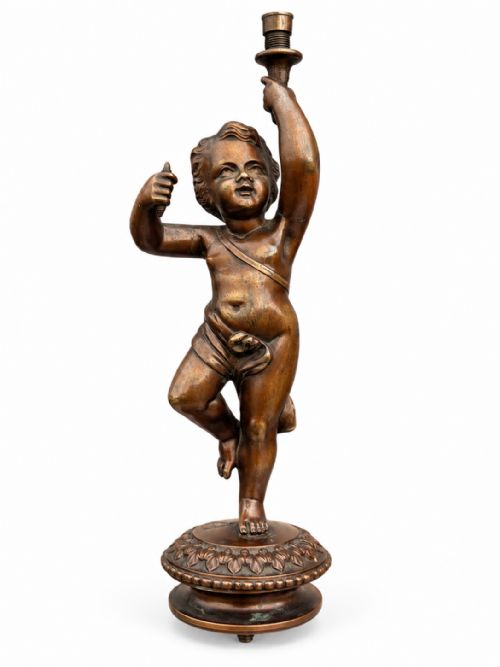
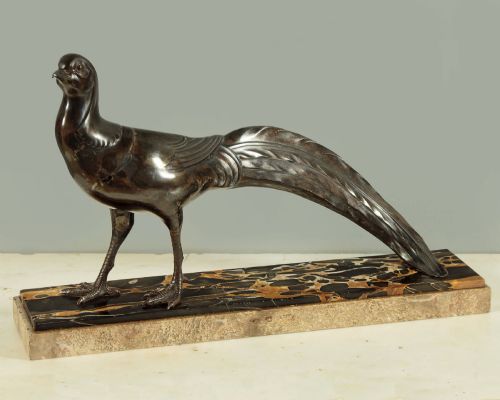
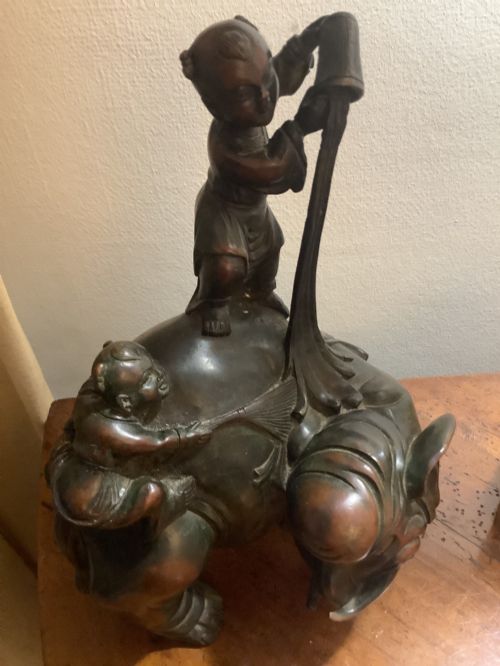
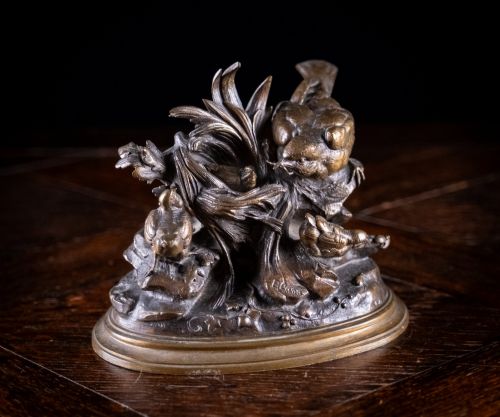
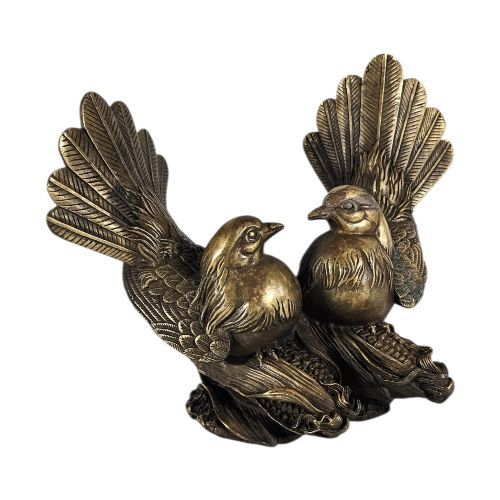
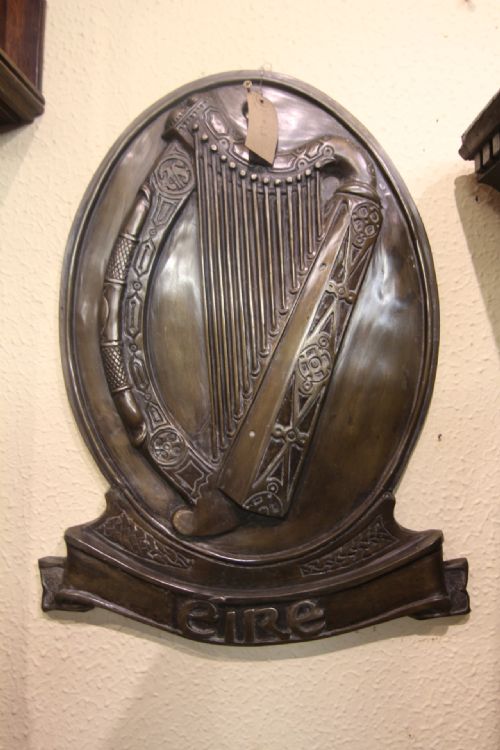
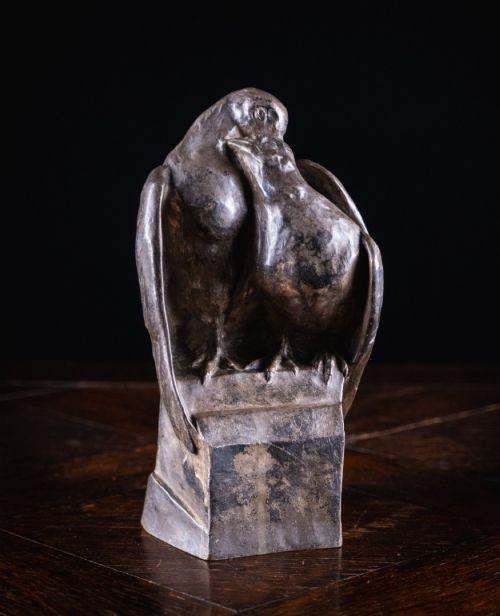
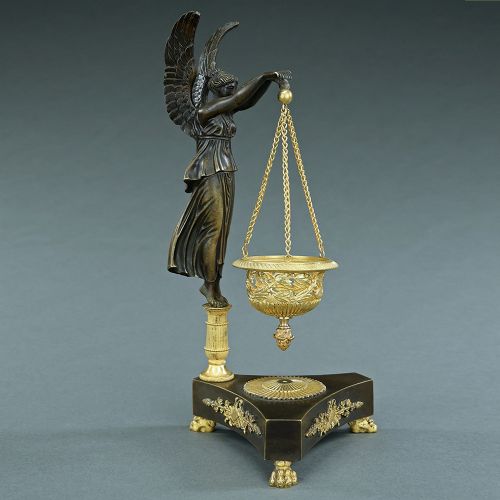
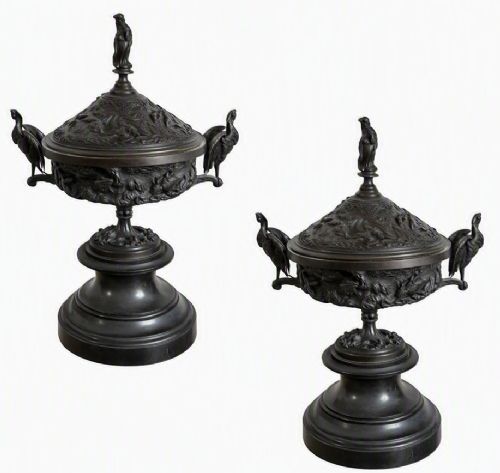
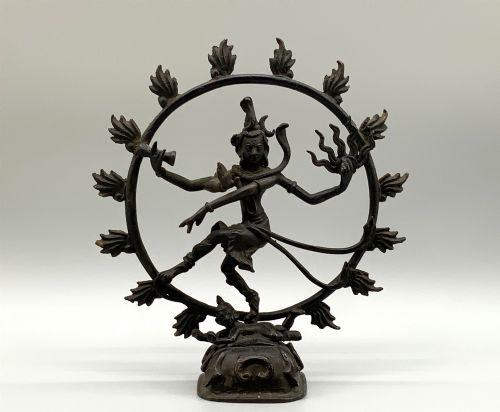
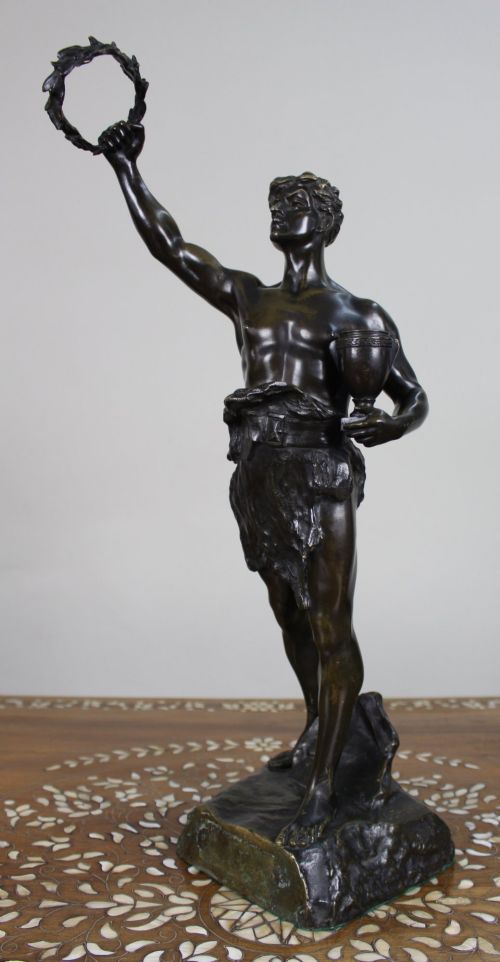
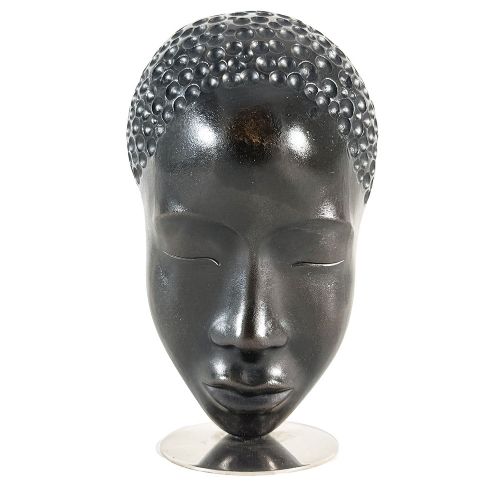
These patinated metal sculpture examples encompass centuries of foundry work, bringing figures, animals, and classical forms directly into your home.
Patinated Metal Sculpture
When you search for patinated metal sculpture, you encounter a diverse array of figures, animals, and decorative objects rendered in bronze, brass, spelter, and pewter. These pieces span from the seventeenth century through the Art Deco and mid-twentieth-century eras, originating from European workshops, Asian foundries, and Indian studios.
You are most likely to meet nineteenth-century French animalier studies, Art Nouveau female figures, and Art Deco stylised creatures on this page. The forms range from small desk inkwells and bookends to large floor statues, wall plaques, and mantel clocks.
The selections include signed works by named sculptors alongside anonymous foundry casts. Collectors find everything from classical mythological subjects to Japanese Meiji period beetles and Chinese temple bronzes represented in the inventory.
Materials and Technique
Foundries primarily utilised bronze, brass, and spelter, often finishing the metal with intentional chemical patination to create dark brown, green, or black surface tones. Many figures are mounted onto bases of solid marble or onyx, providing a stable foundation and contrasting texture.
Casting methods such as lost-wax or sand casting allowed makers to achieve high levels of anatomical and textural detail in subjects ranging from birds and panthers to human portraits. Secondary applications include hand-painting or cold-painting directly onto the metallic surface, as seen in specific portrait busts and animal studies.
Patinated Metal Sculpture Retail Price Guide 2026
Typical asking prices for patinated metal sculpture among the pieces listed under this phrase on Sellingantiques today, from the lower quarter to the upper quarter. They describe what is for sale here now, not the wider market.
Among the creatures cast in metal are a Meiji period rhinoceros beetle and medieval characters balancing atop tall stilts.
Evaluating Quality
The sharpness of the cast distinguishes superior examples from softer reproductions, as finer works retain crisp feather barbs, facial expressions, and muscle striations without relying on later smoothing. The depth and stability of the patination layer also indicate standard; professional chemical ageing resists flaking and integrates smoothly with the underlying metal.
The quality of the mount and the presence of a clear artist signature or foundry mark elevate a piece significantly. Heavier casts using genuine bronze or nickel bronze generally demonstrate superior craftsmanship compared to lighter spelter alternatives.
Frederique Cederlund Ozanne·Gustave Dussart·Jules Moigniez·Hagenauer·Eugene Canneel·Claude Michel Clodian·Frederic Remington·Christophe Fratin·Emile Carlier·Henry Wissen Senior
The Patinated Metal Sculpture Glossary
- Patination
- The chemical or natural process of altering the surface colour of a metal object. This treatment protects the material and creates deep brown, green, or black tones.
- Spelter
- An alloy of zinc and lead or copper used as an economical substitute for bronze. It is softer and lighter than true bronze.
- Animalier
- A nineteenth-century artistic style focusing on the realistic depiction of animals. Sculptors in this genre studied movement and anatomy closely.
- Okimono
- A Japanese decorative object designed for display on a shelf or tokonoma alcove. These figures often depict animals, insects, or folklore figures in bronze or ivory.
- Grand Tour
- A cultural journey undertaken by nineteenth-century Europeans to study classical antiquities. Sculptures purchased as souvenirs often replicate famous monuments or ancient fragments.
Patinated Metal Sculpture: Frequently Asked Questions
How can I tell bronze from spelter?
Bronze feels considerably heavier and cooler to the touch than spelter due to its copper and tin composition. Examine any unpainted areas beneath the base to check the underlying metal colour and weight.
Spelter is softer and may show white or grey powdery oxidation where the surface is damaged. Genuine bronze retains a warm metallic golden-brown tone beneath worn high points.
Where should I display these sculptures at home?
Place figures on sturdy console tables, desks, or mantelpieces away from direct sunlight and excessive moisture. Ensure the supporting furniture is level, particularly when displaying heavier marble-based bronze pieces.
Keep them clear of heating vents or radiators to prevent thermal shock to the metal and any attached stone bases. Good ambient lighting helps highlight the subtle tones of the patination.
What does Animalier mean?
Animalier refers to nineteenth-century sculptors who specialised in lifelike representations of animals in motion or repose. These artists observed wild and domestic creatures closely to capture authentic musculature and behaviour.
Foundries cast these studies in various sizes, making them popular decorative items for studies and drawing rooms. Common subjects include lions, horses, stags, and birds.