


Patinated Bronze Sculpture Figure
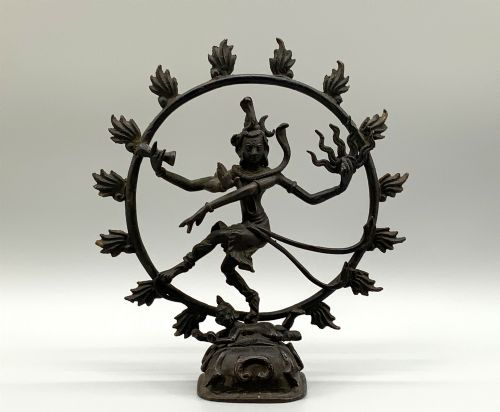
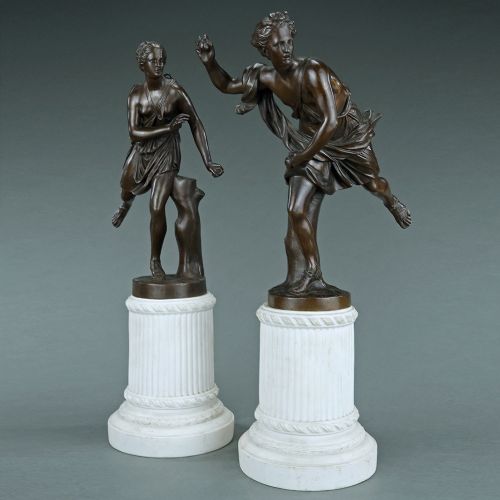
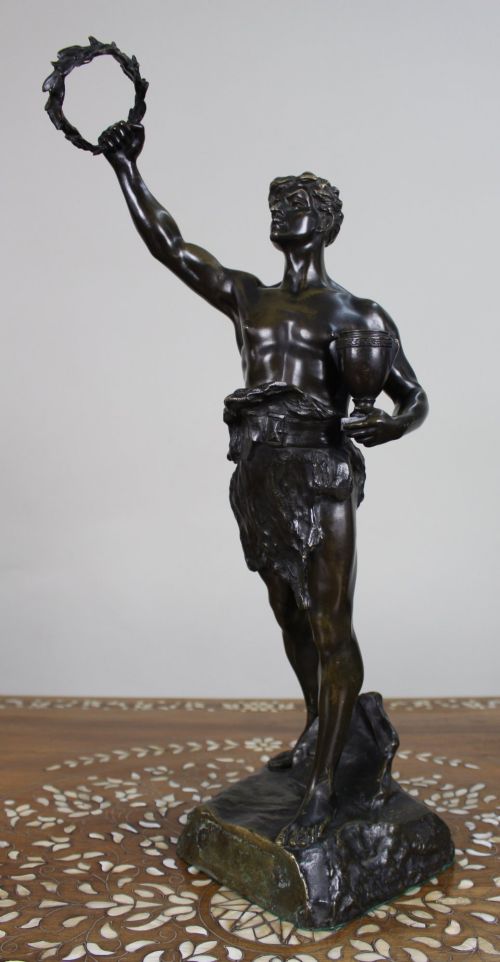
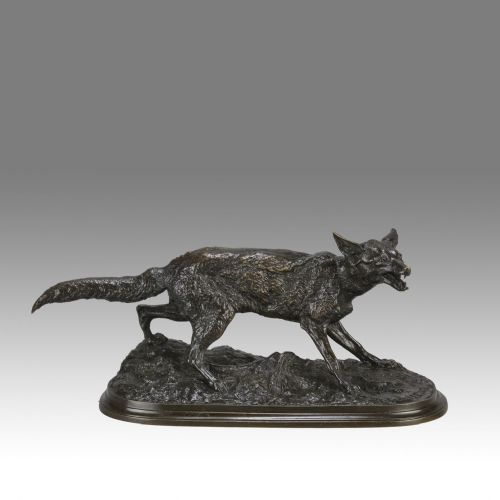
These patinated bronze sculpture figure examples capture centuries of figurative casting, offering collectors a tactile piece of classical, animalier or art deco history.
Patinated Bronze Sculpture Figure
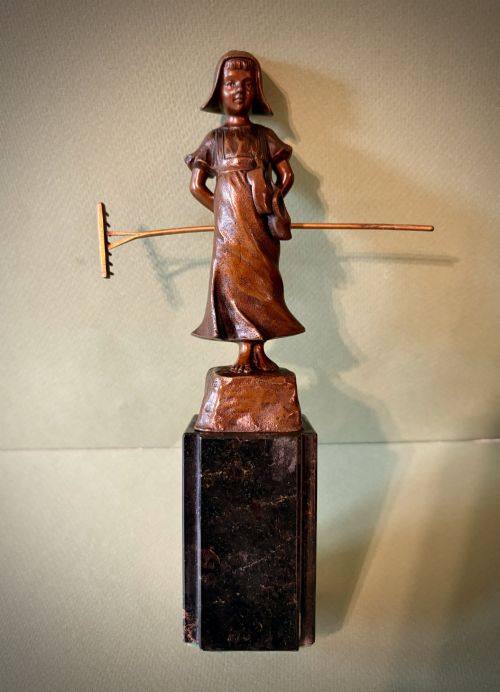
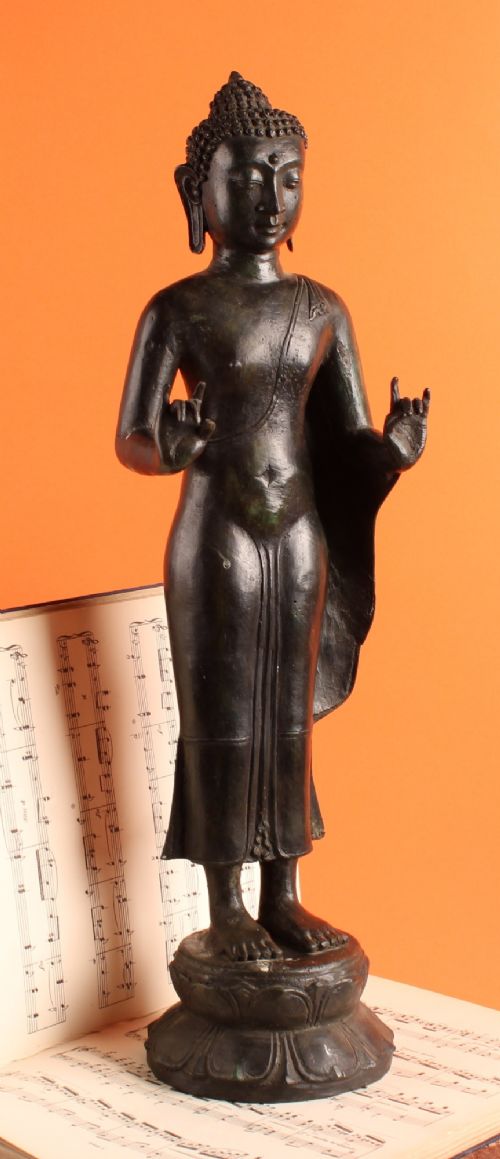
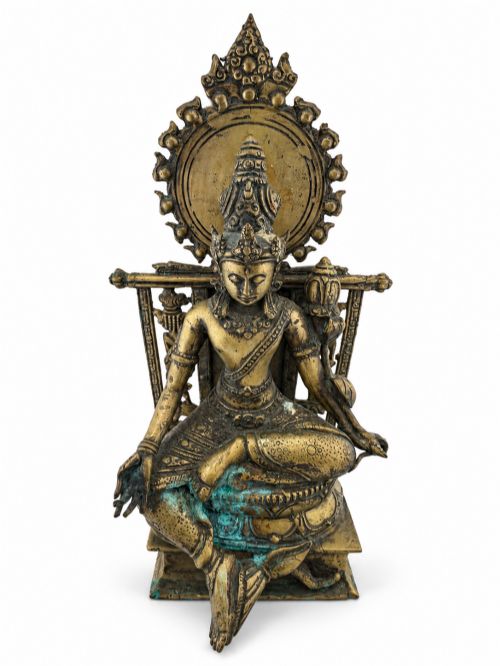
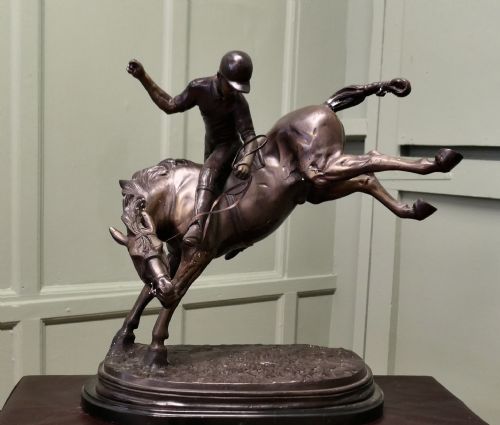
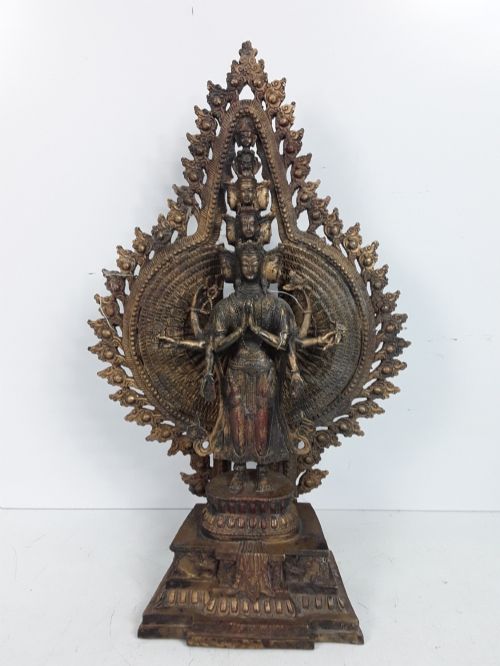
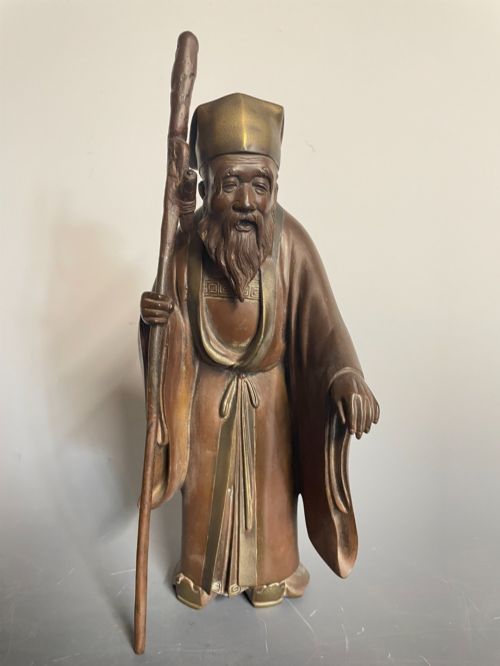
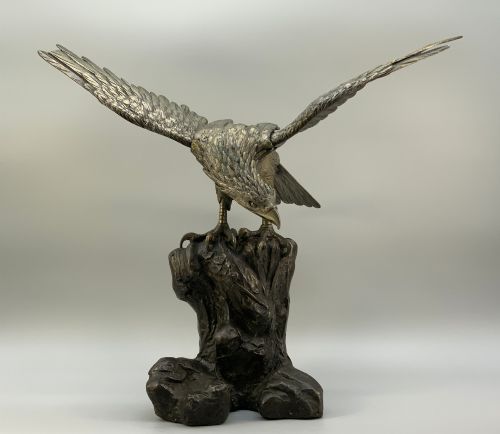
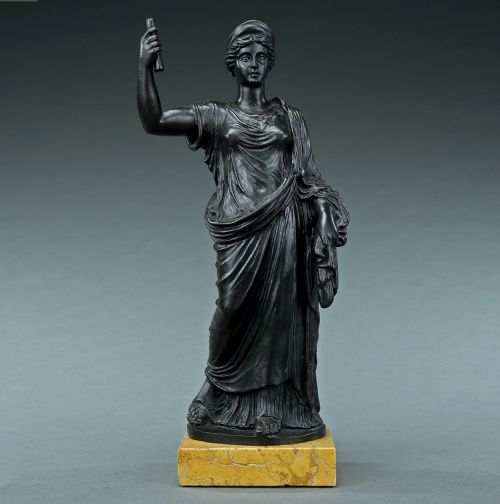
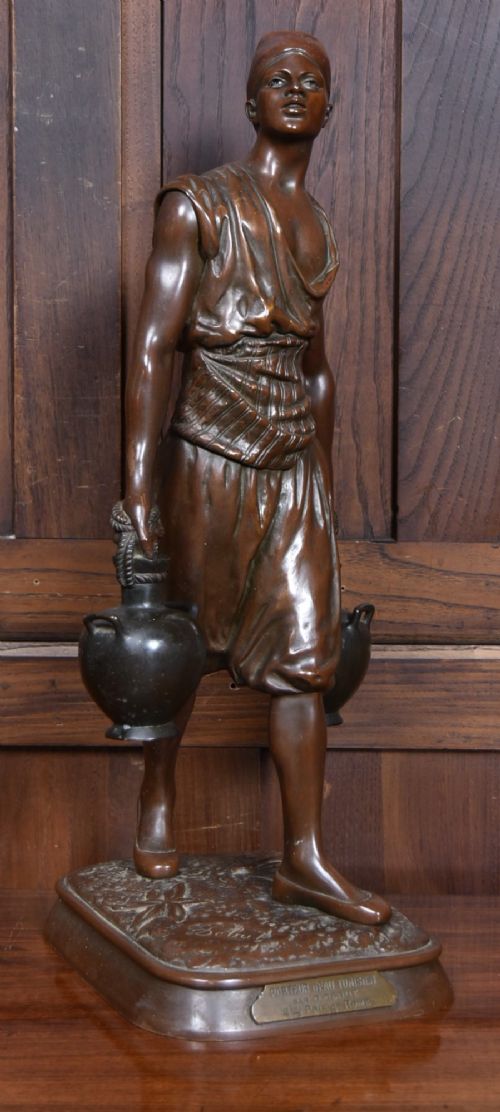
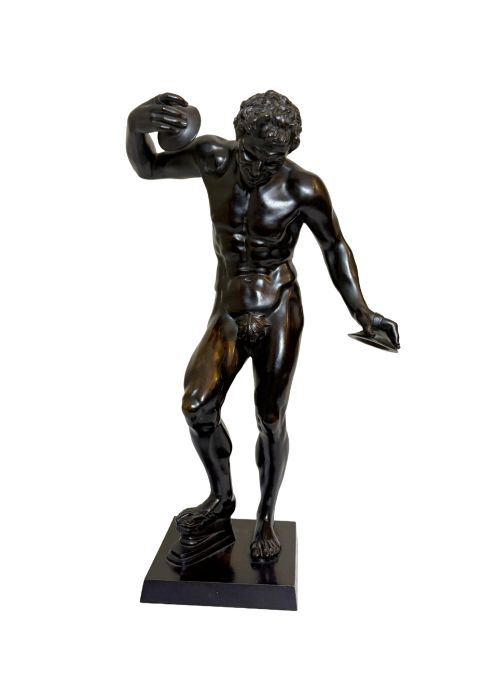
A patinated bronze sculpture figure represents human, animal or mythological subjects cast in metal and treated with chemical or thermal finishes to produce varied surface tones. The pieces gathered here span classical deities, wildlife and human figures produced across the nineteenth and early twentieth centuries.
The version most frequently met on this page is the nineteenth century French cast, often reflecting neoclassical taste, animalier realism or Grand Tour subjects. Buyers also encounter Japanese Meiji period bronzes and Austrian art nouveau works featuring naturalistic or figurative motifs.
These works range from diminutive tabletop cherubs and dancers to large scale architectural or gallery figures mounted on marble, wood or brass bases. Makers and foundries utilised traditional lost wax or sand casting methods to translate original clay or plaster models into durable metal.
How They Were Made
Patination involved applying chemical solutions or heat directly to the finished metal surface to induce controlled oxidation, producing rich browns, blacks, greens or golden hues. Many figures were mounted on integral bases of marble, onyx or wood to provide structural stability and visual contrast.
Among the menagerie of bronze bears, hawks and lions, a charming pig and a dancing frog occasionally demand your attention.
What Varies in Quality
Quality rests in the crispness of the chase work, where sharp tool marks reveal the hand of the artisan refining the raw casting rather than leaving a soft, blurred silhouette. Superior pieces retain intricate details in hair, musculature and clothing texture without relying on thick lacquer to mask surface imperfections.
The depth and subtlety of the patination differentiate superior examples, showing deliberate tonal variation rather than a flat, uniform painted coat. Foundry marks and signatures from established houses indicate rigorous production standards and careful supervision of the original model.
Barbedienne·P J Mêne·Josef Lorenzl·E Villanis·G Amodio
The Patinated Bronze Sculpture Figure Glossary
- Patinated bronze
- Bronze treated with chemicals or heat to alter its surface colour and tone. This finish protects the underlying metal while enhancing visual depth.
- Lost wax casting
- A method where a wax model is melted out of a ceramic mould and replaced with molten metal. This technique allows for exceptional detail in sculptural work.
- Animalier
- A nineteenth century artistic movement focused on the realistic depiction of animals. Figures in this style often capture wildlife in dynamic motion or repose.
- Grand Tour
- Cultural travel undertaken by nineteenth century Europeans to collect classical antiquities and bronze reductions. These souvenirs replicated famous statues found in Italian collections.
- Chasing
- The manual process of refining a raw metal casting using hammers and punches. Artisans use this step to clean up seams and define fine surface textures.
Patinated Bronze Sculpture Figure: Frequently Asked Questions
What is patinated bronze?
Patinated bronze is metal treated with chemical solutions or heat to create a specific surface colour, ranging from deep brown to verdigris green. This layer protects the alloy and adds visual character to the sculpture.
Foundries applied these finishes to highlight anatomical details and drapery folds, ensuring the cast figure possessed depth and atmospheric shadow.
How do I care for my bronze?
Maintain your bronze figure by dusting it gently with a soft, dry cloth to prevent the accumulation of airborne particles. Avoid using liquid cleaners, polishes or abrasive materials that might strip the original chemical patination.
Occasional applications of microcrystalline wax can protect the surface from moisture and handling oils, preserving the stability of the metal finish over time.
Are these figures solid bronze?
Many nineteenth and twentieth century sculptures were cast using the hollow method to conserve expensive metal and reduce overall weight. The interior often contains residual core material or foundry supports left over from the casting process.
Smaller figures and specific decorative elements like animal extremities or musical instruments were sometimes cast solid for structural strength.
How do I identify the period?
Dating relies on stylistic cues, foundry stamps, casting methods and the composition of the base materials such as marble or onyx. Nineteenth century pieces frequently exhibit neoclassical or animalier themes with meticulous hand chasing.
Later twentieth century examples often display simplified modernist lines or distinct art deco geometry associated with makers from that era.