
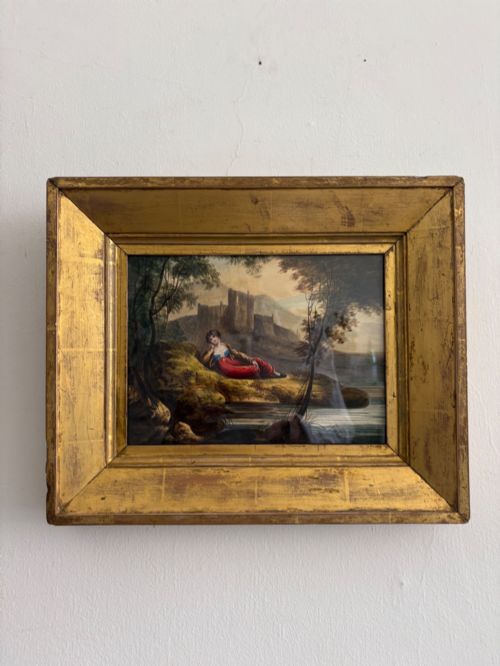
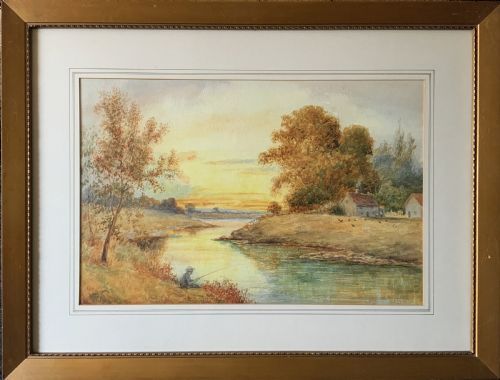
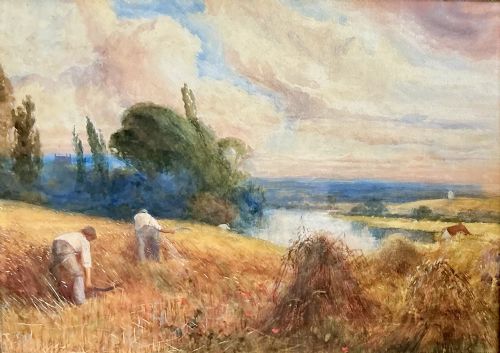


Pastoral Landscape Watercolour Art
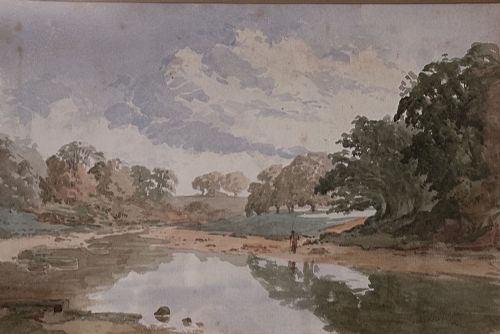
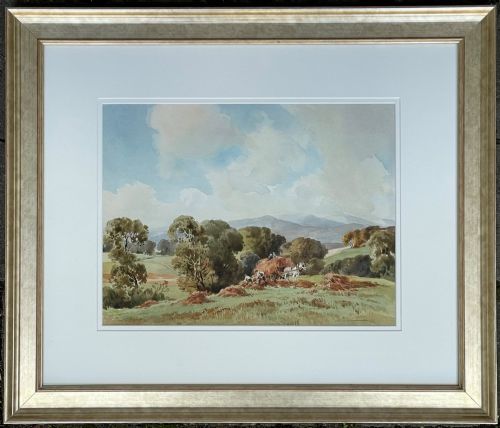
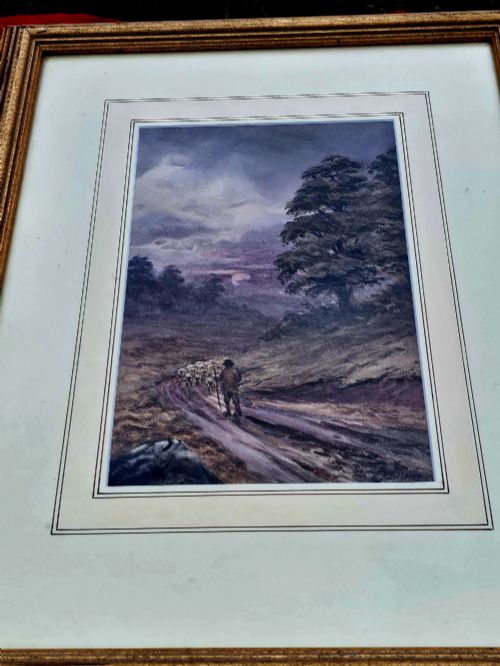
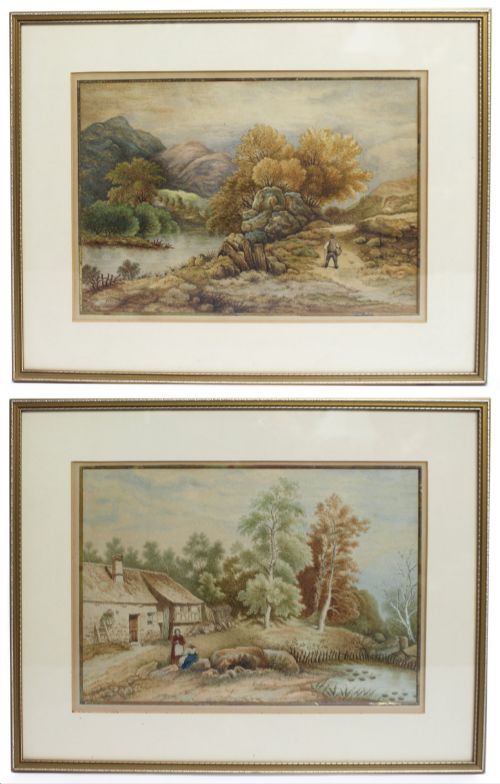
Pastoral landscape watercolour art brings nineteenth and early twentieth century rural scenes of fields, rivers and livestock directly into an interior.
Pastoral Landscape Watercolour Art
Pastoral landscape watercolour art encompasses nineteenth and early twentieth century works on paper depicting rural scenes, farm life, rivers and grazing livestock. These paintings capture British and Irish countryside views created during the Victorian and Edwardian periods.
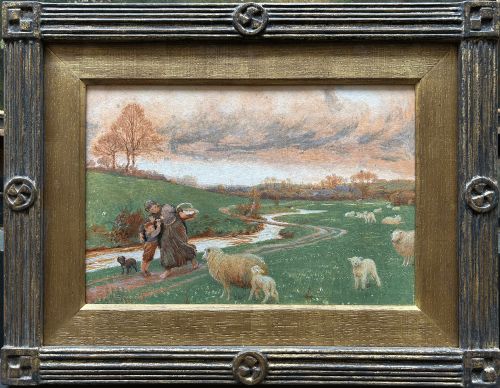
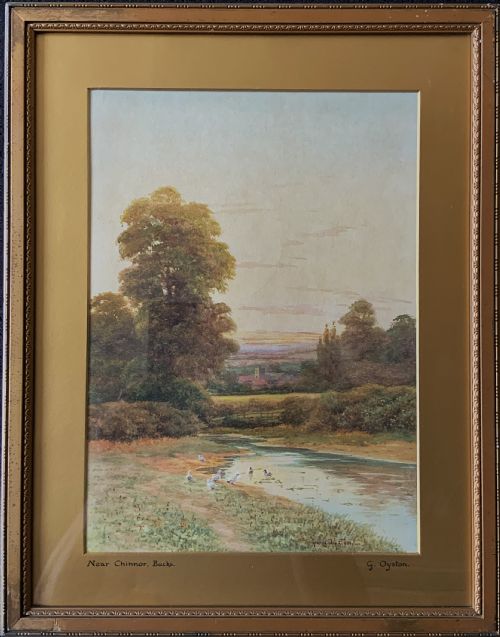
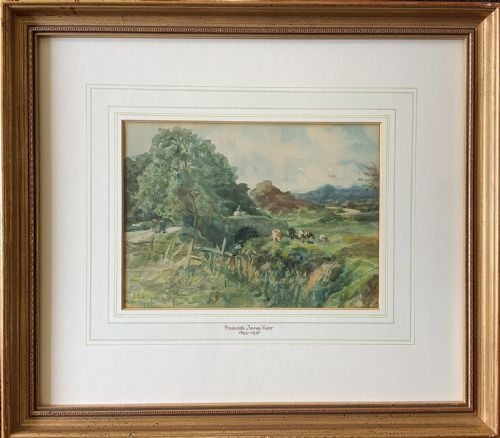
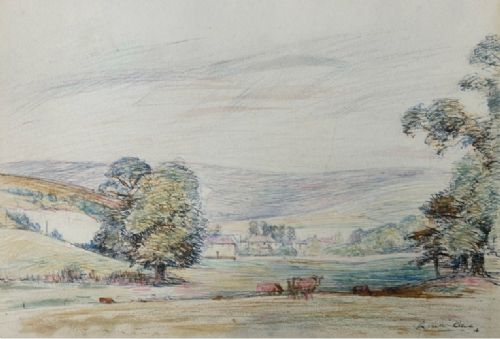
The most common examples on this page are framed original watercolours featuring traditional rural subjects such as cattle, sheep, hay carts and cottages by streams. Artists of these periods recorded changing agricultural life using translucent pigments on paper.
Works range from intimate depictions of rural figures to expansive river valleys and upland pastures produced by regional schools and exhibiting members of art societies.
How they were made
Artists painted these scenes using watercolour pigment applied to paper surfaces, often supported by wood frames and protected behind glass. Many works incorporate delicate washes alongside concentrated bodycolour to build depth in skies and foliage.
Framing typically involves gilt wooden mouldings which house the paper sheet and shield the delicate pigments from environmental damage over time.
Listings feature works created across the Victorian and Edwardian eras using traditional watercolour pigment on paper.
What varies in quality
Quality depends upon the artist's handling of light, atmospheric perspective and the natural fluidity of the pigment on paper. Stronger examples display confident brushwork and precise compositional balance in rendering figures, animals and landscape details.
The condition of the paper surface, the vibrancy of the surviving watercolour pigment and the originality of the period frame contribute significantly to the standing of each piece.
Percy Lancaster·Th Thibault·Frederick Walker·George Oyston·Frederick James Kerr·Russell Sidney Reeves·Frederick Hines·Philip Richard Morris·Oswald Garside·Cornelius Pearson·Henry Charles Fox·Henry John Kinnaird·James William Booth·Frederick Septimus Lewis·Ernest Pile Bucknall·Thomas Hunn·James Orrock·James Hardy Junior·Robert Thorne Waite·John Atkinson·Alfred Grey·George Soper·Harold Lawes·Bernard Walter Evans·Edmund George Warren
The Pastoral Landscape Watercolour Art Glossary
- Watercolour
- A painting method in which the paints are made of pigments suspended in a water-based solution. The paper surface often remains visible beneath translucent washes of colour.
- Gilt Frame
- A wooden frame covered with a thin layer of gold leaf or metallic gilding. These frames protect the artwork and reflect period tastes.
- Pre-Raphaelite Movement
- An association of English painters formed in the mid-nineteenth century. Their style emphasised detailed observation of nature and vibrant colour.
- Bodycolour
- Watercolour paint mixed with a white pigment to make it opaque. This technique adds solidity and highlights to pastoral scenes.
Pastoral Landscape Watercolour Art: Frequently Asked Questions
What periods do these watercolours date from?
The selections span the nineteenth and early twentieth centuries, covering Victorian, Edwardian and Georgian eras.
Most pieces date from the mid-nineteenth century through to the nineteen thirties.
How should I hang and protect these artworks?
Keep watercolours away from direct sunlight to prevent the pigments from fading over time.
Display them in stable indoor environments shielded from excessive moisture and temperature fluctuations.
Are these paintings original works?
The listings feature hand-painted original watercolours executed on paper by named artists and regional schools.
Each piece represents a unique historical creation rather than a modern reproduction or print.
What subjects typically appear in pastoral watercolours?
Common subjects include riverscapes, harvest fields, farm hands at work and cattle or sheep grazing in rural valleys.
Views frequently feature cottages, country lanes and coastal estuaries across Britain and Ireland.