


Parquetry Side Cabinet
A parquetry side cabinet brings geometric wooden veneers and French refinement into a room, offering both surface display and discreet storage.
Parquetry Side Cabinet
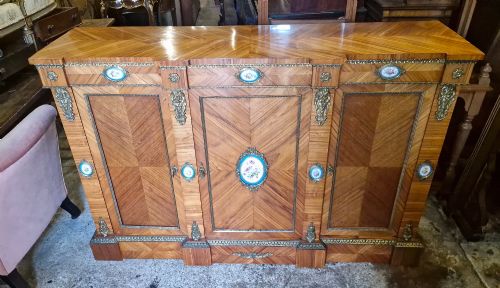
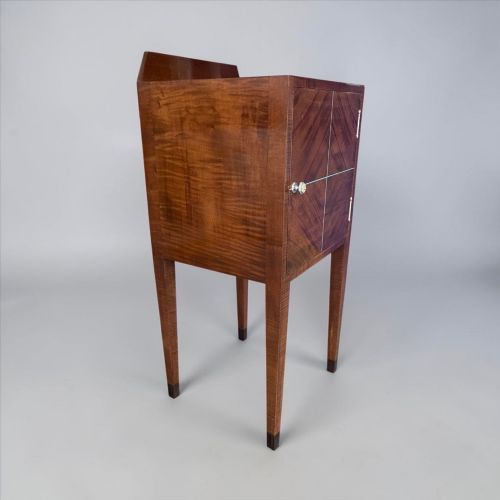
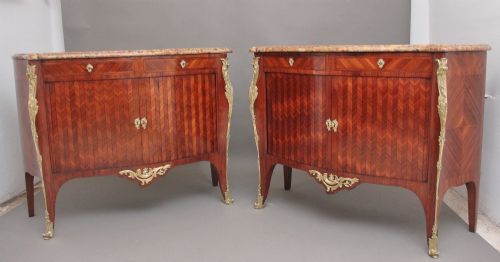
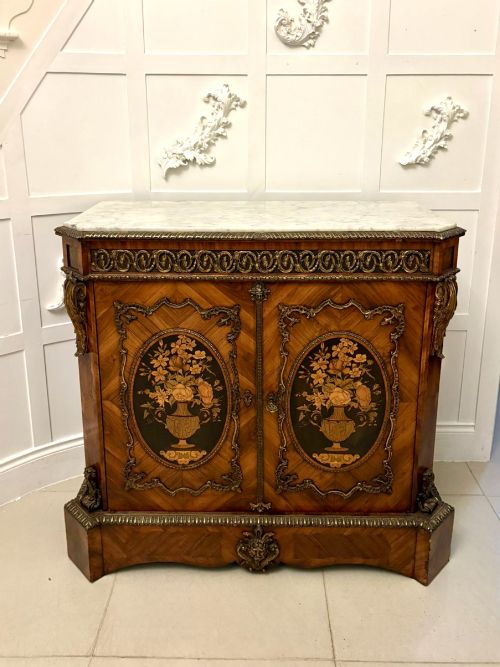
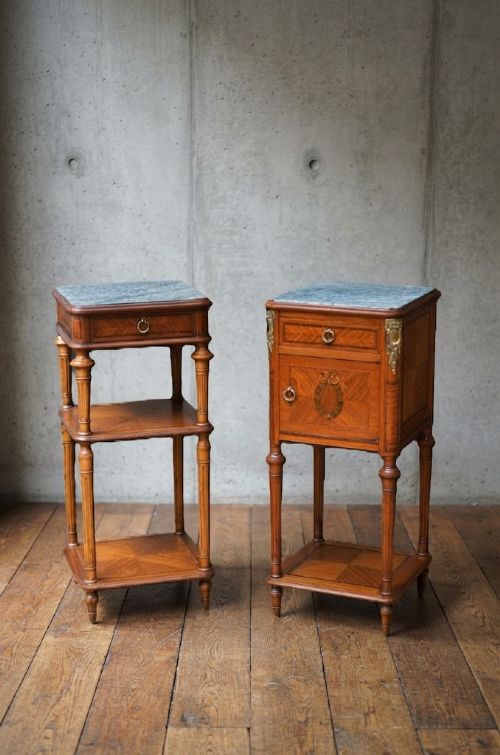
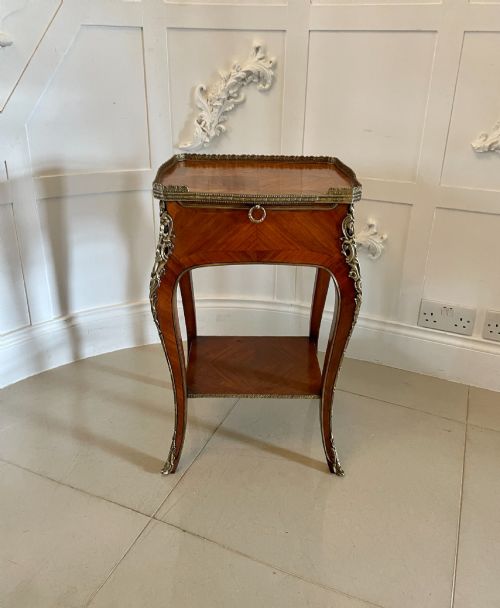
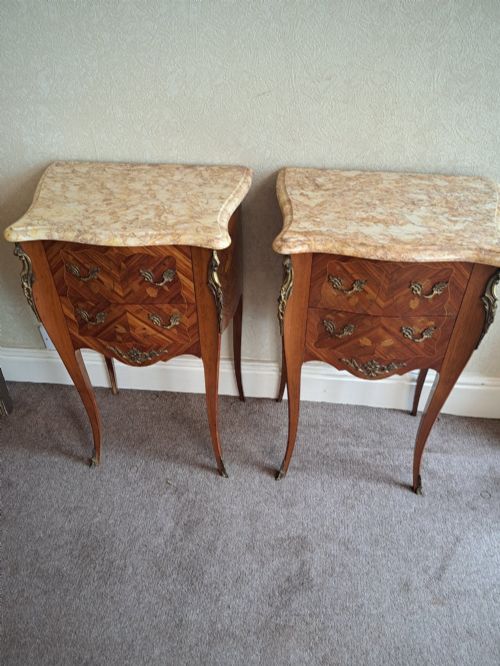
A parquetry side cabinet is typically a compact French storage piece, frequently encountered as a bedside table, commode, or small cabinet dating from the nineteenth and early twentieth centuries.
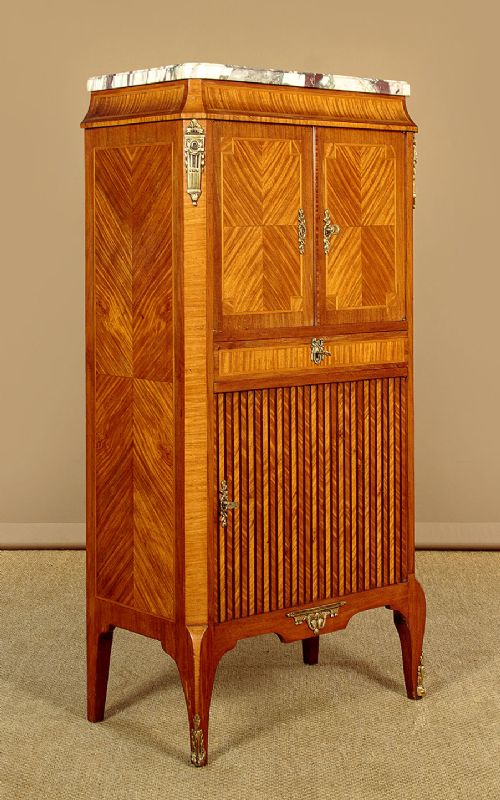
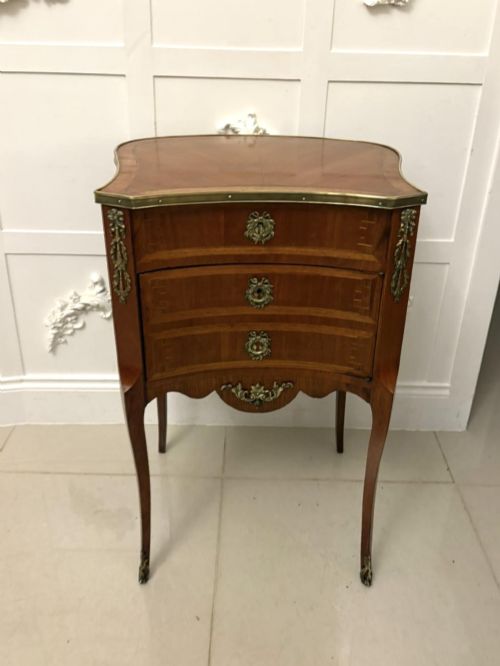
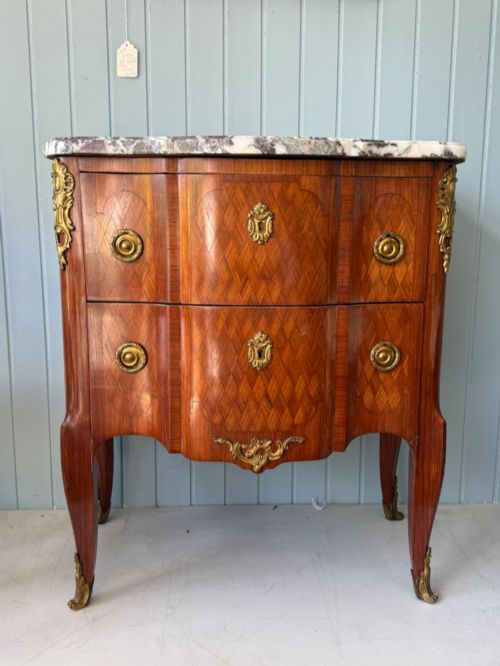
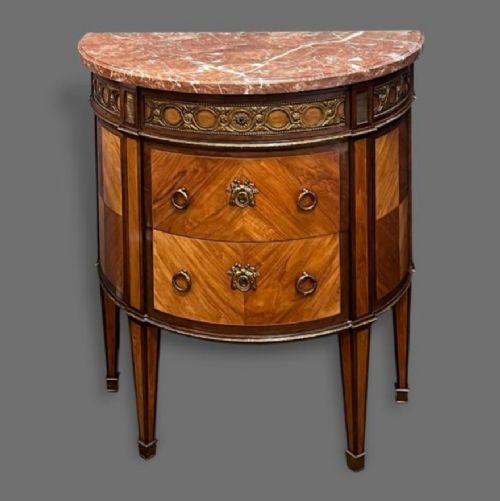
These items originate predominantly from continental workshops influenced by Louis XV and Louis XVI revival styles, favouring serpentine shapes and marble tops.
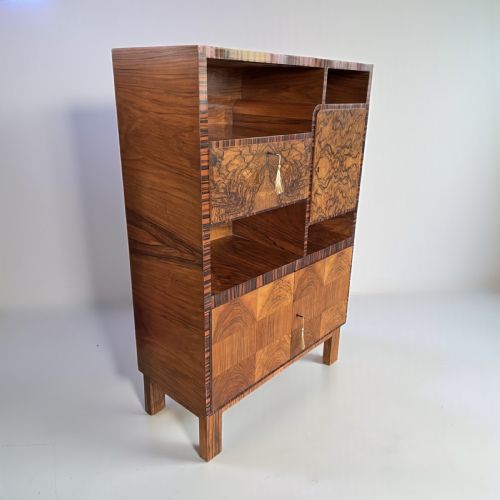
Buyers searching for this phrase seek functional furniture that combines veneered geometric patterns with classical metal mounts, spanning periods from the eighteenth century to the art deco era.
Materials and construction
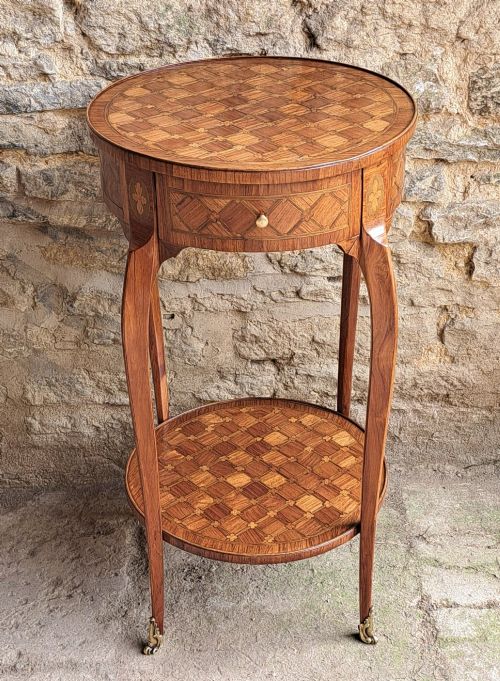
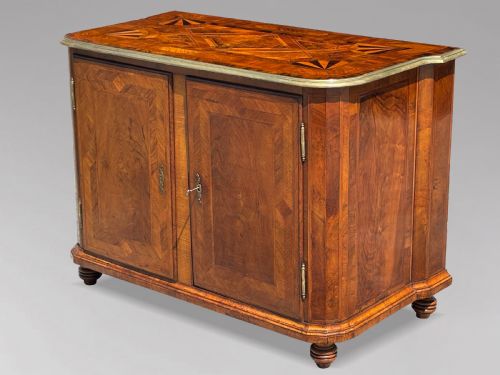
Cabinet makers utilised dense exotic timbers such as kingwood, rosewood, tulipwood, and satinwood, sliced thinly into veneers to form intricate geometric parquetry patterns across carcass frames.
Carcasses incorporate secondary woods like oak, walnut, or fruitwood, topped frequently with fitted slabs of white, grey, or rose marble.
Gilt bronze, ormolu, and brass mounts were cast and chased to edge the corners, feet, and key escutcheons, framing the timber work.
Parquetry Side Cabinet Retail Price Guide 2026
Typical asking prices for parquetry side cabinet among the pieces listed under this phrase on Sellingantiques today, from the lower quarter to the upper quarter. They describe what is for sale here now, not the wider market.
Surviving examples frequently pair exotic timbers like kingwood and tulipwood with polished marble tops.
Distinctions in craftsmanship
The standard of a parquetry side cabinet depends upon the precision of the veneer work and the crispness of the geometric alignment across curved surfaces.
Superior pieces display substantial cast bronze mounts integrated cleanly into the timber structure rather than lighter stamped brass alternatives.
Proportion and the integrity of the original marble top separate standard production items from exceptional workshop examples.
Maison Millet
The Parquetry Side Cabinet Glossary
- Parquetry
- Geometric mosaic woodwork formed by small pieces of veneer arranged in patterns such as cubes or chequers. This technique decorates the primary surfaces of the cabinet carcass.
- Ormolu
- Gilded bronze mounts applied to furniture edges and feet. These decorative elements provide contrast against dark exotic veneers.
- Kingwood
- A dense, heavily figured Brazilian timber featuring dark brown and violet stripes. Makers prized this wood for high-status veneered furniture.
- Satinwood
- A pale, lustrous timber native to India and Ceylon. It yields a reflective, golden surface used extensively in fine cabinetmaking.
Parquetry Side Cabinet: Frequently Asked Questions
How are parquetry side cabinets used today?
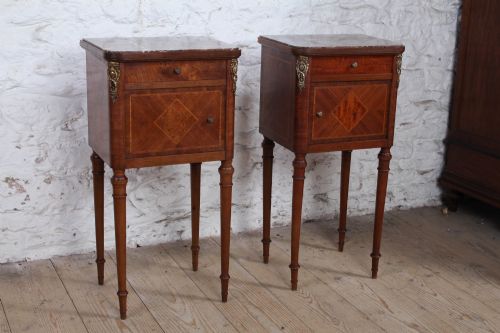
These cabinets function effectively as bedside tables, lamp stands, or small hall chests where surface space and enclosed storage are both required.
Their compact footprints allow them to sit comfortably beside low modern seating or within smaller guest rooms.
What timber types appear most frequently?
Kingwood and satinwood dominate the veneered surfaces, often supported by walnut or oak carcass frames.
Contrasting woods create the multi-toned geometric patterns characteristic of the parquetry technique.
How do I distinguish Louis XV from Louis XVI styles?
Louis XV pieces exhibit curving serpentine lines, cabriole legs, and asymmetrical rococo mounts.
Louis XVI furniture introduces straight tapered legs, geometric symmetry, and neoclassical architectural details.
Are marble tops original to these cabinets?
Fitted marble slabs are standard on French commodes and bedside cabinets from the nineteenth and early twentieth centuries.
They provided a durable, heat-resistant surface for washing equipment and bedside lighting.