


Parcel Gilt Pier Glass
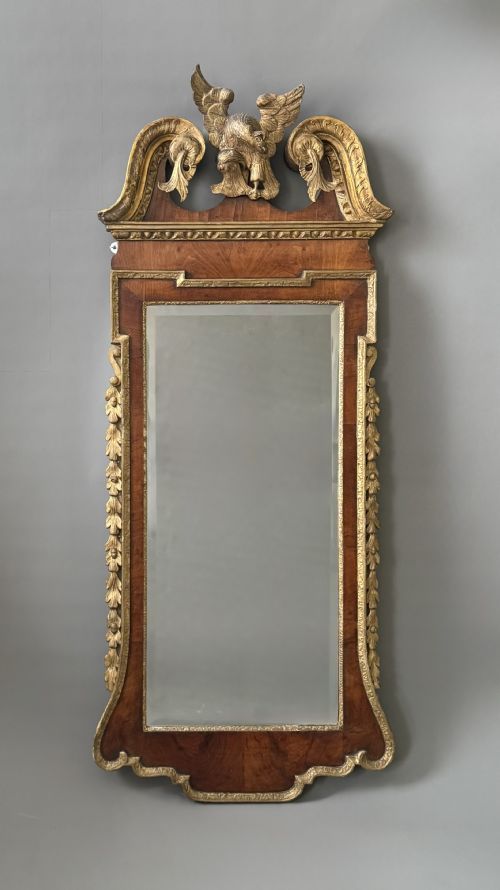
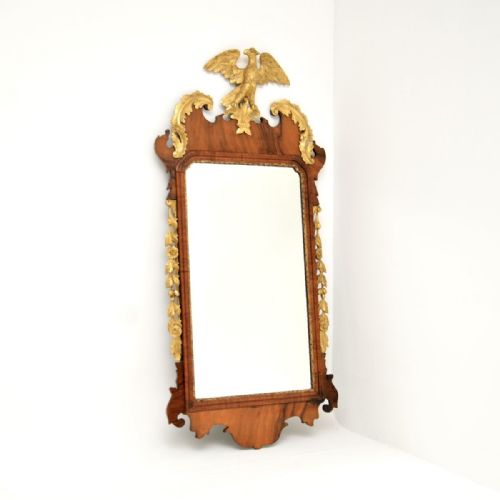
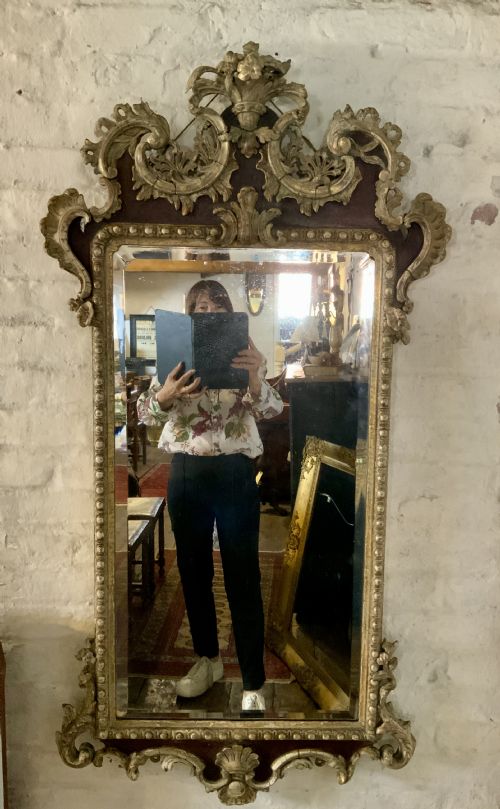
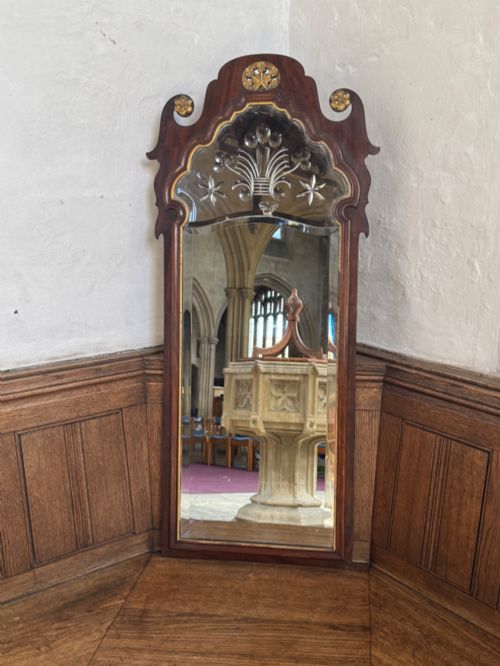
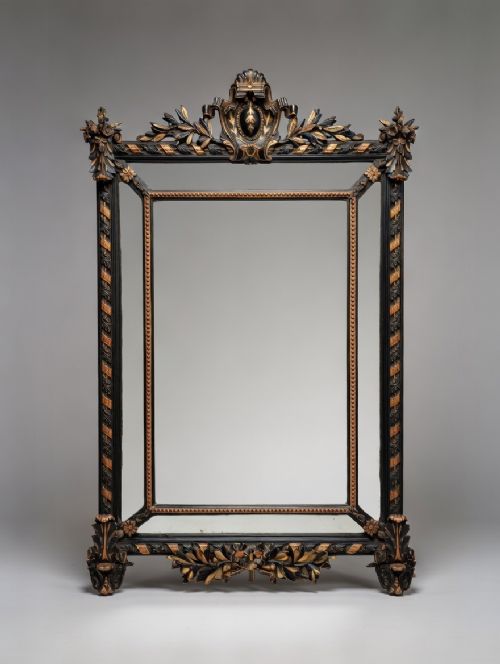
A parcel gilt pier glass brings vertical light and carved detail into a room, framed in wood with partial gold leaf highlights.
Parcel Gilt Pier Glass
A parcel gilt pier glass sits between windows or hangs as a principal wall mirror, designed to reflect light across a room. These mirrors appear in forms ranging from Georgian walnut and mahogany frames to later revival pieces and French trumeau designs.
The versions most common on this page date from the eighteenth and nineteenth centuries, including George II and George III styles alongside Victorian and Edwardian interpretations. Makers constructed them in timber such as walnut and mahogany, applying gold leaf selectively to carved details.
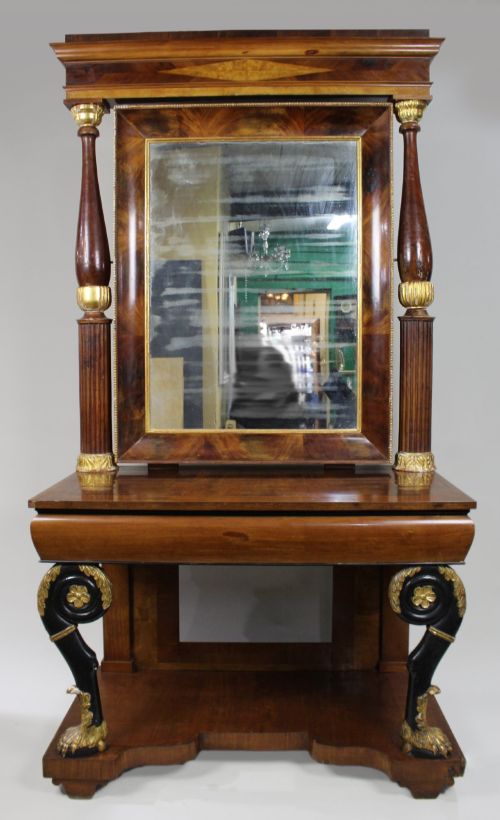
Comprising both wall mirrors and console table pairings, these pieces reflect domestic interiors from the Georgian period onward. Their proportions often suit high ceilings and narrow wall spaces between architectural openings.
How they were made
Craftsmen built the foundations of these frames using timbers such as walnut, mahogany, and general wood, often shaping them with fretwork or carved mouldings. Gesso provided a smooth base layer for the application of gold leaf.
Gold leaf and parcel gilding picked out specific carved elements like crests, mouldings, and bird motifs against the dark grain of the underlying wood. Mirror glass plates, sometimes bevelled or cut, completed the assembly within the wooden rebate.
Several mirrors include carved ho-ho birds perched atop their fretwork frames, keeping a watchful eye on the room.
What varies in quality
The crispness of the wood carving and the depth of the fretwork define the calibre of a frame, separating finely detailed artisan work from simpler production. The choice of timber grain, particularly figured walnut or rich mahogany, adds visual weight to the piece.
Original mirror plates with distinct age, foxing, or bevels contribute to the integrity of an antique pier glass. The retention of original gilding surfaces without excessive intervention maintains the historic character of the frame.
William Kent
The Parcel Gilt Pier Glass Glossary
- Parcel Gilt
- Decoration where only specific raised portions of an object receive gold leaf, leaving the underlying wood visible elsewhere. This technique creates a contrast between the dark timber and the bright gilded highlights.
- Pier Glass
- A tall mirror designed specifically to hang on the wall space between two windows. These mirrors frequently accompanied matching console tables in formal interiors.
- Trumeau
- A decorative wall mirror, often incorporating a painted panel or artwork above the glass plate. French examples frequently utilise this format.
- Fretwork
- Openwork patterns cut from thin boards of wood using a saw. Eighteenth-century mirrors often display this technique on their outer scrolls and crestings.
- Gesso
- A plaster mixture applied to wood frames to prepare the surface for gilding. Artisans carved intricate details directly into this built-up layer before applying gold leaf.
Parcel Gilt Pier Glass: Frequently Asked Questions
Where should I hang a pier glass?
A pier glass traditionally hangs on the narrow wall space between two windows, where it maximises natural light reflection. They also function effectively above mantlepieces or console tables in principal rooms.
Ensure the wall construction supports the weight of the timber frame and glass plate. Positioning the mirror opposite a light source enhances its primary decorative purpose.
How do I identify a Georgian pier glass?
Georgian pier glasses typically feature timber frames in walnut or mahogany, often incorporating fretwork scrolls and carved details like parcel gilt birds. Look for period construction methods in the timber backing and frame joinery.
Revival pieces from the Victorian and Edwardian eras often replicate these eighteenth-century forms. Examining the age of the mirror plate and the wear on the gilding helps clarify the actual period.
What is a trumeau mirror?
A trumeau mirror is a French wall glass that includes an integrated painted panel or decorative artwork positioned directly above the mirror plate. These pieces often feature painted frames with parcel gilt highlights.
They served as architectural decoration in grand interiors during the eighteenth and nineteenth centuries. Their vertical proportions suit placement above low furniture.
How do I care for antique gilding?
Antique gilding requires careful maintenance using a dry, soft cloth to remove dust without disturbing the gold leaf surface. Avoid liquid cleaners, polishes, or abrasive materials that can damage the underlying gesso.
Keep the mirror away from direct sunlight and damp environments to protect both the wooden frame and the silvering on the glass plate.