



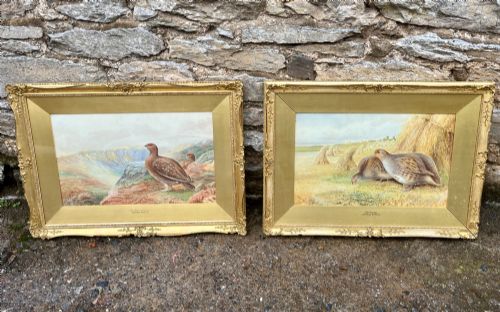

Paper Watercolour Study
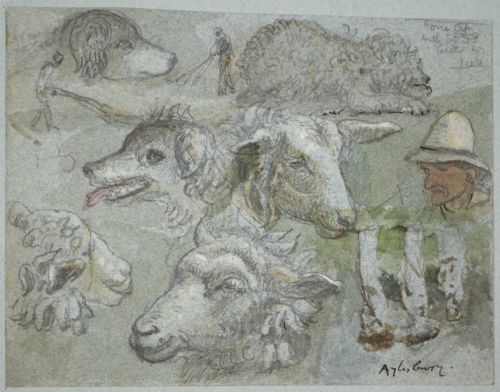
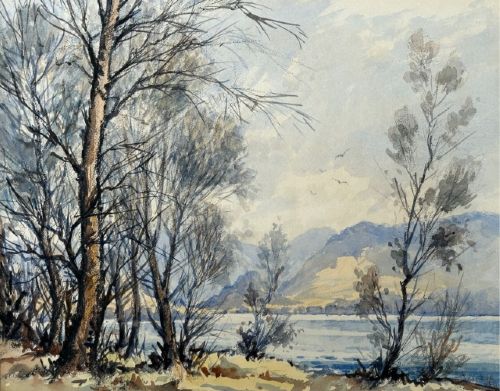
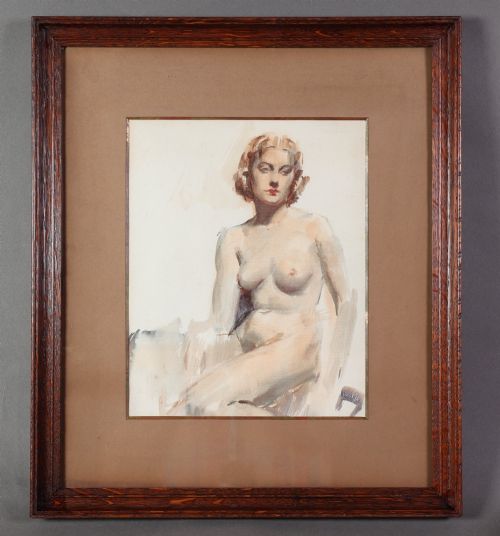
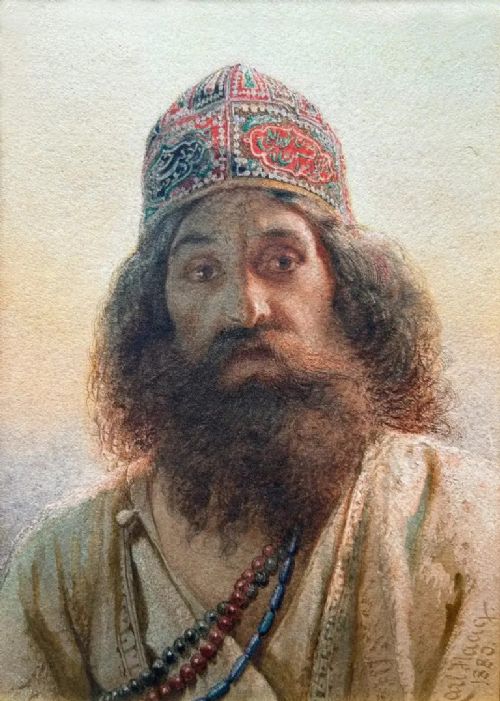
A paper watercolour study captures a fleeting impression directly from the artist's hand, offering an intimate glimpse into historical moments through fluid pigments.
Paper Watercolour Study
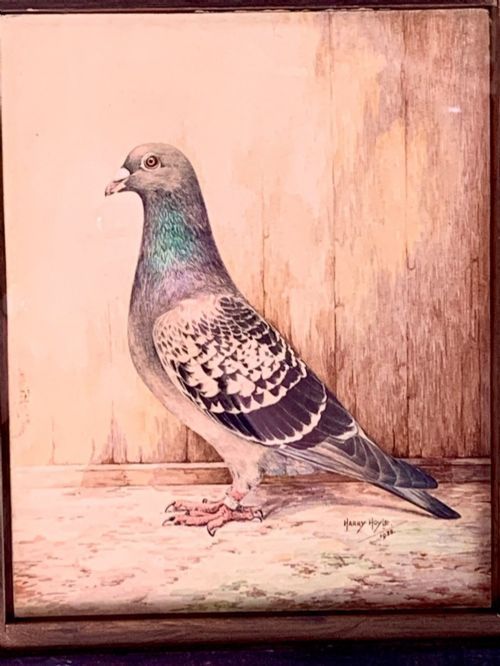
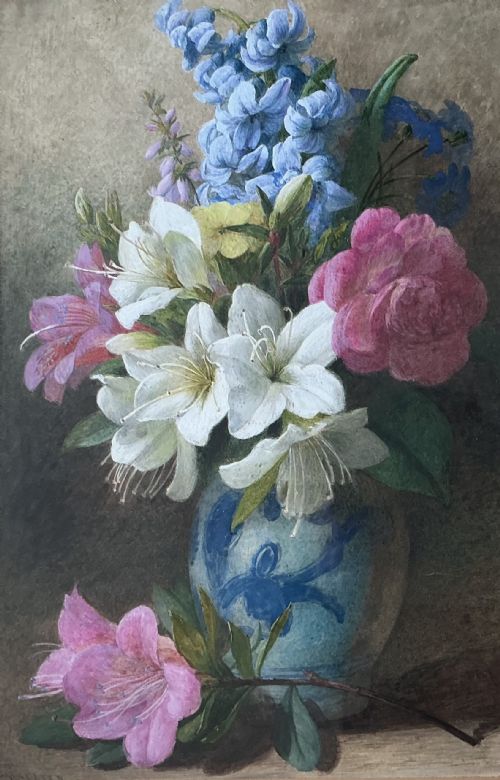
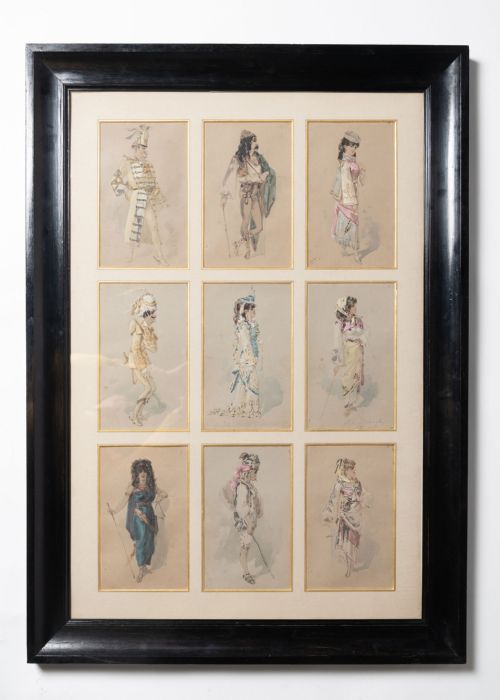
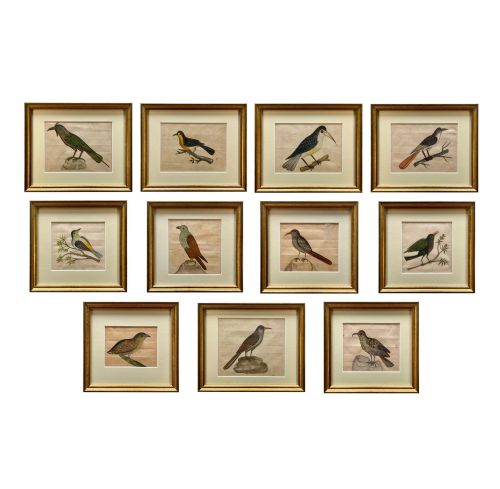
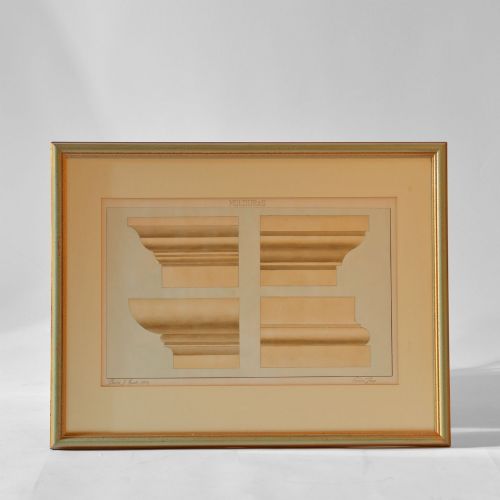
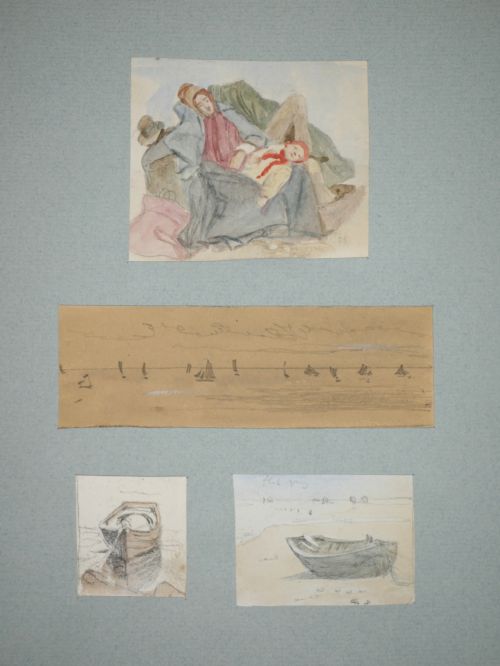
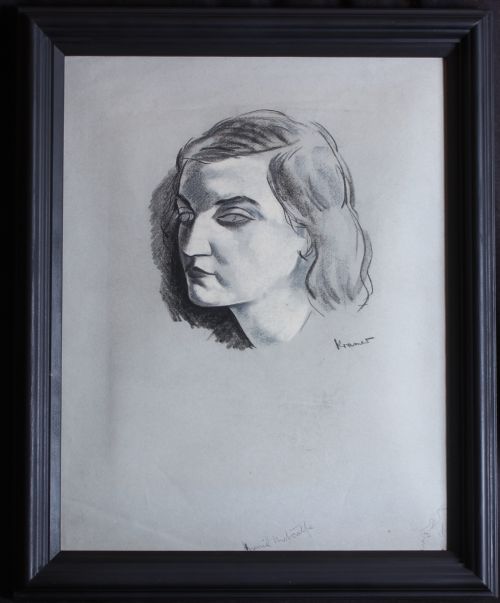
A paper watercolour study represents a direct engagement with pigment and ground, functioning either as a preparatory sketch for a larger canvas or as a finished observation in its own right. When exploring this selection, buyers encounter works spanning from the eighteenth century through to the mid twentieth century, encompassing botanical observations, landscapes, and portraiture.
The material surface carries the weight of the work, utilising traditional paper grounds alongside specialised supports like pith paper. Creators applied fluid water-soluble mediums, sometimes combining them with bodycolour or ink to achieve depth and opacity within these intimate compositions.
Originating across Britain, continental Europe, and beyond, these works reflect diverse movements from Victorian botanical observation to British Impressionism and mid-century abstraction. Each paper watercolour study demonstrates the spontaneous decisions of the artist captured in real time.
Materials and technique
Artists applied water-soluble pigments suspended in water onto various paper substrates, often utilising the natural white of the sheet to provide luminosity and highlights within the composition. Pigments were brushed on in thin, translucent washes or built up with heavier applications of bodycolour and gouache to create solid areas of colour and texture.
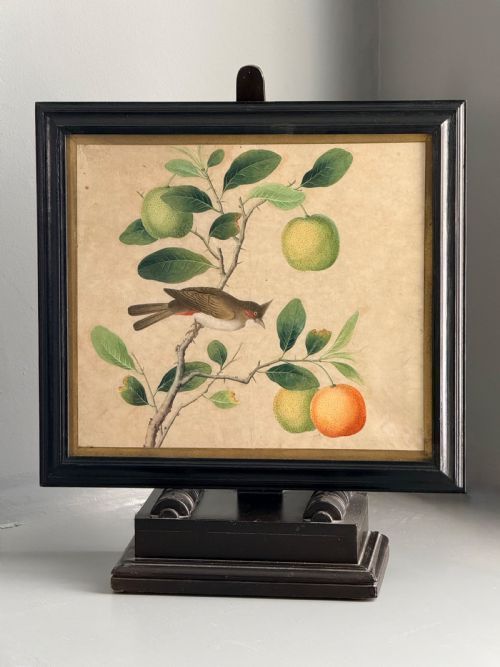
Preparation of the support varied according to the period and region, ranging from handmade rag paper to delicate pith paper used in Chinese export works. Inks and graphite were frequently employed beneath or alongside the watercolour pigment to outline forms and establish structural clarity before washes were applied.
Paper Watercolour Study Retail Price Guide 2026
Typical asking prices for paper watercolour study among the pieces listed under this phrase on Sellingantiques today, from the lower quarter to the upper quarter. They describe what is for sale here now, not the wider market.
Listings incorporate nineteenth-century Victorian sheets alongside mid-century British examples, documenting changes in subject matter from botanical studies to abstract compositions.
Distinctions in quality
The strength of a paper watercolour study rests upon the confidence of the brushwork and the immediacy of the observation, where decisive marks elevate a sheet from a routine exercise to a compelling visual record. Superior examples maintain vibrancy in the pigments and secure a successful balance between empty space and painted areas.
The handling of light and tonal gradation distinguishes finer works, revealing the creator's precise control over fluid mediums where margins for error remain narrow. Condition also plays a role, as works preserved without heavy fading or acidification retain their original visual impact.
Thomas Ellison·James Smetham·Robert Leslie Howey·Carl Haag·George Rankin·Michael Healy·Ralston Gudgeon·Olga Choumansky·William Frederick Settle·Anne Dorrien Smith·James Hardy Junior·Rowland Henry Hill·Robert Richard Scanlan·Arthur Todd·Edith Barrow·Adrian Heath·Grace Hastie·Phyllis I Hibbert·Marian Chase·Snaffles·Charlotte Isa James·Alice Macallan Swan·Charles James Adams·William Henry Hunt
The Paper Watercolour Study Glossary
- Gouache
- An opaque water-based paint consisting of pigment, water, and a binding agent such as gum, often mixed with white to create solid, flat areas of colour. It appears frequently alongside traditional transparent washes in studies.
- Pith paper
- A delicate material cut from the pith of the Tetrapanax papyrifer plant, historically utilised in China for detailed botanical and figure paintings. Its unique cellular structure absorbs watercolour pigments with exceptional brilliance.
- Bodycolour
- Watercolour paint mixed with a white pigment to render it opaque, allowing artists to paint light details over darker washes. This technique adds opacity and physical presence to works on paper.
- Wash
- A thin, fluid layer of diluted watercolour pigment spread evenly across paper to create backgrounds, skies, or broad tonal areas. Masterful washes require deliberate execution before the moisture dries.
Paper Watercolour Study: Frequently Asked Questions
What is a paper watercolour study?
A paper watercolour study is a direct artwork executed with water-soluble pigments on a paper support, capturing either a spontaneous observation or a planned composition.
These pieces range from rapid landscape sketches and botanical studies to finished portraits and narrative scenes created across multiple centuries.
How should I display these works?
Works on paper require careful framing behind glass utilising acid-free mounts to prevent direct contact between the fragile surface and the glazing.
Positioning them away from direct sunlight ensures the delicate water-soluble pigments and paper grounds remain protected from fading over time.
How can I tell periods apart?
Stylistic cues, framing choices, and the specific type of paper support often indicate the era in which a piece was produced.
Victorian and Edwardian examples frequently show detailed botanical or narrative precision, while mid-century works lean towards looser abstractions and modern compositions.
Were these studies meant to be finished?
Many paper watercolour studies served as preliminary observations intended to inform larger oil paintings or more formal finished commissions.
Others were created as complete artistic statements, capturing a specific moment or subject with swift and deliberate execution.