


Paper Pastel Painting
A paper pastel painting brings rich dry pigment and soft colour straight to the wall.
Paper Pastel Painting
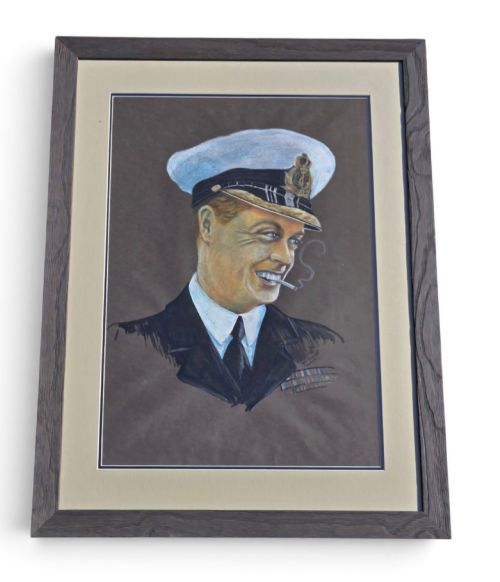
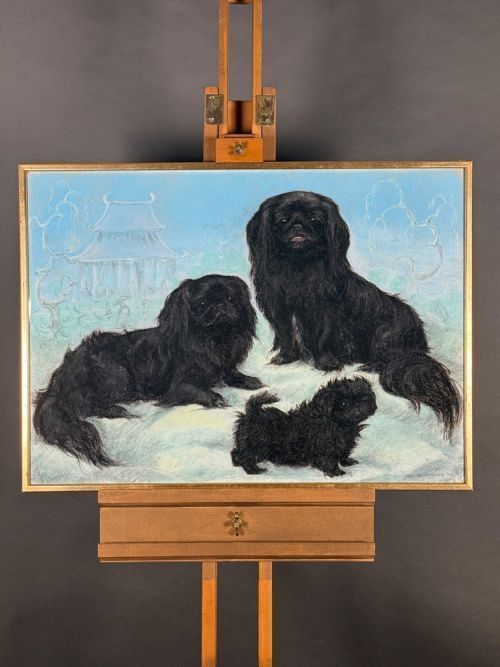
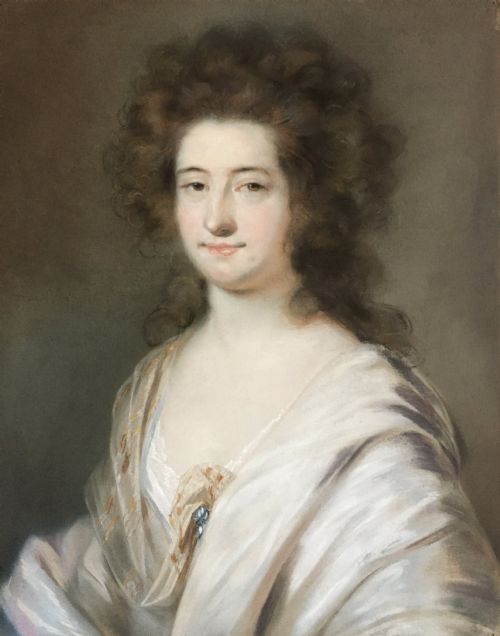
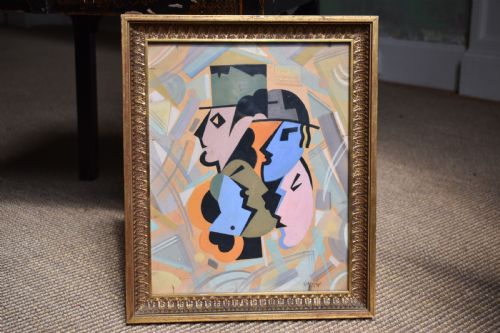
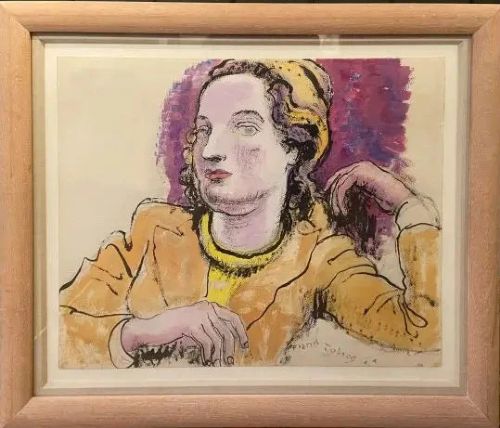
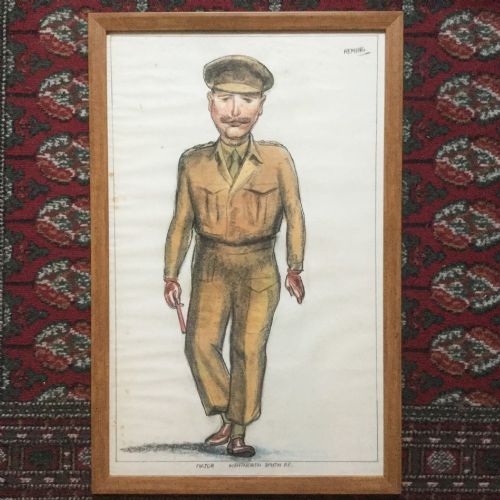
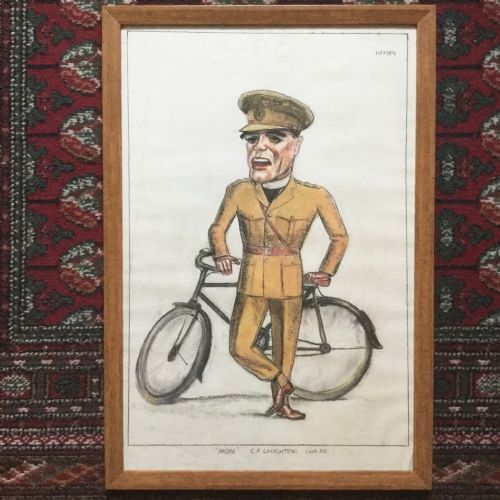
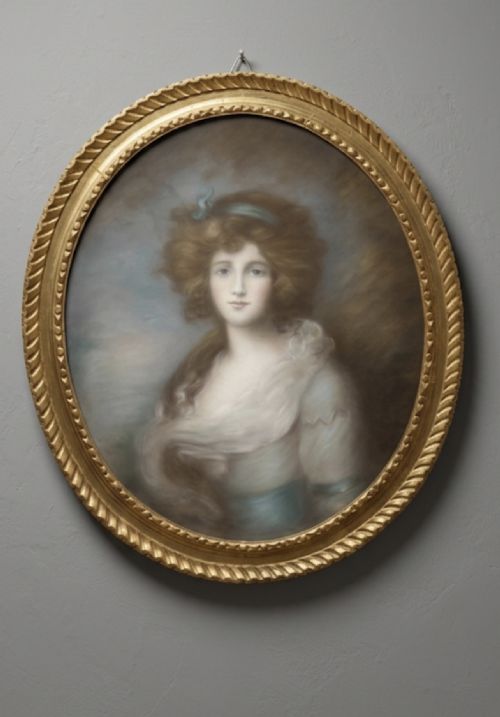
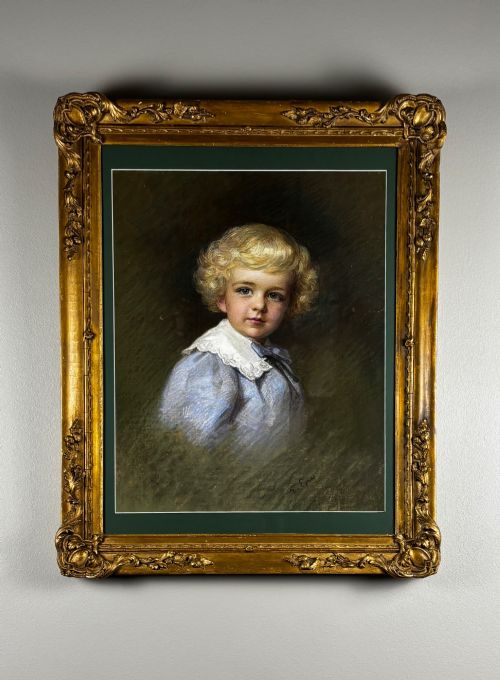
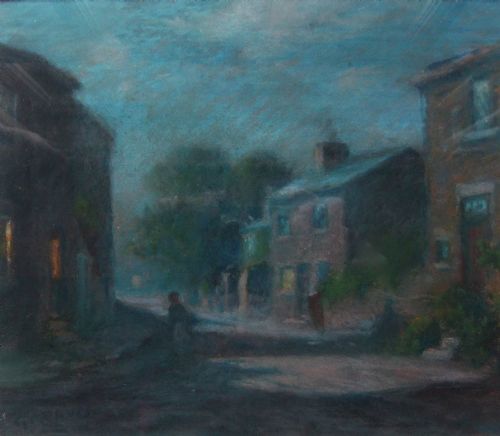
A paper pastel painting captures subjects ranging from intimate portraiture to landscape and still life across several centuries. When you search for a paper pastel painting, you encounter works executed primarily on paper support using coloured chalks or pastel sticks, often accompanied by gouache or watercolour. The pieces span periods from the eighteenth century through the Victorian era into mid-century modernism.
Portraits dominate the selection, including formal likenesses of ladies, gentlemen, and military officers, alongside studies of animals and theatrical scenes. You are most likely to meet twentieth-century examples alongside nineteenth-century works on this page, housed behind glass in wooden or giltwood frames.
How they were made
Protection is paramount for these works, so makers enclose them behind glass within wood, giltwood, or gilt frames to shield the fragile chalk surface from airborne dust and physical disturbance.
Listings feature paper support combined with pastel, watercolour, and gouache across Georgian, Victorian, and mid-century periods.
What varies in quality
The distinction between ordinary and exceptional works rests on the surety of the draughtsmanship and the handling of the dry medium. Stronger pieces display confident lines and subtle tonal gradations that give form and life to a portrait or landscape.
Condition and framing also separate examples, as works that retain their original vibrant pigment without excessive loss or smudging beneath intact glass represent the higher tier of the range.
Herskind·Frank Dobson·Emily Eyres·William Greaves·John Hobson Nicholson·Denis William Reed·Lena M Alexander·Aubrey Sykes·Josiah Gilbert·Angus Rands·Lamorna Birch
The Paper Pastel Painting Glossary
- Pastel
- A dry art medium in the form of a stick, consisting of pure powdered pigment and a binder. It produces rich, velvety surfaces with a characteristic matte finish.
- Gouache
- An opaque water-based paint often used alongside pastel to add highlights and solid areas of colour. It dries to a flat, non-reflective finish.
- Giltwood
- Wood carved and covered with a thin layer of gold leaf or gilt. It provides traditional reflective framing for historical portraits.
- Support
- The physical material, such as paper, upon which the artist applies the pigments. Paper provides the necessary texture or tooth for pastel particles to adhere.
- Tooth
- The texture of the paper surface that grips the dry pastel pigment. A rougher tooth holds more layers of chalk.
Paper Pastel Painting: Frequently Asked Questions
How should I hang a pastel painting?
Keep pastel works out of direct sunlight to prevent the dry pigments from fading over time. Position them away from damp areas like kitchens or bathrooms.
Ensure the frame hangs securely on a stable wall so that vibrations do not dislodge loose pigment particles from the paper.
Are these works always behind glass?
Glass is essential for protecting exposed pastel chalks from accidental touching, smoke, and dust. Because the medium lacks a wet binder on the surface, any contact smears the pigment.
Historical frames often retain their original glass, which adds authenticity to the piece.
How do I identify a Victorian pastel?
Victorian examples often feature formal portraiture with heavy giltwood frames and detailed inscriptions on the reverse or mount. The clothing and hairstyles of the sitters usually reflect nineteenth-century fashions.
Paper stock and framing methods from this period also provide clear chronological clues.