



Pastel Landscape Painting
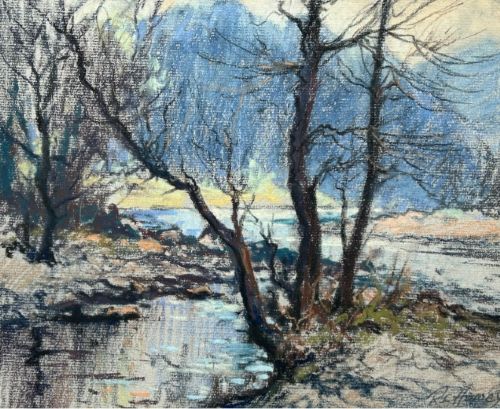
A pastel landscape painting brings the soft, chalky immediacy of pigment directly onto paper, capturing light and scenery with subtle texture.
Pastel Landscape Painting
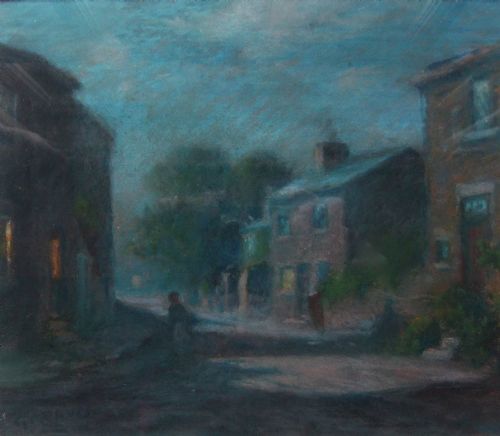
When you search for a pastel landscape painting, you encounter works spanning from the nineteenth century through the mid twentieth century, including Edwardian examples and pieces from the nineteen-fifties and nineteen-sixties. These works depict rural scenes, harbours, woodlands, and country lanes executed primarily on paper or card.
The most common versions on this page are mid-century British landscapes, alongside earlier Victorian and Edwardian interpretations. Artists utilise pastel either alone or mixed with gouache and watercolour to render atmospheric skies, trees, and open fields.
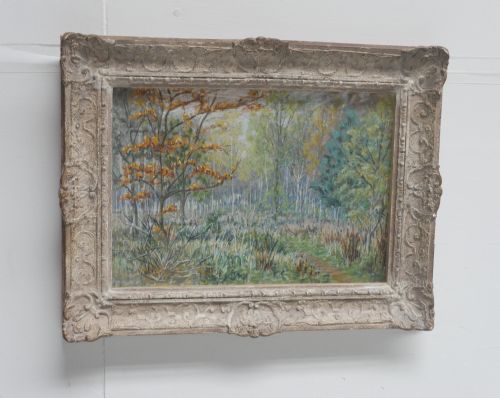
Framed behind glass to protect the delicate pigment, these works range from intimate village views to large pastoral scenes. The subject matter extends across English and European locations, recording topography through distinct regional schools.
Materials and technique
Makers apply compressed pigment sticks directly onto paper, sometimes combining pastel with gouache, watercolour, or ink to build depth and contrast. The dry medium relies on the tooth of the paper to hold the coloured dust in place.
Works are typically mounted beneath glass within wooden or gilt wood frames, sealing the surface against accidental smudging and moisture. This method preserves the powdery brilliance of the pigment without the need for varnishes that alter tone.
Materials recorded across these listings include paper, pastel, glass, wood, watercolour, canvas, gilt wood, and gouache.
Judging the work
Distinction in these works rests upon the handling of light and the surety of line, where deft application creates atmospheric depth rather than static colour. Strong composition and confident handling distinguish accomplished studies from timid exercises.
The relationship between the pastel work and its framing matters greatly, as original gilt wood or period surrounds protect the fragile medium and preserve the historical integrity of the piece.
Robert Leslie Howey·Joseph Knight·William Greaves·Gyrth Russell·John Hobson Nicholson·Berthe des Clayes·Bertouch·Angus Rands·Lamorna Birch·Henry Bright·Leonard Richmond·Paul Koehler·Herbert St John Jones·Carl Otto Fey·Rudolf Helmut Sauter
The Pastel Landscape Painting Glossary
- Pastel
- A dry painting medium composed of powdered pigment and a binder, shaped into sticks for direct application onto paper. It yields a velvet texture and luminous colour.
- Gouache
- An opaque water-based paint often used alongside pastel to add solid highlights and dense areas of tone. It provides stark contrast to the softer chalk medium.
- Gilt Wood
- Wood carved and covered with a thin layer of gold leaf, commonly used for framing antique artworks. These frames provide period appropriate housing for works on paper.
- Impressionist
- A style focusing on the accurate depiction of light and its shifting qualities rather than minute detail. Artists working in this manner use rapid, visible strokes.
- Tooth
- The texture of paper that grips the dry pastel pigment and holds it securely on the sheet. Heavier tooth allows for multiple layers of colour.
Pastel Landscape Painting: Frequently Asked Questions
Why are these works kept under glass?
Glass protects the vulnerable pigment from touch, airborne dust, and atmospheric moisture that causes degradation over time.
Because pastel has no wet binder to permanently seal it to the paper, any physical contact removes the fine dust.
Are pastels considered drawings or paintings?
Art historians and makers classify them as both, since the medium bridges the linear quality of drawing with the colour coverage of painting.
Many listings use both terms interchangeably depending on how heavily the artist layered the pigment.
How do I date an antique pastel?
Dating relies on the framing materials, paper types, artist signatures, and stylistic traits typical of specific decades like the Edwardian era or the nineteen-fifties.
Examine the backing boards and inscriptions left by the artist or previous galleries for clues to the exact period.