


Framed Architectural Ruins Art
Framed architectural ruins art captures the enduring appeal of classical remnants and weathered masonry through centuries of dedicated observation.
Framed Architectural Ruins Art
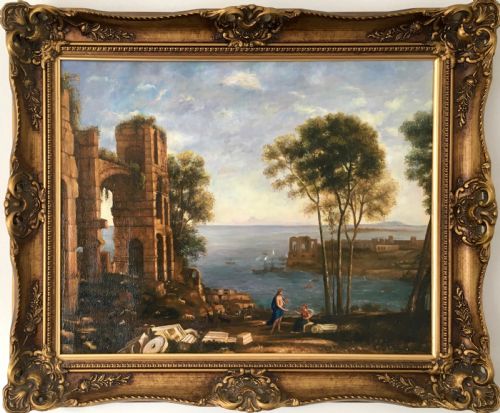
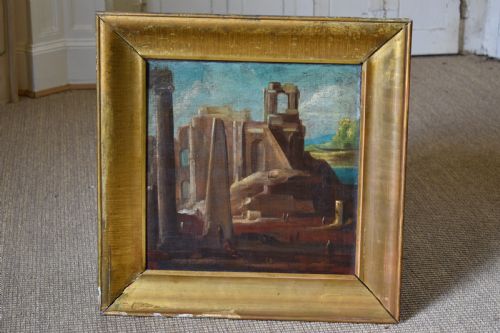
When you search for framed architectural ruins art, you encounter a focused selection of watercolours, oil paintings, and prints depicting classical remnants, abbeys, and ancient sites. These works capture the fascination with antiquity and landscape across several centuries of artistic interpretation.
The pieces on this page lean heavily into the Grand Tour tradition and Neoclassical aesthetics, recording sites such as Pompeii, Rome, and historic British abbeys. You will frequently meet 19th-century watercolours and oil paintings alongside earlier etchings and Georgian romantic interpretations.
Subjects range from precise topographical records of the Forum and the Colosseum to atmospheric visions of medieval decay. Each work brings a distinct sense of place and historical depth to the wall.
How they were made
The physical objects rely on traditional paper, canvas, and wood panels as supports for watercolour, oil paint, ink, and coloured prints. Artists applied these media with careful attention to atmospheric light, weathered stone textures, and perspective.
Framing typically involves wood and gilt wood moulding, often enhanced with gold leaf to complement the classical subject matter. Glass protects works on paper and delicate watercolours from environmental moisture and handling.
Periods represented across the artworks span the eighteenth century, the Georgian era, the nineteenth century, and the early twentieth century.
What varies in quality
Quality rests on the precision of the draughtsmanship and the artist's ability to render the play of light across crumbling masonry. The strongest pieces demonstrate a deep understanding of perspective and scale when depicting monumental architecture.
The depth of historical engagement also separates standard decorative plates from exceptional works. Pieces rooted in direct observation of sites like Pompeii or Rome carry greater artistic weight than generic studio compositions.
Giovanni Paolo Panini·Francesco Piranesi·Fred Lawson·Tom Dudley·William Crouch·Lamorna Birch
The Framed Architectural Ruins Art Glossary
- Grand Tour
- A cultural journey of Europe formerly undertaken by young upper-class European men as a part of their education. In art, it generated a demand for topographical views of classical ruins.
- Neoclassical
- A Western cultural movement inspired by the classical arts and culture of ancient Greece or Rome. Works in this style emphasise austere dignity, proportion, and classical architectural motifs.
- Etching
- A printmaking process where lines are incised into a metal plate with acid before ink is applied. This technique allowed artists to produce detailed linear views of architectural scenes.
- Topographical
- Depicting a particular place accurately and in detail. These works serve as visual records of specific archaeological sites and historic buildings.
Framed Architectural Ruins Art: Frequently Asked Questions
What periods do these ruin artworks come from?
The pieces span from the eighteenth century through the nineteenth and into the early twentieth century. They reflect shifting artistic responses to classical and medieval architecture over these decades.
Earlier items often connect directly to printmaking traditions and the Grand Tour, while later examples capture specific British and European historical sites through watercolour and oil.
How were these framed pieces used historically?
Historically, these artworks were displayed in private libraries, drawing rooms, and studies by collectors who valued classical learning. They served as conversation pieces and reminders of travel across Europe.
Today, they function similarly in domestic interiors, bringing historical depth and traditional atmosphere to wall displays.
Are these works original paintings or prints?
The selection includes a mixture of unique original works and historic prints. You will find original watercolours, oil paintings on canvas or panel, alongside period etchings and coloured plates.
Each listing specifies the exact medium, allowing you to distinguish between hand-painted watercolours and printed works on paper.
How do I care for framed watercolours with ruins?
Works on paper and watercolours require protection from direct sunlight to prevent fading of the pigments and paper degradation. Maintaining a stable indoor humidity helps preserve both the paper support and the wooden or gilt frame.
Keeping the protective glass clean and ensuring the backing remains secure will protect the artwork from dust and atmospheric pollutants.