
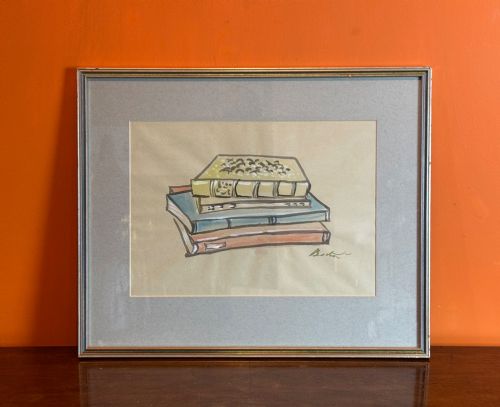


Paper Ink Illustration
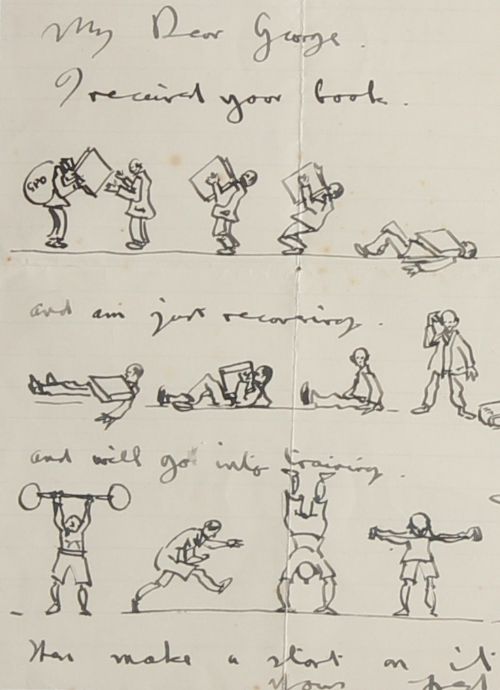
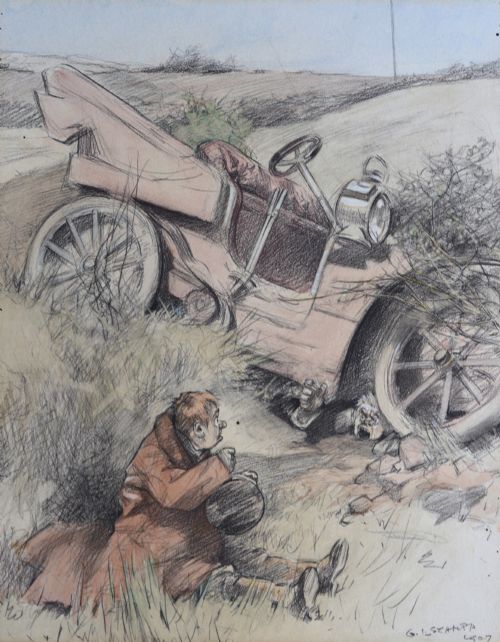
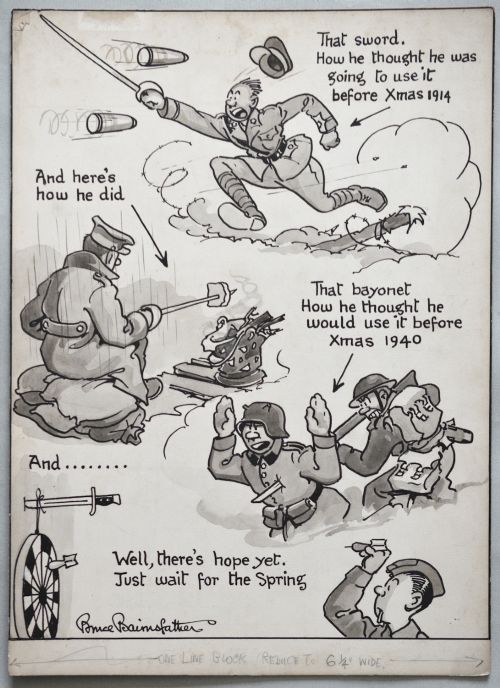
When you look for paper ink illustration, you encounter original drawings and watercolours spanning from the eighteenth century through to the mid twentieth century.
Paper Ink Illustration
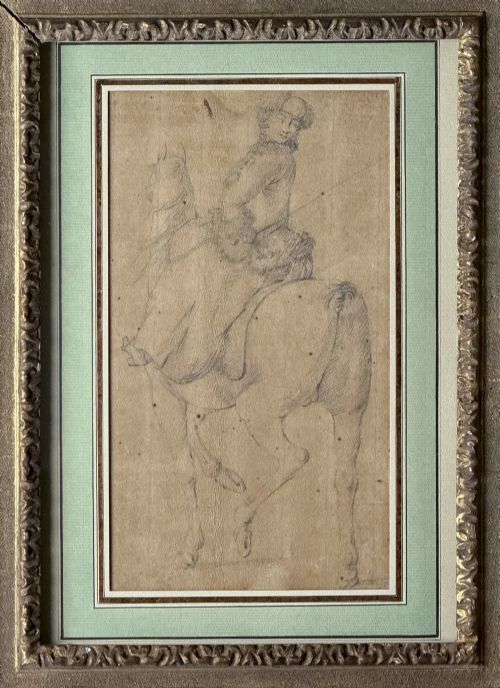
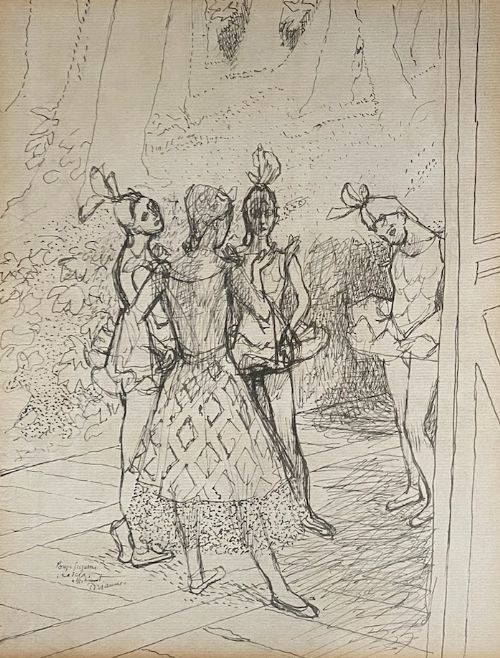
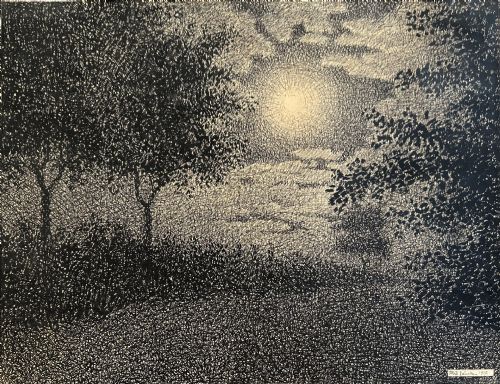
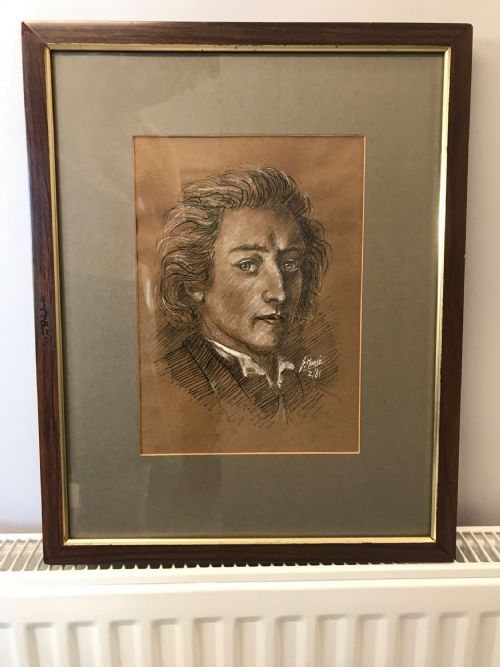
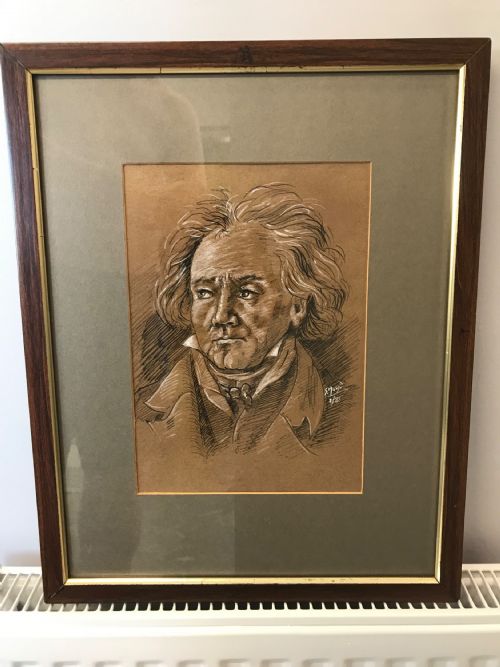
A paper ink illustration search brings up original works on paper executed in pen, ink, wash, watercolour and gouache, often framed as artwork. These pieces range from detailed architectural plans and anatomical studies to loose landscape sketches and portrait drawings.
The selections you find here lean heavily towards works from the eighteenth, nineteenth and early twentieth centuries, alongside mid-century examples. You will frequently encounter framed drawings, original sketches and watercolours carrying distinct historical or artistic attribution.
How they were made
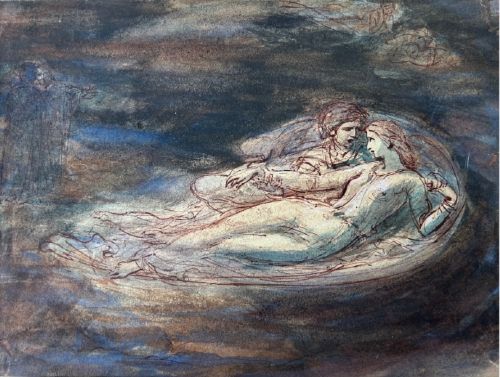
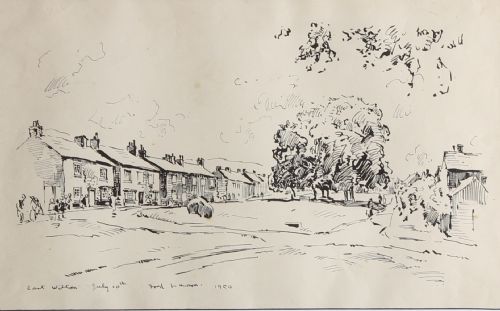
Artists typically worked on paper supports using iron gall or carbon inks applied with pen or brush, often combining pencil underdrawing with liquid washes to build depth. Many examples layer watercolour, gouache or bodycolour over the initial ink lines to introduce tone and colour.
The secondary supports involve traditional framing under glass, occasionally accompanied by wood backing frames that protect the fragile paper medium from environmental moisture and handling.
Listings feature works created using paper, ink, wood, glass, watercolour, wash, pencil and gouache.
What varies in quality
Quality rests upon the sureness of the draughtsmanship and the artist's economy of line, where confident, deliberate strokes distinguish accomplished original work from hesitant practice pieces. The retention of pigment vibrancy in the watercolour and wash elements also marks out superior examples.
The survival condition of the paper itself dictates much of the standing, with unblemished paper surfaces, minimal foxing and clean presentation under glass preserving the integrity of the original illustration.
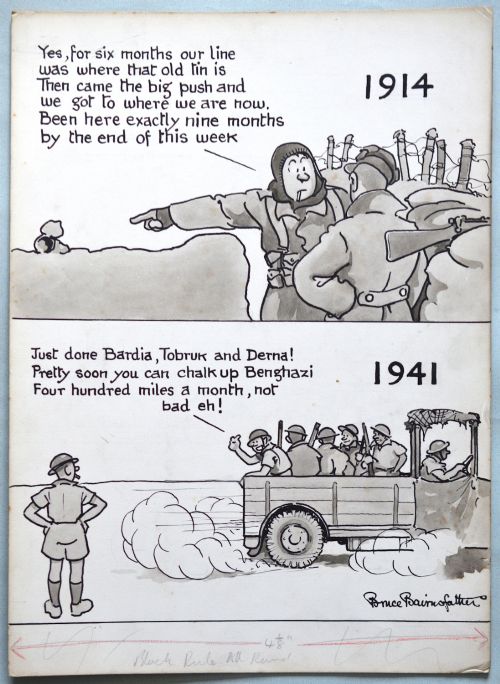
Fred Lawson·George Lorain Stampa·Bruce Bairnsfather·William Marshall Craig·Maurice Brianchon·Cecil Beaton·Herbert Dicksee·Edward Dayes·Louis Wain·Lucien Freud·Thomas Rowlandson·Dame Laura Knight·John Duncan Fergusson·Kees van Dongen·Theobald Chartran·Joseph Hansom
The Paper Ink Illustration Glossary
- Gouache
- An opaque watercolour paint made from pigment mixed with a water-soluble binder and added white filler material. It provides solid, flat areas of colour that contrast with transparent ink lines.
- Wash
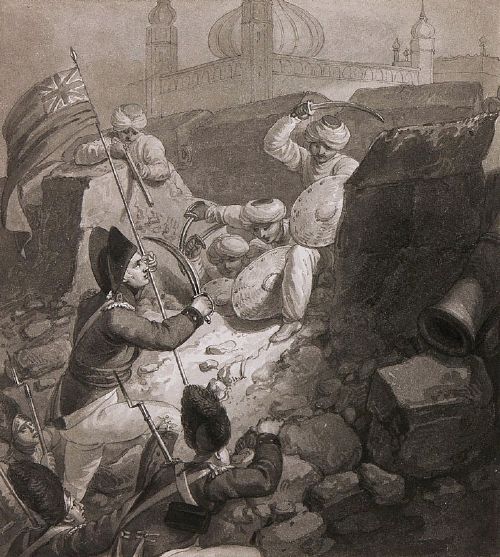
- A diluted layer of ink or watercolour brushed across paper to create smooth tonal gradients and shadow. It is frequently paired with fine pen work to define architectural or figurative subjects.
- Etching
- A printmaking process where lines are bitten into a metal plate with acid before ink is applied and transferred to paper. It shares the linear precision often seen in ink illustrations.
- Gothic Revival
- An architectural and artistic style from the eighteenth and nineteenth centuries drawing inspiration from medieval forms. Works in this vein often depict ecclesiastical or historical structures.
- Foxing
- Brown age spots that appear on old paper due to chemical reactions in the pulp. Collectors assess how much these spots interfere with the integrity of the illustration.
Paper Ink Illustration: Frequently Asked Questions
How should I hang original paper works?
Keep works on paper away from direct sunlight to prevent the ink and watercolour pigments from fading over time. Ensure the room humidity remains stable to protect both the paper support and any wooden framing.
Use UV-resistant glazing when framing or reframing to provide an extra layer of defence against light damage. Professional mounting with acid-free materials prevents the paper from degrading against the backing board.
How do I identify eighteenth-century drawings?
Examine the paper closely for chain lines and watermarks, which are typical of handmade laid paper used during the eighteenth century. The palette often relies on sepia or bistre ink washes combined with restrained watercolour tints.
The subject matter frequently reflects Grand Tour themes, classical studies or topographical landscapes typical of the period's academic training. Signatures, if present, tend to be written in period script or monogrammed discretely in the corner.
What is the difference between wash and watercolour?
A wash uses a single pigment, typically black, brown or grey ink, diluted to create monochromatic tones and shadows. It is primarily used to add depth and volume to linear pen sketches.
Watercolour employs a full spectrum of coloured pigments suspended in a water-soluble vehicle to render fully painted scenes. While washes emphasise line and shadow, watercolour relies on hue and transparency.
Are architectural drawings different from fine art?
Architectural drawings serve a precise instructional purpose, detailing building plans, elevations or decorative schemes for construction or academic submission. They often include scale measurements, ruling lines and notations alongside the ink illustration.
Fine art drawings prioritize aesthetic expression, narrative illustration or portraiture over technical exactness. However, architectural plates from earlier centuries are frequently collected as works of graphic art due to their meticulous draughtsmanship.