

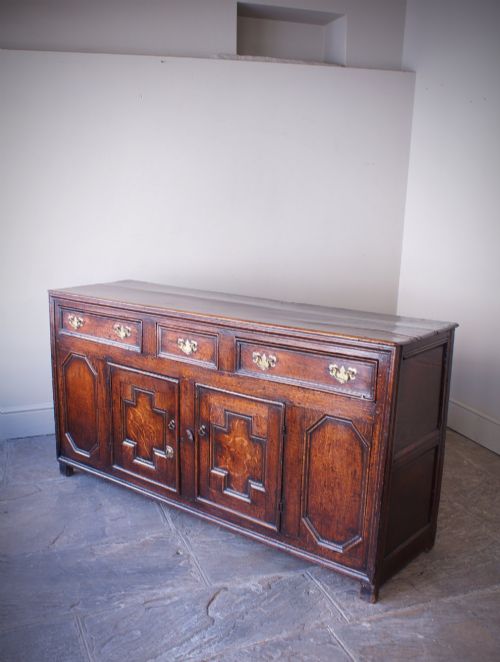
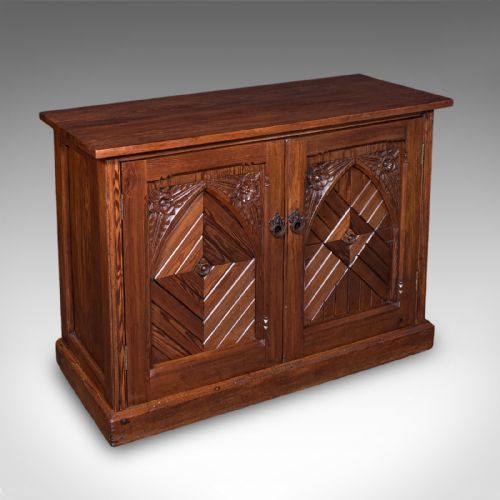
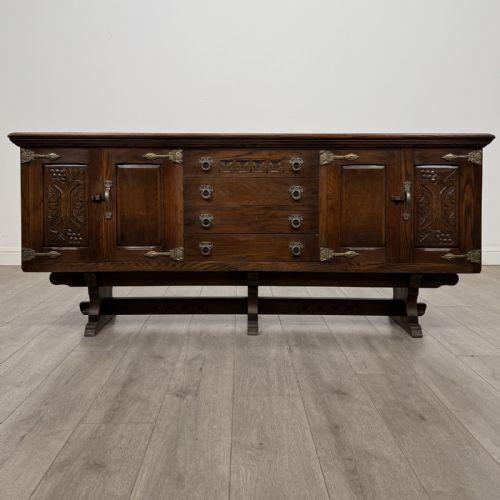
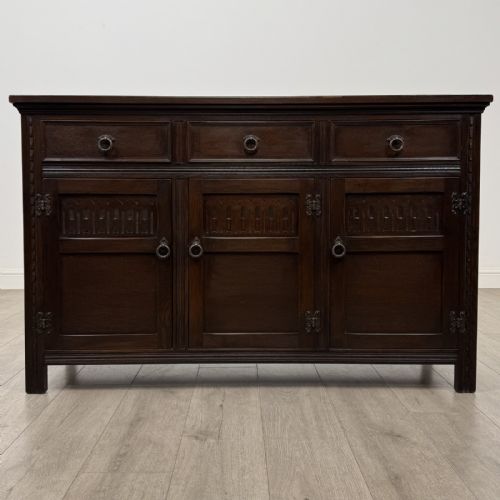
Panelled Wood Sideboard
A panelled wood sideboard brings solid timber construction and historic character into a dining room or hallway, offering generous storage behind doors.

Panelled Wood Sideboard
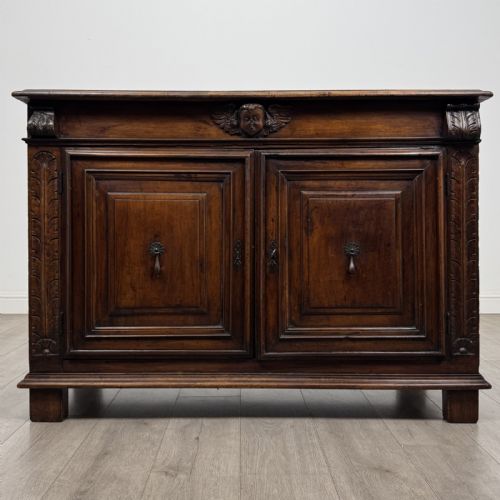
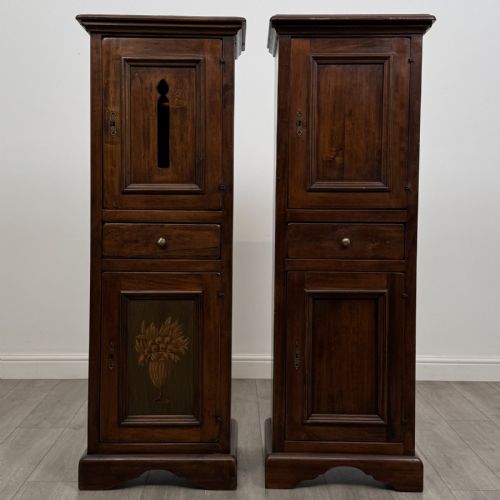
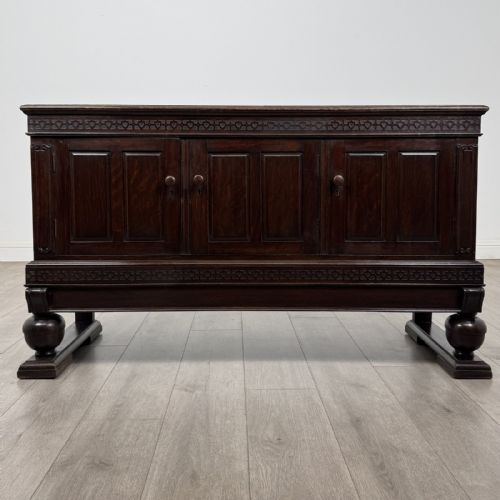
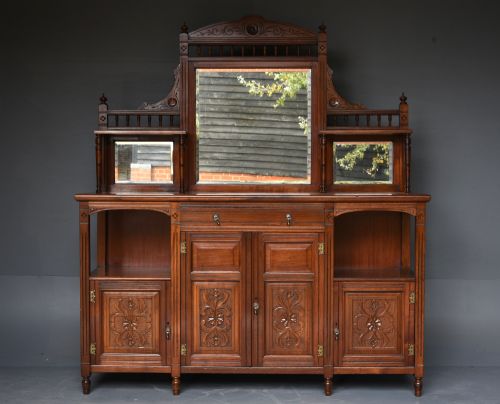
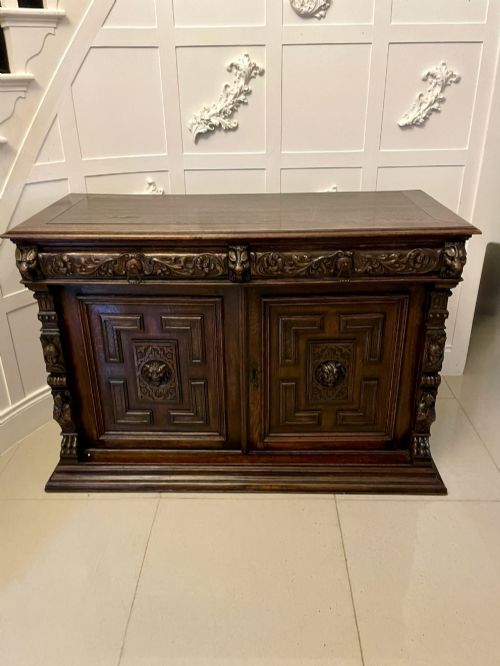
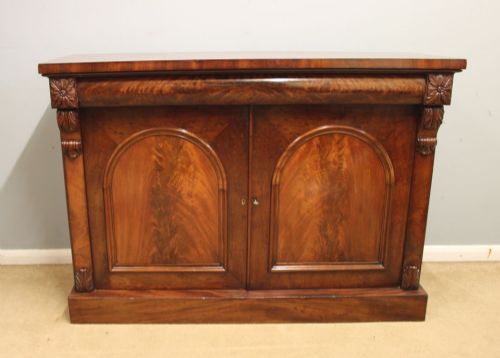
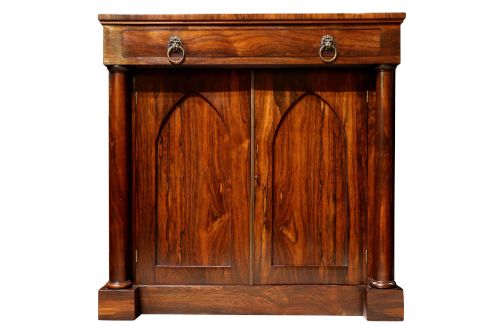
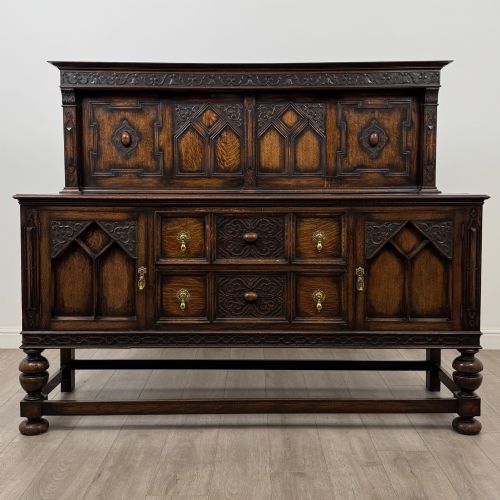
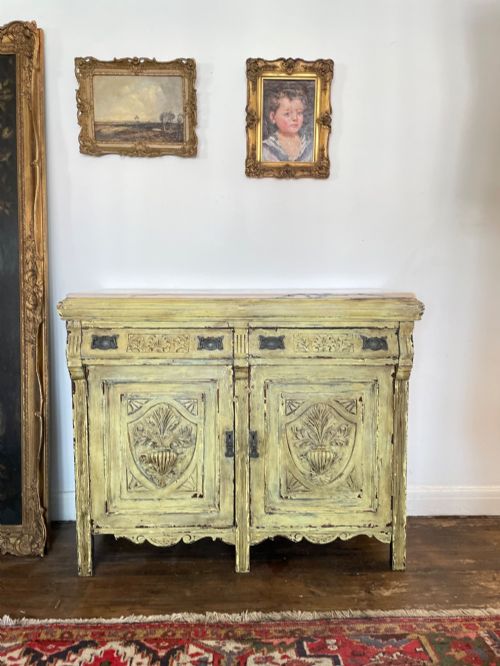
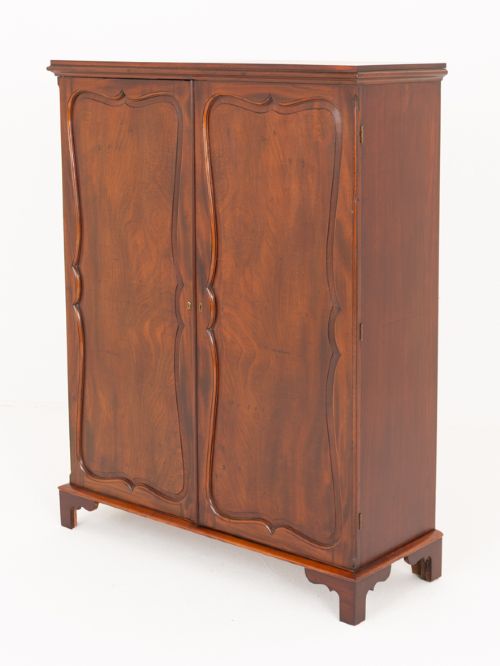
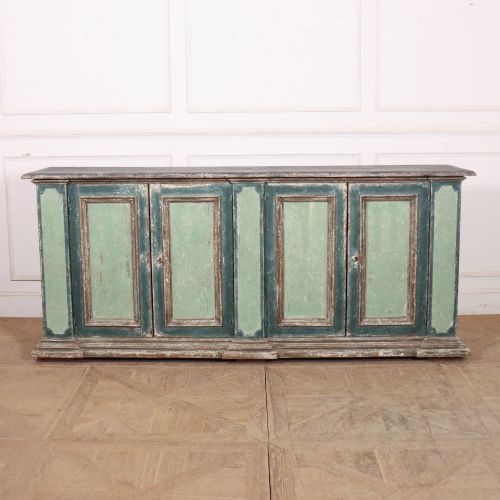
A panelled wood sideboard encompasses heavy oak court cupboards from earlier centuries, refined mahogany and rosewood side cabinets from the Regency and Victorian eras, and larger carved buffets. These pieces serve as storage units in dining spaces, hallways and living rooms, configured with cupboards, drawers and panelled doors.
The versions most commonly met on this page span the 18th century, Victorian period, and Regency era, constructed in native and exotic timbers. Styles range from simple Georgian and French provincial designs to heavy Jacobean and Renaissance Revival carvings.
Makers utilised architectural panelling, inset brass grilles, and silk or fabric pleated door inserts to add texture to large wooden facades. Side cabinets, chiffoniers and dresser bases share this lineage of enclosed storage.
Materials and Construction
Makers built these pieces primarily from solid hardwoods including oak, mahogany, walnut, and rosewood, occasionally incorporating secondary timbers like pine or fruitwood. Timber selection dictated the weight and colour of the finished sideboard, ranging from deep brown oak to rich red mahogany and dark figured walnut.
Joinery methods rely on traditional frame-and-panel construction, allowing the solid timber to expand and contract with environmental changes without splitting. Carvers decorated surfaces with hand-cut relief work, whilst turners shaped supporting columns and feet.
Hardware details involve brass handles, hinges and escutcheons, alongside specialist insertions such as pink marble tops on continental buffets or pleated silk behind glazed or grille panels.
Panelled Wood Sideboard Retail Price Guide 2026
Typical asking prices for panelled wood sideboard among the pieces listed under this phrase on Sellingantiques today, from the lower quarter to the upper quarter. They describe what is for sale here now, not the wider market.
French country bakers occasionally traded flour for carved chestnut, leaving behind rustic buffets topped with striking pink marble.
Quality Indicators
Quality rests upon the selection of timber and the depth of skill in the carving and joinery. Finer pieces display dense grain figures, crisply executed mouldings, and well-proportioned architectural framing rather than flat, mechanically produced surfaces.
The integrity of the construction determines longevity, visible in tight joints, original backboards, and matching timber matching across large panelled doors. Secondary woods hidden inside drawers and carcases should match the quality standard of the exterior.
The Panelled Wood Sideboard Glossary
- Court cupboard
- An enclosed historic storage piece, often constructed from oak, featuring recessed upper sections supported by carved columns.
- Chiffonier
- A compact sideboard or low cabinet developed during the Regency and Victorian periods, frequently equipped with panelled or fabric-backed doors.
- Dresser base
- A long, low wooden table fitted with drawers and cupboards beneath the main surface, originating in English country houses.
- Breakfront
- A cabinet design where the central section projects forward from the flanking cupboards, creating a varied silhouette.
- Escutcheon
- A protective metal plate surrounding a keyhole, commonly cast in brass and fixed to cabinet doors.
Panelled Wood Sideboard: Frequently Asked Questions
How do I care for a wood sideboard?
Keep the timber clean with a soft, dry cloth and apply a quality beeswax periodically to nourish the grain. Avoid placing antique furniture near direct heat sources or in fluctuating humidity.
Protect the surface from liquid spills and hot items by using coasters and placemats, ensuring the historic polish remains undamaged over years of daily use.
Where should I place a sideboard?
A sideboard sits naturally against a dining room wall to store tableware, linens and serving dishes within easy reach. They also function well in large hallways or living spaces to hold lamps and decorative objects.
Ensure you measure both the floor space and clearance for opening doors before positioning the piece, as older cabinets often feature projecting cornices or deep panels.
What is the difference between a chiffonier and a sideboard?
A chiffonier is typically smaller and lower than a traditional sideboard, emerging in popularity during the Regency and Victorian eras. They often feature enclosed cupboard doors lined with silk or fabric.
Standard sideboards offer larger proportions with multiple doors and drawers designed specifically for extensive dining room storage and serving utility.
How do I identify a Regency period piece?
Regency sideboards and cabinets often utilise rosewood or mahogany veneers, sometimes enhanced with brass inlay, gilt mounts or pleated fabric panels. The styling draws inspiration from classical antiquity.
Look for clean architectural lines, rosewood grain patterns, and characteristic hardware that match the early nineteenth-century timeline without heavier Victorian carving.