





Panelled Geometric Wool Rug
A panelled geometric wool rug brings together tribal weaving traditions, structured compartment layouts and warm natural dyes into a compact floor or wall covering.
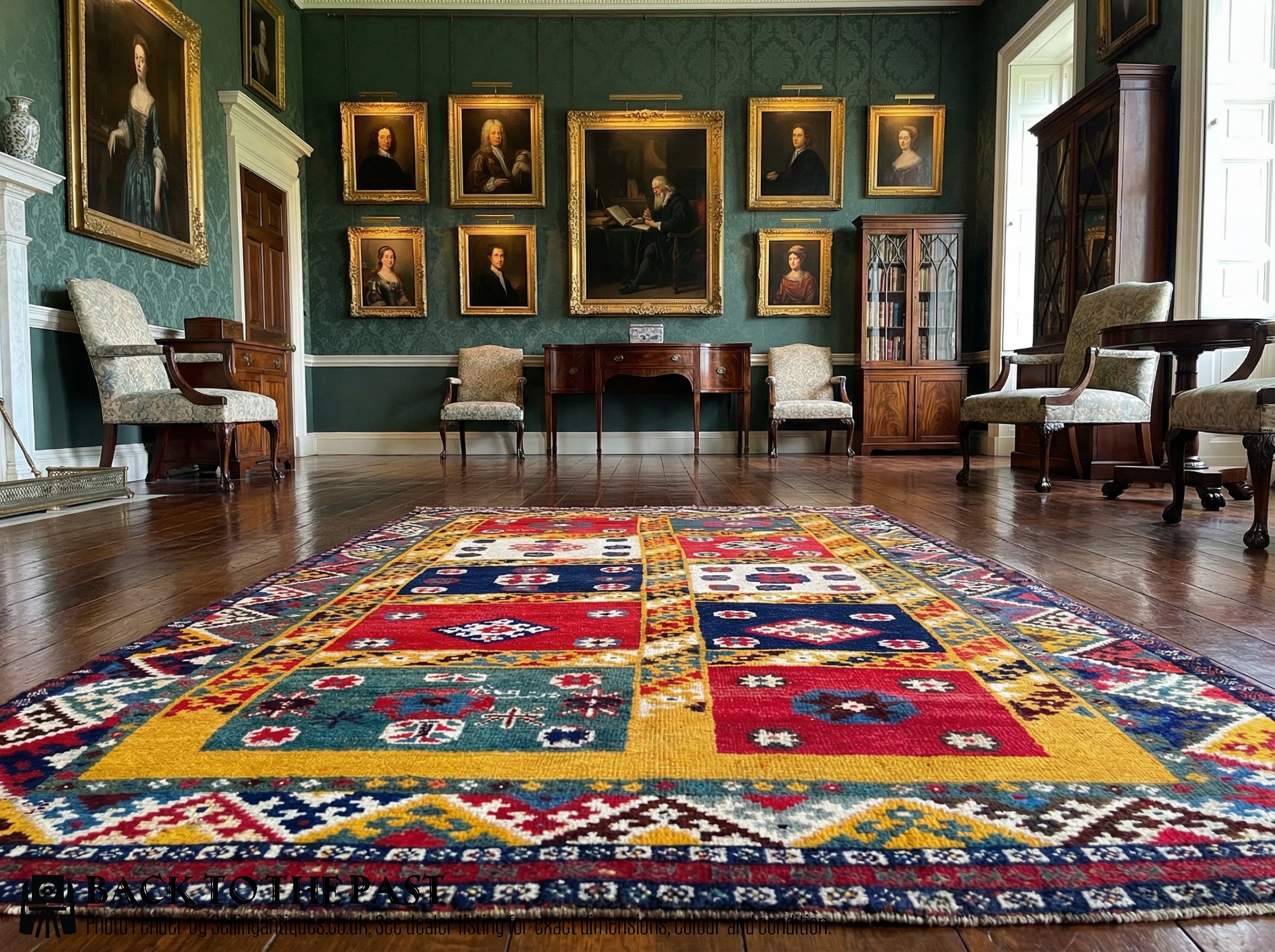
Panelled Geometric Wool Rug
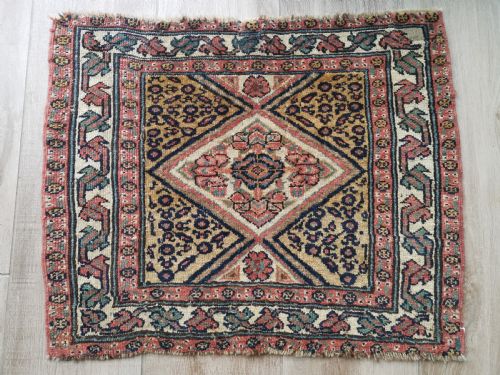
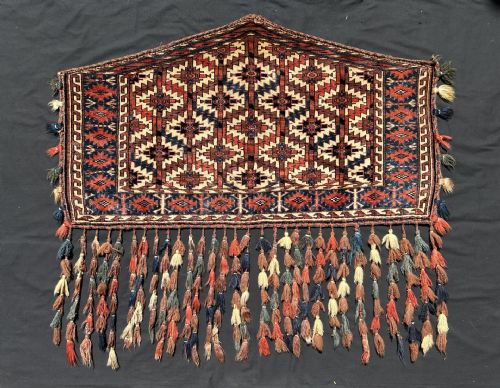
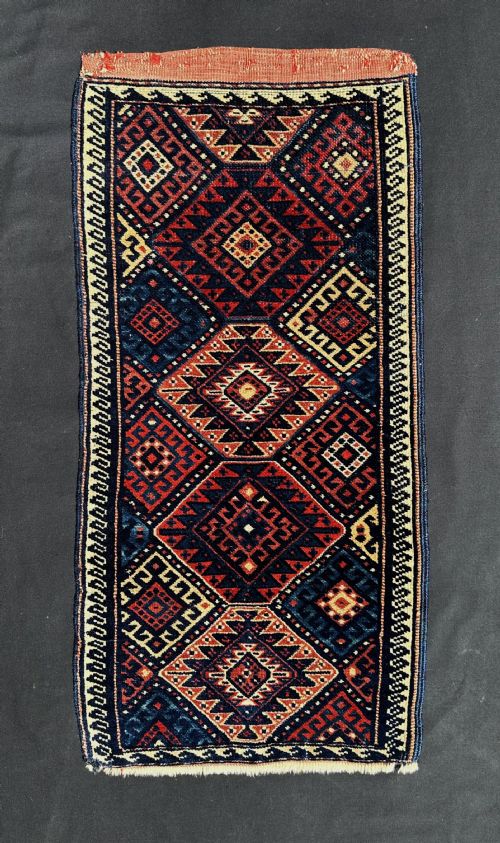
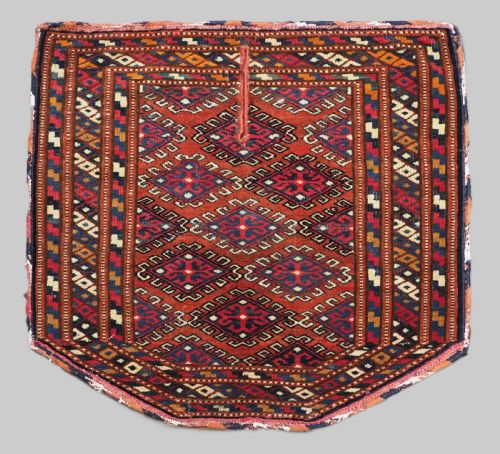
A panelled geometric wool rug comprises regional tribal weavings, bag faces, and kilim fragments originating from nineteenth-century Persia, Central Asia, and the Caucasus. These textile forms include Shahsavan sumac bags, Yomut torbas, Uzbek kilim panels, and Qashqa'i compartments, reflecting distinct nomadic weaving heritage.
The layout typically relies on repeated guls, medallions, or banded weft work arranged within distinct panels or storage bag formats. Pieces from this selection range from nineteenth-century saddle covers and pillow bag faces to complete tribal rugs and assembled fragments.
Tribal groups such as the Yomut, Tekke, Saryk, Shahsavan, and Qashqa'i produced these textiles for practical tent storage, horse furniture, and domestic use. The common thread uniting them is a disciplined adherence to rectilinear motifs and segmented composition.
Materials and construction
Weavers utilised hand-spun wool for its resilience and ability to take rich colour, often paired with cotton foundations for structural stability in specific regional types. The fibre preparation involved spinning local wool by hand to produce durable yarns suited to daily nomadic wear.
Natural dyes provide the palette, yielding deep madder reds, indigos, and earth tones that mellow gradually over time. These organic colourants interact with the wool fibres to create subtle tonal variations across individual panels.
Construction techniques span soumak wrapping, flat-weave kilim construction, and pile knotting depending on the tribal origin and intended function. Bag faces and mafrash panels showcase precise weft-faced work and embroidered cicim details executed on portable looms.
Panelled Geometric Wool Rug Retail Price Guide 2026
Typical asking prices for panelled geometric wool rug among the pieces listed under this phrase on Sellingantiques today, from the lower quarter to the upper quarter. They describe what is for sale here now, not the wider market.
Nomads designed many of these portable storage faces so their camels and horses travelled with the finest geometric upholstery on the steppe.
Distinguishing quality in tribal textiles
Quality rests upon the crispness of the geometric drawing, the saturation and depth of the natural dyes, and the integrity of the wool. Superior examples display precise symmetry in their panelled layouts and tight, even packing of the weft.
The handling of secondary details, such as the execution of minor guls and border systems, reveals the skill of the individual weaver. Finer pieces maintain structural tautness and retain their original selvedges and framing elements without distortion.
The Panelled Geometric Wool Rug Glossary
- Gul
- A primary octagonal or repeating medallion motif used extensively in Turkmen and Central Asian tribal weavings. These motifs often act as clan emblems or traditional design anchors.
- Torba
- A small rectangular storage bag produced by nomadic tribes for domestic use inside a yurt or tent. They typically feature wide banded designs or repeating guls along the face.
- Soumak
- A flat-weave technique where coloured weft threads are wrapped over and under warp threads to create a textured, durable surface resembling embroidery. This method provides extra thickness and structural firmness.
- Mafrash
- A large rectangular storage bale or chest panel woven in sections by Shahsavan and Caucasian nomads. These panels are frequently separated and repurposed into flat decorative wall hangings or small rugs.
- Cicim
- A brocade-like embroidery technique worked on a plain-weave foundation, commonly found in Turkish and Anatolian tribal panels. It creates raised geometric patterns across the surface.
Panelled Geometric Wool Rug: Frequently Asked Questions
What is a panelled geometric wool rug?
These pieces are historical tribal textiles, including saddlebag faces, storage bags, and kilim panels created by nomadic weavers in Persia, Central Asia, and the Caucasus.
They feature structured layouts divided into compartments or rows of geometric guls, woven using hand-spun wool and natural dyes.
How were these tribal bags used?
Nomadic groups utilised these textiles primarily for storage inside tents, carrying household goods, or as horse furniture like saddle covers and asmalyks.
Over time, many functional bag faces and storage panels were separated from their original backings to be used as decorative wall hangings or small floor coverings.
How do I care for an antique wool rug?
Keep these textiles out of direct, harsh sunlight to protect the natural dyes from fading over the years. Regular gentle vacuuming without a rotating brush roll helps remove embedded dust from the wool pile and flat-weave surfaces.
How can I tell different tribal groups apart?
Distinctions rely on the specific configuration of motifs, such as the distinctive guls of the Yomut and Tekke Turkmen, or the compartment systems of Qashqa'i and Shahsavan weavers.
Palette choices and structural techniques like soumak wrapping also point directly to the specific region and nomadic confederation of origin.