
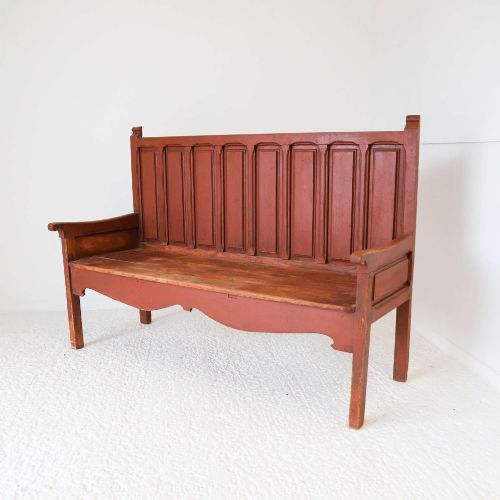
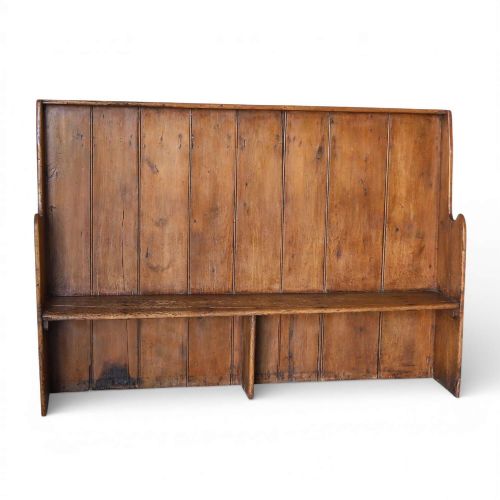
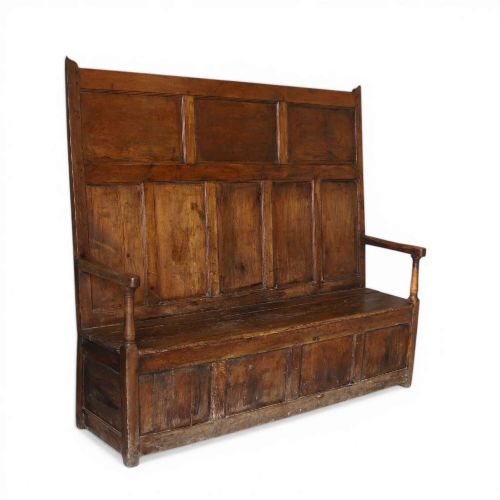
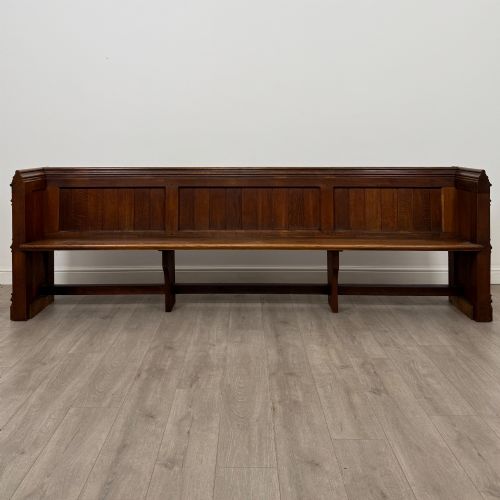
Panelled Back Wooden Bench
A panelled back wooden bench provides solid seating with storage or high backs designed to block cold draughts in older rooms.
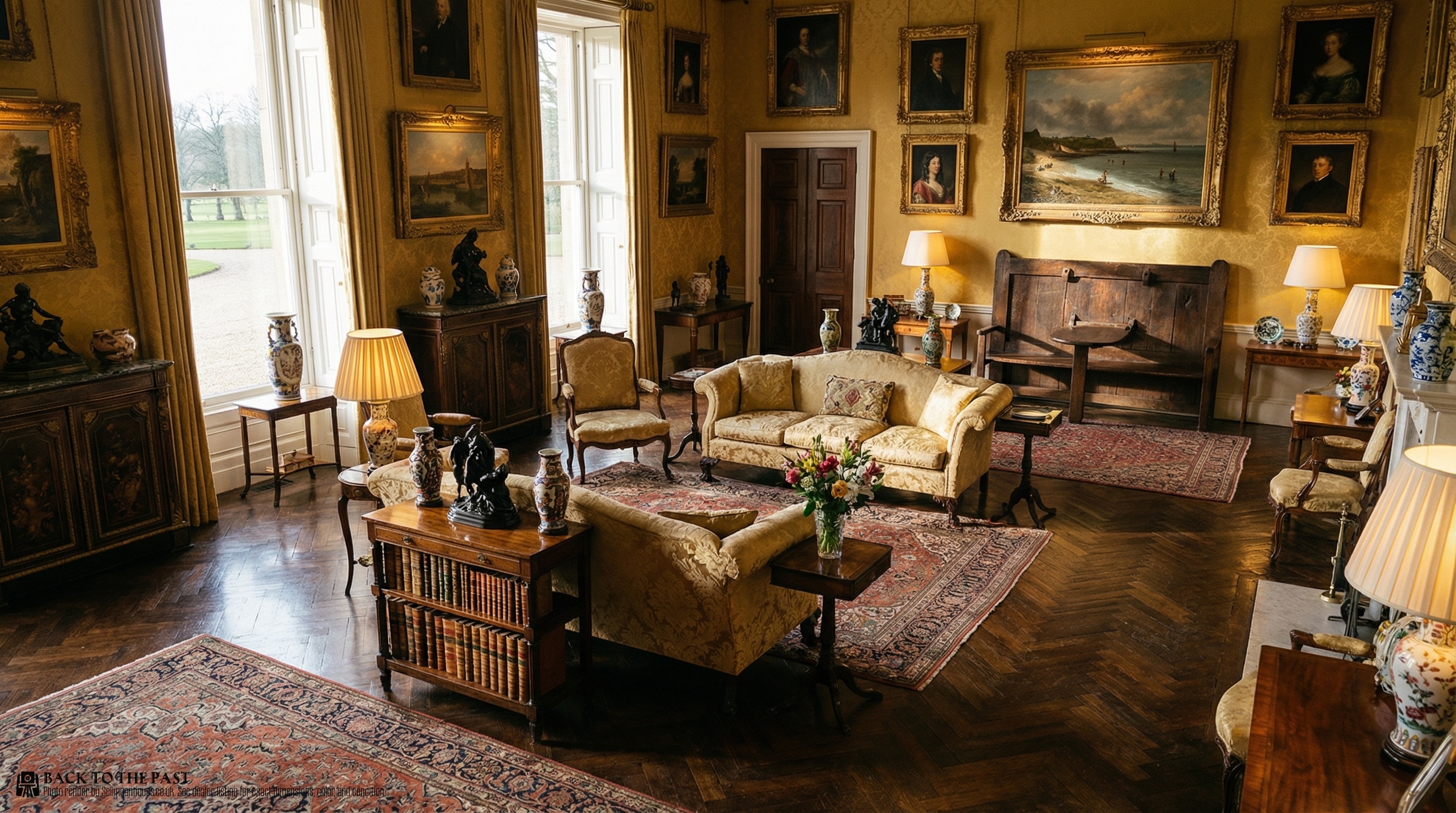
Panelled Back Wooden Bench
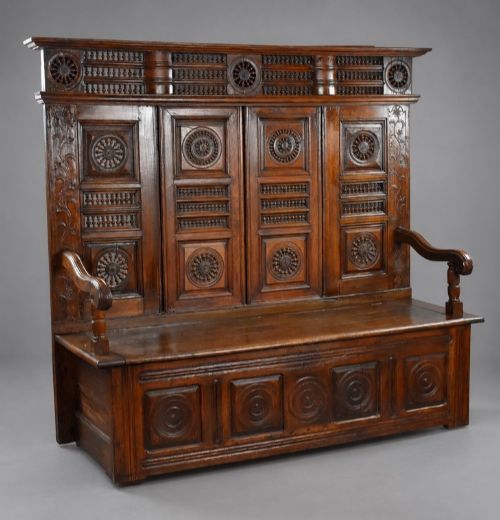
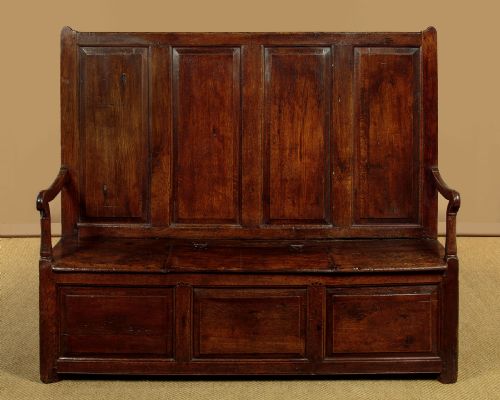
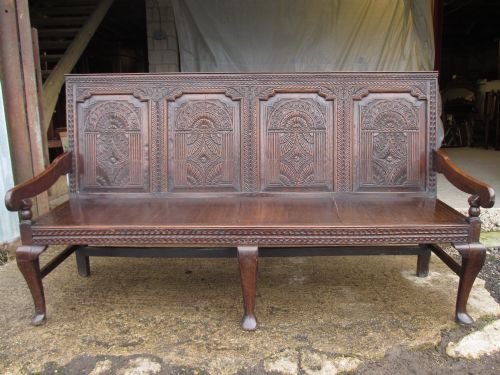
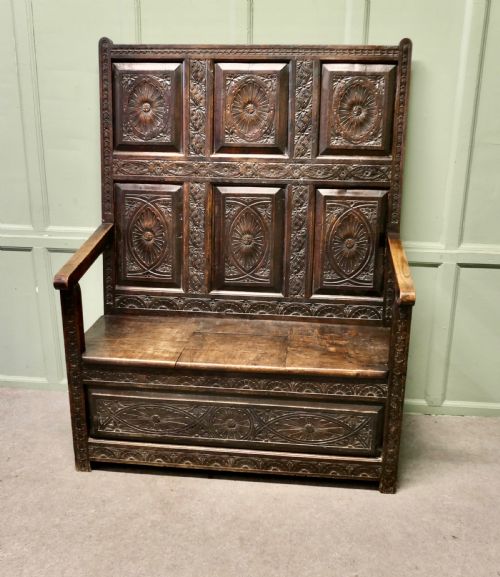
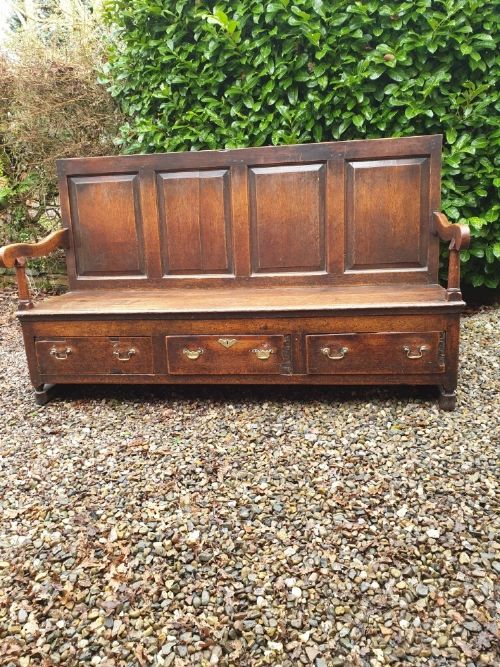
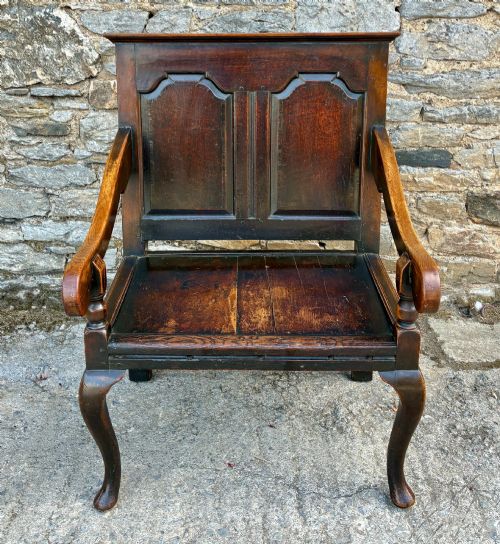
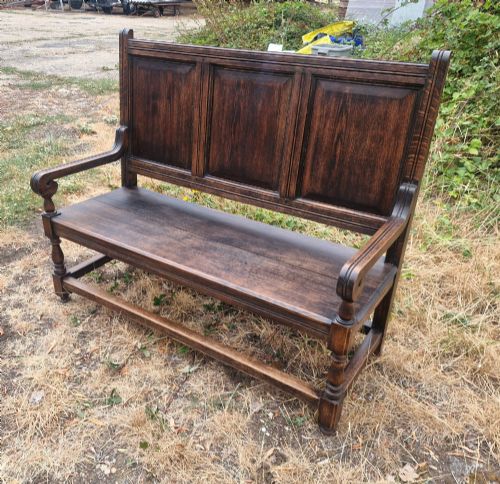
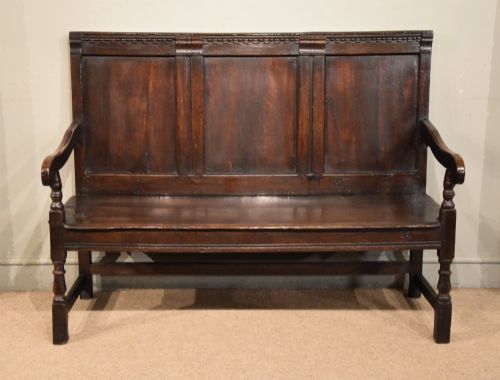
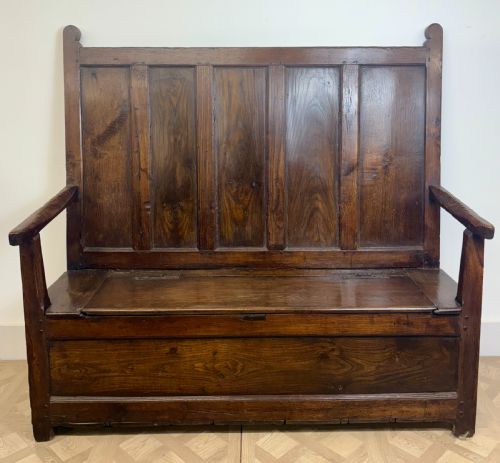
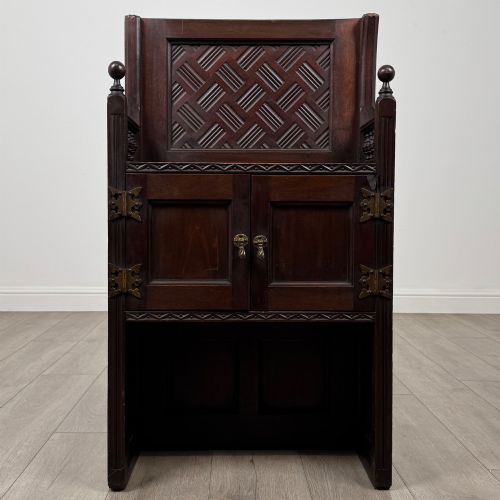
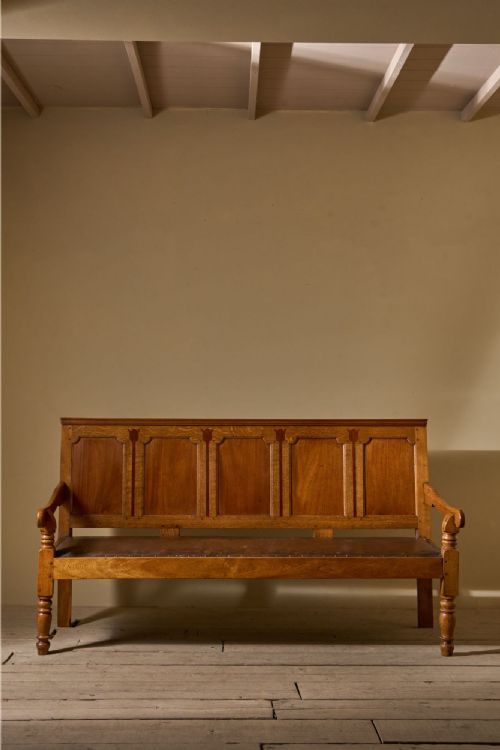
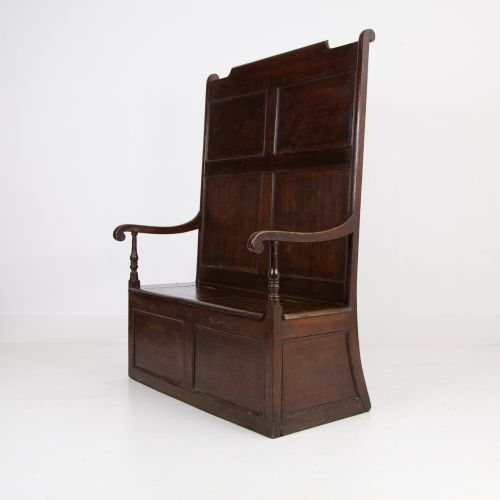
A panelled back wooden bench encompasses traditional settles, hall seats, and high-backed box benches spanning from the seventeenth century through the Edwardian period. Buyers encounter robust vernacular pieces originating from English, Welsh, and continental workshops, often constructed with sturdy panelled backs designed to keep out chills.
The selection ranges from early oak box settles with integrated storage compartments under the seat to later pine and ash examples influenced by regional country styles. Georgian and Victorian iterations dominate the forms, frequently displaying carved panels, wingbacks, or straightforward straight backs intended for hallway and kitchen placement.
Materials and construction methods
Makers relied primarily on native timbers such as oak, pine, and ash, selecting sturdy boards for the structural frames and back panels. Joinery techniques involved mortise and tenon joints secured with wooden pegs, ensuring the benches withstood heavy daily use in domestic settings.
Surface finishes vary from natural waxed honey-brown patina and bleached oak to original paint, limed treatments, and decorative carvings. Subsidiary materials like brass, iron, fabric, leather, and cane appear selectively on hardware, hinges, or associated upholstery elements.
Several examples include carved tulip motifs on the back panels, bringing a touch of botanical whimsy to heavy oak joinery.
Distinctions in craftsmanship and survival
Quality rests upon the integrity of the original timber framing and the depth of the panel carving executed by period artisans. Pieces retaining their early box bases, original hinges, and unaltered surface patinas command greater interest than those subjected to heavy structural alterations.
Proportion and regional character define the upper tier of these seats, particularly where vernacular quirks like concave barrel backs or tulip decorations remain intact. The crispness of period hand-tooling on the wooden panels distinguishes superior workshops from standard vernacular production.
The Panelled Back Wooden Bench Glossary
- Settle
- A wooden bench with a high panelled back and solid arms, often featuring a box base for storage beneath the seat. This form evolved to block draughts in open hall layouts.
- Box settle
- A settle incorporating a hinged seat lid that opens to reveal an enclosed chest or storage compartment. These provided dual utility in traditional domestic interiors.
- Vernacular furniture
- Domestic pieces made by local regional craftsmen using native woods and traditional methods, rather than following metropolitan high-style designs. Such items reflect specific local building traditions.
- Patina
- The surface sheen and colour developed by wood over centuries through handling, waxing, and ageing. A desirable patination indicates genuine surface history.
- Wingback
- A seating design featuring extensions on the upper sides of the backrest. These wings shielded the occupant from side draughts near open hearths.
Panelled Back Wooden Bench: Frequently Asked Questions
Where were these benches placed in old homes?
These seats stood near hearths and in entrance halls where high panelled backs deflected cold draughts from stone floors and doors.
In daily use, they served as communal seating by the fire while the enclosed box bases held blankets or household goods.
How do I tell an 18th-century settle from a Victorian one?
Early pieces from the seventeenth and eighteenth centuries display pegged oak joinery, hand-carved panels, and darker patinas developed through prolonged age.
Victorian and later examples often utilise softer woods like pine, carry machine-sawn components, or exhibit revival styles such as Jacobean carving.
What is the box beneath the seat used for?
The integrated chest compartment provided practical storage for household textiles, firewood, or dry goods in rooms lacking fitted closets.
Hinged lids allowed the seat to double as a functional storage chest without sacrificing floor space.
Can these benches fit in modern hallways?
Their narrow footprints and upright backs allow them to stand flat against hallway walls while offering a sturdy seat for putting on shoes.
Models with built-in storage additionally help conceal everyday clutter in compact modern entryways.