


Paisley Wool Rug
A paisley wool rug brings centuries of woven heritage into a modern room through intricate designs originating from Persian and Caucasian traditions.
Paisley Wool Rug
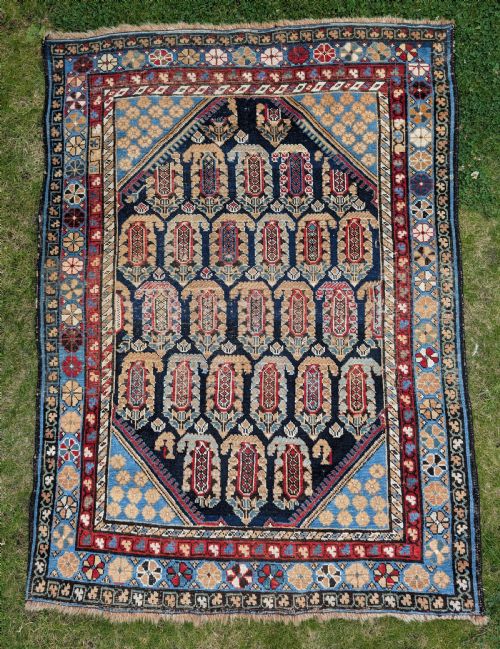
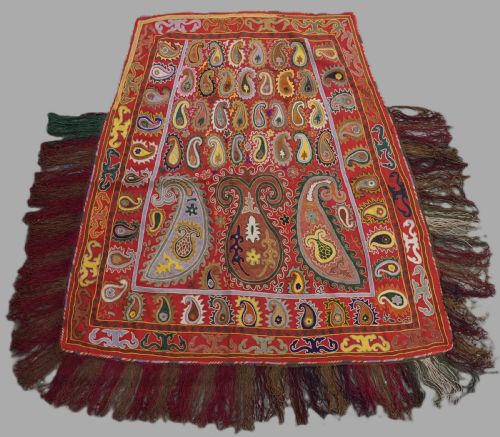
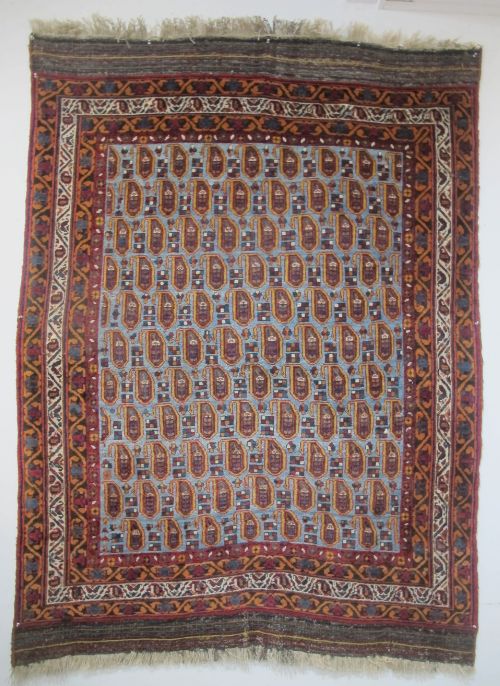
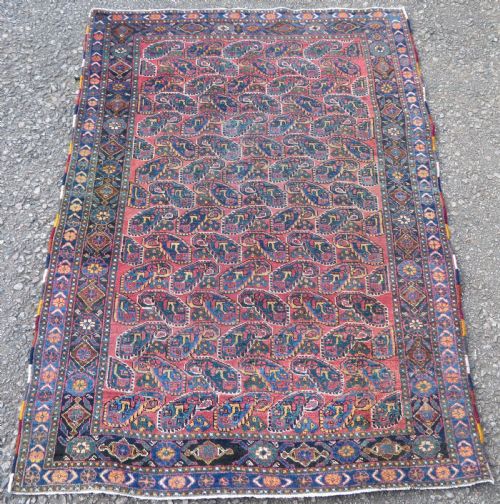
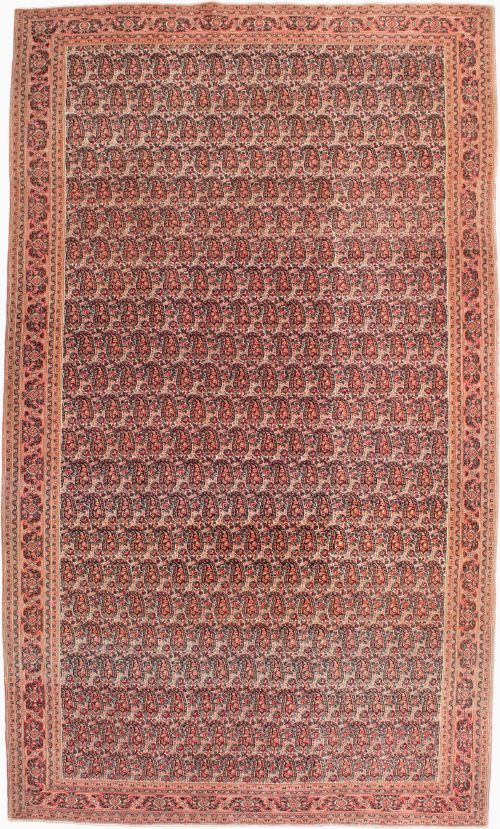
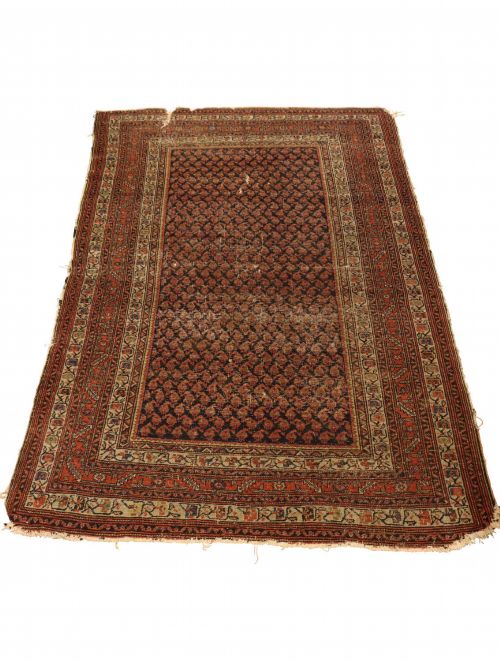
When you search for a paisley wool rug, you are looking at hand-knotted and embroidered floor coverings and textiles that feature the iconic boteh motif, which forms the core of this selection. These pieces originate predominantly from Persian weaving centres and Caucasian regions, spanning the nineteenth and early twentieth centuries from around eighteen-eighty to nineteen-thirty.
The most common formats on this page are village and tribal rugs, runners, and carpets created by traditional weavers in regions such as Afshar, Karabagh, and Qashqai. These textiles utilise wool as their primary material, sometimes combined with cotton, silk, felt, or angora wool to achieve distinct textures and structures.
Makers ranged from nomadic tribal groups to urban workshops producing everything from compact area rugs to large gallery carpets. Each piece demonstrates regional variations in the rendering of the boteh design, from repeating overall patterns to diagonal arrangements.
What varies in quality
The refinement of the knot density and the precision of the curvilinear or geometric drawing dictate the foundational quality of each textile. Tighter knotting allows for sharper delineation of the boteh motifs and greater longevity under foot traffic.
The complexity and depth of the dye palette further differentiate standard pieces from exceptional examples, as master dyers achieved subtle tonal variations using natural materials. Additionally, the integrity of the original selvedges and ends influences the overall preservation state.
Listings span the nineteenth and early twentieth centuries, featuring wool, cotton, silk, felt, and angora wool across Persian and Caucasian styles.
The Paisley Wool Rug Glossary
- Boteh
- A stylised almond-shaped or pine-cone-like motif of Persian origin that forms the defining visual element of these textiles. This ancient symbol appears in repeat patterns, diagonal rows, and flaming configurations across various regional types.
- Selvedge
- The reinforced edge of a rug formed by wrapping the weft threads around the outer warp cords to prevent fraying. Original selvedges indicate a higher degree of preservation and careful finishing.
- Appliqué
- A decorative technique where pieces of fabric, such as silk or felt, are stitched onto a larger foundational textile. This method appears in specific ceremonial covers and wall hangings rather than standard floor carpets.
- Warp
- The vertical threads stretched tightly on a loom that form the structural skeleton of a hand-knotted rug. The pile knots are tied around these stationary foundation threads.
- Weft
- The horizontal threads passed back and forth through the warp threads to pack the knots tightly into place. Weft yarns help determine the rigidity and flatness of the finished textile.
Paisley Wool Rug: Frequently Asked Questions
How do I clean an antique wool rug?
Gentle surface cleaning and regular light vacuuming without a rotating brush help maintain the wool pile safely.
Professional specialist washing is recommended for deep cleaning to protect natural dyes and fragile foundations.
Can I place these rugs in high traffic areas?
Durable wool construction allows many traditional village and tribal rugs to handle moderate household foot traffic.
Fine or delicate silk and antique pieces benefit from placement in lower traffic spaces to preserve their historic integrity.
How do I identify a Caucasian rug?
Caucasian pieces typically display bolder geometric interpretations of motifs, more saturated colours, and specific structural characteristics in their weaves.
Regional variations in border designs and palette choices help distinguish them from Persian counterparts.
What is a boteh design?
The boteh is a traditional teardrop or almond-shaped motif representing a floral or cypress tree form in Middle Eastern textiles.
It appears singly, in all-over arrangements, or in diagonal rows across rugs from Persia, the Caucasus, and surrounding regions.