

Pair Victorian Side Chairs
A pair Victorian side chairs brings matching 19th-century seating into a room, offering both practical utility and period character.

Pair Victorian Side Chairs
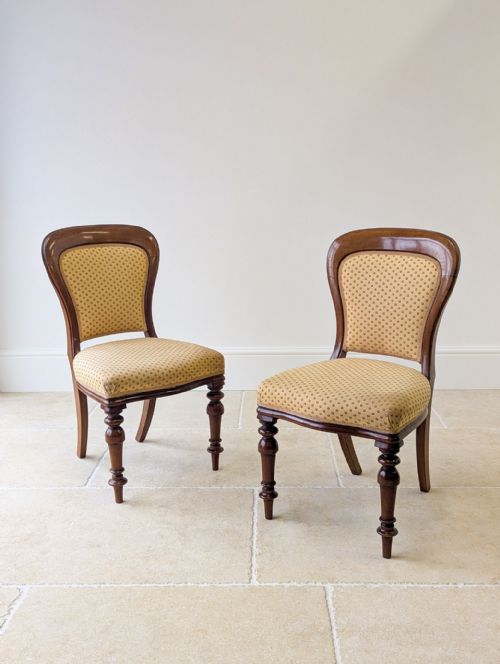
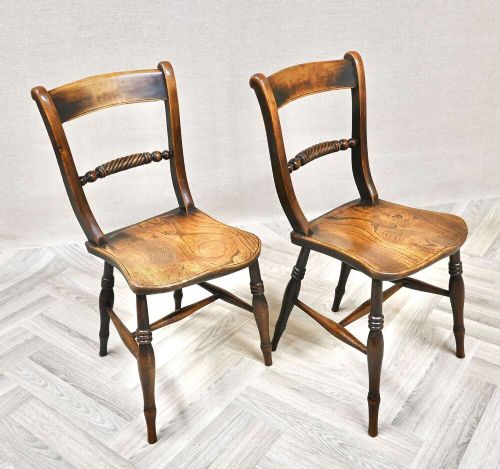
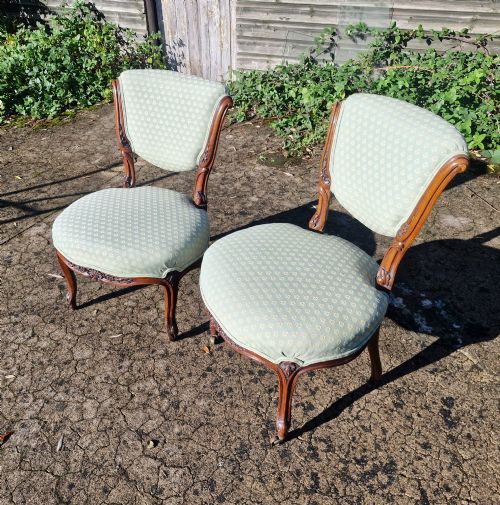
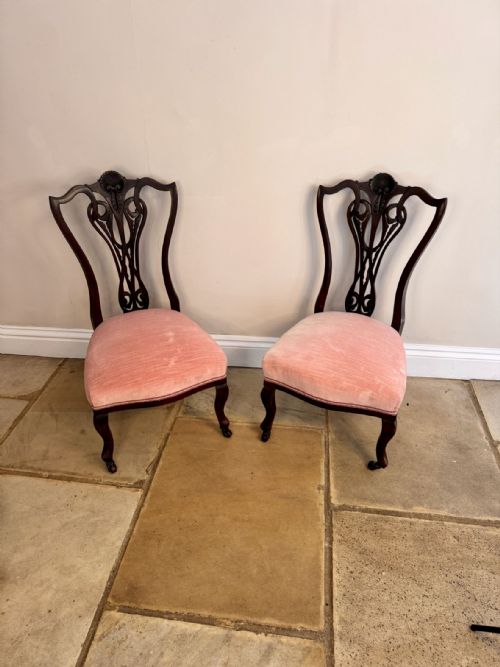
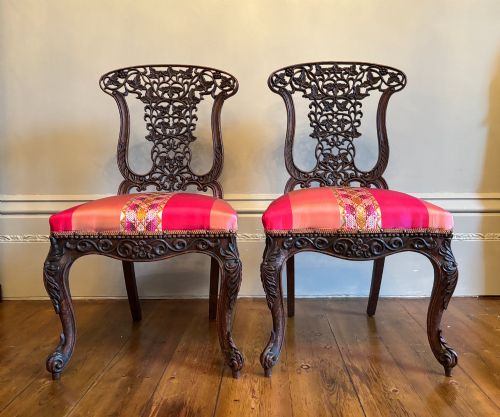
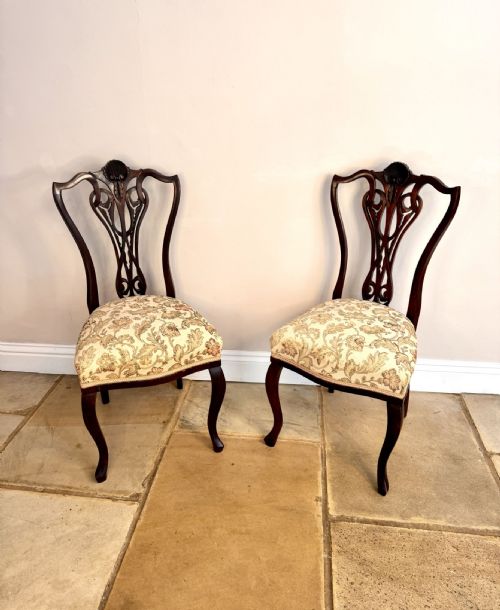
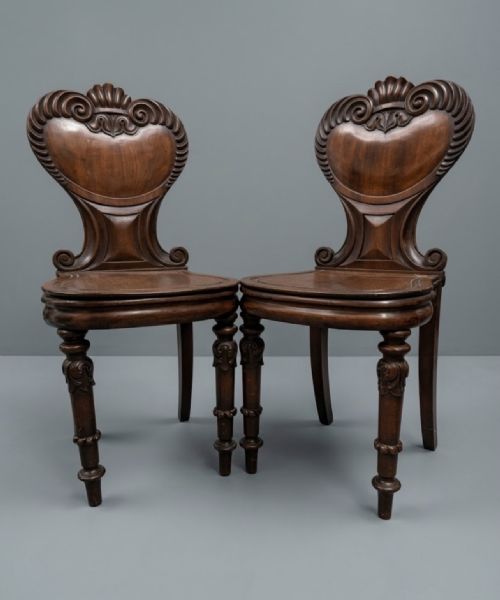
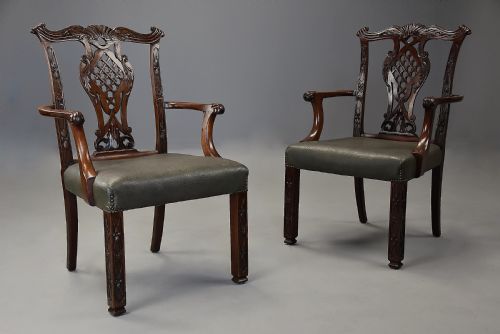
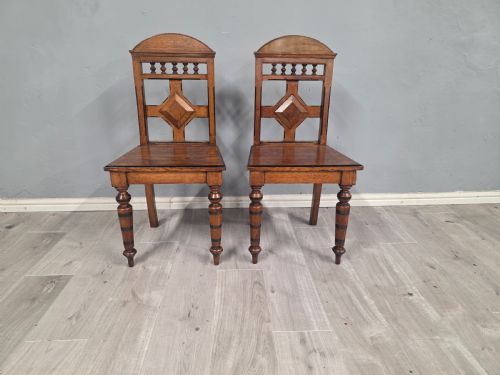
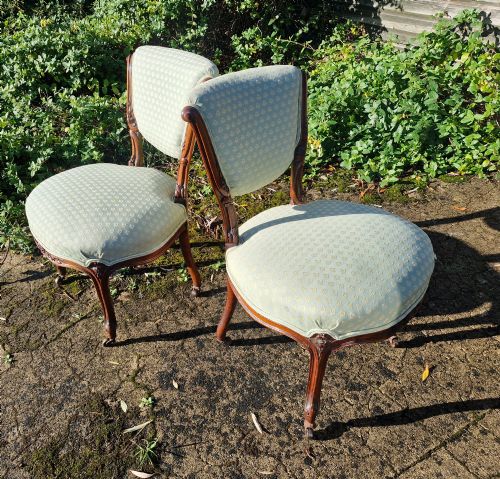
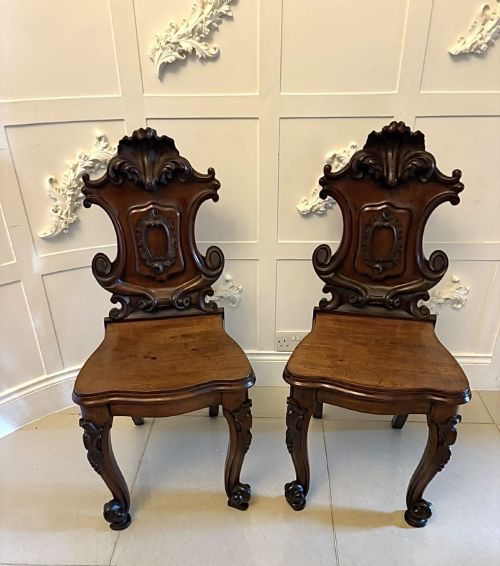
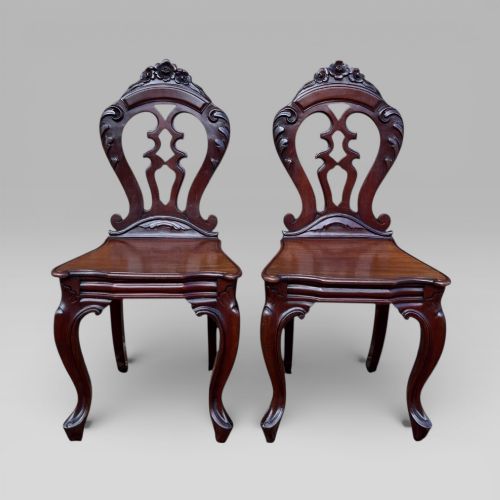
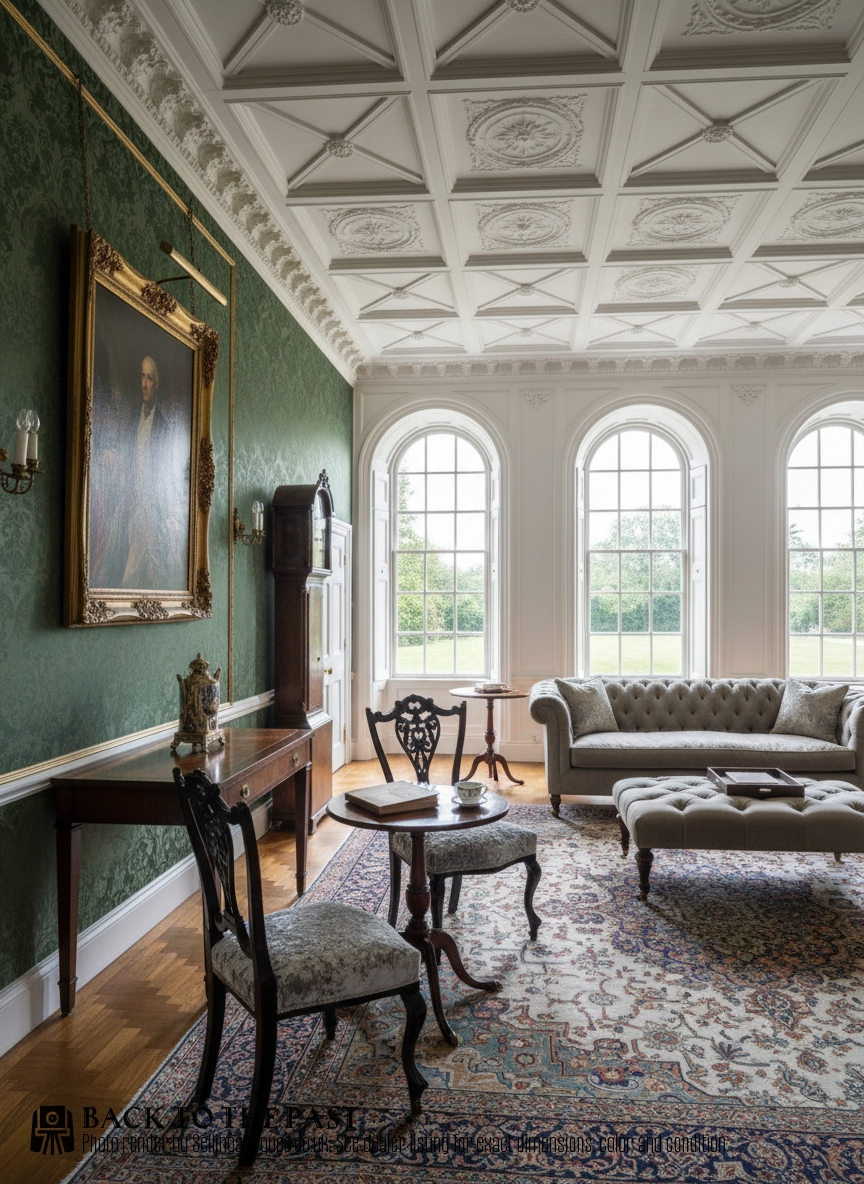
Pair victorian side chairs encompass a wide variety of domestic seating produced during the nineteenth century, designed to stand against walls or complement dining tables. The items appearing most frequently on this page include walnut and mahogany examples featuring carved decoration, balloon backs, or heraldic shield backs.
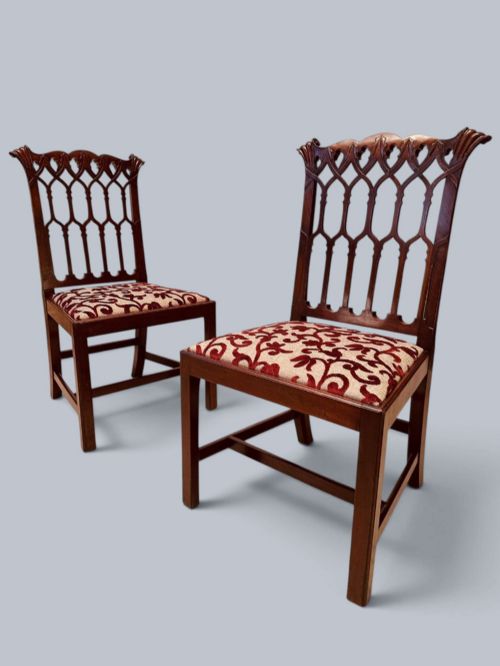
The selection extends from formal rosewood drawing room models to sturdier oak hall chairs and Gothic revival designs. Buyers encounter everything from early Victorian walnut pieces to late Victorian inlaid mahogany versions.
Makers often utilised diverse stylistic influences, ranging from Renaissance revival to Chinoiserie and English country traditions. These seats served multiple domestic functions across bedrooms, reception halls, and parlours.
How they were made
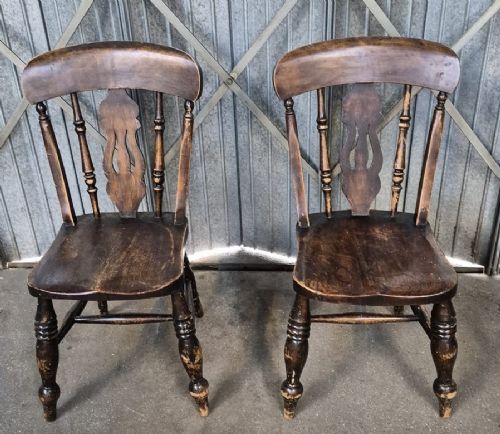
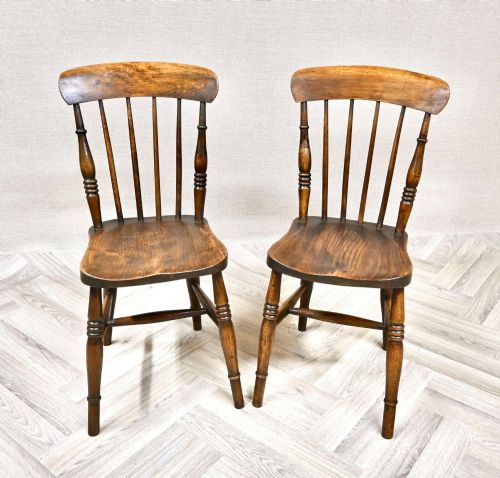
Cabinet makers utilised dense hardwoods such as mahogany, walnut, rosewood, and oak for structural durability and fine carving potential. Softer timbers like elm, beech, and birch appeared in country kitchen and Windsor variations.
Decoration relied on hand carving, applied veneers, marquetry inlay, and turned components such as bobbin legs or spindle backs. Seats were constructed using traditional joinery methods before receiving fabric, leather, or cane upholstery.
Pair Victorian Side Chairs Retail Price Guide 2026
Typical asking prices for pair victorian side chairs among the pieces listed under this phrase on Sellingantiques today, from the lower quarter to the upper quarter. They describe what is for sale here now, not the wider market.
Some Victorian house guests apparently required chairs specifically carved with spiders' webs to contemplate the fragility of life.
What varies in quality
The distinction between standard commercial production and finer work rests on the crispness of the timber carving and the selection of figured veneers. Superior examples exhibit deeper relief work on balloon backs or heraldic shields, alongside heavier gauge frames.
Design complexity also defines the tier, with plain structural timbers found at the accessible end, while marquetry inlay, exotic rosewood, and documented maker labels elevate the standing of the piece.
W A Willcocks·Howard and Sons·Gill and Reigate
The Pair Victorian Side Chairs Glossary
- Balloon back
- A rounded, oval-shaped chair back design popular during the Victorian era. This curving timber form provided ergonomic support while showcasing the grain of walnut or mahogany.
- Gothic revival
- An architectural and decorative style drawing inspiration from medieval design. Pieces often feature pointed arches, tracery, and heavy carved oak or rosewood.
- Hall chair
- A rigid wooden seat traditionally placed in entrance hallways, frequently featuring a solid carved timber back adorned with a heraldic shield or crest.
- Marquetry
- The art of applying decorative veneer pieces to a structure to form geometric or pictorial patterns. Craftsmen utilised contrasting timbers to create detailed surface decoration.
- Windsor
- A traditional wooden chair constructed with stick legs and spindles socketed into a thick wooden seat. Country versions frequently employed elm and beech.
Pair Victorian Side Chairs: Frequently Asked Questions
How were they used originally?
In nineteenth-century homes, side chairs stood in hallways, reception rooms, and bedrooms rather than permanently around dining tables. They were moved to accommodate guests when larger gatherings required extra seating.
Heavier wood versions placed in entrance halls displayed family crests or heraldic shields. Lighter walnut and mahogany varieties furnished drawing rooms and ladies' boudoirs.
How do I date a pair?
Dating relies on observing shifts in timber choice, stylistic revival motifs, and structural construction techniques. Early Victorian examples often favour rosewood and robust mahogany, while later decades embraced walnut, lighter inlaid mahogany, and eclectic revival styles.
Maker stamps, paper labels, and registration marks found beneath the seat rails offer definitive chronological markers. Changes from heavy hand-carved ornamentation to lighter aesthetic movement influences also help establish the decade of manufacture.
Where should I place them?
These chairs suit hallways, landings, bedrooms, and living spaces where occasional seating is required without cluttering the floor plan. Their decorative backs make them visually appealing even when positioned flat against a wall.
Pairing them with a small desk or dressing table utilises their compact footprint effectively. They work well as accent pieces that introduce nineteenth-century character into contemporary interiors.