
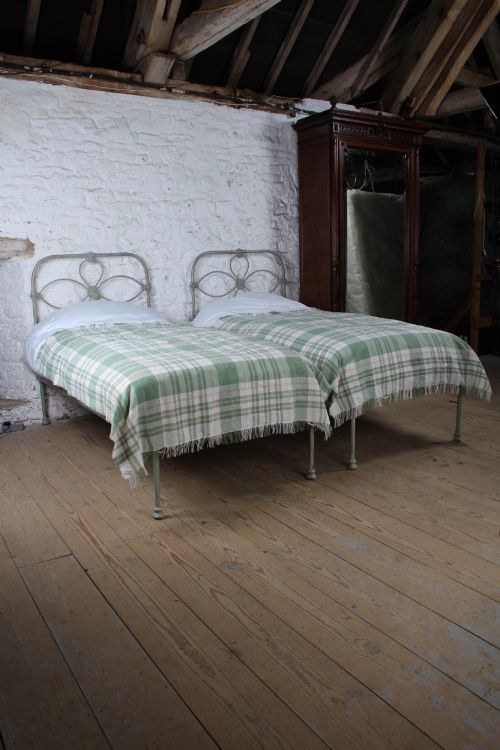


Pair Victorian Bedsteads
Pair Victorian bedsteads offer matched sleeping frames from the nineteenth century, built to furnish grand bedrooms with symmetrical style.
Pair Victorian Bedsteads
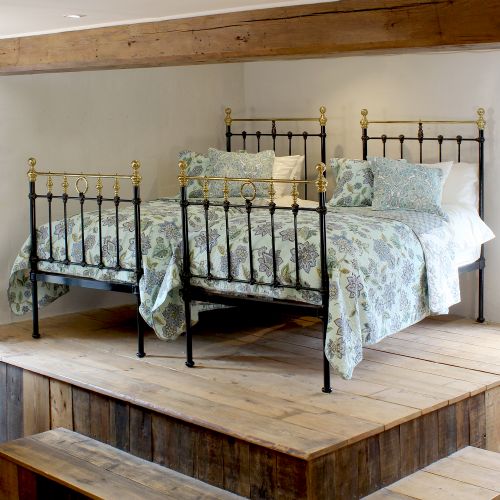
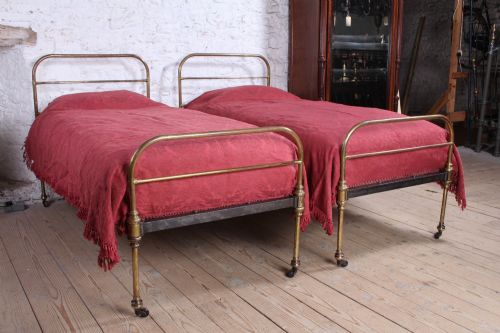
When you search for pair victorian bedsteads, you encounter matching nineteenth-century sleeping frames designed to sit together in a room. Most examples on this page take the form of single beds that can often be joined, originating from periods around 1880, 1890, and 1900.
The assortment spans diverse aesthetic traditions, including French Country, Continental Neoclassical, and Arts and Crafts influences. You find forms ranging from standard single sizes to platform beds and no-end designs.
Makers and regional styles introduce variety, with English, American, and continental pieces appearing alongside specific workshop productions. These frames serve as functional furniture that retains nineteenth-century proportions and decorative details.
How they were made
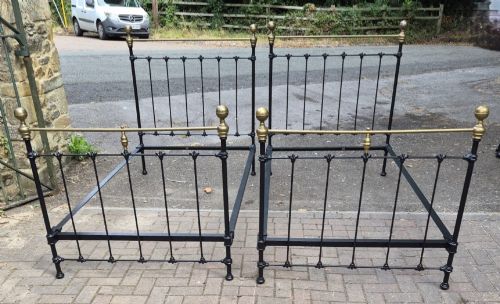
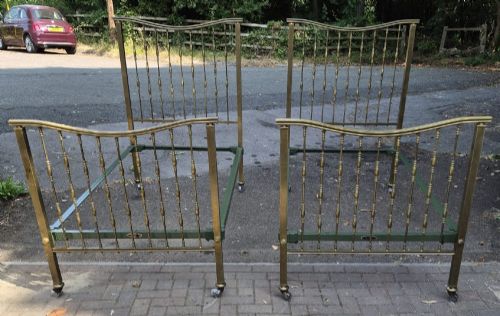
Makers utilised cast iron, wrought iron, and plain iron as the primary structural foundations for metal frames, frequently applying paint, cream, black, charcoal, or white finishes. Brass components and decoration appear across multiple pieces to add contrasting metallic highlights.
Alternative constructions rely on timber, specifically incorporating satinwood and mahogany into the framework. Selected metal variants integrate nickel plating or brass details to enhance the visual appeal of the joined or separate beds.
Several beds arrive with the reassuring option to be joined, proving that nineteenth-century furniture was surprisingly accommodating about sharing space.
What varies in quality
The refinement of the casting and metalwork separates standard utility frames from more ambitious designs. Finer examples display crisp brass decorations, integrated rings, and balanced proportions that reflect careful workshop execution.
Material selection dictates the grade of the piece, with solid hardwoods like satinwood and mahogany sitting alongside robust cast iron structures. The integrity of the original joints and the precision of the matching pair determine the overall standing of the bedstead.
Hoskins & Sewell·Shapland and Petter
The Pair Victorian Bedsteads Glossary
- Bedstead
- The framework of a bed, consisting of headboard, footboard, and rails, excluding the mattress and bedding. It supports the sleeping surface while defining the decorative style of the piece.
- Cast Iron
- Molten iron poured into a mould to create rigid structural or decorative components. This technique allows for intricate surface patterns and durable frames.
- Satinwood
- A hard, durable timber from tropical trees with a lustrous, golden-yellow grain. Furniture makers utilised it for fine veneering and polished surfaces.
- Platform Bed
- A low-profile bed frame featuring a solid base to support the mattress directly. This form dispenses with traditional side rails and deep springs.
- Wrought Iron
- Iron beaten into shape by hand with tools, yielding a fibrous structure. It offers high tensile strength and distinct surface texture.
Pair Victorian Bedsteads: Frequently Asked Questions
Can these beds be joined together?
Many listings indicate that the single beds can be joined to form a larger sleeping arrangement. This design choice allowed nineteenth-century households to configure rooms flexibly.
Buyers should examine the specific listing notes to confirm whether joining brackets or matching bases are included with the pair.
What sizes are these bed frames?
The pieces on this page primarily comprise single size dimensions suited for nineteenth-century rooms. Platform and no-end variants alter the physical footprint within the space.
Reviewing the specific proportions ensures the frames accommodate modern mattress requirements where applicable.
How do iron and brass styles differ?
Iron frames rely on painted or blackened metal structures for a robust, industrial, or restrained appearance. Brass elements introduce warm metallic contrast and decorative finials.
Combinations of both materials bring together structural strength and ornamental brightness in a single frame.
How do I identify the period?
Dating relies on stylistic markers from 1880, 1890, 1900, and the broader Victorian era. Victorian designs often incorporate specific casting patterns and hardware.
Comparing construction techniques and recorded dates helps place each piece within its nineteenth-century context.