


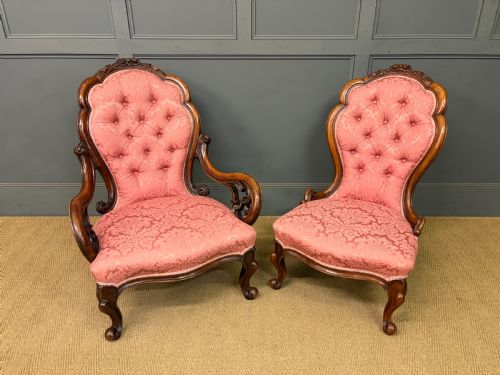
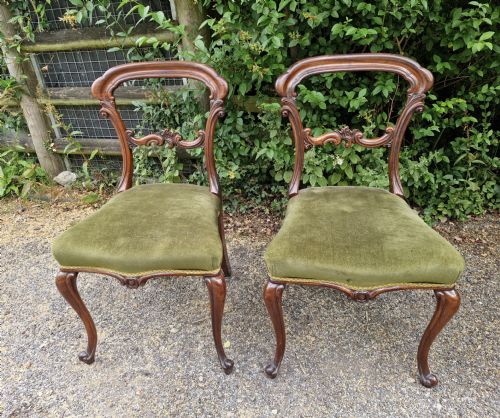
Pair Victorian Bedroom Chairs
These pair victorian bedroom chairs combine domestic intimacy with ornate nineteenth-century craftsmanship, offering collectors dual seating designed for private quarters.
Pair Victorian Bedroom Chairs
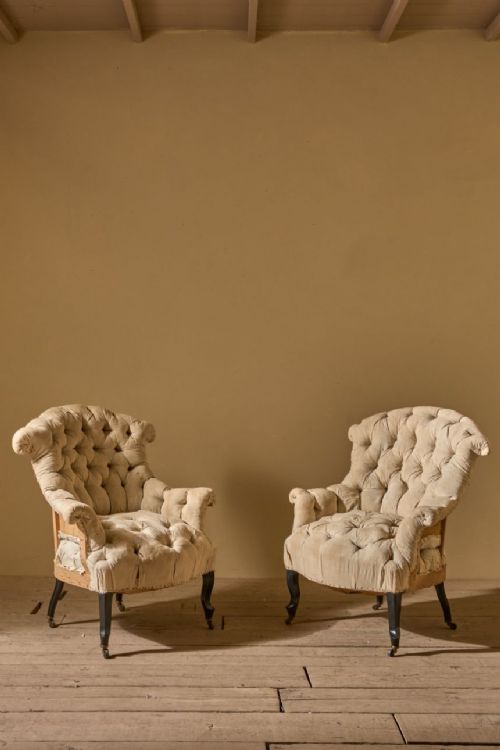
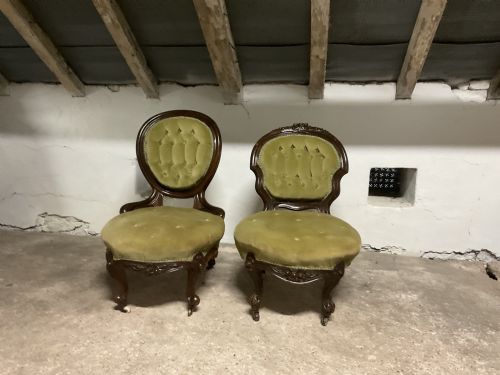
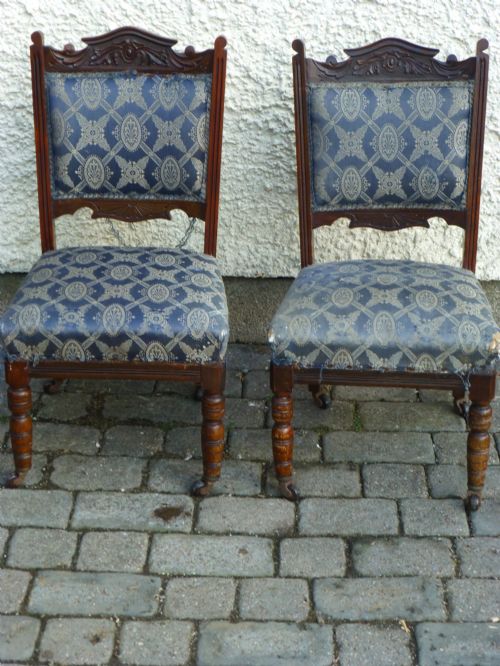
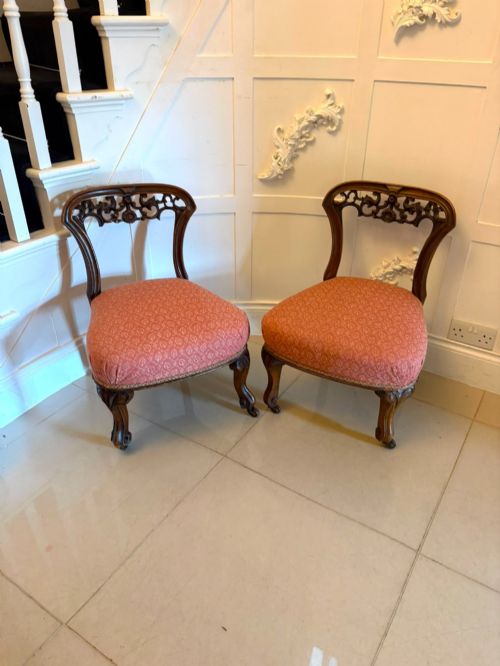
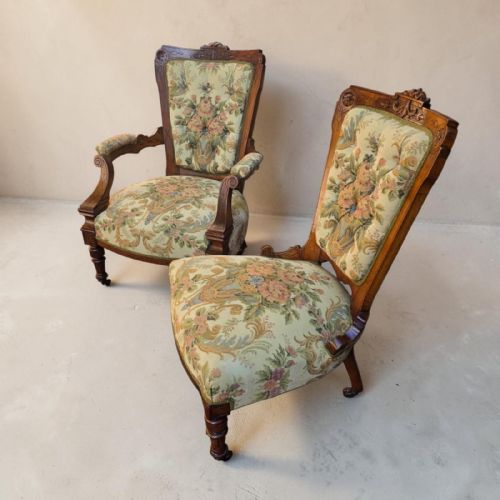
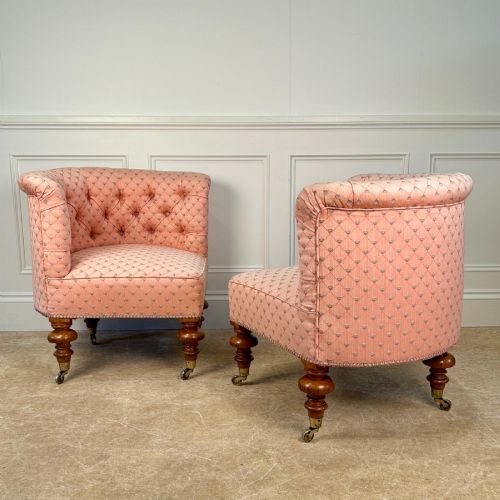
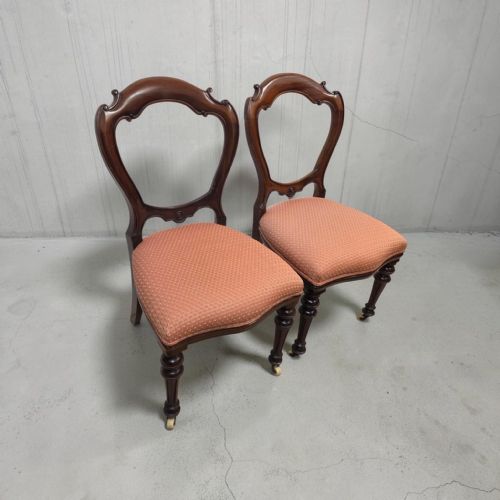
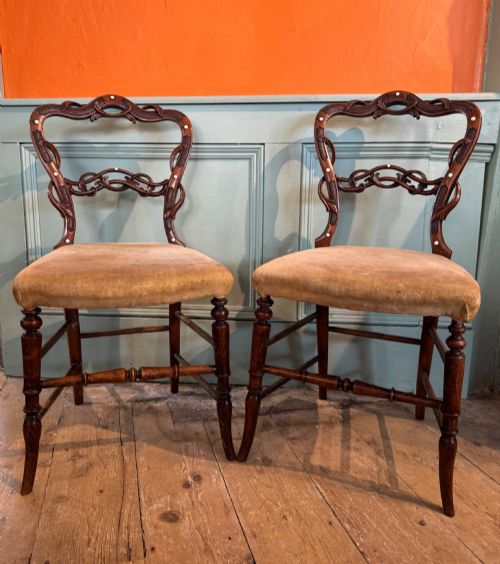
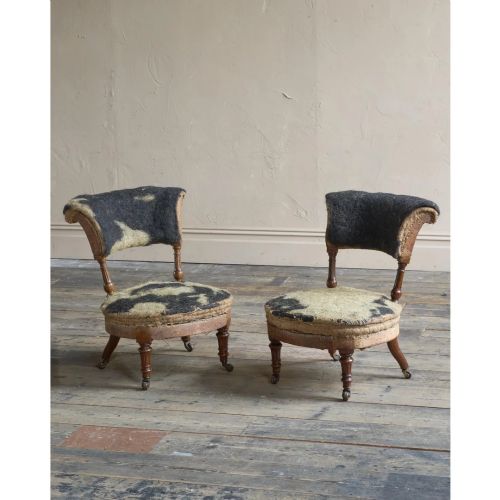
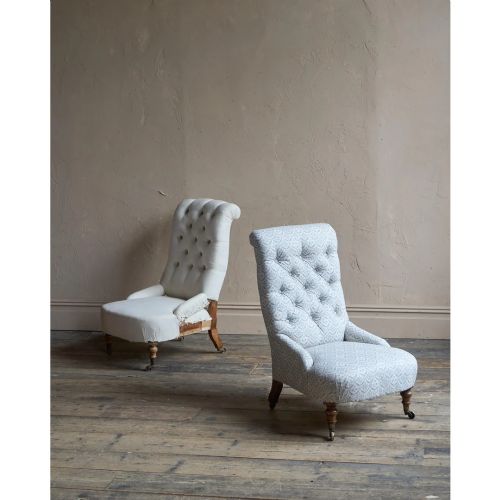
Pair victorian bedroom chairs encompass low-slung nursing seats, balloon-back side chairs, and intimate buttoned armchairs designed for nineteenth-century domestic spaces. These seats appear in walnut, mahogany, and rosewood timbers, frequently featuring carved scrollwork or upholstered panels.
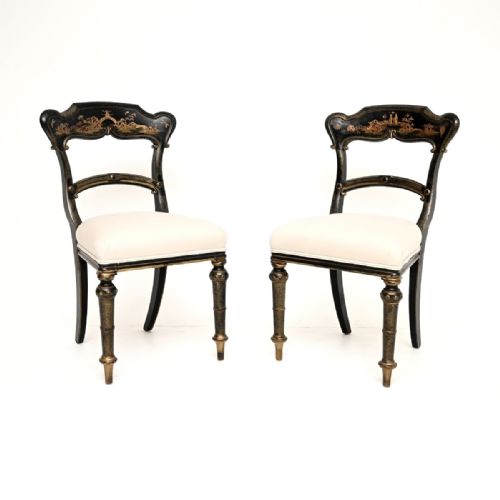
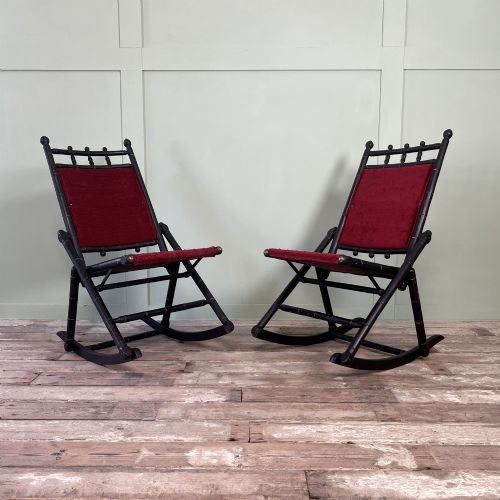
The selections available range from mid-century rosewood models with cabriole legs to late nineteenth-century walnut and bamboo variations. Low seats dominate the evidence, tailored for the Victorian dressing room or private parlour.
Materials and Construction
Cabinetmakers utilised dense hardwoods like walnut, rosewood, and mahogany to construct sturdy frames capable of supporting intricate hand-carved motifs. Timber elements often incorporate turned wooden supports, applied lacquering, or gilded highlights.
Upholstery methods involved deep buttoning, fabric coverings, or woven cane inserts fitted directly into wooden or bamboo armatures. Metal components such as brass accents occasionally reinforce structural joints or folding mechanisms.
The listings demonstrate wood selections spanning walnut, rosewood, mahogany, oak, and bamboo across the nineteenth century.
Assessing Quality
The standard of a pair victorian bedroom chairs rests upon the depth and crispness of the carved ornamentation on the wooden frames. Superior examples display refined proportions and fine timber grains rather than heavy, plain construction.
Matching consistency between the two chairs dictates the overall desirability of the set. Original upholstery frames and intact structural integrity separate standard utility pieces from finer salon-grade specimens.
Howard and Sons·Holland and Sons·Harrods London
The Pair Victorian Bedroom Chairs Glossary
- Balloon-back
- A chair back shaped in a continuous curve resembling an inflated balloon. This outline became popular during the nineteenth century on dining and bedroom seating.
- Nursing chair
- A low-seated chair designed for comfort during infant care or dressing. These seats typically feature compact frames and upholstered backs.
- Cabriole leg
- A furniture leg that curves outward and then tapers inward with a pad or scroll foot. This shape derives from ancient animal forms.
- Aesthetic movement
- A late nineteenth-century design style emphasising art for art's sake and simplicity. Pieces often incorporate Japanese-inspired motifs and bamboo structures.
Pair Victorian Bedroom Chairs: Frequently Asked Questions
Where were pair victorian bedroom chairs used?
These chairs were stationed primarily in private chambers, dressing rooms, and intimate sitting spaces. Their compact dimensions suited them for personal resting and grooming tasks.
Pairs often flanked dressing tables or fireplaces within nineteenth-century domestic floor plans. Their low profiles kept them visually unobtrusive in smaller rooms.
How do I identify early Victorian chairs?
Early examples often employ dense rosewood or mahogany timbers with restrained, classical carved details. Proportions typically reflect earlier Regency influences before heavier ornamentation gained popularity.
Look for hand-carved rosewood frames dating near the middle of the nineteenth century. These early pieces emphasise rich timber grains over excessive applied decoration.
Were these chairs originally sold as pairs?
Cabinetmakers frequently produced seating in matching pairs or larger suites intended for bedroom sets. Surviving pairs often maintain identical dimensions, timber selections, and decorative carvings.
Matching sets met the demand for balanced interior decoration in formal nineteenth-century homes. Finding surviving pairs indicates coordinated placement from the original workshop.
How should I live with antique bedroom chairs?
These historic seats function well as occasional chairs in modern bedrooms, hallways, or reading corners. Their compact footprints allow them to fit easily into modest spaces.
Position them away from direct sunlight and heat sources to preserve antique wood finishes and textiles. Regular dusting keeps the carved details and polished surfaces maintained.