

Pair Upholstered Carvers
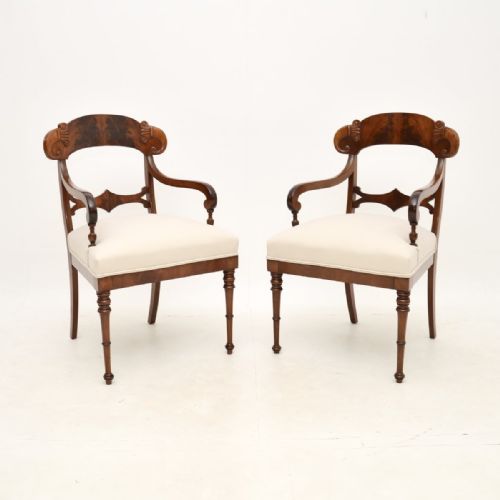
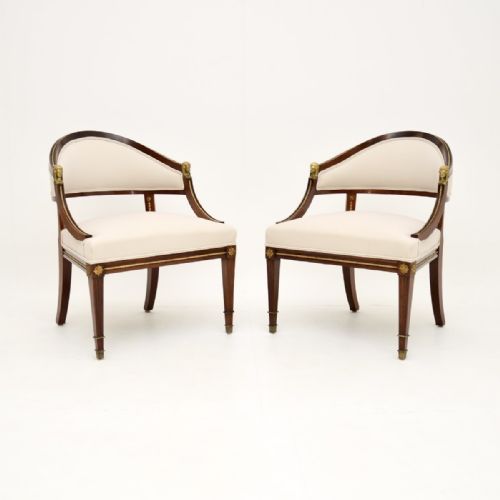
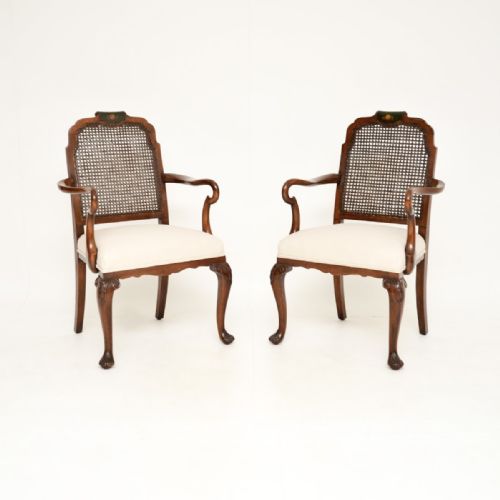
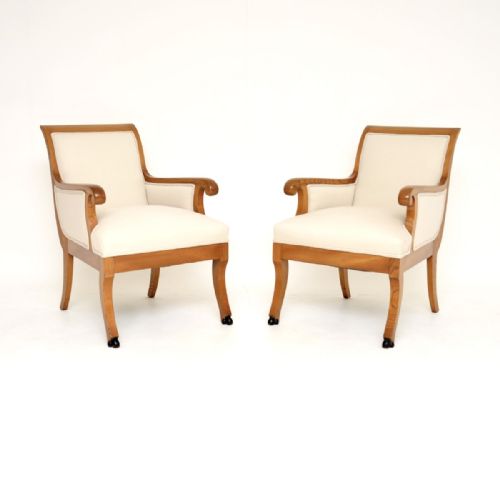
Pair upholstered carvers bring matching character to a dining table or study, offering supportive armrests alongside soft seating.
Pair Upholstered Carvers
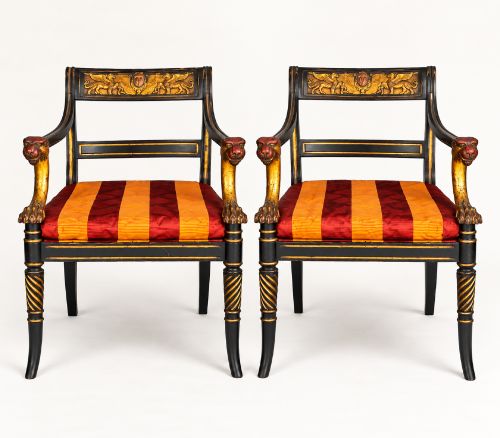
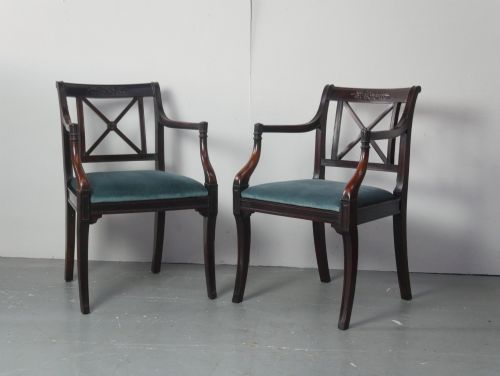
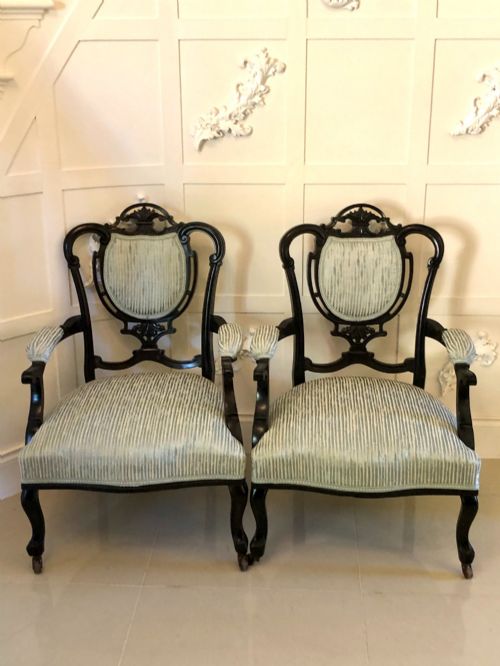
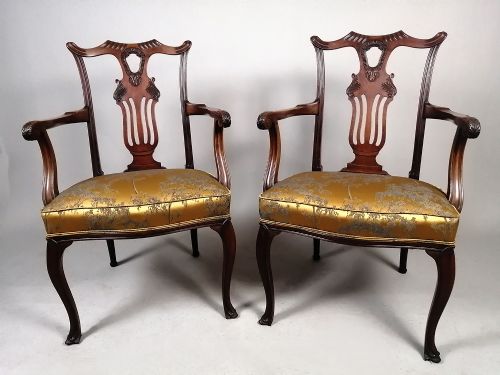
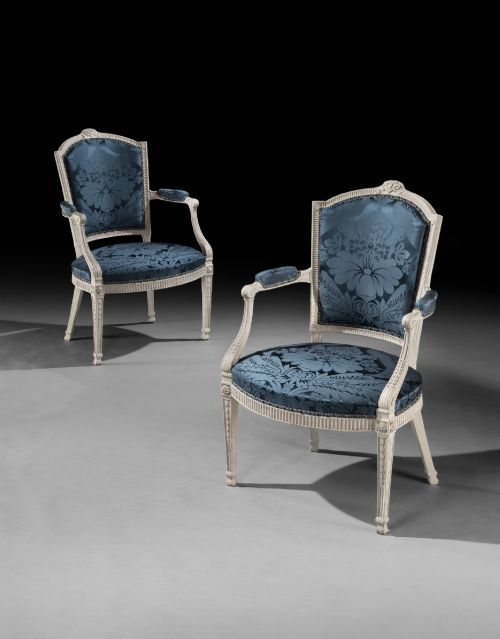
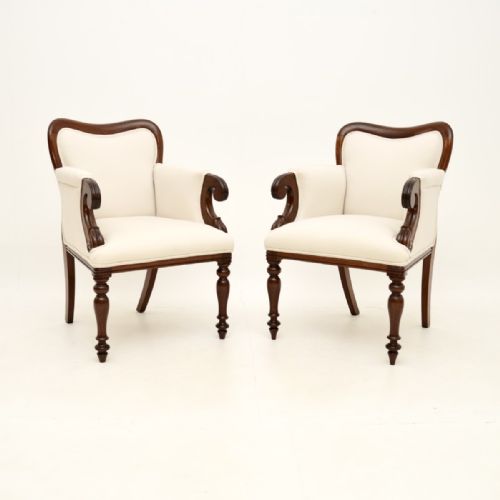
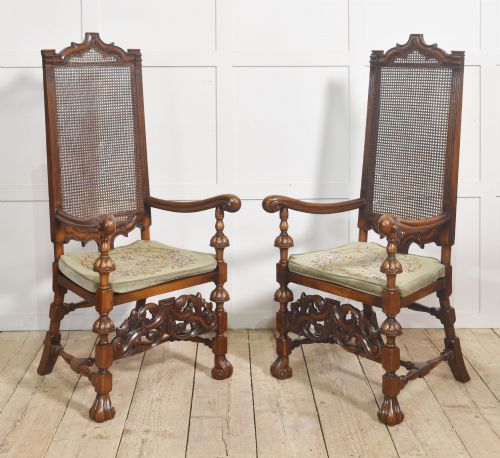
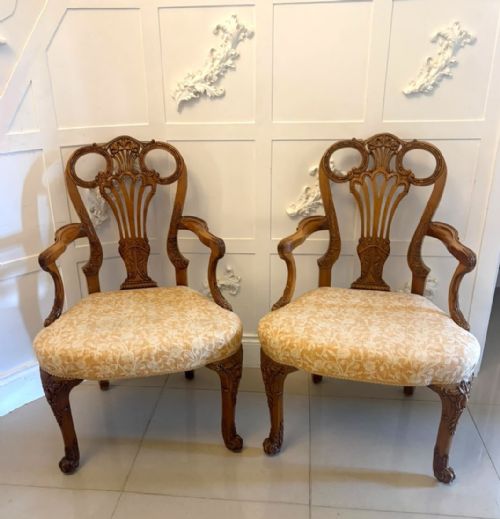
When searching for pair upholstered carvers, a buyer encounters matching seated furniture designed with integrated armrests, historically intended for the head of a dining table or for use at a desk. The pieces seen here span multiple centuries and stylistic revivals, with mahogany and walnut forming the backbone of the selection alongside oak, elm, and satin birch.
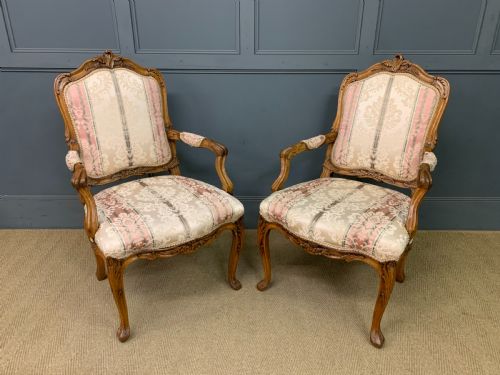
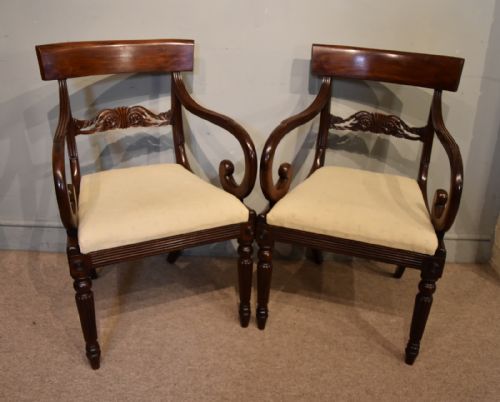
The configurations range from formal George III and Regency periods through to Edwardian, Art Deco, and 1930s examples. Alongside British regional pieces, the listings include French, Swedish Neoclassical, and Italian designs, demonstrating the wide geographic spread of these twin seating options.
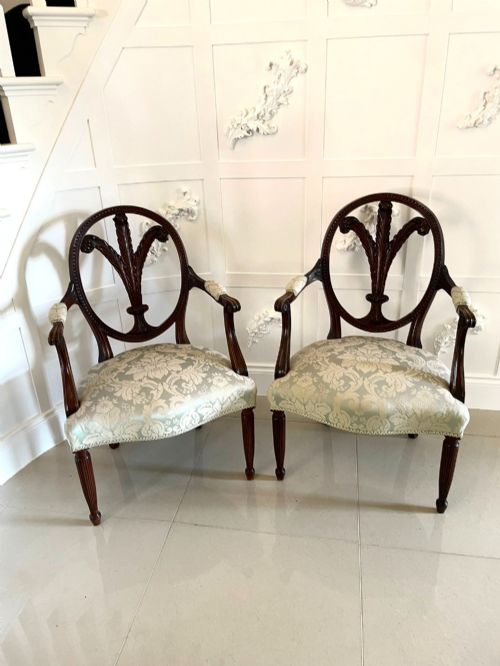
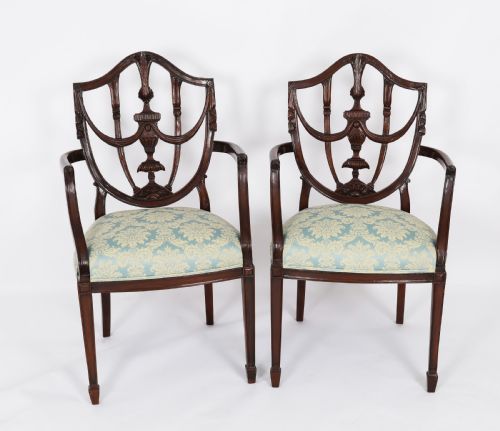
Armchairs, dining chairs, and desk chairs dominate the forms. Buyers most frequently meet revival styles such as Chippendale and Hepplewhite alongside authentic period pieces from the nineteenth and eighteenth centuries.
Materials and construction
Cabinetmakers constructed these frames predominantly from dense hardwoods such as mahogany and walnut, utilising traditional joinery methods to ensure the structural integrity of the arms and backrests. Timber selection dictated the weight and grain pattern, with polished finishes highlighting the natural qualities of the wood.
Upholstery techniques applied to the seats and backs incorporated fabric, leather, velvet, and cane work, secured with brass studs or traditional webbing. Carved details, giltwood highlights, and painted surfaces added decorative depth to walnut, elm, and beech frames.
Pair Upholstered Carvers Retail Price Guide 2026
Typical asking prices for pair upholstered carvers among the pieces listed under this phrase on Sellingantiques today, from the lower quarter to the upper quarter. They describe what is for sale here now, not the wider market.
Listings feature frames in mahogany, walnut, oak, elm, and satin birch, upholstered in leather, velvet, fabric, and cane.
Evaluating quality and proportion
The distinction between ordinary and superior pairs lies in the crispness of the carved ornamentation and the architectural harmony of the frame. Skilled hand-carving on walnut or mahogany shows sharp relief and careful proportion, whereas lesser pieces display softer, more mechanical detailing.
Structural stability and the retention of original timber integrity separate fine survivals from heavily altered examples. Superior items maintain balanced proportions in the arms and back rails, demonstrating the hand of a proficient workshop rather than mass production.
J. and T. Scott
The Pair Upholstered Carvers Glossary
- Carver chair
- An armchair, traditionally placed at the head of a dining table or utilised as a desk chair. These pieces provide supportive side rests for the sitter.
- Regency
- A British design period spanning the early nineteenth century, known for drawing inspiration from classical Greek and Roman forms. Furniture from this era often incorporates dark mahogany and restrained brass mounts.
- Hepplewhite style
- A light, elegant eighteenth-century furniture design characterised by shield-back or oval-back armchairs with tapering legs. Revival versions appeared frequently in the nineteenth and twentieth centuries.
- Biedermeier
- A Central European style from the first half of the nineteenth century prioritising utilitarian comfort and clean lines over excessive ornamentation. These pieces often utilise domestic woods such as birch and cherry.
- Giltwood
- Timber coated with a thin layer of gold leaf or gilt powder for decorative effect. This finish appears frequently on formal continental armchairs.
Pair Upholstered Carvers: Frequently Asked Questions
What distinguishes carvers from standard dining chairs?
Carvers incorporate integrated armrests, making them slightly wider and more supportive than standard dining chairs. Historically, a pair sat at the head and foot of a formal dining table for the hosts.
Today, buyers often use them as occasional seating in a study or as matching end chairs in a dining setting.
How do I identify a revival piece from an original period?
Revival furniture mimics the stylistic traits of earlier eras, such as George III or Chippendale, but construction methods, tool marks, and secondary woods usually reveal a later nineteenth or twentieth-century manufacturing date.
Examining the underside, joinery, and wear patterns helps clarify whether a piece belongs to the original Georgian era or a later revival movement.
What woods were commonly used for these chairs?
Mahogany and walnut form the majority of the frames in these listings, valued for their strength, rich grain, and suitability for carving. Oak, elm, satin birch, and beech also appear across different regional and continental workshops.
Lacquered, painted, or gilt finishes frequently coat these timbers depending on the specific stylistic period.
Can these chairs be used daily in a modern home?
Solid hardwood frames provide inherent structural strength, making these chairs robust enough for regular daily use when joints remain secure and sound. Many pieces have undergone professional reupholstering to suit contemporary comfort standards.
Placing them in studies, bedrooms, or dining rooms allows them to function practically while adding historical character.