
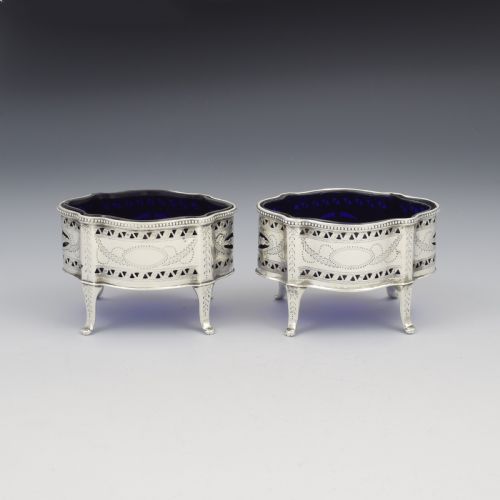
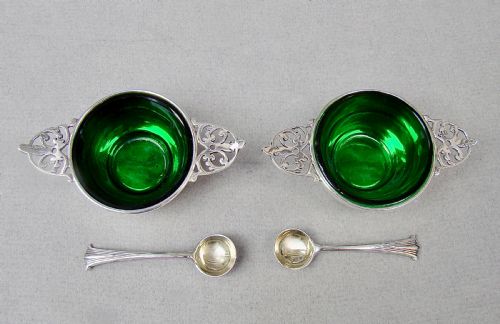


Pair Silver Open Salts
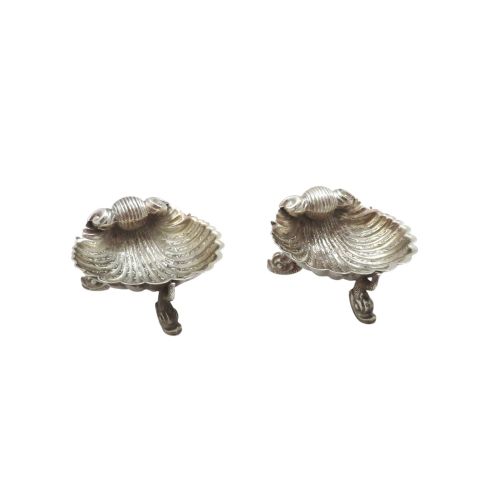
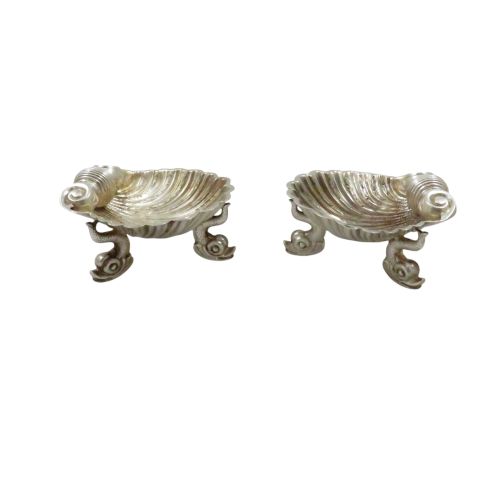
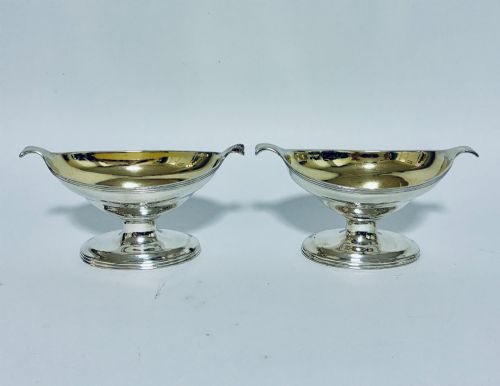
These pair silver open salts bring period elegance to a dining table, holding condiments in small open vessels shaped like shells, boats, and cauldrons.
Pair Silver Open Salts
When you search for pair silver open salts, you enter a field spanning the Georgian, Victorian, and Edwardian eras, with examples appearing from the eighteenth century onward.
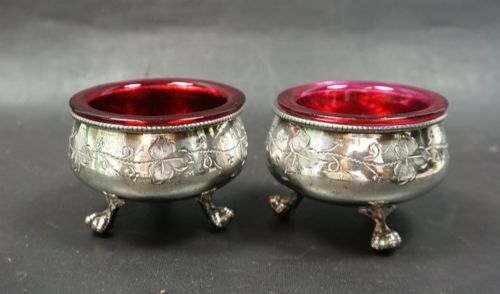
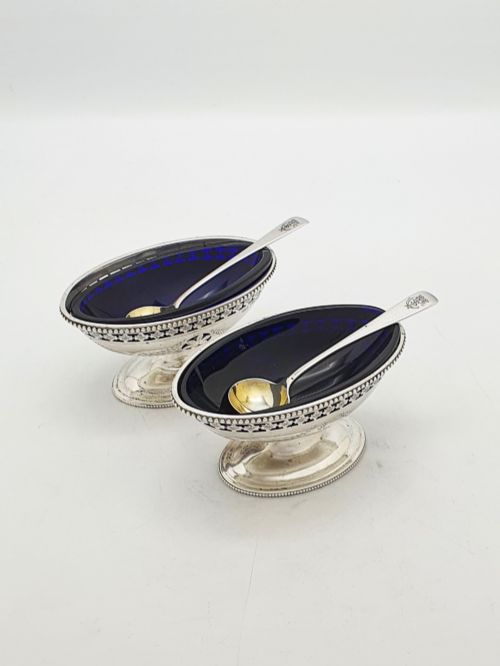
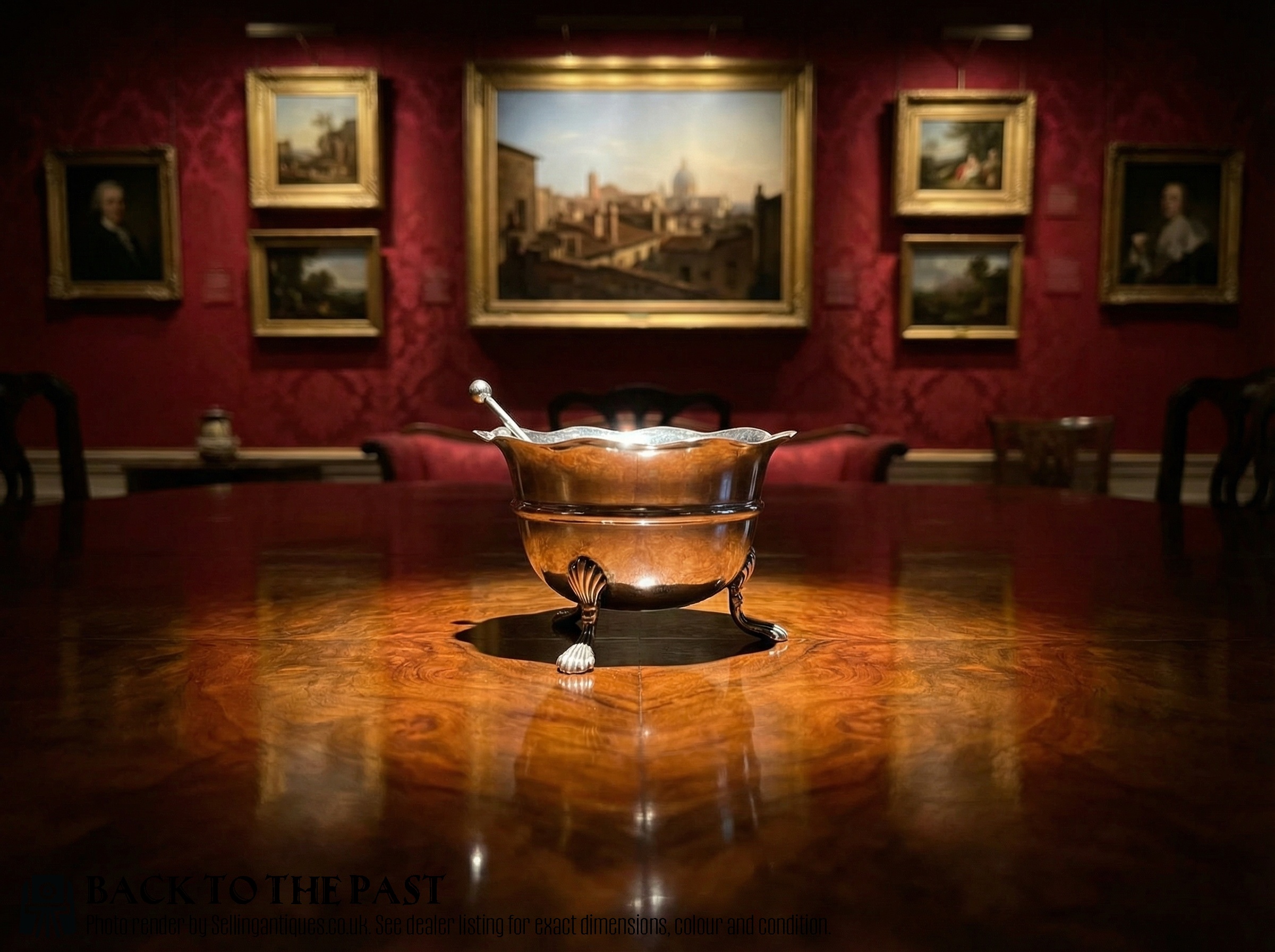
The most common forms on this page include traditional cauldron shapes, boat-shaped dishes, and novelty designs modelled as shells, birds, and wheelbarrows.
These tableware pieces originate primarily from English, Scottish, Irish, and French workshops, utilising solid sterling silver or silver plate.
How they were made
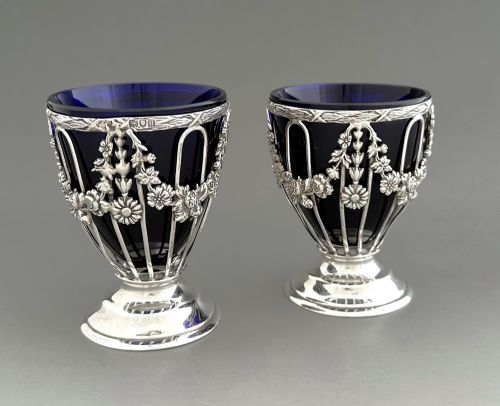
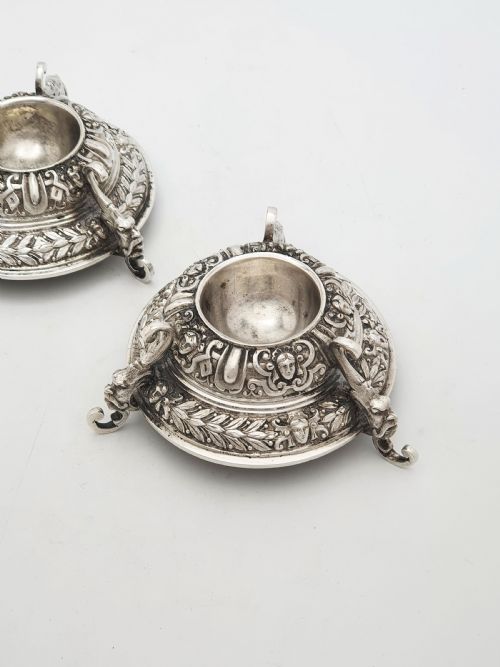
Silversmiths shaped sterling silver and silver plate through casting, hammering, and piercing techniques to create intricate bodies with lobed, serpentine, or wirework walls.
Many examples incorporate contrasting interior elements, combining the metalwork with coloured glass liners in cobalt blue, cranberry, or baccarat crystal.
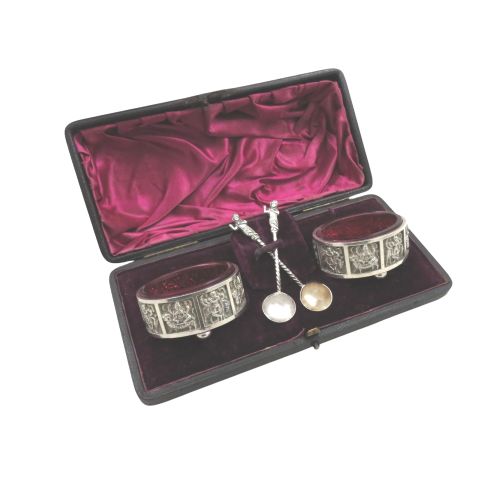
Garden wheelbarrows and Hindu deities join swans and dolphins as unexpected shapes for holding table salt.
What varies in quality
The standard of execution separates standard production items from distinguished specimens, visible in the crispness of cast details like foliage and animal figures.
Completeness dictates value, particularly the presence of original matching spoons and intact coloured glass liners that fit the specific vessel correctly.
The reputation of the maker and the precision of hallmarking contribute significantly to the standing of an individual pair.
Josiah Williams and Co·David Hennell·John Edmonstone·Bateman·Edward Wood·Vale Brothers and Sermon·Rebecca Emes·Christofle and Baccarat·Joseph Angell I
The Pair Silver Open Salts Glossary
- Trencher salt
- A heavy, early form of salt cellars that sat directly on the dining table without raised feet. These substantial pieces date typically to the eighteenth century.
- Salt boat
- A vessel shaped in the manner of a small boat, resting on a footed base or flat bottom. This form appears across both Georgian and later periods.
- Cobalt glass
- A deep blue glass used to line open silver vessels, protecting the metal from corrosive salt while providing a visual contrast. Original liners remain particularly desirable.
- Gilt
- A thin layer of gold applied to the interior surface of silver salts to prevent the salt from tarnishing the silver. This treatment creates a bright, contrasting finish inside the bowl.
Pair Silver Open Salts: Frequently Asked Questions
How were open salts used at the table?
Diners used these small open vessels to hold individual portions of salt during formal meals before shaker bottles became common.
Guests would take a pinch of salt from the open bowl using a tiny matching spoon or the tip of a knife, placing it beside their food.
How do I clean antique silver salts?
Clean sterling silver items gently with a specialist microfibre cloth and mild silver polish, avoiding abrasive substances that wear down hallmarks and fine chased details.
Remove glass liners before cleaning the metalwork to prevent chemical contact with the coloured glass or crystal.
How can I date my silver salts?
Examine the hallmarks stamped on the silver surface, which indicate the assay office, the maker's mark, and a specific date letter corresponding to the year of manufacture.
Stylistic markers such as rococo revival curves or Edwardian wirework also help determine the broad period of production.
Can I use these salts for dining today?
These decorative tableware items function effectively for modern dining when fitted with their original glass liners to protect the silver from salt corrosion.
Ensure liners are washed and dried by hand after use to preserve the integrity of both the glass and the surrounding metal.