


Pair of Display Columns
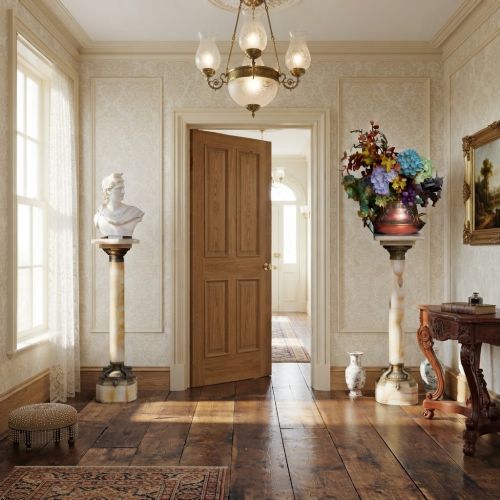
A pair of display columns elevates sculpture and plants with architectural presence, grounding a room through symmetry and classical proportion.
Pair of Display Columns
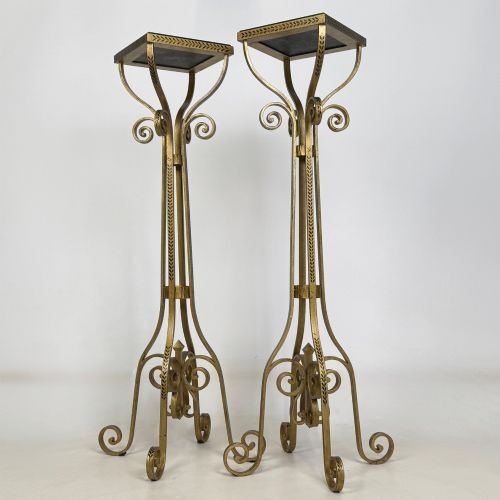
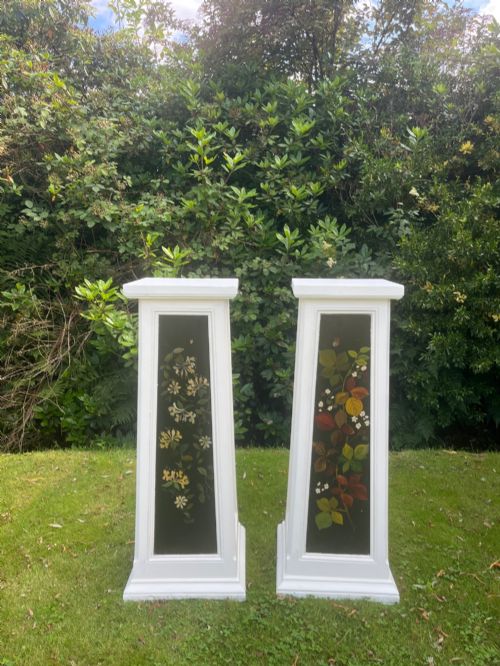
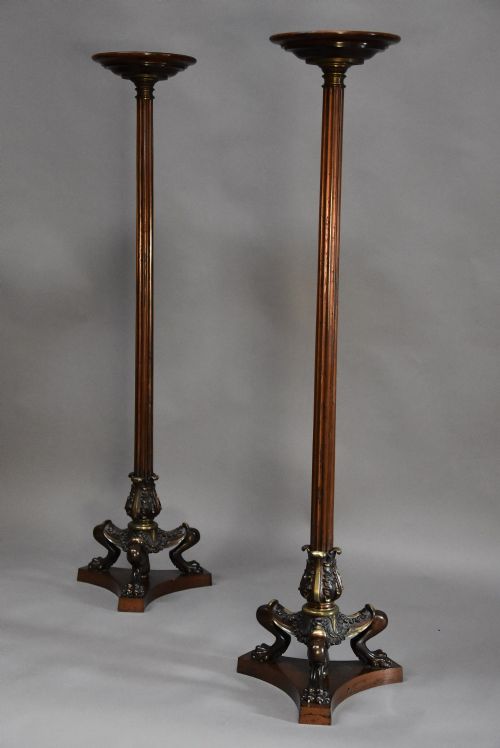
A pair of display columns provides vertical support for decorative objects, taking forms such as pedestals, torcheres, and plant stands. These items originate predominantly from the nineteenth century, including Victorian, Regency, and Edwardian periods, reflecting classical tastes.
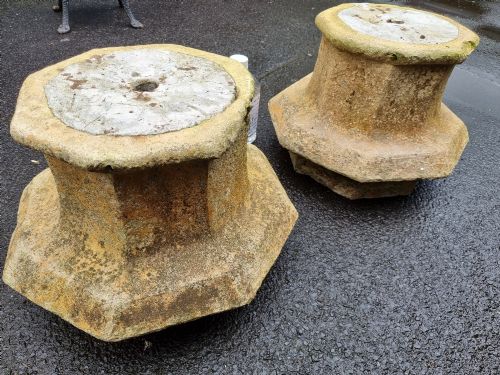
Buyers encounter architectural columns in varied materials, functioning as plinths for busts or stands for jardinieres. The selection spans domestic indoor furniture and robust garden planters.
The objects serve primarily to lift focal points within a room, utilising balanced pairs to frame corners, doorways, or mantelpieces. Their utility links directly to the display practices of country houses and formal reception rooms.
How they were made
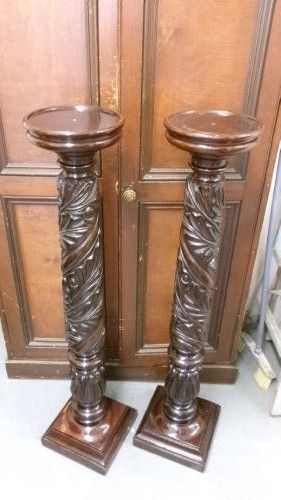
Maker construction relies on cabinet timbers like mahogany, satinwood, and walnut, frequently turned on lathes or carved by hand. Workshops apply gesso, paint, or polish to finish the wooden surfaces.
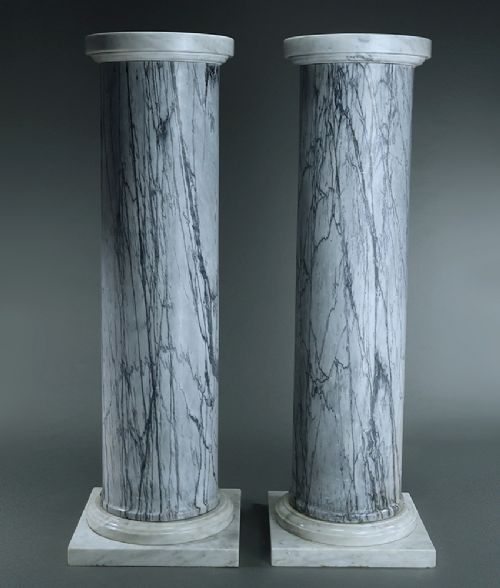
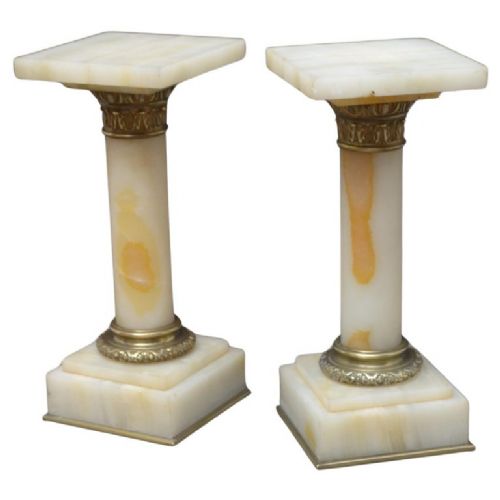
Stonemasons and metalworkers shape harder substances, utilising solid marble, alabaster, onyx, cast iron, and bronze. Ormolu collars and brass mounts accent these mineral shafts, joining stone and metal through precision fitting.
The inventory records garden variants in cast iron alongside indoor pieces in onyx and bronze.
What varies in quality
Quality rests in the selection of materials and the crispness of the carving or turning. Solid marbles, variegated stones, and figured timbers distinguish finer examples from painted plaster or simpler softwoods.
Proportion and architectural detail separate standard production from exhibition pieces. Refined capitals, crisp fluting, and integrated ormolu mounts indicate superior workshop output.
George Smith·Thomas Hope
The Pair of Display Columns Glossary
- Torchere
- A tall, slender stand designed to hold a light or a decorative urn. These pieces frequently feature circular tops supported by single columns.
- Ormolu
- Gilded bronze applied as mounts and decorative collars. This technique enhances stone and timber shafts on nineteenth-century pieces.
- Capitals
- The uppermost member of a column, situated above the shaft. They display architectural orders such as Doric, Ionic, or Corinthian detailing.
- Plinth
- A heavy rectangular or square base supporting a column or bust. Plinths ground the vertical structure and provide stability.
- Jardiniere
- An ornamental pot or stand for plants and flowers. These vessels sit atop columns or integrate into garden groupings.
Pair of Display Columns: Frequently Asked Questions
How do I style display columns at home?
Place matching columns symmetrically in corners or flanking a doorway to create a strong architectural focal point.
Top them with bronze busts, ceramic urns, or trailing plants to vary height and add texture to the room.
Were these columns meant for indoor or outdoor use?
Most surviving examples are built from mahogany, marble, or onyx for interior drawing rooms and halls. Cast iron and composite stone versions are specifically engineered to withstand garden conditions.
Check the material composition before placing any column on a patio or terrace.
How do I distinguish Regency columns from Victorian ones?
Regency columns often lean towards strict Neoclassical restraint, utilising native timbers like mahogany with clean architectural lines.
Victorian pieces frequently embrace eclectic revivals, incorporating exotic woods, alabaster, and elaborate ormolu mounts.
How much weight can an antique column support?
Solid marble, stone, and heavy hardwood columns easily bear substantial bronze sculptures or large marble planters. Softer woods or plaster stands suit lighter decorative objects and potted plants.
Assess the base stability and top surface area before mounting heavy items.