
Grand Tour Marble Pedestals
Grand tour marble pedestals bring classical antiquity into domestic spaces through sculptural columns and supports shaped by nineteenth-century Italian and French workshops.
Grand Tour Marble Pedestals
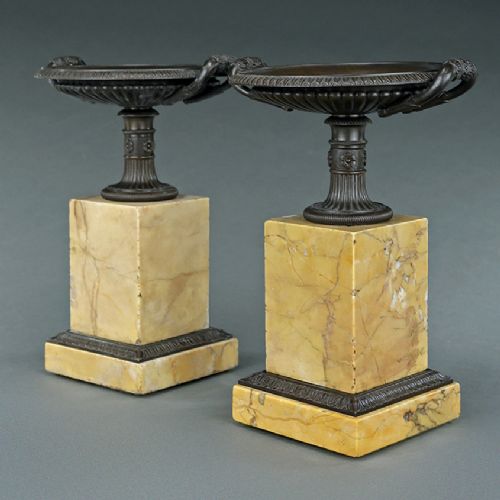
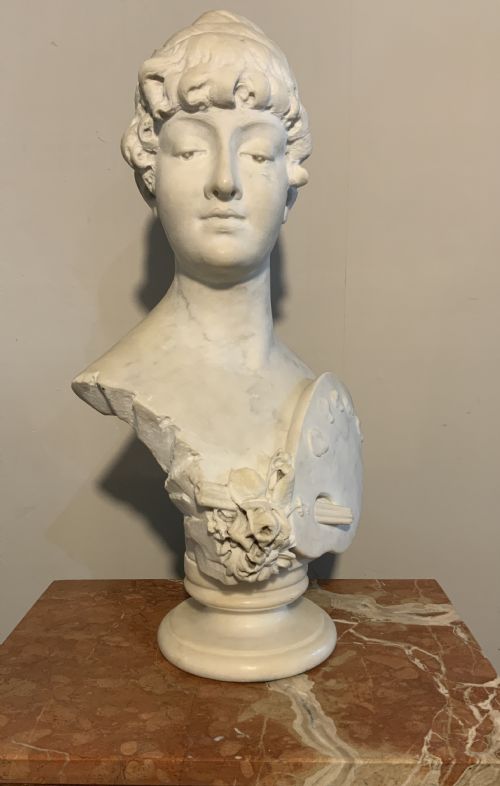
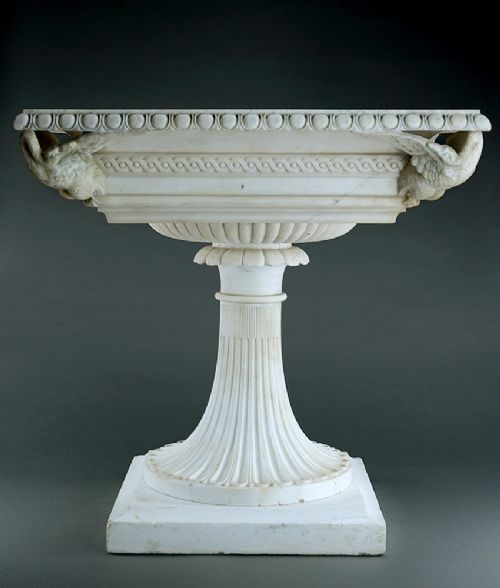
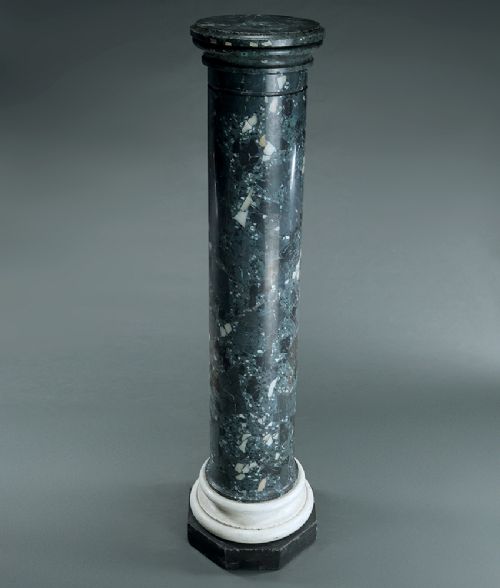
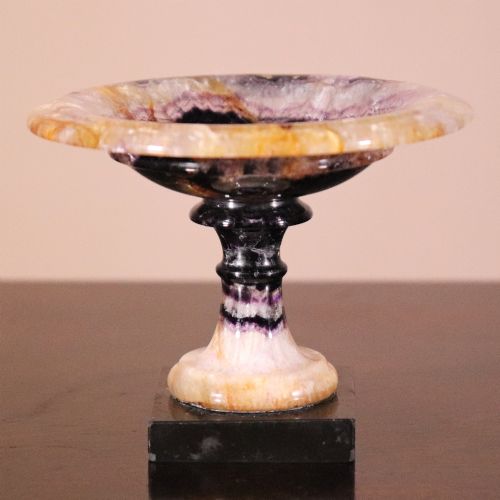
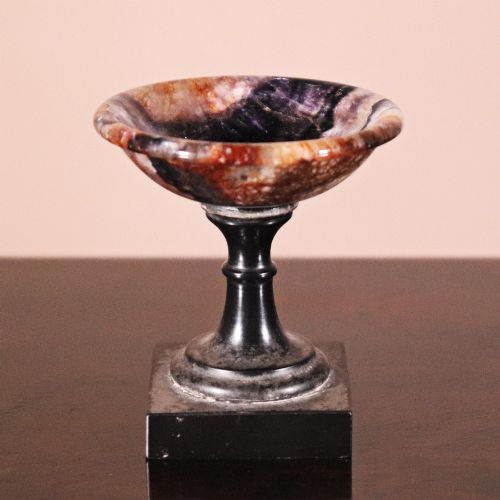
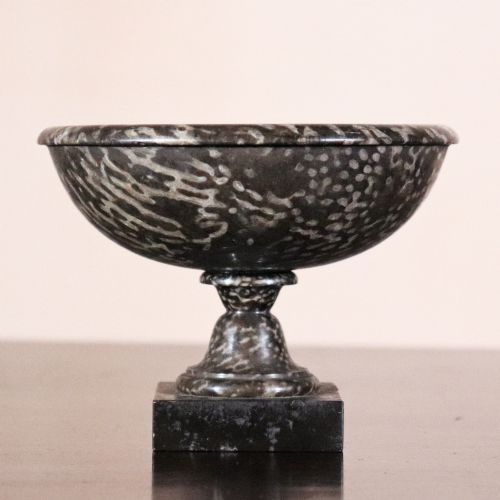
Grand tour marble pedestals and columns serve as architectural supports and standalone display pieces rooted in classical antiquity. These items appear across nineteenth-century manufacturing traditions alongside related forms such as tazzas, busts, and centre tables.
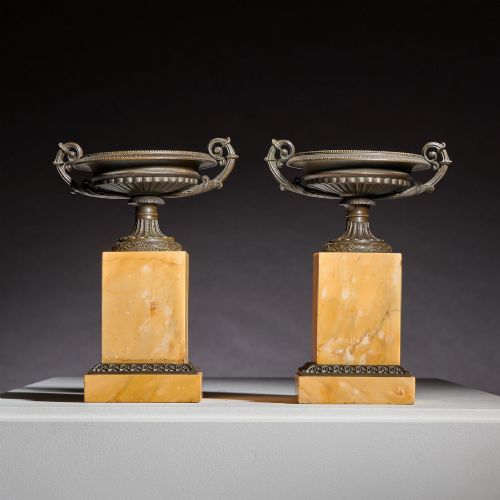
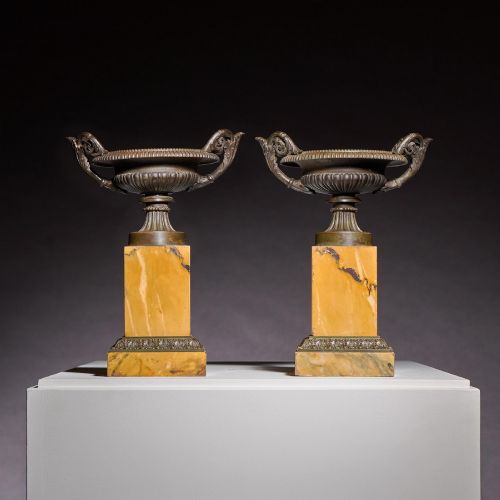
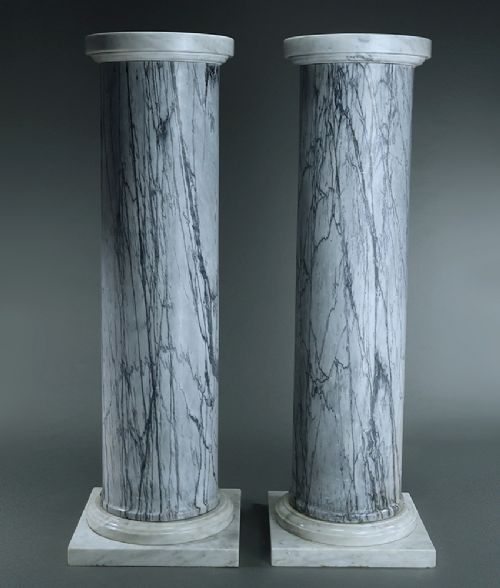
Makers utilised various stones like Carrara, Sienna, Verde Antico, and Bardiglio to construct these supports, often pairing them with bronze or ormolu mounts. The selection ranges from compact miniature columns to substantial architectural elements designed for display.
Materials and Craftsmanship
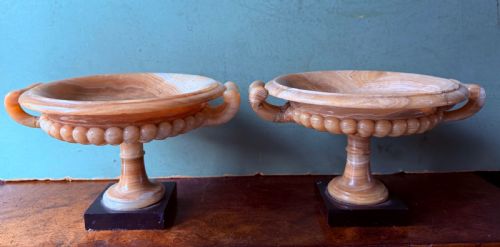
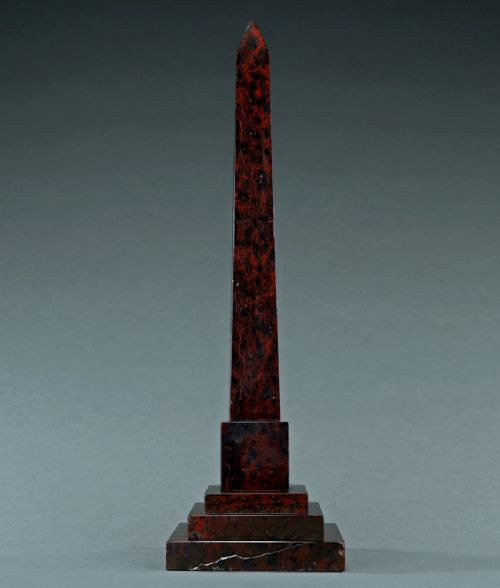
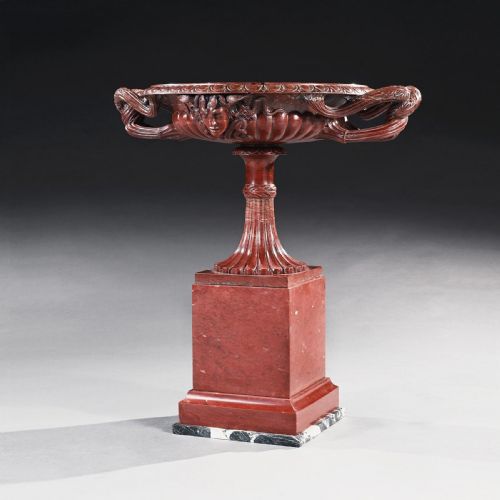
Craftsmen shaped natural stones including serpentine, rosso antico, and alabaster using traditional masonry techniques to replicate ancient architectural fragments. Scagliola offered an alternative method, employing pigmented plaster to imitate complex multicolored marbles.
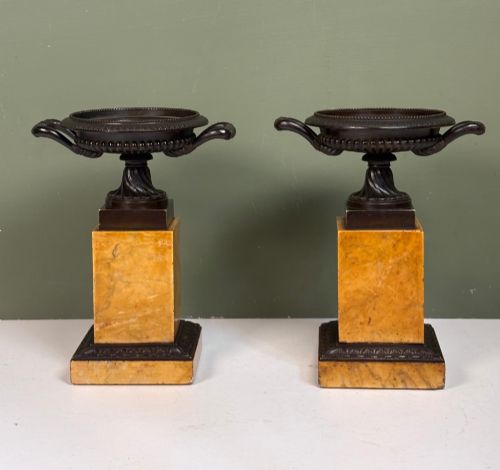
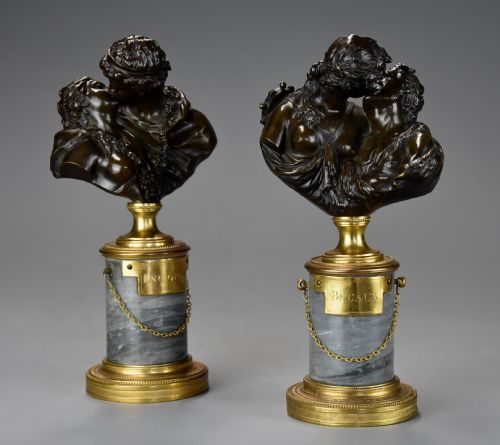
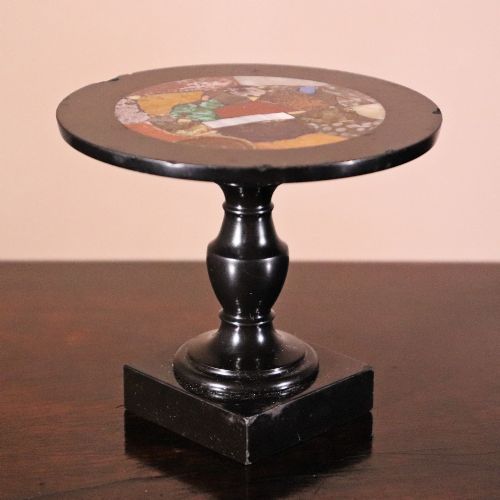
Bronze and ormolu elements were cast and chased separately before attachment to stone bases, creating contrast within neoclassical and baroque designs. Specimen marble works required meticulous inlay of multiple mineral samples into geometric or figurative tabletops and bases.
Materials documented across the inventory include Carrara, Sienna, Verde Antico, Bardiglio, Rosso Antico, and Scagliola.
Assessing Quality and Execution
The precision of the stone carving and the depth of surface relief distinguish finer examples from standard souvenir pieces. Superior works demonstrate careful selection of figured marbles, where natural veining aligns with the contours of the column or tazza.
The integration of bronze or ormolu mounts indicates the original workshop's standing, with sharper chasing and heavier metal gauges separating high-tier objects from commercial production.
Benedetto Boschetti
The Grand Tour Marble Pedestals Glossary
- Tazza
- A shallow cup or vase on a pedestal, frequently carved from marble or cast in bronze during the grand tour period.
- Ormolu
- Gilded bronze used for decorative mounts and subsidiary ornaments on furniture and stone objects.
- Verde Antico
- A dark green serpentine breccia marble quarried in Greece and Italy, prized for classical columns and architectural details.
- Specimen Marble
- Pertaining to decorative work assembled from numerous small samples of distinct coloured stones.
Grand Tour Marble Pedestals: Frequently Asked Questions
What are grand tour marble pedestals?
Grand tour marble pedestals are architectural supports and decorative columns collected by travellers on European journeys during the eighteenth and nineteenth centuries. They reflect classical architectural motifs derived from ancient Roman and Greek ruins.
These pieces function as display bases for busts and urns or stand alone as decorative items within domestic interiors. Their production centres primarily on Italian and French workshops utilising regional stones.
How do you date a marble column?
Dating relies on examining the specific type of marble, tooling marks left on the underside, and the style of any attached metal mounts. Nineteenth-century examples often exhibit machine-assisted cutting combined with hand finishing.
Comparison with documented pieces from known workshops helps narrow the production window. Patination on bronze components also provides clues regarding the age of composite objects.
Where were these pedestals made?
The majority of these objects originated in Italian workshops located in Rome, Florence, and Naples, catering directly to foreign visitors. French manufacturers in Paris also produced similar classical revival pieces using imported Italian marbles.
Craftsmen near the quarries had direct access to materials like Carrara and Sienna marble, facilitating local production of columns and pedestals.