

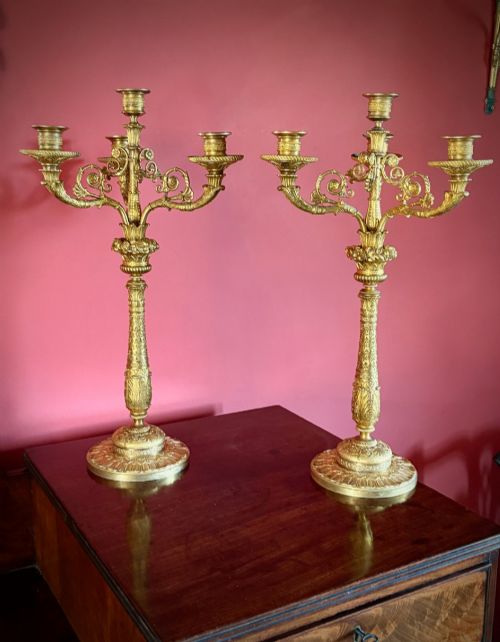
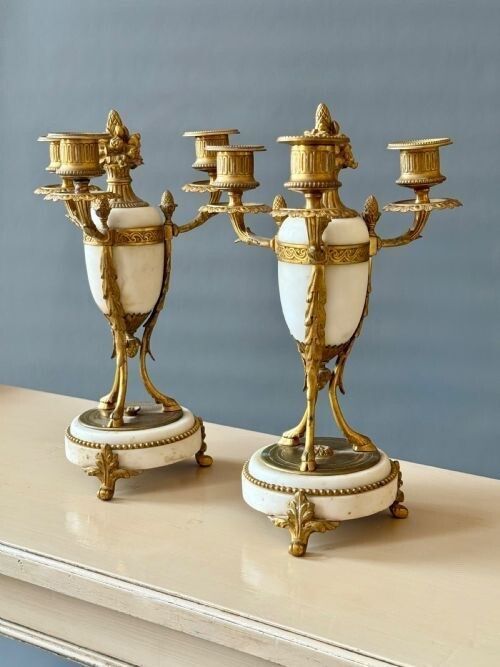
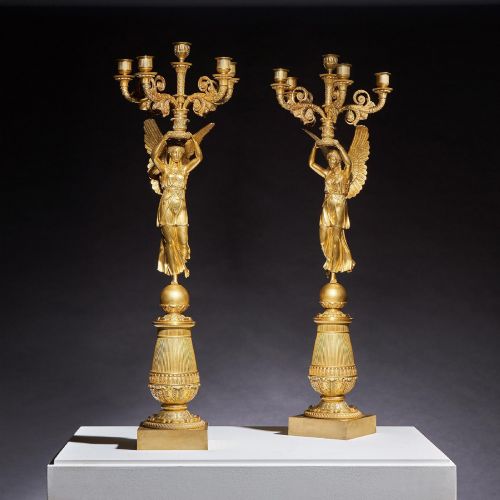
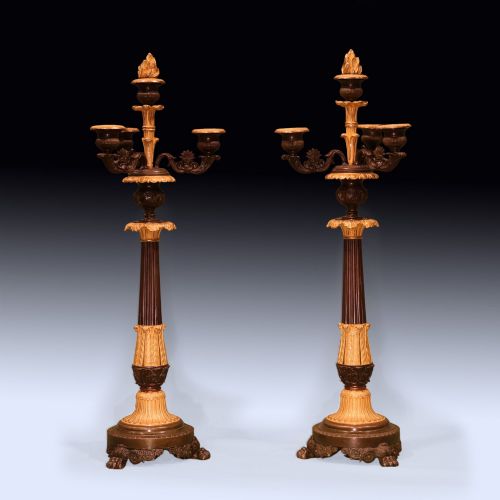
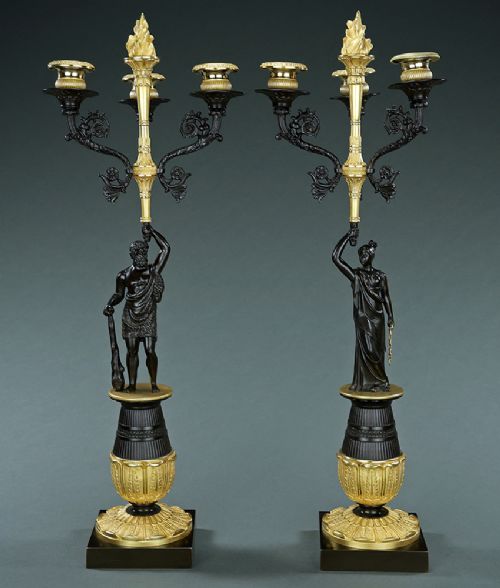
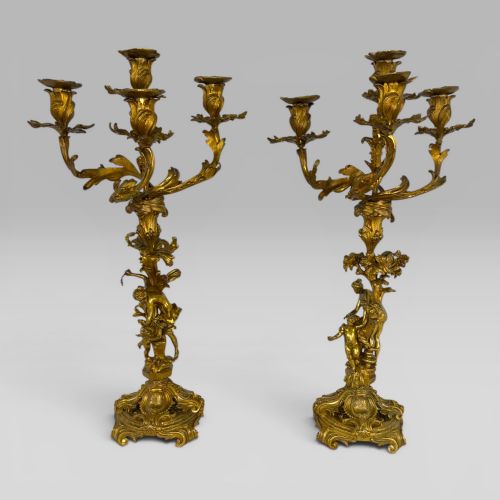
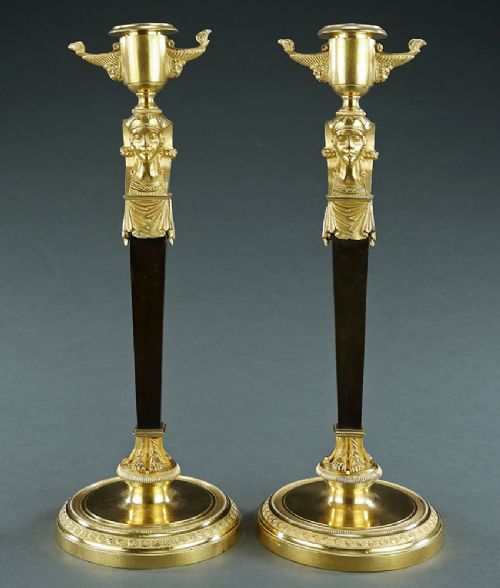
Pair of Bronze Candelabra
A pair of bronze candelabra brings sculptural weight and layered candlelit warmth to a room, drawing on centuries of European metalwork tradition.
Pair of Bronze Candelabra
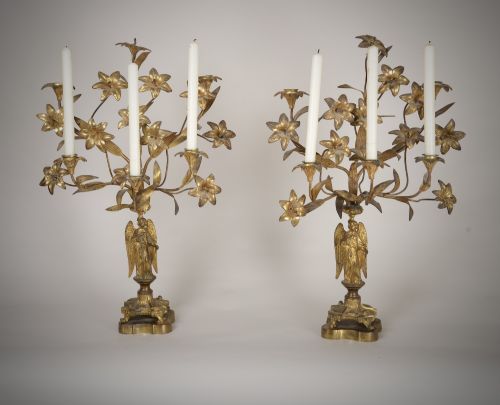
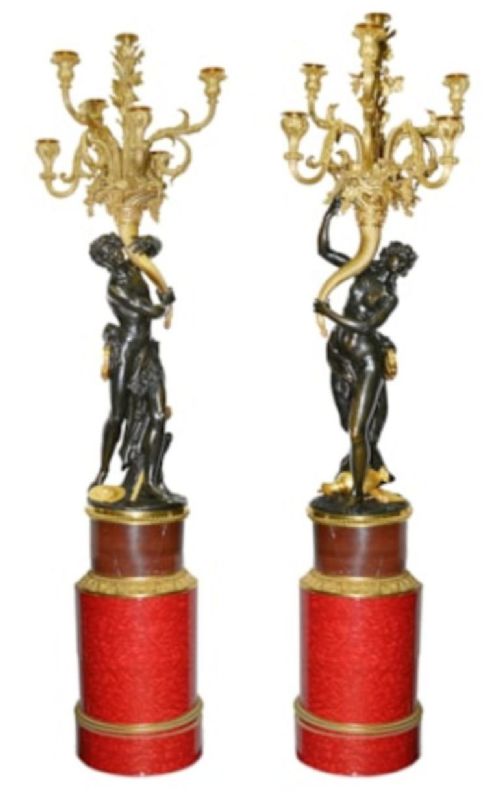
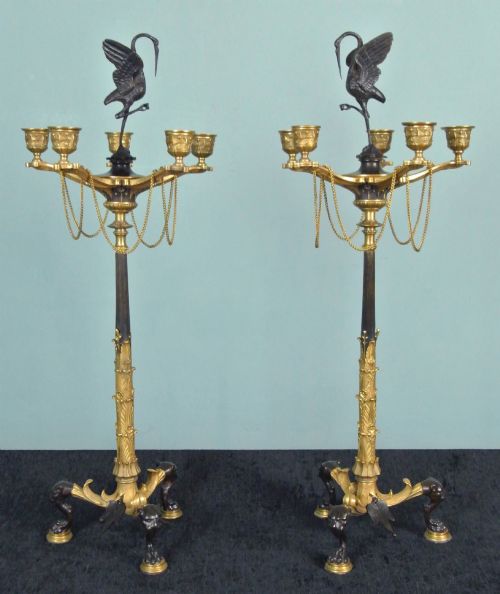
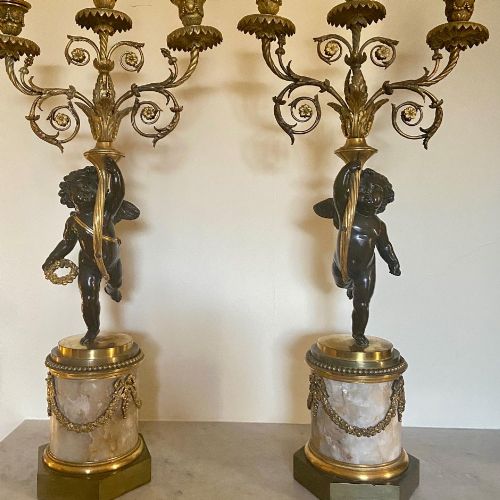
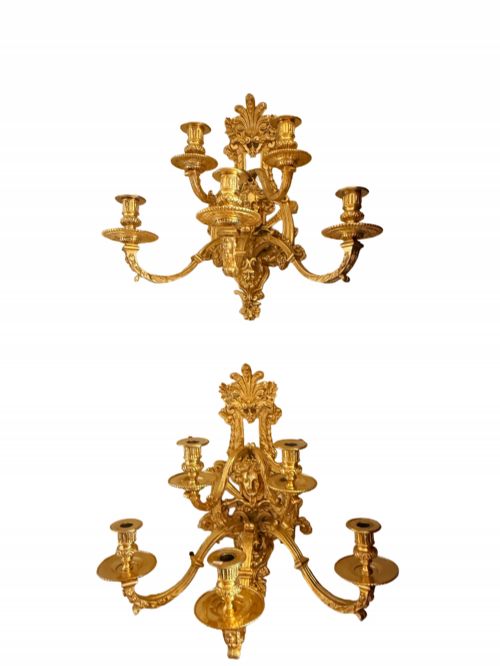
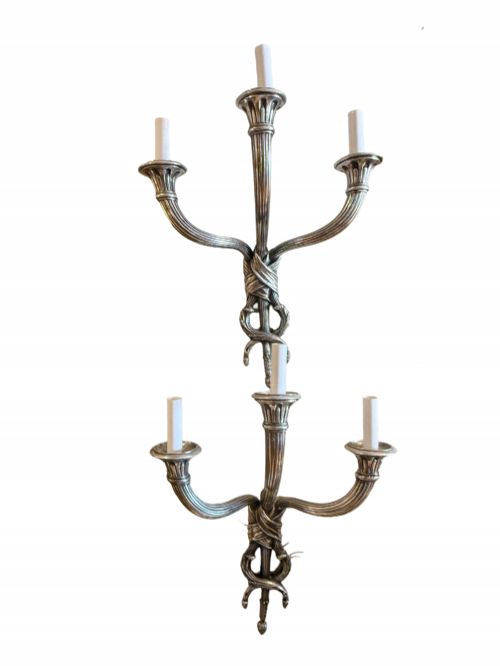
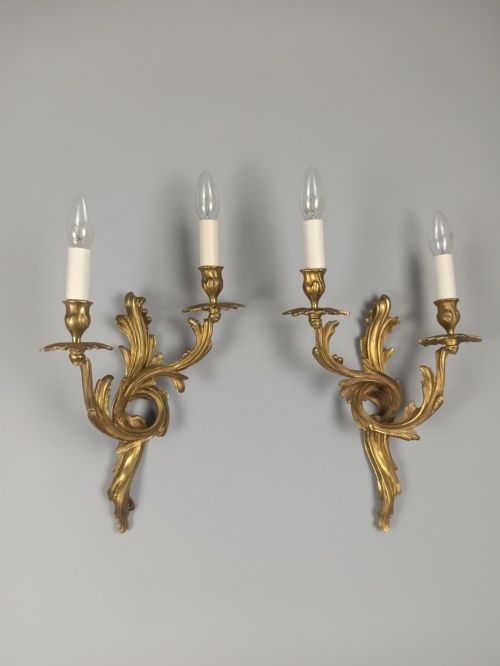
A pair of bronze candelabra comprises matching multi-branched lighting fixtures designed for tables, mantelpieces, or walls, spanning periods from the eighteenth century through the early twentieth century.
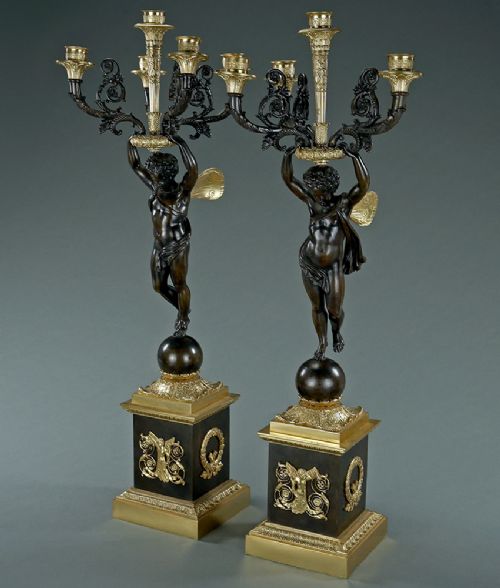
The selections frequently manifest French Empire, Louis XVI, and Regency aesthetics, often incorporating patinated figures, cherubs, or classical motifs alongside branching candle holders.
While primarily designed for holding candles, many surviving examples from later decades adapt to electricity as table lamps or wall sconces while retaining their traditional metal forms.
How They Were Made
Foundries utilised traditional casting methods in bronze, brass, and bell metal, frequently applying mercury gilding to produce ormolu surfaces alongside dark patinated bronze finishes.
Artisans combined cast metal components with carved marble bases, onyx, or porcelain elements, securing multi-branch arms with threaded pins and screws.
Detailing often involved meticulous hand-chasing after casting to sharpen the acanthus leaves, figures, and geometric patterns characteristic of neoclassical and revival styles.
Pair of Bronze Candelabra Retail Price Guide 2026
Typical asking prices for pair of bronze candelabra among the pieces listed under this phrase on Sellingantiques today, from the lower quarter to the upper quarter. They describe what is for sale here now, not the wider market.
Listings feature items cast in bronze, brass, and ormolu, originating across nineteenth-century French and English workshops.
What Varies in Quality
The crispness of the metal chasing separates standard production pieces from masterworks, where hand-tooling defines every feather, fold of drapery, and floral petal.
Weight and structural integrity indicate quality, with superior pieces utilising heavy bronze castings rather than lighter alloys, ensuring the branched arms remain rigid and balanced.
The durability and warmth of the surface gilding or original patination dictate visual success, where depth of colour and preservation of the metal underneath elevate the pairing.
Barbedienne·Pierre Philippe Thomire·Francois Redmond·Thomas Hope·Rabiat·Claude Galle·William Bullock
The Pair of Bronze Candelabra Glossary
- Ormolu
- Gilded bronze, produced by applying a mixture of gold and mercury to a bronze base and heating it to drive off the mercury. This technique created a durable, rich golden surface popular in French decorative arts.
- Patinated bronze
- Bronze treated with chemicals and heat to produce a dark brown, green, or black surface finish. It provides contrast against bright ormolu mountings.
- Champlevé
- An enamelling technique where troughs are gouged into the metal surface and filled with vitreous enamel before firing. It frequently appears on nineteenth-century decorative items.
- Candelabra
- A branched candle holder designed to support multiple candles simultaneously. They range in size from small table ornaments to large floor-standing examples.
Pair of Bronze Candelabra: Frequently Asked Questions
How do I clean bronze candelabra?
Dust the metal gently with a soft, dry brush to prevent accumulation in recessed chasing. Avoid abrasive cleaners or metal polishes that strip the original ormolu or patination.
For stubborn grime, use a slightly damp cloth with mild soap, drying the surface immediately afterwards. Preserving the historic finish maintains the character and integrity of the piece.
Can these candelabra be wired for electricity?
Many pairs adapt to electricity by running cords through the central column without altering the exterior metalwork. This allows them to function as decorative lamps while keeping the original candle sockets intact.
Consult a professional restorer to ensure any conversion respects the vintage wiring channels and structural balance of the branches.
What is the difference between ormolu and brass?
Ormolu consists of a bronze base covered in a gold-mercury amalgam, yielding a deep, lustrous golden tone that resists dulling. Brass is a copper and zinc alloy cast throughout as a single uniform yellow metal.
Twentieth-century pieces sometimes use gilded brass or plated metal, whereas earlier nineteenth-century items typically rely on true bronze substrates.
How do I identify the period of a pair?
Examine the stylistic vocabulary, such as the strict symmetry of Empire design or the asymmetrical curves of Rococo revival pieces. Construction methods, including hand-cut threading and natural marble variations, help distinguish nineteenth-century castings.
Maker signatures or foundry marks stamped onto the bronze base provide definitive clues to origin and date.