


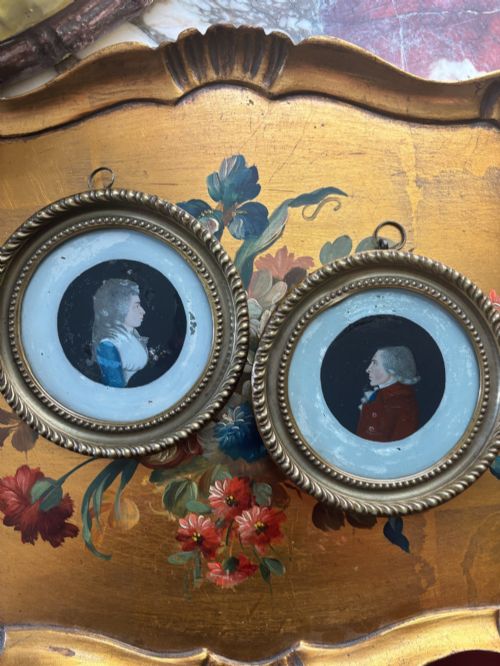
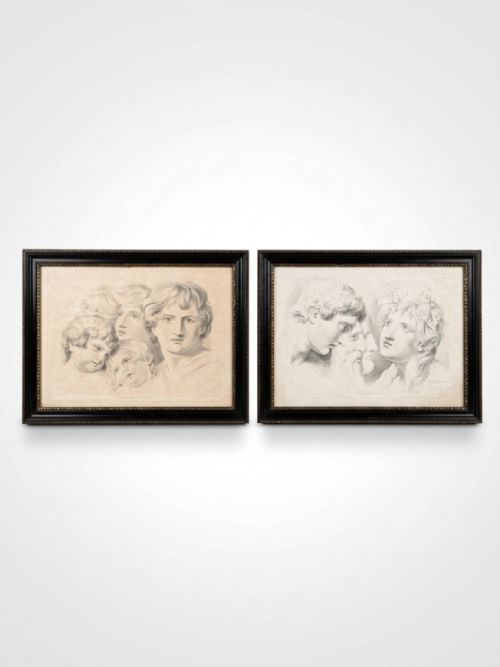
Pair of Frames
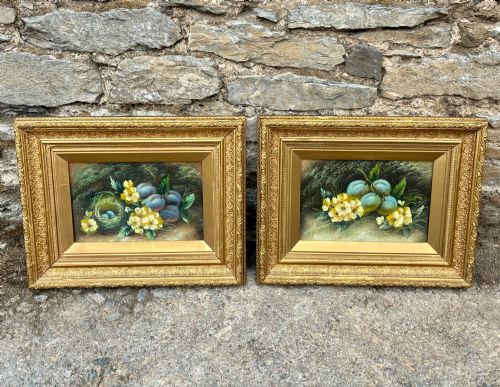
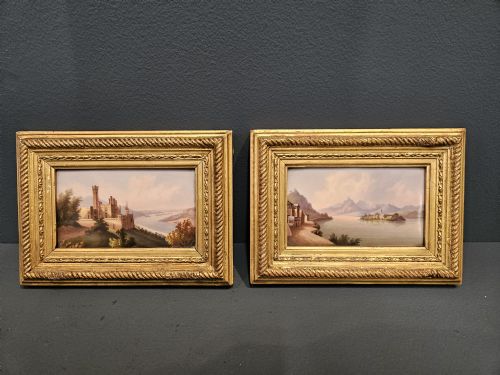
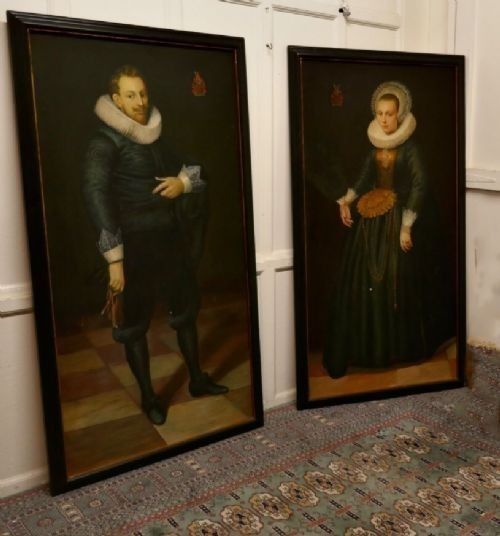
A pair of antique frames brings symmetry and historical depth to walls or mantelpieces, housing fine portraits, mirrors, or mirrors of earlier centuries.
Pair of Frames
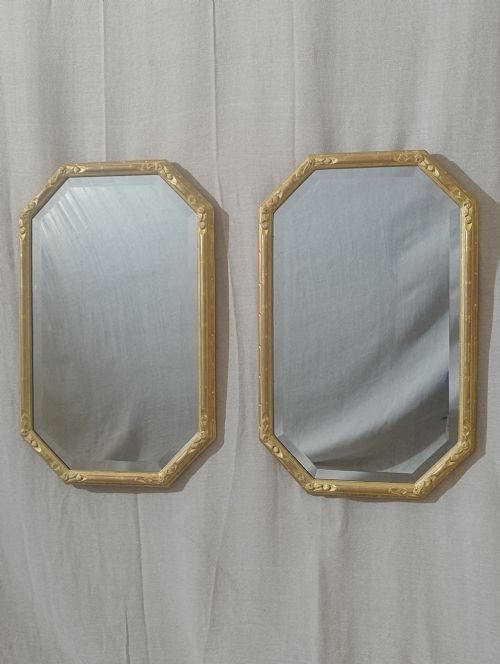
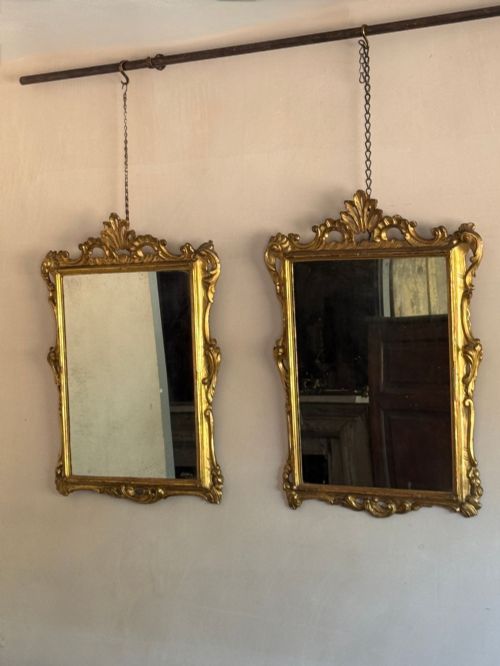
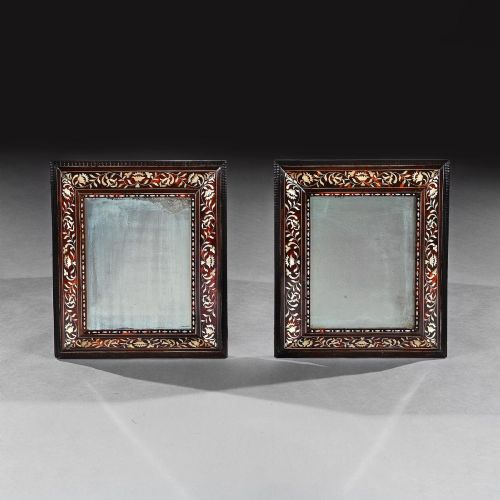
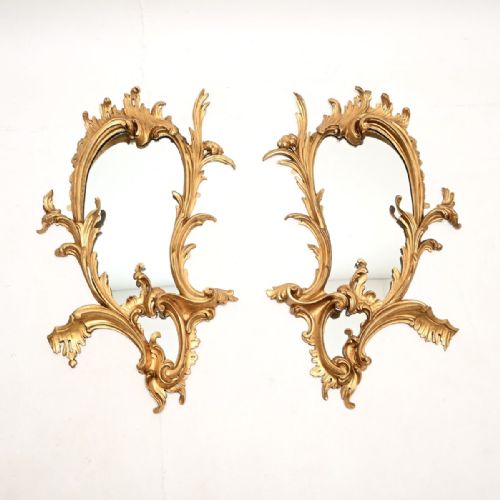
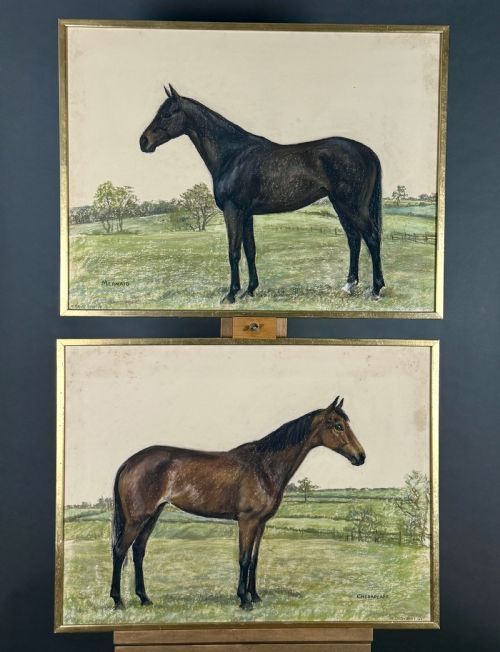
When you search for a pair of antique frames, you encounter matched sets designed to display dual artworks, mirrors, or photographs in harmony. The selection ranges from substantial nineteenth-century giltwood pier glass surrounds to eighteenth-century wooden mouldings and smaller silver or bronze photograph holders.
The material palette spans traditional softwoods and hardwoods like oak, walnut, burr yew, and satinwood alongside cast metals, sterling silver, and moulded gesso over timber cores. These housings reflect the interior decoration priorities of Georgian, Victorian, and Edwardian domestic spaces.
How they were made
Woodworking forms the foundation of these objects, utilising mitred joints, pegged corners, and carved ornamentation executed directly into timbers such as oak, walnut, or mahogany. Carvers shaped foliage, classical motifs, and geometric borders by hand before applying surface finishes.
Giltwood and gesso pieces relied on the application of fine plaster layers built up over a timber base, smoothed, and then covered with thin gold leaf adhered via sizing or oil gilding techniques. Metal variants involved casting in bronze or sterling silver, followed by chased detailing and polishing.
Surface treatments included French polishing, oil painting, or leaving woods in their natural state, while metal elements often received hallmarks indicating assay office origins and manufacturing dates.
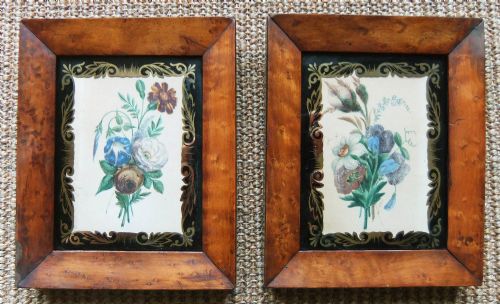
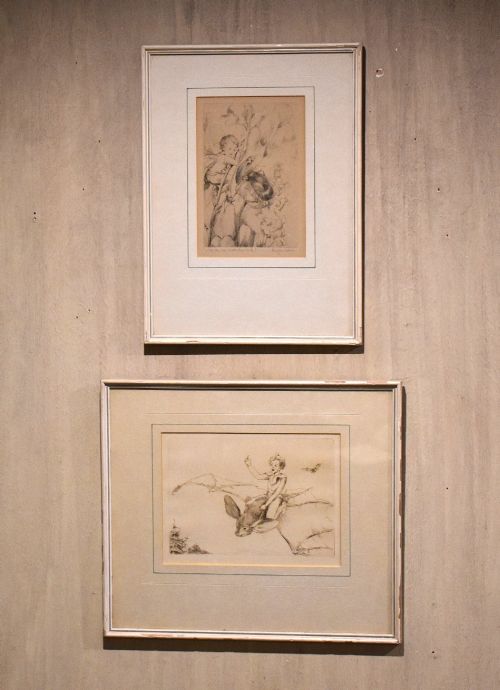
Even soapy advertising prints managed to find themselves neatly matched into handsome frames.
What varies in quality
The standard of carving and moulding defines the visual merit of the piece, separating crisp, deep relief work from soft, mechanically pressed ornamentation. Hand-carved depth in timber or gesso reveals the artisan's direct touch and long-term durability.
Originality of surface finish and component parts heavily influences the character of the object, noting whether gilding, silver plating, or wood patination remains undisturbed over generations. Intact corner joints and original backing systems maintain structural integrity.
Cohesion between the two matched items matters immensely, ensuring that profile dimensions, wear patterns, and decorative details align perfectly as a true surviving pair.
The Pair of Frames Glossary
- Gesso
- A plaster mixture applied to wood frames as a smooth base before gilding or painting. It allows for intricate moulded ornamentation.
- Giltwood
- Timber carved and coated with gold leaf. This technique was widely utilised for formal wall mirrors and fine picture housings.
- Rebate
- The recessed channel cut into the back inner edge of a frame to hold the glass, artwork, and backing board securely.
- Pier glass
- A tall wall mirror designed to hang on the wall space between windows. These often feature heavy carved wood and gilt frames.
- Bergere
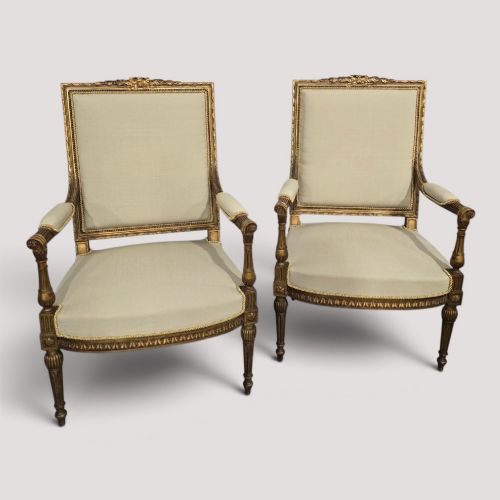
- A traditional chair style with enclosed cane or wicker sides. Frames are typically constructed from oak or walnut.
Pair of Frames: Frequently Asked Questions
How do I date an antique frame?
Dating relies on examining the construction methods, tool marks visible on the reverse, and the underlying material composition, such as early pine or oak boards.
Stall rebates, handmade nails, and the formulation of the gesso or gilding layers also offer reliable indicators of the period of manufacture.
Can I hang mirrors and pictures together?
Mixing framed mirrors and artworks within a room creates textural contrast and balances light reflection across adjacent wall spaces.
Matching the scale and wood tone ensures visual harmony without requiring identical subject matter.
What wood types are most common?
Oak and walnut appear frequently in structural frames and furniture housings from the seventeenth and eighteenth centuries.
Exotic timbers like satinwood, burr yew, and rosewood emerge in high-status decorative pieces from the Georgian and Victorian eras.
How should I clean giltwood frames?
Dusting requires a very soft, dry brush to prevent disturbing fragile gold leaf or flaking gesso surfaces.
Moisture and chemical cleaners must be strictly avoided to protect the historic water-gilding or oil-gilding layers.