

Pair French Tub Armchairs
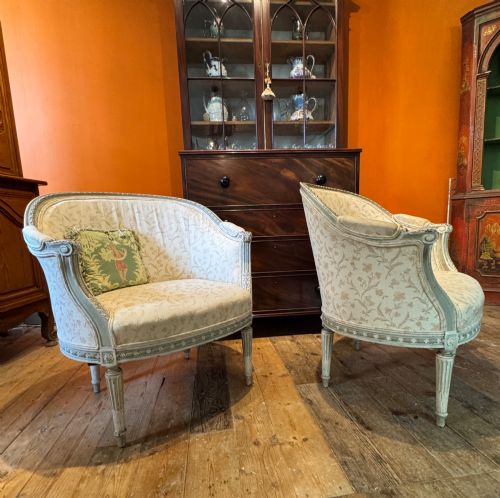
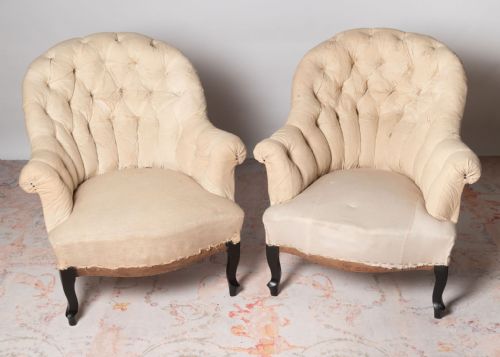
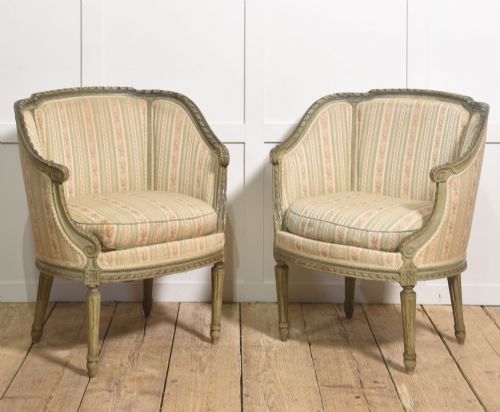
Pair french tub armchairs bring sculptural seating and continental elegance to a room, offering rounded comfort.
Pair French Tub Armchairs
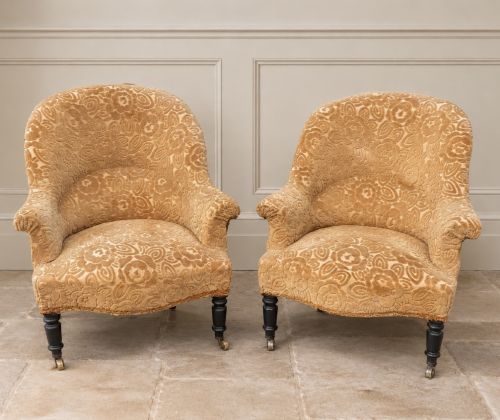
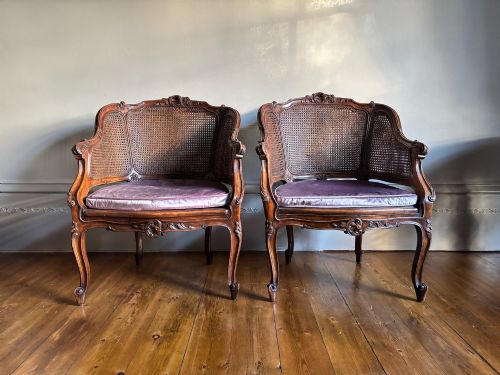
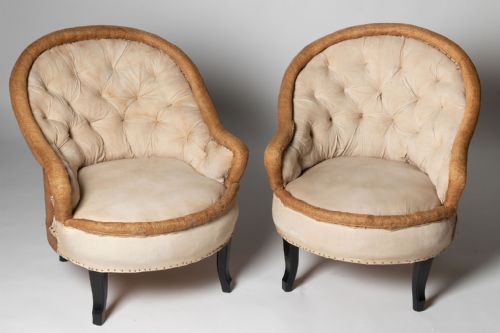
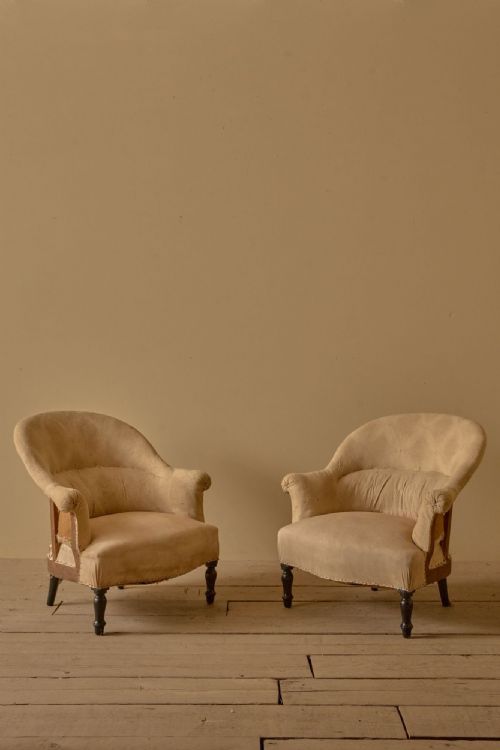
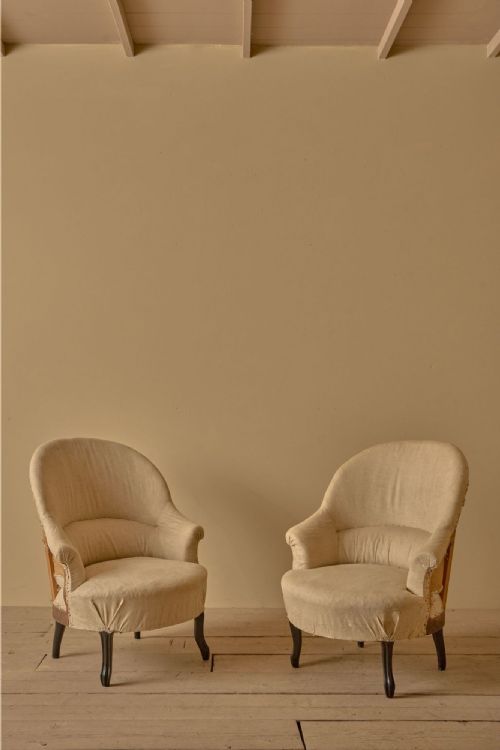
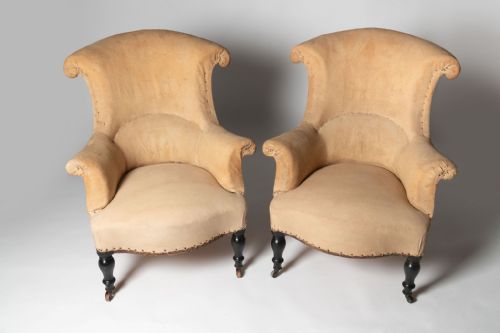
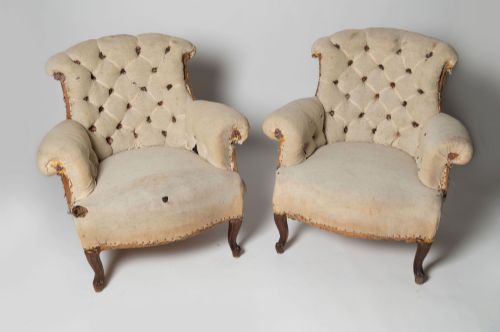
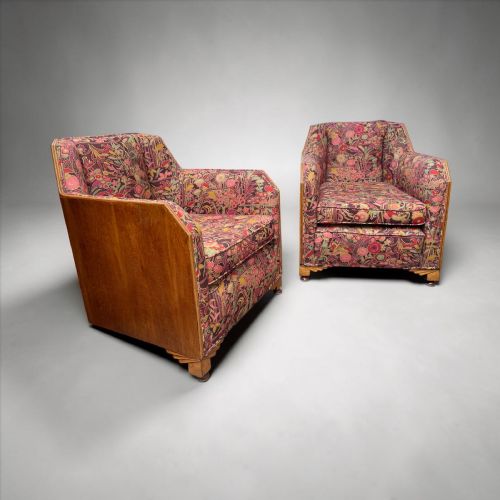
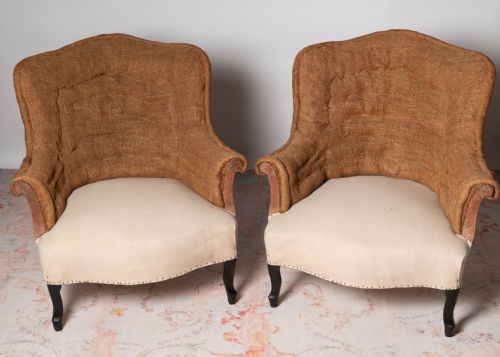
Pair french tub armchairs span the nineteenth century into the twentieth century, appearing in Napoleon III, Louis XV style, Louis XVI, and Art Deco forms. These seats include bergere armchairs, salon chairs, and library armchairs designed with enclosing rounded backs.
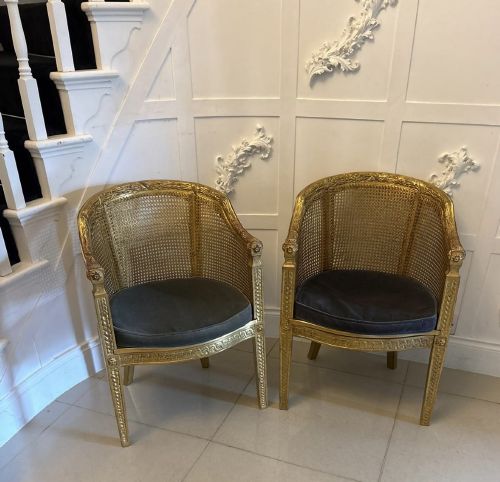
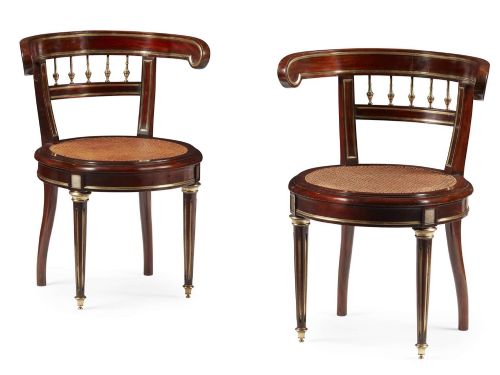
The version most commonly encountered on this page originates from nineteenth century France, often finished in painted wood, giltwood, or polished mahogany. Buyers find these seating options upholstered in calico, velvet, or retaining original paint and cane panels.
How they were made
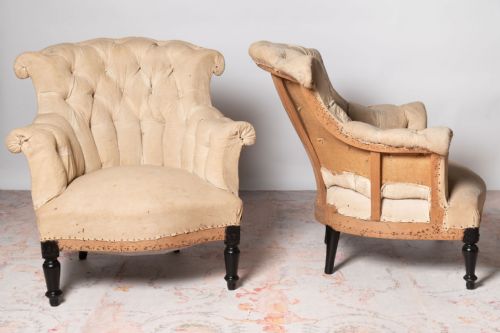
Frames rely on beech, walnut, and mahogany, shaped into curved wooden skeletons to form the characteristic rounded tub profile. Artisans applied giltwood and painted finishes directly to the timber frames.
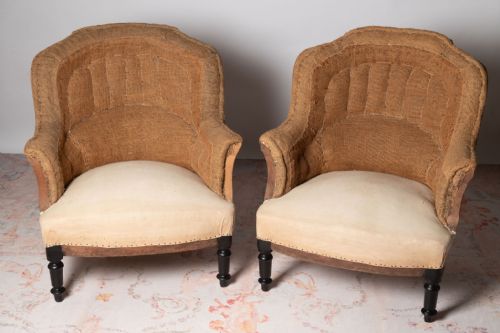
Seating construction incorporates cane work for airy side and back panels alongside traditional upholstery stuffing supported by brass details. Pieces arrive covered in calico, hessian, and velvet.
Pair French Tub Armchairs Retail Price Guide 2026
Typical asking prices for pair french tub armchairs among the pieces listed under this phrase on Sellingantiques today, from the lower quarter to the upper quarter. They describe what is for sale here now, not the wider market.
The inventory spans the Victorian era through the Art Deco period of nineteen thirty.
What varies in quality
The refinement of the carved wooden frame dictates the distinction between standard production and superior examples. Crisp execution in giltwood, marquetry inlay, and painted surfaces elevates the visual weight of the seating.
The preservation of original materials, such as early cane work and intact painted finishes, determines the historical integrity of the chairs. Heavier proportions and clean lines in the woodwork signal structural competence.
The Pair French Tub Armchairs Glossary
- Tub chair
- An armchair with a low, rounded back that curves continuously into the arms. This enclosed design provides deep and supportive seating.
- Giltwood
- Timber coated with a thin layer of gold leaf or gilt paint. This decorative finish appears frequently on nineteenth century salon furniture.
- Napoleon III
- A nineteenth century revival style combining various historical French motifs with opulent upholstery. It reflects the eclectic tastes of the Second Empire.
- Cane
- Woven rattan material used for chair panels. It creates a light, breathable surface on the back and sides of frames.
Pair French Tub Armchairs: Frequently Asked Questions
Where should I place tub armchairs?
These rounded seats fit well in sitting rooms, bedrooms, or reading corners where their enclosed shape creates a distinct conversational grouping. Their compact proportions allow them to sit comfortably without dominating the floor space.
Matching pairs enable symmetrical placement opposite a fireplace or flanking a sofa. This arrangement brings formal balance while maintaining an inviting atmosphere.
How do I care for velvet upholstery?
Velvet surfaces require gentle brushing with the grain to maintain the pile and prevent flattening. Regular light vacuuming with a soft brush attachment removes dust.
Avoid placing these chairs in direct sunlight to prevent the pile from fading. Professional cleaning is recommended for deeper maintenance to protect the fabric.
How do I identify Napoleon III pieces?
Napoleon III pieces often feature eclectic historical revivals, rich giltwood or dark wood frames, and elaborate upholstery. They date from the mid to late nineteenth century.
Look for comfortable padded tub profiles combined with decorative carved details. These characteristics separate them from earlier austere neoclassical designs.
Can I reupholster a bergere chair?
Upholstering these chairs is possible and often necessary when fabric wears thin or when choosing a specific interior scheme. Calico under-upholstery provides a stable base for decorative top fabrics.
Preserving original frame finishes and cane panels is standard practice during any upholstery work. Traditional methods ensure the structural integrity of the curved wooden frame remains intact.