
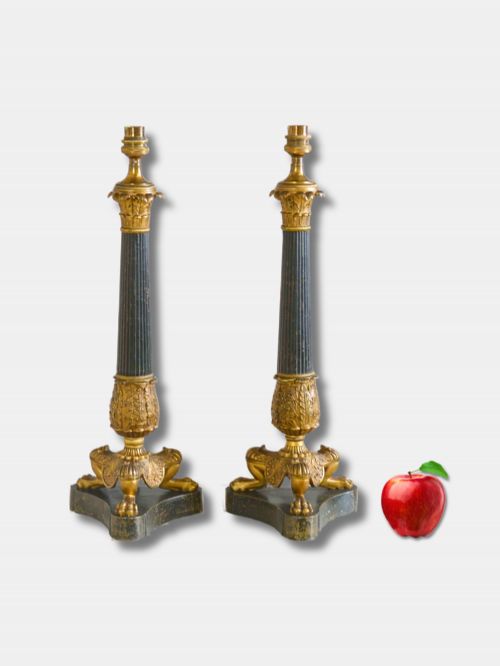
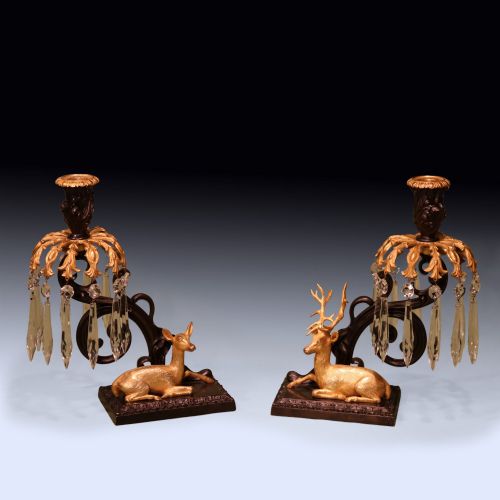
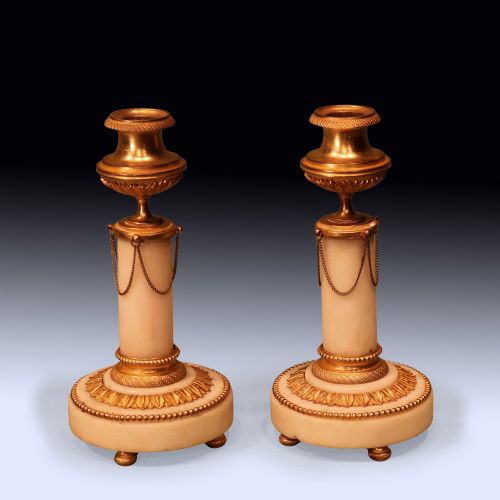
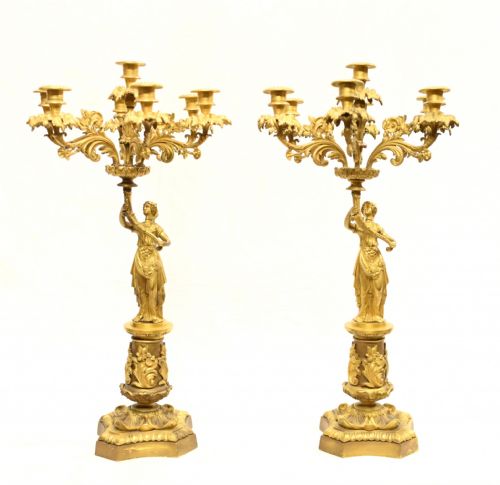
Pair French Ormolu Candlesticks
When searching for pair french ormolu candlesticks, buyers discover gilded metal lighting that brings formal 19th-century French elegance to a mantelpiece.
Pair French Ormolu Candlesticks
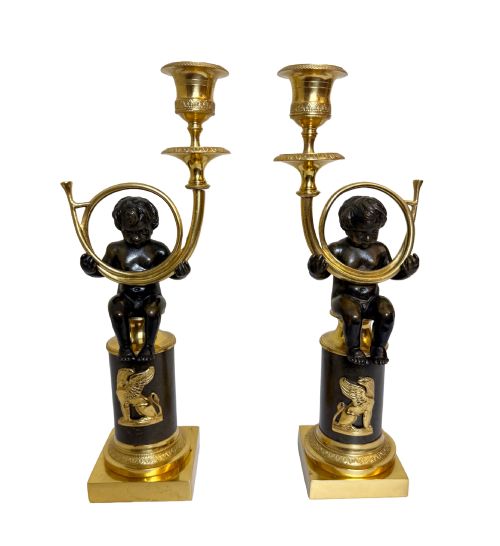
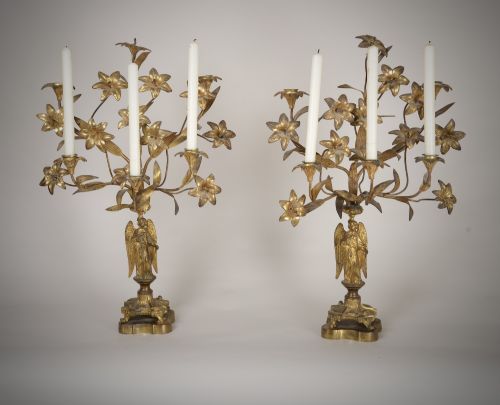
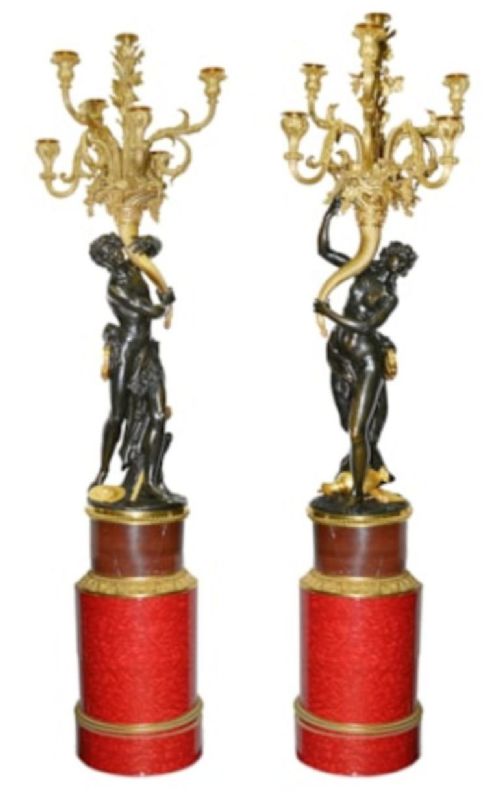
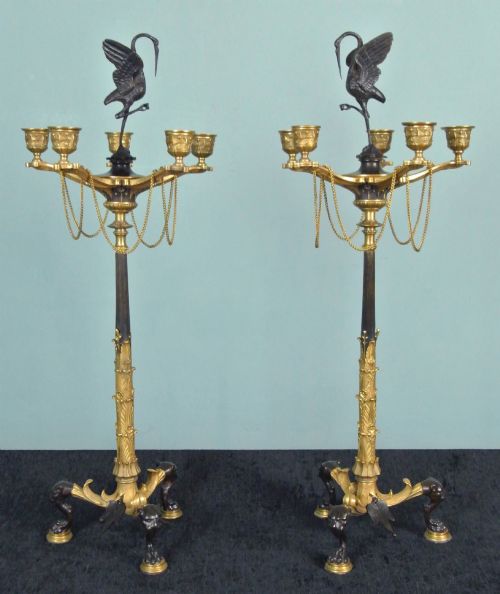
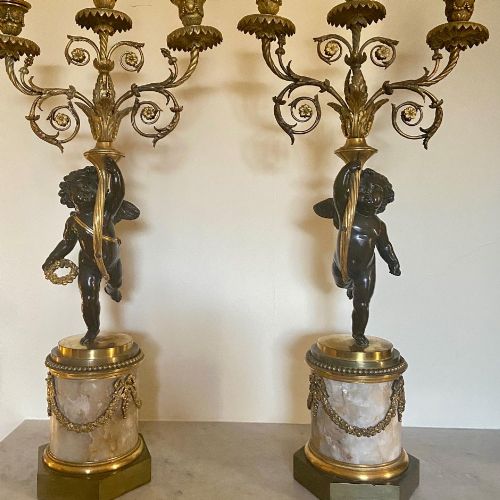
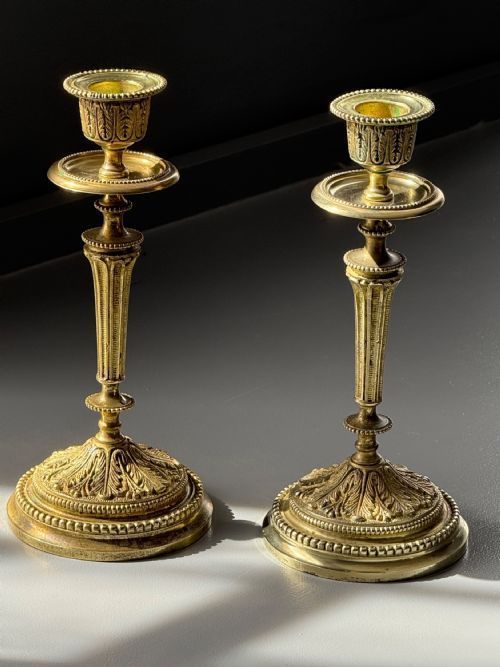
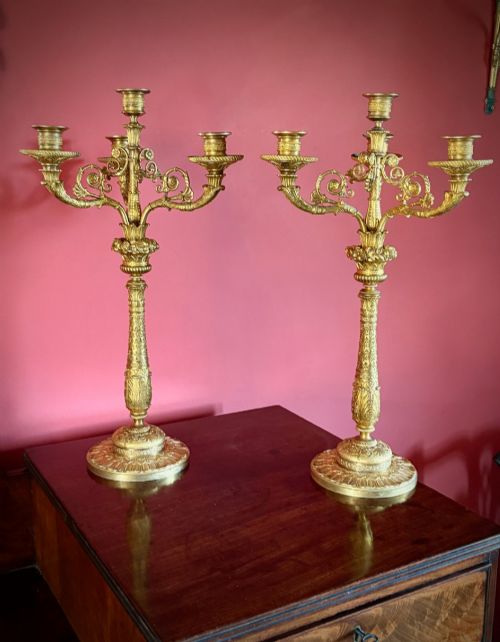
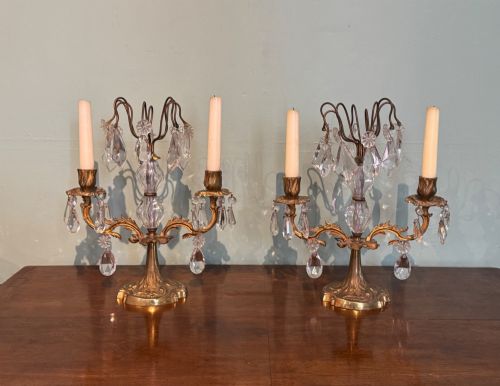
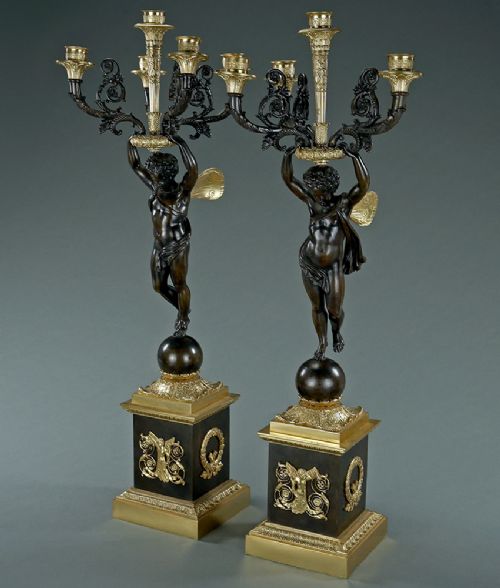
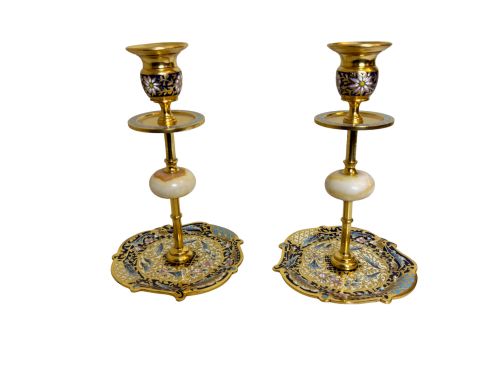
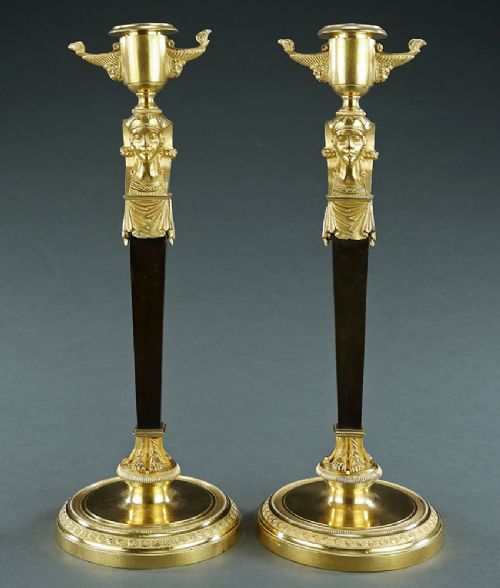
Pair french ormolu candlesticks encompass items designed to hold candles or support illumination, frequently taking the form of multi-branch candelabra, single-stem sticks, or converted lamp bases.
The selections span periods from the mid-18th century through the late 19th century, featuring stylistic revivals including Louis XVI, French Empire, Rococo, and Neoclassical designs.
Many examples incorporate figurative elements such as cherubs, putti, maidens, and mythological motifs alongside architectural columns or foliage.
How They Were Made
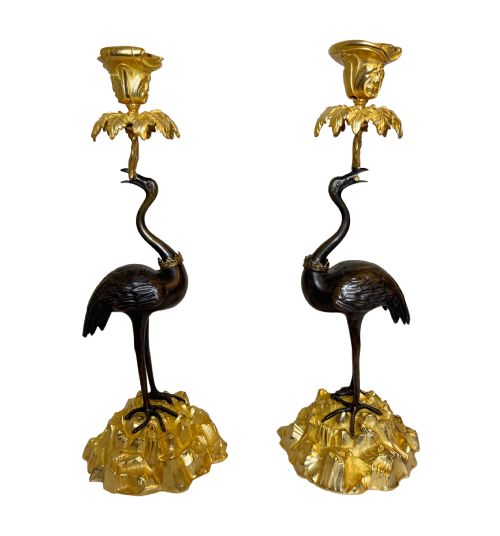
The creation of these pieces relies heavily on the mercury gilding process or the application of fine gold leaf over cast bronze, brass, or copper alloys, creating the signature golden sheen known as ormolu.
Foundries combined patinated bronze elements with bright gilt components, frequently mounting the metalwork onto white marble, fossil marble, or onyx bases.
Detailed ornamentation often involved champlevé enamel work, cut crystal lustres, or porcelain inserts integrated into the metal frames.
Some sturdier models doubled as seasonal table lustres, hanging glass prisms to catch the flicker of dinner party flames.
What Varies in Quality
The retention of the original mercury gilding or fire gilding contributes significantly to the integrity of a piece, compared to later re-plating.
The choice of secondary materials, such as heavy solid marble bases and genuine cut crystal pendants, elevates the overall substance of the object.
Barbedienne·Francois Redmond·Galle
The Pair French Ormolu Candlesticks Glossary
- Ormolu
- A golden-coloured alloy of copper, zinc, and sometimes tin, used to imitate gold and applied to bronze mounts.
- Chasing
- The manual tool work applied to metal castings after removal from the mould to sharpen details and textures.
- Candelabra
- A branched candlestick holding multiple tapers or candles from a single central stem.
- Patinated Bronze
- Bronze treated with chemicals to produce a dark, aged surface contrast against the bright gilded elements.
- Champlevé
- An enamelling technique where troughs are dug into metal and filled with vitreous paste before firing.
Pair French Ormolu Candlesticks: Frequently Asked Questions
What is the difference between ormolu and gilt bronze?
Ormolu and gilt bronze largely refer to the same material application in French decorative arts, denoting a layer of gold applied to a bronze base.
Historical pieces often use the term ormolu specifically for mercury-gilded bronze from the 18th and 19th centuries.
How can I tell a Louis XVI style pair from an Empire pair?
Louis XVI pieces typically display neoclassical symmetry, ribbon twists, urns, and delicate floral garlands reflecting classical antiquity.
Empire items tend to feature heavier military trophies, sphinxes, laurel wreaths, and bold architectural forms inspired by Napoleonic campaigns.
Were these items originally wired for electricity?
These pieces were built exclusively to hold wax candles or oil lamps during the 18th and 19th centuries.
Many surviving examples were converted into table lamps during the 20th century by running cords through the central stem.
Why are marble bases common on these items?
Foundries paired heavy bronze and ormolu mounts with marble or onyx to provide a stable, weighted foundation for the tall candlesticks.
White marble and fossil marble also added a contrasting neoclassical texture that complemented the bright gold finish.