
Pair French Brass Lamps
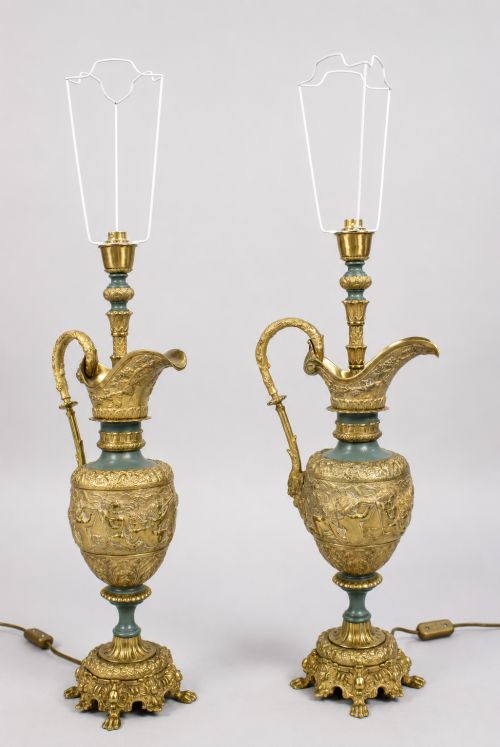
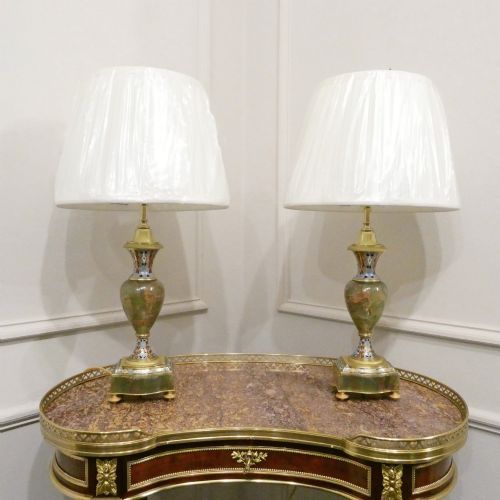
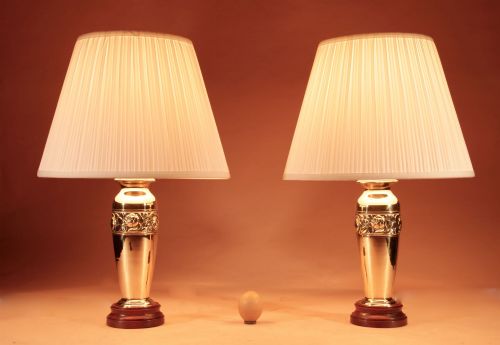
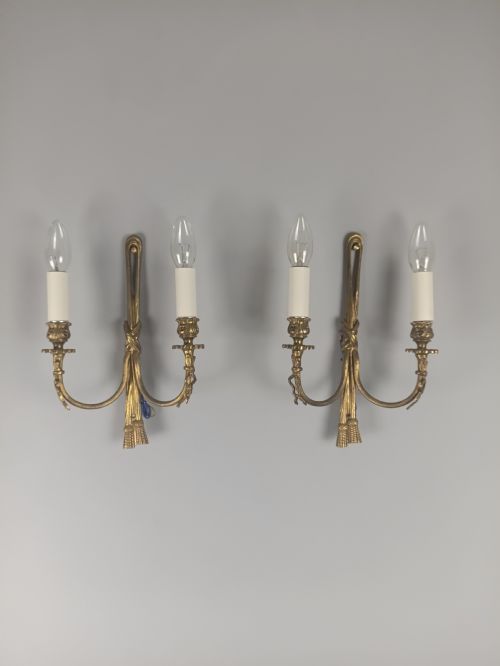
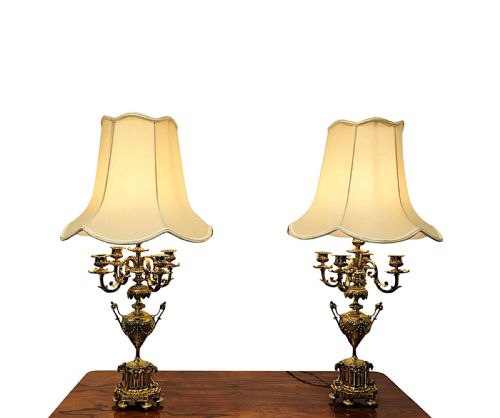
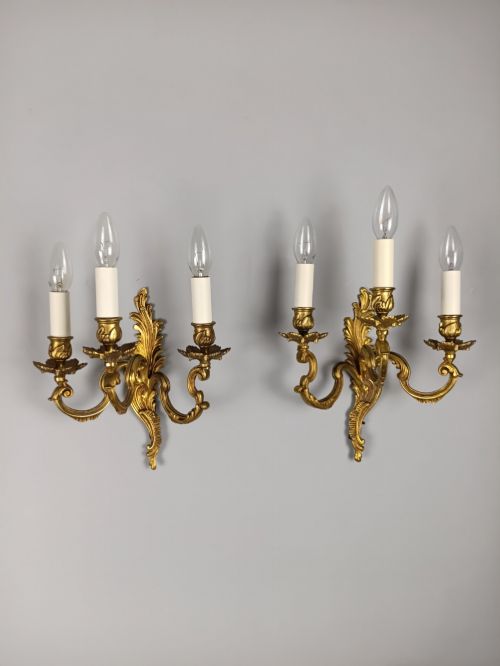
Pair french brass lamps bring warm illumination and classical proportion into a room, spanning nineteenth-century patination and twentieth-century deco lines.
Pair French Brass Lamps
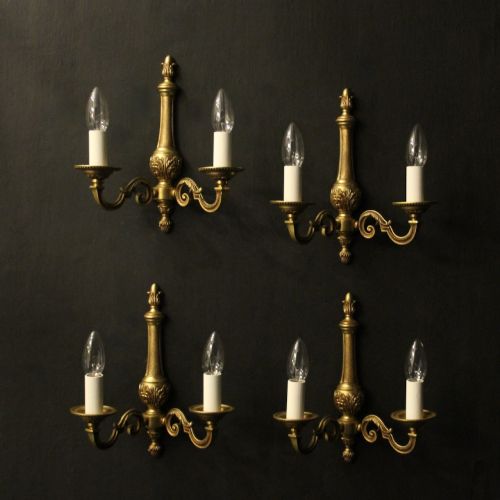
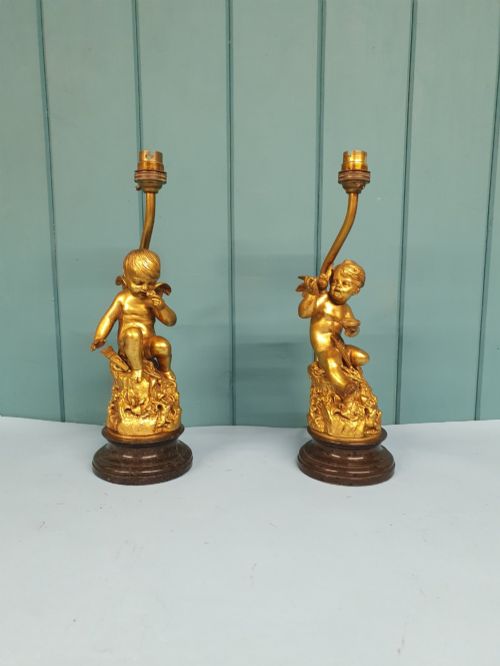
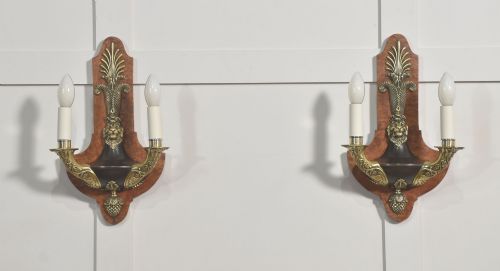
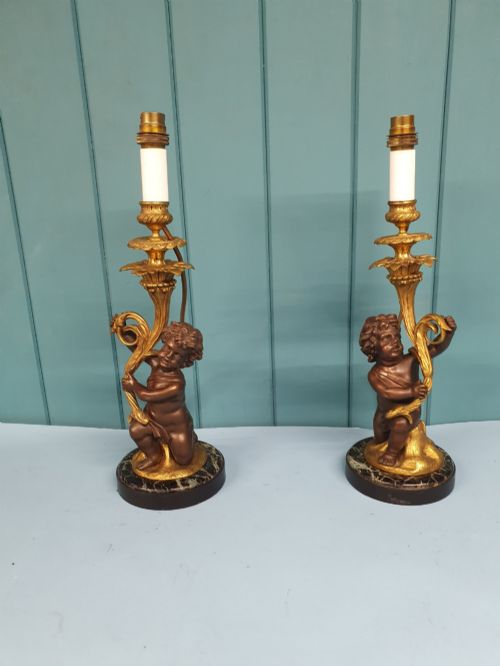
Pair french brass lamps encompass decorative lighting fixtures designed in matched pairs, originating from French workshops across the nineteenth and twentieth centuries. Buyers encounter table lamps, wall lights, and candelabra conversions drawing on Empire, Rococo, and Louis XVI styles.
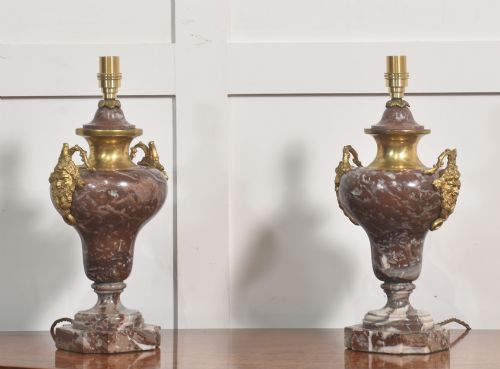
The selection frequently includes altered church altar sticks, figural bronzes, and column forms mounted on marble or onyx bases. These pieces reflect historical interior trends ranging from elaborate champleve details to sleek art deco silhouettes.
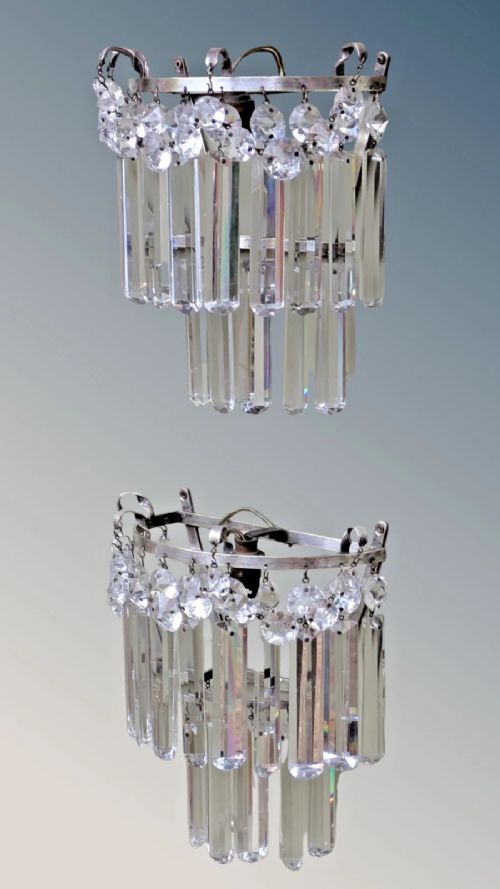
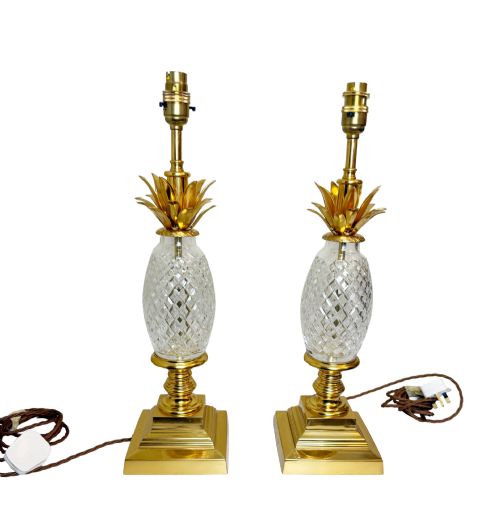
Surviving examples bridge practical illumination and sculptural ornament, often incorporating crystal drops, tole-peinte cylinders, or gilt bronze mounts. Such dual functionality drives domestic demand among collectors seeking symmetrical lighting solutions.
Materials and Manufacture
Foundry work combined sand casting and lost-wax methods to shape base brass, ormolu, and bronze components, which workers then chased by hand to sharpen surface relief. Gilt finishes applied via mercury amalgamation or electroplating provided durable surface lustre on finer frames.
Makers integrated natural stones including rouge marble, onyx, alabaster, and granite as heavy structural bases for slender metal columns and ewers. Cut crystal pendants, glass shades, and fabric elements completed the assemblies, held together by threaded brass spindles and nuts.
Several heavy table lamps started life as seventeenth-century style church altar sticks before finding a second career holding lightbulbs.
Factors That Determine Quality
Quality rests upon the crispness of the metal chasing and the depth of the original fire-gilding or ormolu patination. Superior items display sharp, undercut foliage and figures without the soft edges typical of secondary recast copies.
The choice of secondary materials marks the division between standard production and luxury output. Solid marble bases, heavy gauge cast brass, and hand-cut crystal prisms separate workshop masterpieces from lighter utilitarian brass fittings.
Ernest Justin Ferrand
The Pair French Brass Lamps Glossary
- Ormolu
- Finely ground high-carat gold mercury-gilded onto a bronze or brass base. This technique produces a warm, durable metallic sheen seen on luxury French decorative objects.
- Champleve
- An enamelling technique where troughs are dug into the metal surface and filled with vitreous paste before firing. It adds colourful geometric or floral patterns to brass lamp bodies.
- Pricket lamp
- A candlestick featuring an upright metal spike in the centre of the drip pan to secure a wax candle. Many nineteenth-century examples later underwent conversion into electrified table lamps.
- Girandole
- A branched wall sconce or table candelabra featuring mirrored glass backs or hanging crystal drops designed to multiply candlelight. They reflect light across nineteenth-century interiors.
Pair French Brass Lamps: Frequently Asked Questions
How do I date an old brass lamp?
Dating relies on stylistic markers, casting techniques, and assembly methods characteristic of specific periods like the Empire or Louis XVI revivals. Heavy hand-chased ormolu and integral marble plinths usually point to nineteenth-century production.
Later twentieth-century iterations often incorporate simpler spun brass components or distinct art deco geometric profiles. Examining the wiring channels and fastening screws also provides clues regarding manufacturing eras.
Were these lamps originally electric?
Most older examples started life as oil lamps, gas fixtures, church altar prickets, or candle sconces before later conversion to electricity. These transformations frequently occurred during the mid-twentieth century to suit modern domestic requirements.
Evidence of adaptation appears in drilled base passages and internal weight adjustments. Such historical alterations are standard for period lighting found on the market.
What is the difference between brass and ormolu?
Brass is an alloy of copper and zinc utilised for structural lamp bodies and cast components due to its malleability. Ormolu refers specifically to high-grade bronze or brass treated with a gold-mercury amalgam finish.
This gilt coating yields a rich, golden appearance distinct from raw or lacquered brass surfaces. Ormolu mounts typically denote higher-status French decorative objects.
How should I clean antique brass?
Maintenance requires gentle dusting with a soft cloth to preserve the accumulated patination built up over decades. Aggressive metal polishes strip away original gilt surfaces and historical finishes.
Periodic checks of the structural fixings ensure the weighted bases remain secure beneath the upright stems. Professional rewiring is recommended for older cords to ensure safety during daily use.