




Classical Figural Bronze Lamps
Classical figural bronze lamps combine human and mythological sculpture with functional illumination, bringing sculptural presence and historical weight into a room.
Classical Figural Bronze Lamps
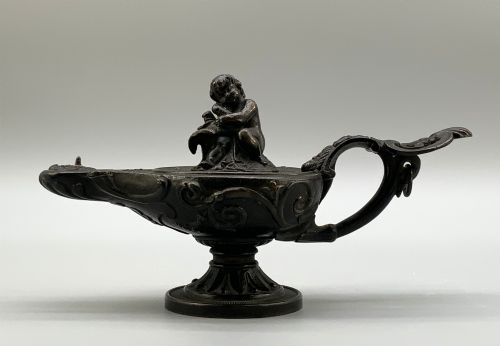
Classical figural bronze lamps embody sculptural forms derived from mythology, allegory and historical figures, functioning simultaneously as lighting and ornamental art. Collectors searching for classical figural bronze lamps will encounter table lamps, floor lamps, oil lamps, torcheres and wall sconces.
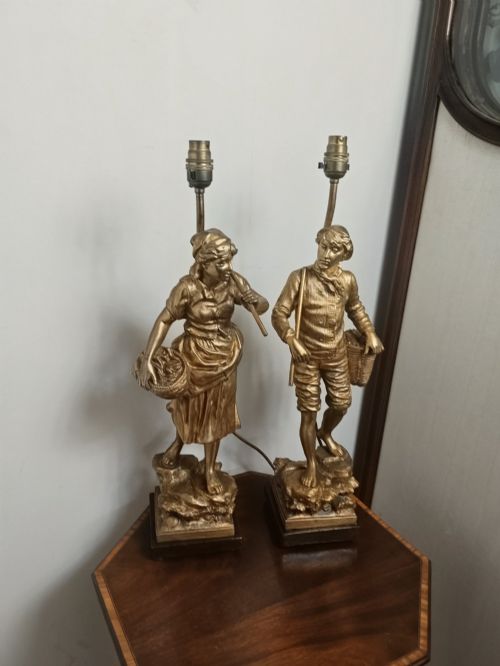
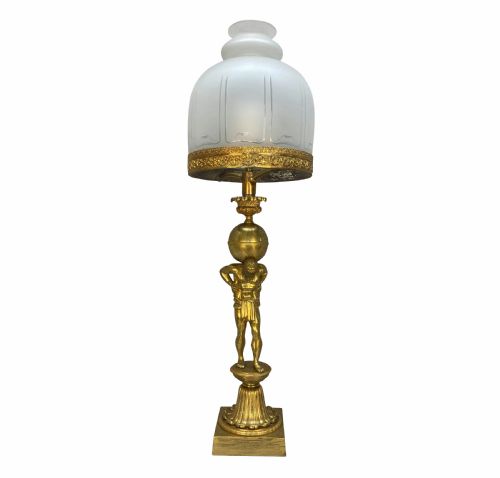
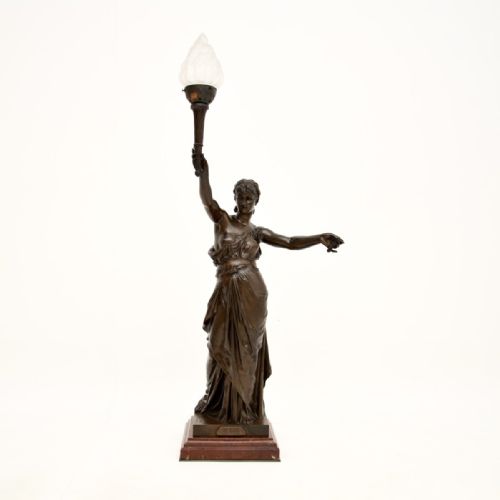
The material record spans the nineteenth century, including Regency, Victorian, Edwardian and Art Nouveau periods. French workshops dominate the selection alongside English pieces, featuring subjects such as cherubs, maidens, Atlas, Apollo and allegorical figures.
Pieces range from modest table lamp bases to substantial floor-standing torcheres measuring several feet in height. Bases commonly incorporate complementary materials including marble, brass, china and glass.
Distinctions in Quality
Quality rests primarily upon the crispness of the metal casting and the artistry of the original sculptor or foundry. Finer examples display meticulous chiselling and finishing of the bronze surface after casting, whereas lesser pieces show softer detail.
The integration of the figural sculpture with the lighting mechanism dictates overall success. Superior pieces maintain sculptural integrity while accommodating wiring and lamp fittings without compromising the form.
Materials documented across the inventory include solid bronze, gilt bronze, spelter, marble plinths and frosted glass shades.
L & F Moreau·Humphrey Hopper·Emile Picault·Jean-Jules Cambos·H. Moreau·François-Christophe-Armand Toussaint·Coutan·Henri Honore Ple·Auguste Moreau
The Classical Figural Bronze Lamps Glossary
- Torchere
- A tall decorative floor lamp or stand designed to hold a light source. They often stand over seven feet tall in grander rooms.
- Spelter
- A zinc alloy commonly utilised as a less expensive alternative to bronze during the nineteenth and early twentieth centuries. It accepts patination and metallic paint finishes.
- Ormolu
- Gilded bronze produced by applying a mercury and gold amalgam to a bronze base and heating it. This technique creates a durable golden finish.
- Patina
- The surface coloration and sheen acquired by bronze over time or through artificial chemical treatment. It reveals the age and handling of the metal.
- Grand Tour
- A cultural journey undertaken by wealthy young Europeans in the eighteenth and nineteenth centuries to study classical art. Souvenirs from these travels included small bronzes and lamps.
Classical Figural Bronze Lamps: Frequently Asked Questions
What is a figural bronze lamp?
A figural bronze lamp incorporates a human, cherubic or mythological statue as the main structural body of the lighting fixture. These pieces originate predominantly from nineteenth-century European foundries.
They combine sculptural art with functional illumination, utilising figures from classical mythology, allegory and historical tradition.
How do I distinguish bronze from spelter?
Bronze is a heavy, durable copper alloy that rings when struck gently and develops a stable patina. Spelter is a softer zinc alloy that feels lighter and often shows pitting or fatigue beneath the painted surface.
Many nineteenth-century figural lamps utilise spelter as an accessible alternative to cast bronze.
Where were these lamps placed originally?
Large torcheres and floor lamps stood in principal reception rooms, grand hallways and libraries to provide both illumination and display sculptural wealth. Table lamps and oil lamps occupied side tables, desks and mantlepieces.
Their design was intended to catch the eye as works of art even when unlit.
How do I date a classical figural lamp?
Dating relies on stylistic markers, foundry signatures, material composition and the construction methods of the base and wiring channels. Neoclassical and Regency pieces display strict classical symmetry, while Art Nouveau examples feature organic, flowing lines.
Signatures from known sculptors help narrow the production period to specific decades.