
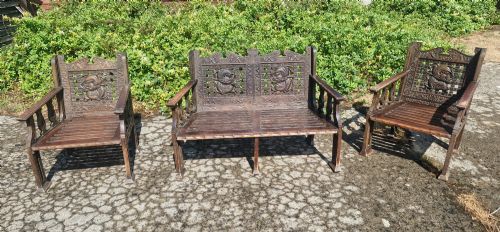
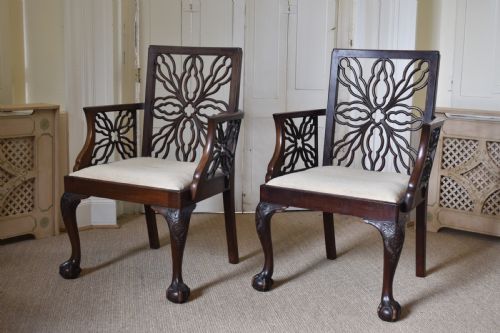
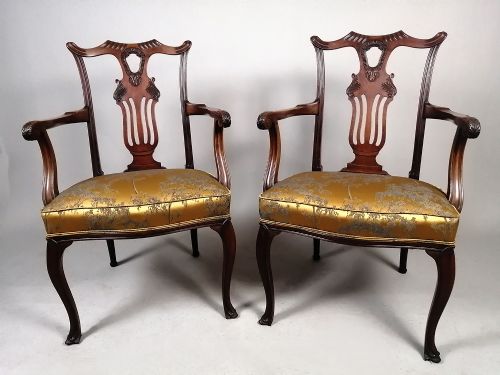
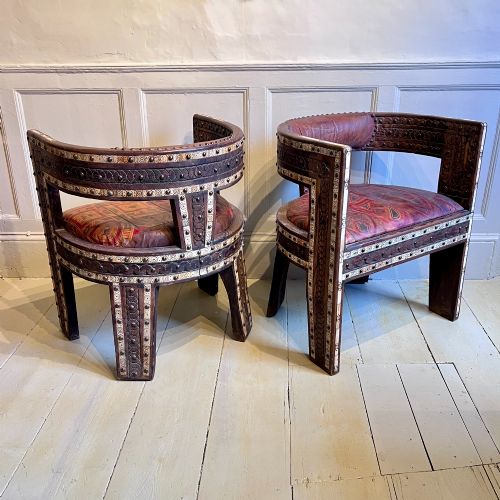
Pair Dark Wood Armchairs
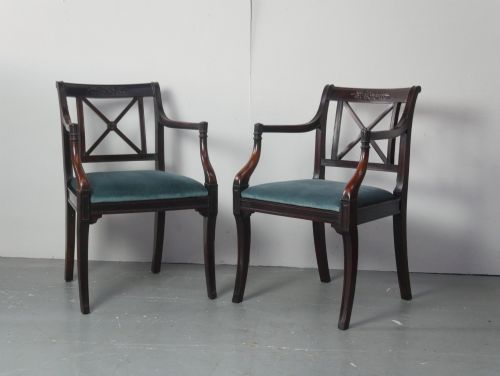
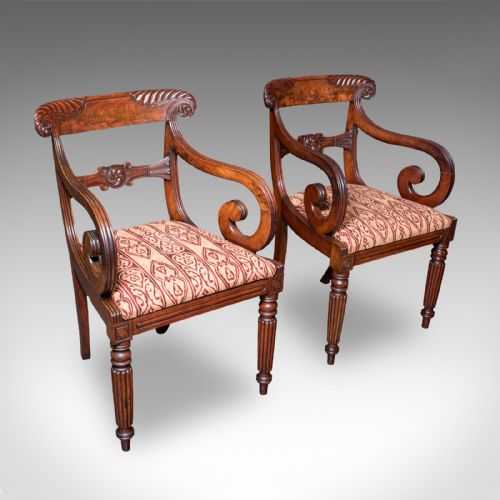
Pair dark wood armchairs offer matched seating in rich timber, bringing symmetry and historical character to a room.
Pair Dark Wood Armchairs
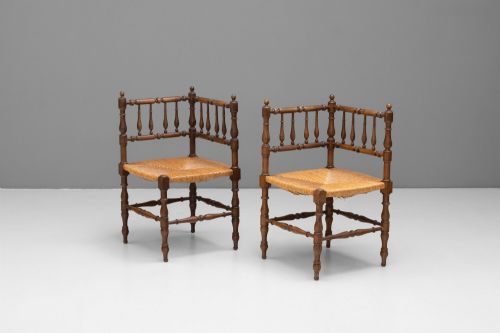
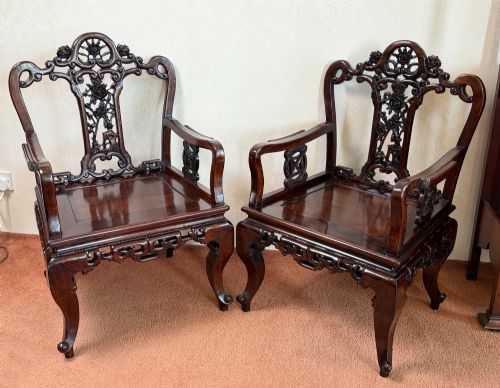
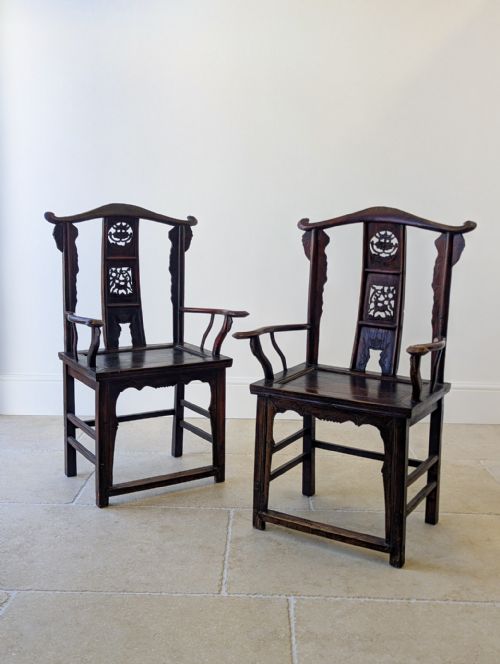
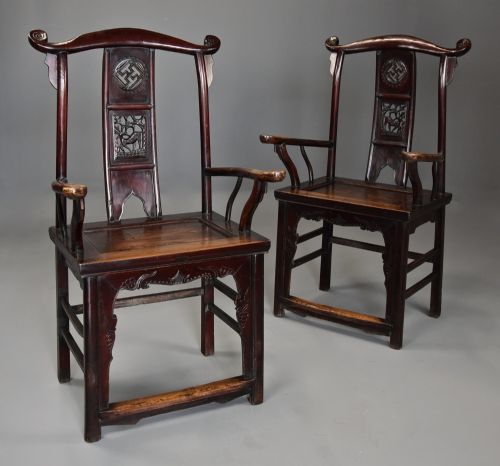
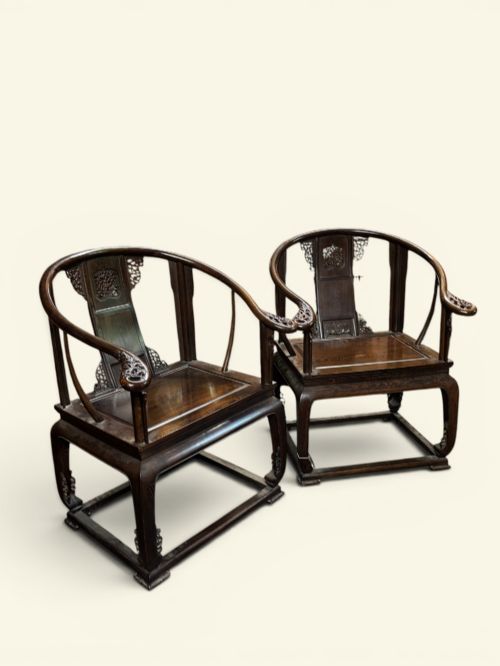
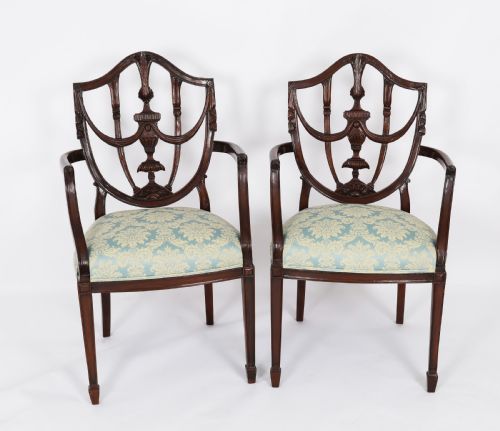
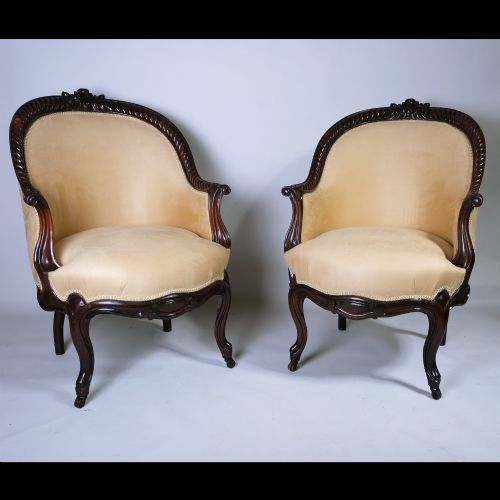
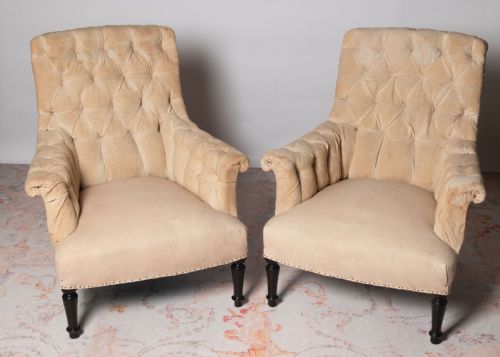
Pair dark wood armchairs span multiple periods, from Regency and Victorian eras through to the early twentieth century, encompassing revival styles like Chippendale, Hepplewhite, and Gothic. Buyers find various forms here, including open armchairs, elbow chairs, corner chairs, and yokeback seating.
Nineteenth-century examples dominate the offerings, joined by pieces from the nineteen-twenties and thirties. These matched sets suit studies, drawing rooms, and halls where dual seating creates balanced arrangements.
How they were made
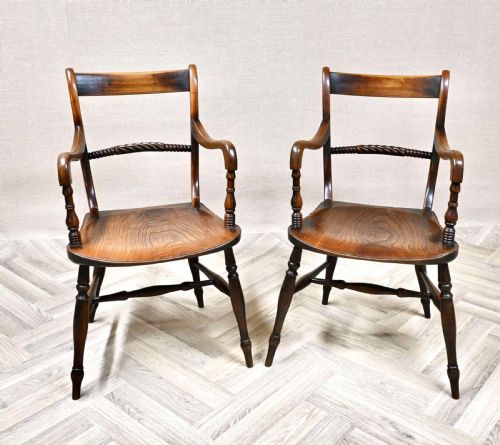
Cabinetmakers utilised dense timbers such as mahogany, oak, and rosewood for structural integrity and fine carving. Woodworkers shaped these hardwoods using traditional joinery, incorporating turned elements like barley twist and bobbin legs.
Chinese elm and hardwood yokeback chairs appear alongside European Chippendale and Hepplewhite revival armchairs.
What varies in quality
The crispness of hand-carving defines the distinction between standard production and superior craftsmanship. Timbers with rich natural grain and deep patina command attention, showing the maturity of the wood.
Structural harmony within the pair ensures that proportions, turning details, and joinery match precisely. The survival of original surface treatments, such as lacquer or polish, elevates the integrity of the piece.
The Pair Dark Wood Armchairs Glossary
- Elbow chair
- An armchair with wooden armrests, often used at a desk or as part of a dining suite. These seats provide supportive side rests without full upholstery.
- Yokeback
- A traditional chair design featuring a curved top rail resembling a yoke. This style appears frequently in Chinese hardwood seating.
- Barley twist
- A decorative turning technique resembling a twisted rope. Woodworkers shape the timber into a helical spiral along chair legs or stretchers.
- Goncalo Alves
- A dense exotic hardwood with distinct dark brown figuring. Makers utilised this timber for decorative nineteenth-century seating.
- Fauteuil
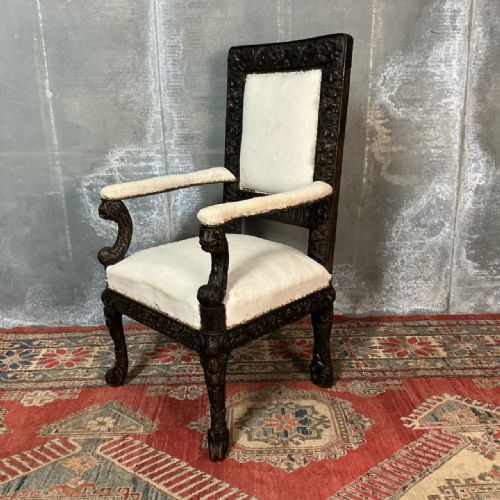
- An open-armed French armchair with an exposed wooden frame. These seats typically feature upholstered arm pads, backs, and seats.
Pair Dark Wood Armchairs: Frequently Asked Questions
How do I style pair dark wood armchairs?
Place them opposite a fireplace or flanking a sofa to create visual balance in a principal room. The matched timber tones work well against neutral walls or paired with traditional rugs.
Ensure adequate space around the chairs so the arms and carved details remain visible. They function effectively in libraries, reception rooms, and spacious hallways.
Are these chairs suitable for daily use?
Most antique hardwood armchairs offer sturdy construction built for regular seating. Solid timber frames and traditional joinery ensure long-term durability in domestic settings.
Upholstered versions may require evaluation of the internal webbing and padding depending on their condition. Solid wood models require minimal maintenance beyond standard timber care.
How do I identify the period of a dark wood armchair?
Examine the timber species, joinery methods, and stylistic revival influences present in the carving. Nineteenth-century pieces often utilise mahogany, oak, or rosewood with distinct period revival details.
Turned elements like bobbin or barley twist legs often point towards specific Victorian or earlier revivals. Comparing the structural proportions helps determine whether a pair originates from the Regency, Victorian, or later periods.