


Pair Column Table Lamps
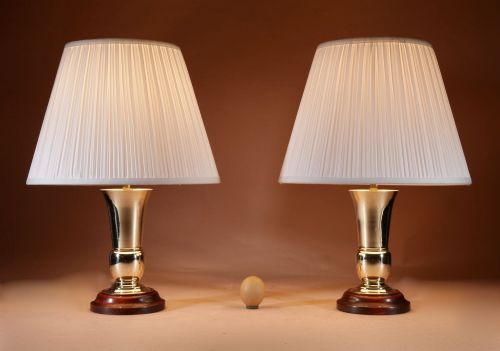
When undertaking a search for pair column table lamps, buyers seek symmetrical lighting fixtures drawn predominantly from the nineteenth and early twentieth centuries.
Pair Column Table Lamps
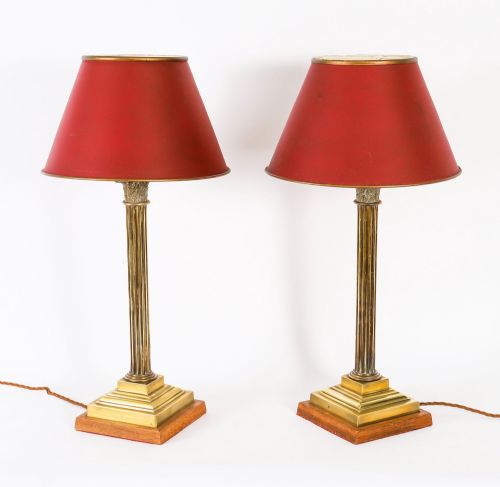
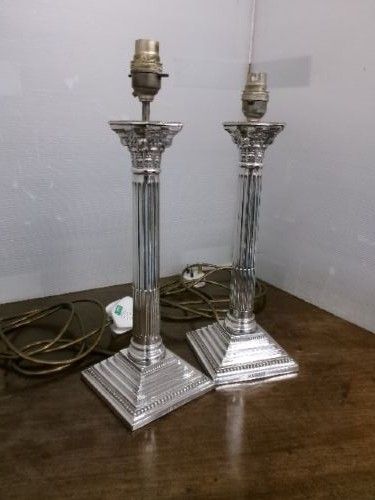
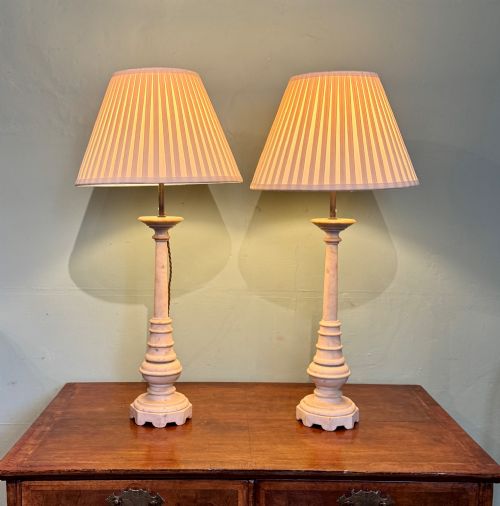
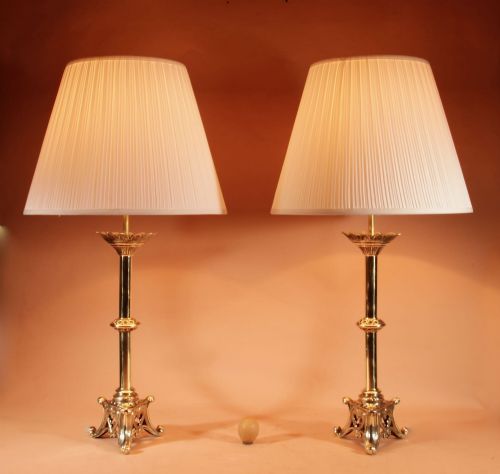
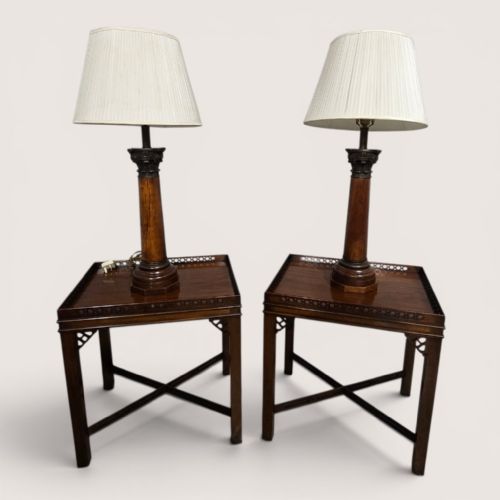
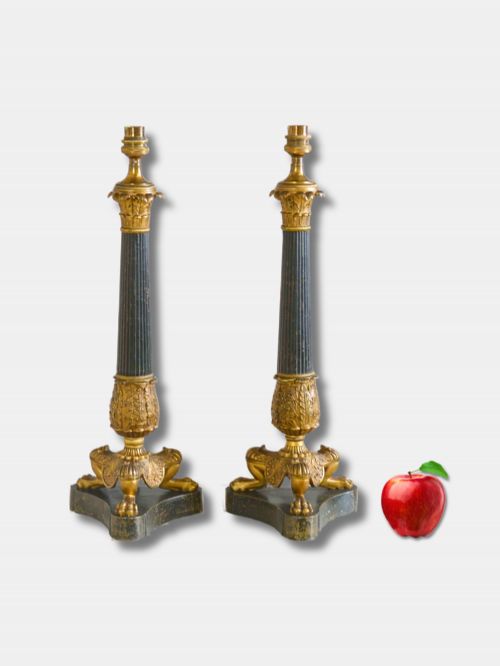
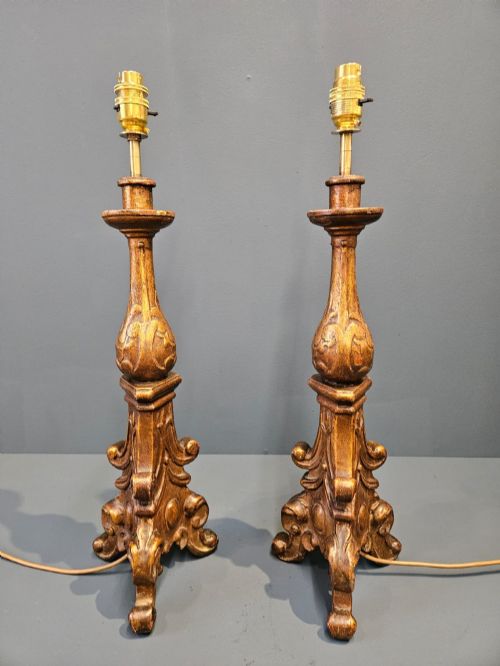
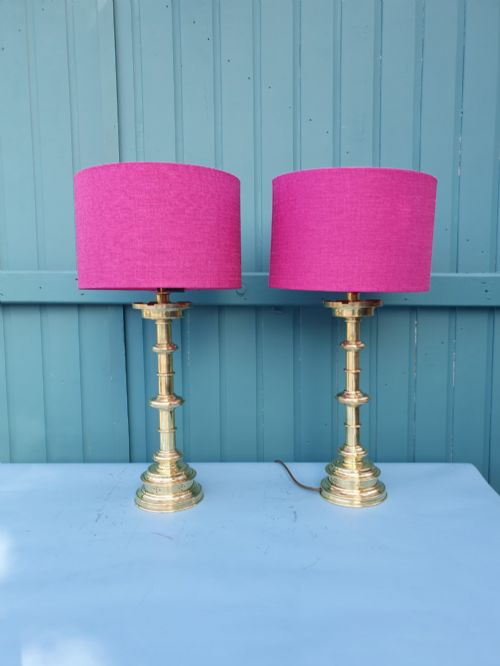
Pair column table lamps represent a convergence of classical architecture and domestic illumination, taking the form of upright shafts set upon weighted bases. The listings demonstrate a heavy reliance on the Corinthian order, alongside reeded, twisted, and plain cylindrical variations.
Most examples originate from the Victorian, Edwardian, and Regency periods, frequently adapted from earlier candlesticks or altar lamps. Buyers encounter brass, silver-plated metal, and marble shafts paired with fabric shades or retaining their original burners.
How They Were Made
Makers utilised cast brass, bronze, and ormolu for metal columns, often combining patinated and polished surfaces to emphasise architectural detail. Silver plating was applied over base metals to achieve a brighter finish.
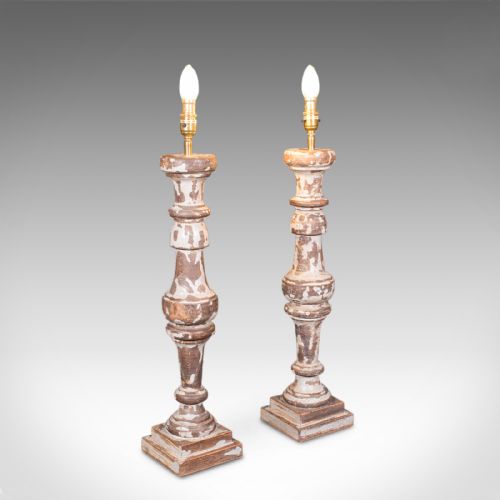
Stone variants incorporate white marble, alabaster, and occasionally turned timbers such as oak, mahogany, or birdseye maple. Structural integrity depended on threaded central rods securing the heavy metal capitals and bases together.
The archive records frequent examples of Edwardian oak columns and silver-plated altar candlesticks adapted into table lamps.
What Varies in Quality
Quality rests in the crispness of the casting, particularly within the acanthus leaves and volutes of Corinthian capitals. Heavier gauge metals and genuine fire-gilt ormolu denote superior manufacture compared to lighter stamped brass.
Proportion and matched symmetry dictate desirability, as many pairs started life as candlesticks before conversion. Original components, precise turning on stone shafts, and substantial weight separate standard examples from finer ones.
Hinks and Sons
The Pair Column Table Lamps Glossary
- Ormolu
- Gilt bronze produced by applying a finely ground high-carat gold-mercury amalgam to a bronze object. This technique creates a rich, matte yellow finish characteristic of French decorative arts.
- Corinthian
- An architectural order featuring an ornate capital decorated with rows of acanthus leaves and small scrolls. It forms the most common decorative motif found on the metal lamp shafts in these collections.
- Patinated
- The surface alteration of metal resulting from age, oxidation, or chemical treatment. Collectors value original patination for displaying natural depth and historical character.
- Reeded
- A decorative surface treatment comprising parallel convex rounds carved or cast into the column shaft. This classical detail adds vertical emphasis to the silhouette of the piece.
- Alabaster
- A fine-grained translucent stone utilised for turning smooth columnar shafts. Its natural veining allows light to diffuse softly when placed near illumination sources.
Pair Column Table Lamps: Frequently Asked Questions
How are candlestick conversions identified?
Converted candlesticks frequently feature central apertures or threaded screw holes originally intended for wick mechanisms or drip pans. Careful examination of the base reveals evidence of wiring channels added during later electrification.
Many nineteenth-century brass and silver-plated examples began domestic service as lighting before the widespread adoption of domestic electricity. Dealers note these adaptations by assessing the integration of modern lamp holders against the antique metalwork.
Were these always electric?
Electric lighting arrived in domestic interiors towards the end of the nineteenth century, meaning earlier pieces operated as oil lamps or held wax candles. Many surviving pairs underwent conversion during the twentieth century to accommodate standard bulbs.
Original oil lamp components, such as burners signed by makers like Hinks, are sometimes preserved above the column. Rewiring ensures safe usage while maintaining the structural integrity of the antique base.
How do French and English styles differ?
French columns often incorporate gilt bronze, ormolu, and white marble with strong Neoclassical or Empire influences. These pieces display highly ornate mounts and distinct patinated bronze contrasts.
English variants lean heavily toward solid brass Corinthian forms and polished oak or mahogany. The aesthetic prioritises architectural proportion and restrained classical revival motifs over lavish gilding.
How should mismatched pairs be matched?
Matching near pairs involves balancing proportions, height, and metal finishes through careful placement within a room. Identical shades help unify slight variations in the underlying column design.
Placement on matching side tables or mantelpieces creates visual symmetry even if minor casting discrepancies exist between the two lamp bases.