


Pair Classical Figure Sculptures
When you search for pair classical figure sculptures, you uncover dual representations cast in bronze or carved in stone that echo ancient mythology.
Pair Classical Figure Sculptures
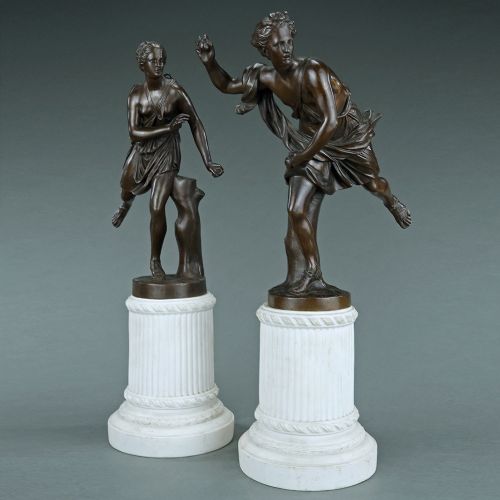
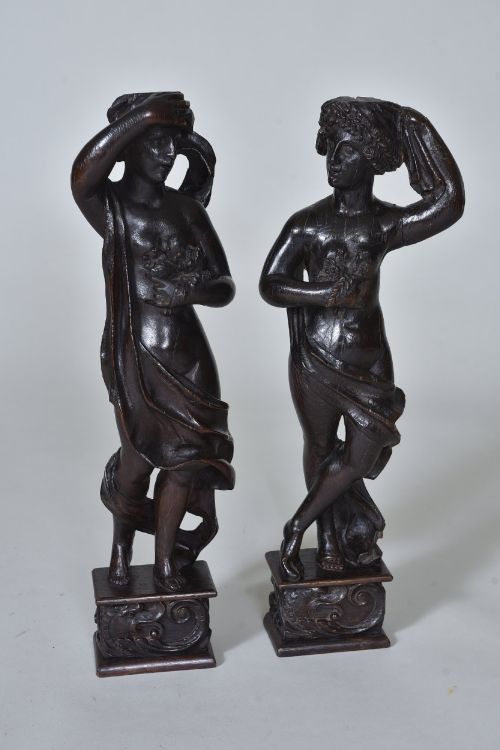
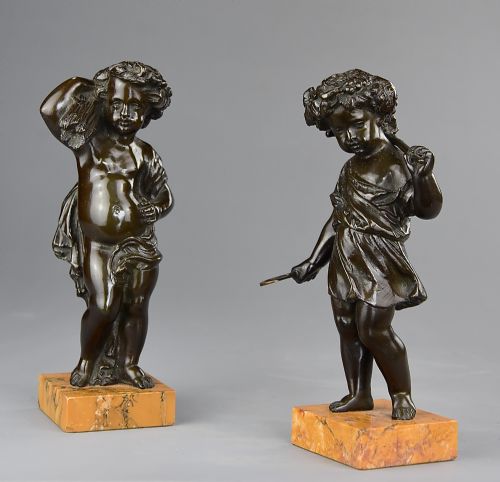
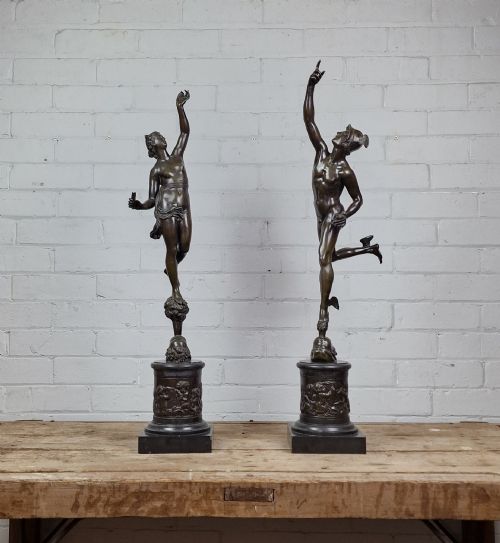
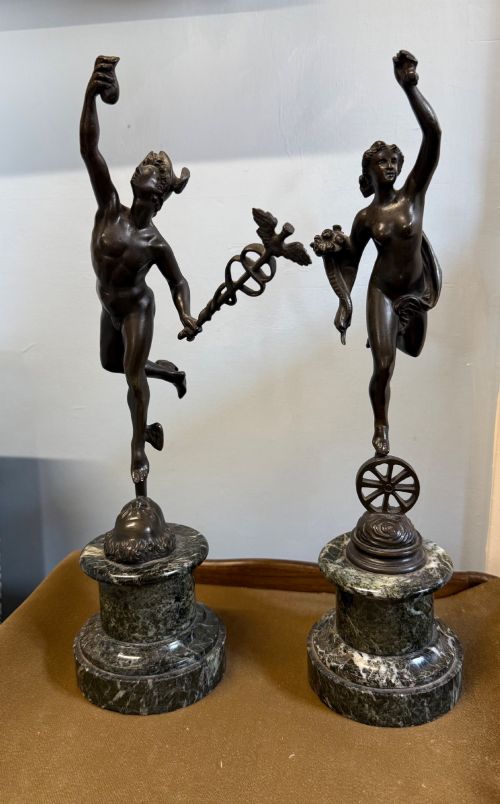
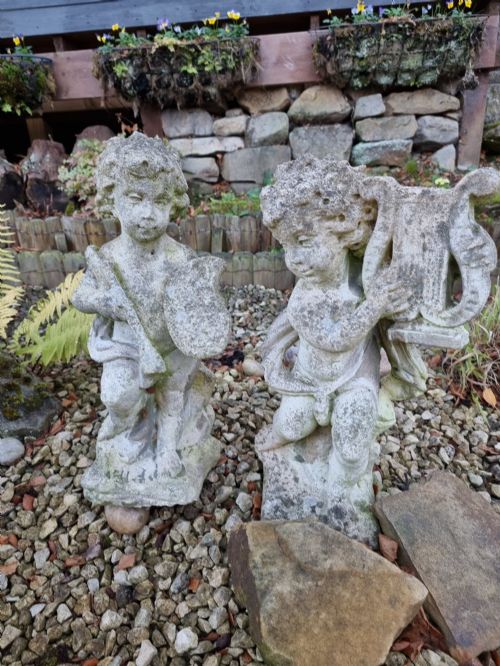
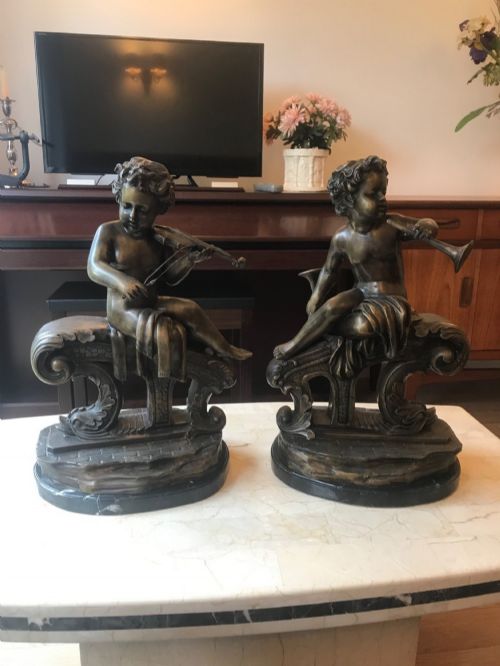
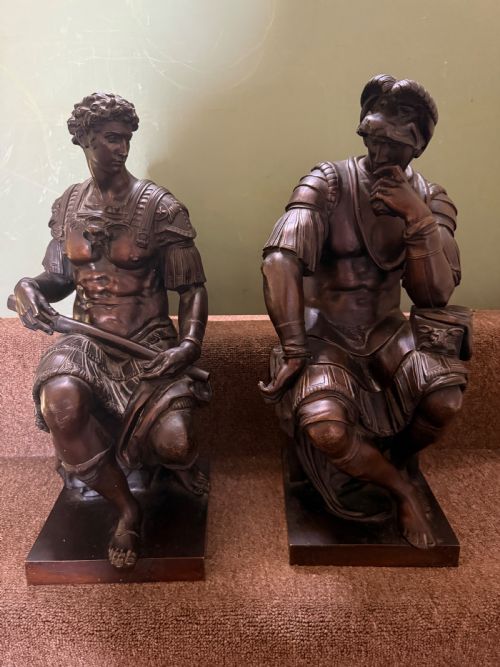
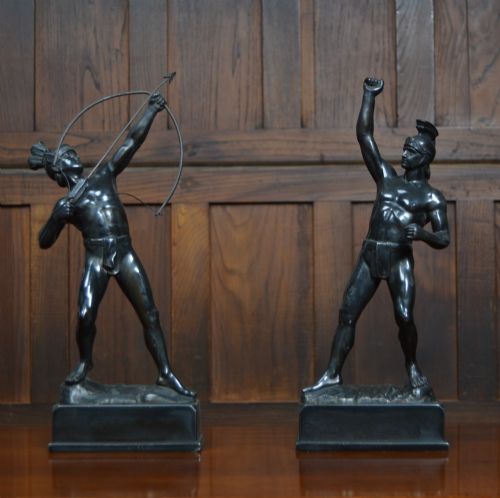
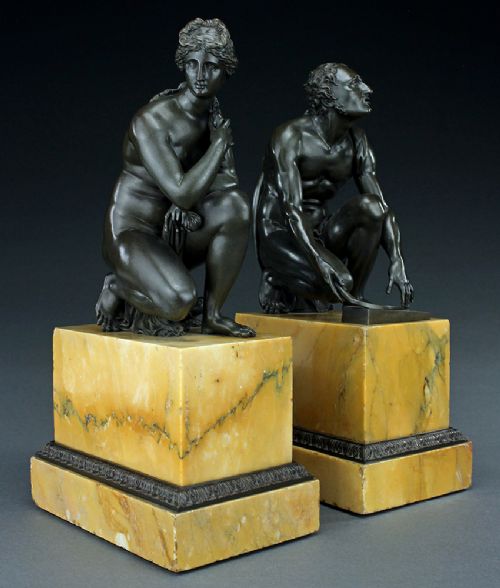
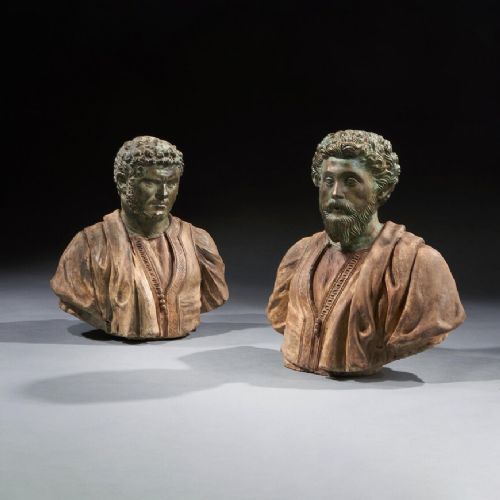
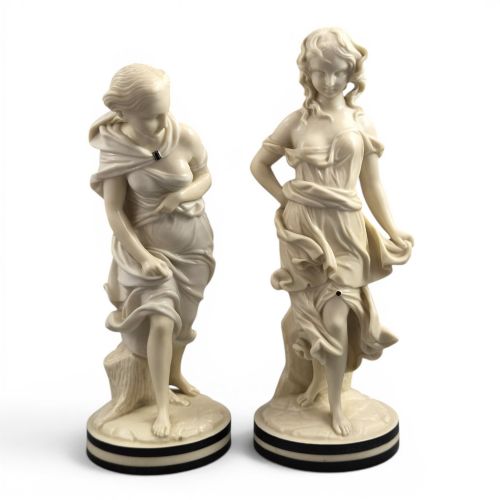
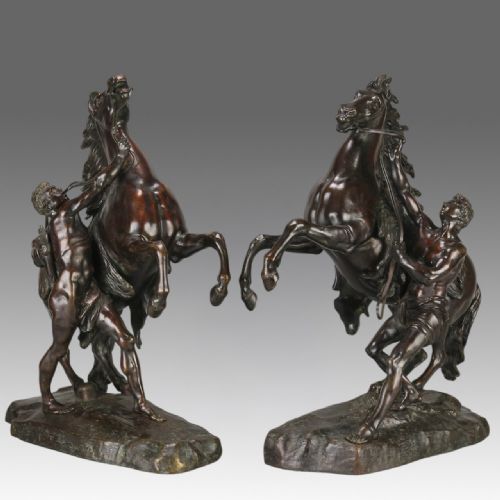
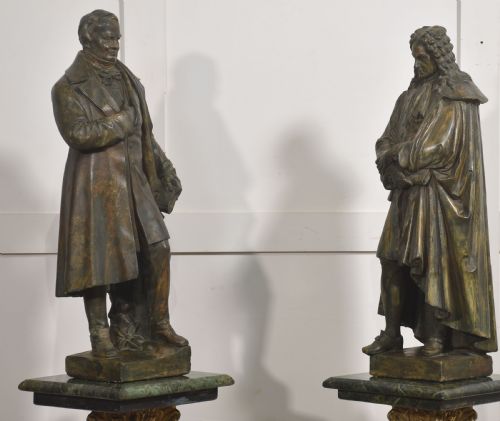
Pair classical figure sculptures comprise matched pairings of human or mythological subjects derived from antiquity, often originating in nineteenth-century French or Italian foundries. The examples met most frequently on this page take the form of bronze or spelter figures mounted upon marble plinths, depicting putti, classical deities, or historical rulers.
Makers drew heavily upon Renaissance models and Grand Tour souvenirs, producing balanced compositions designed for domestic display or garden decoration. These symmetrical duos reflect a nineteenth-century fascination with classical archaeology and the sculptural traditions of antiquity.
How they were made
Foundries typically utilised the lost-wax casting technique for bronze works, allowing for intricate detail in hair, drapery, and facial expression. Alternatively, manufacturers employed spelter or chalk compositions for more accessible decorative objects.
Stonework and marble carving required precise hand-chizzling to achieve the smooth contours seen on classical torsos and lion guardians, while porcelain pieces underwent high-temperature firing and hand-painting.
Several bronze cherubs hold musical instruments, while others are caught gathering grapes or frolicking with cats and dogs.
What varies in quality
Quality rests primarily on the crispness of the initial cast and the subsequent chasing of the metal surface by hand. Superior examples display sharp definition in musculature and garments, whereas lesser pieces exhibit softened details and visible seam lines from simplified moulds.
The choice of base material also dictates standard, with heavy Siena or white marble plinths supporting finer bronzes, while simpler casts rely on plain metal or wood.
Barbedienne·James Hadley·Charles Cumberworth
The Pair Classical Figure Sculptures Glossary
- Grand Tour
- A cultural journey undertaken by wealthy young Europeans to view continental antiquities, resulting in the production of souvenir bronzes and sculptures.
- Spelter
- A zinc-based alloy used as an economical alternative to bronze for sculptural castings, often given a patinated finish to resemble true bronze.
- Patina
- The surface coloration and sheen developed naturally through age or applied artificially by chemical treatment to enhance the appearance of metal.
- Putto
- A figure of a small chubby male child, frequently winged, appearing often in Renaissance and neoclassical art.
- Torchere
- A tall stand or ornamental candlestick, sometimes taking the figurative form of a bronze statue holding a light source.
Pair Classical Figure Sculptures: Frequently Asked Questions
What subjects do these sculptures usually depict?
These works frequently represent figures from Greek and Roman mythology, such as Athena and Zeus, alongside putti, allegorical harvest figures, and historical portraits of Caesars.
Creators also looked to Renaissance masterpieces, producing reductions of famous statues by Michelangelo and Giambologna for domestic interiors.
Where were these sculptural pairs displayed?
In the nineteenth century, matched figures stood upon mantelpieces, library tables, and dedicated pedestals within formal reception rooms.
Larger stone and bronze examples were placed in gardens, on terrace plinths, or flanking entryways as architectural guardians.
How can I tell bronze from spelter?
Bronze possesses a heavier weight and a cooler touch, while spelter is softer and may show a greyish metal beneath worn areas of its patinated finish.
Bronze also permits sharper detail work during the chasing process after casting.
What is a Grand Tour souvenir sculpture?
These are smaller-scale bronze or marble reproductions of famous classical monuments and sculptures purchased by travellers touring Italy and France.
Foundries in Rome, Florence, and Paris specialised in creating these portable homages to antiquity.