
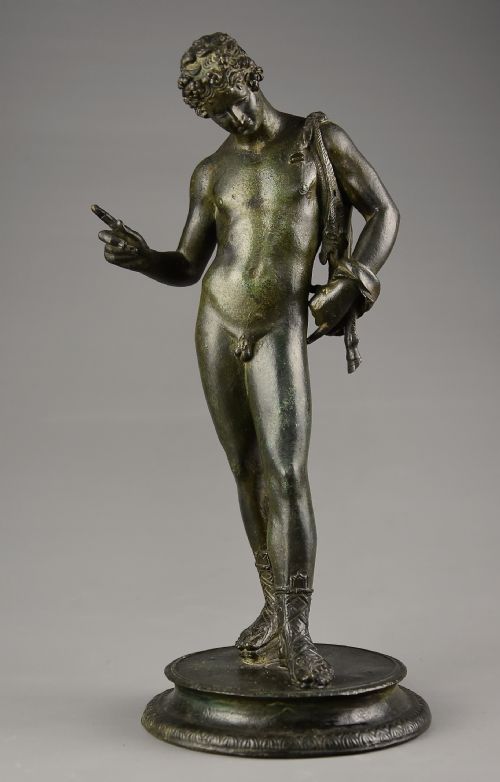


Classical Mythological Bronze Sculpture
Classical mythological bronze sculpture brings gods, nymphs and ancient legends into domestic spaces through cast metal.
Classical Mythological Bronze Sculpture
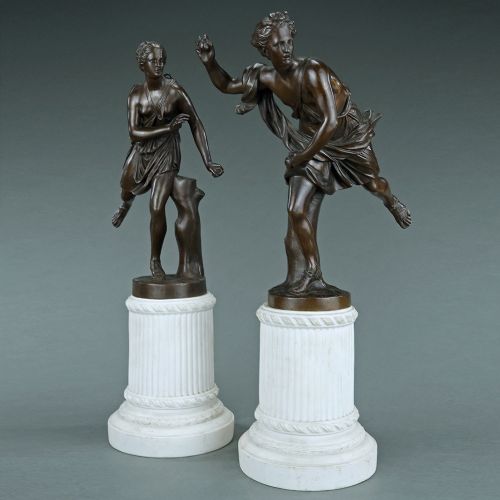
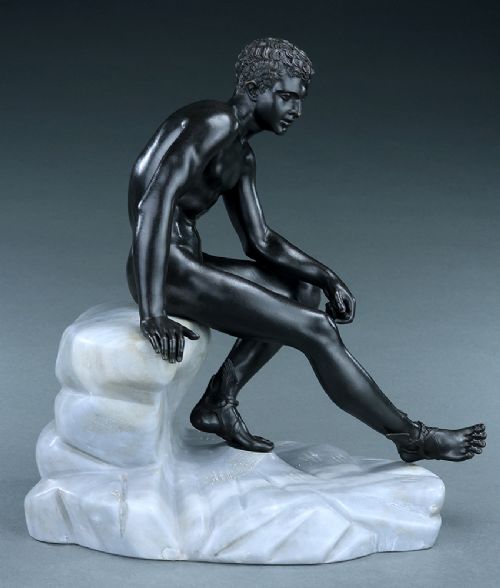
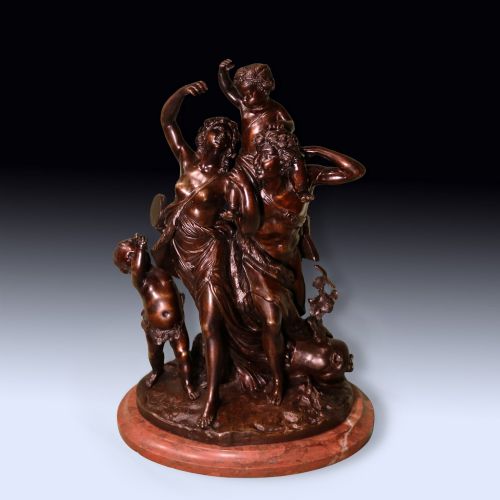
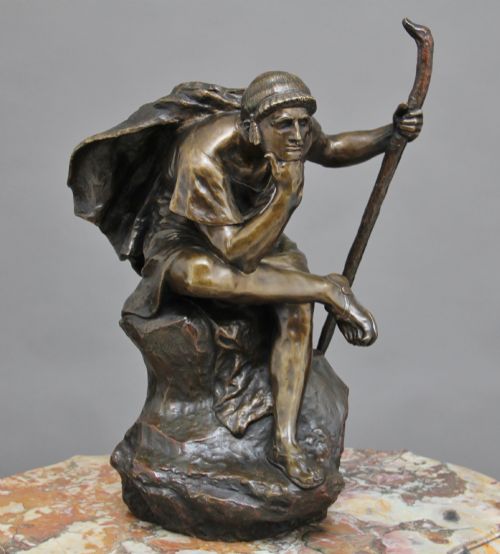
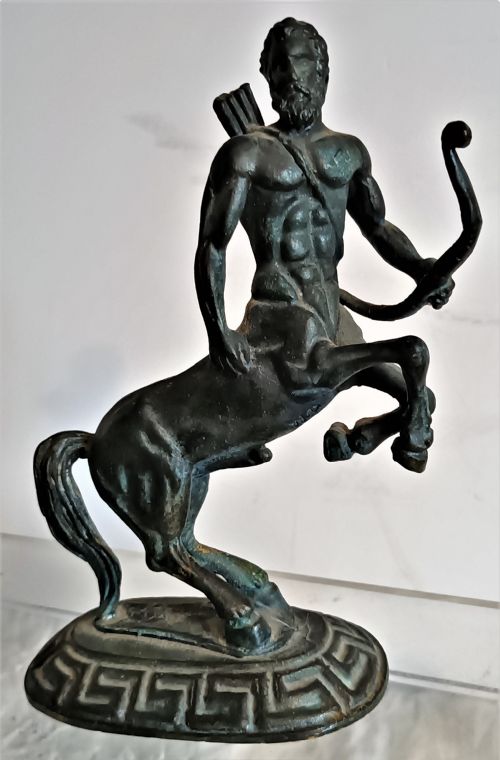
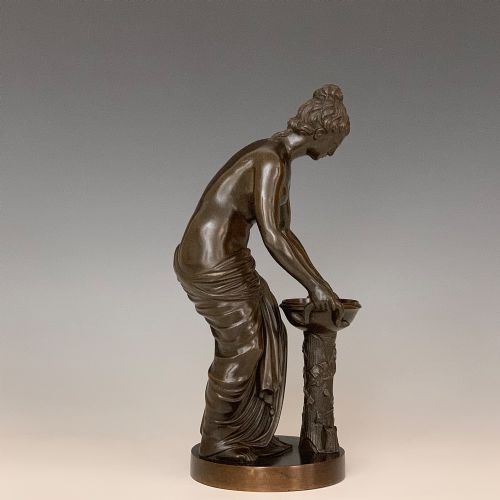
When searching for classical mythological bronze sculpture, collectors encounter figures of deities, satyrs and heroes drawn from ancient literature. The pieces on this page are predominantly nineteenth century productions, encompassing Grand Tour souvenirs from Italy and French foundry casts after classical or Renaissance models.
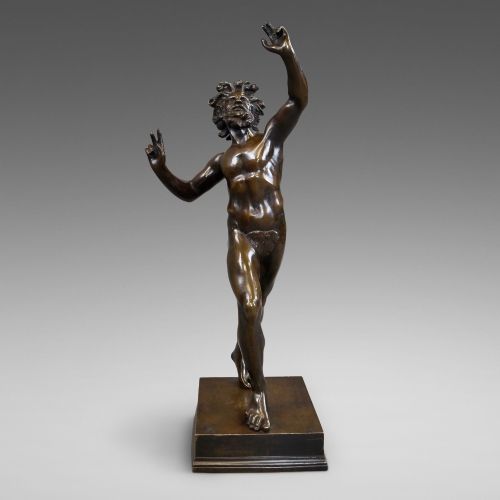
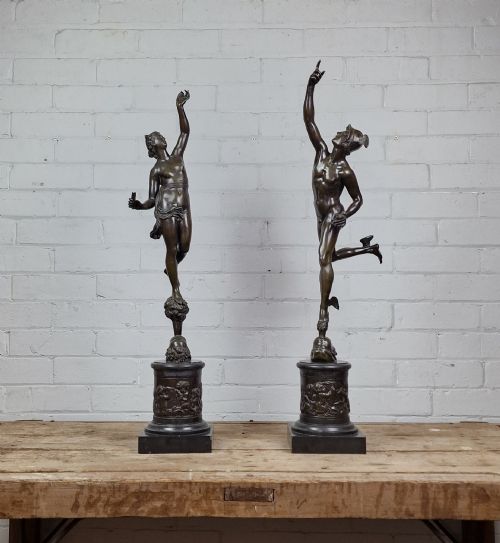
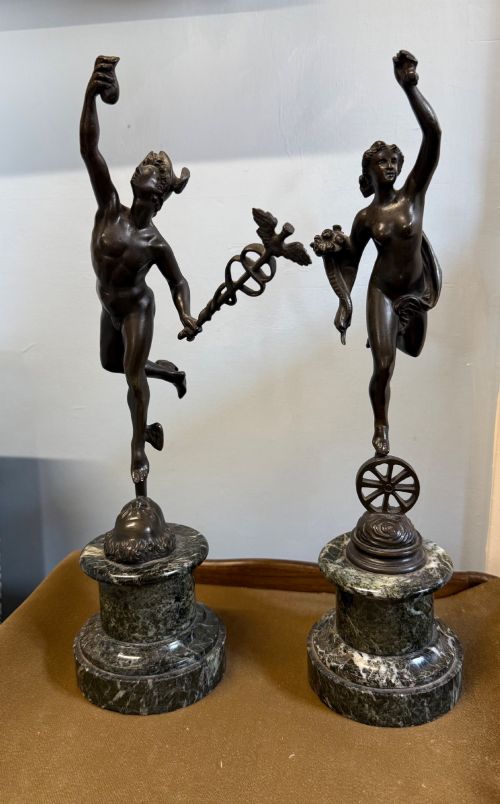
Most entries take the form of freestanding figures or groups mounted on marble or stone bases, depicting subjects such as Mercury, Narcissus and the Dancing Faun. Table lamps, wall reliefs and smaller statuettes also appear, translating monumental antiquities into domestic scale.
Materials and Casting Methods
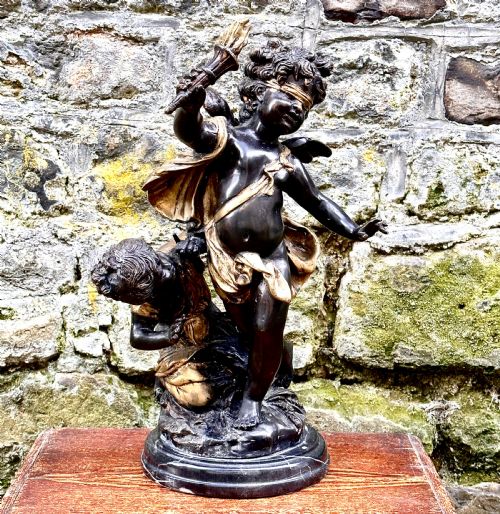
The works rely upon bronze, an alloy of copper and tin, cast using traditional techniques and finished with applied patination to simulate aged metal or excavated antiquities. Dark brown, green and black patinas predominate, sometimes paired with gilt bronze highlights or patinised copper.
Integrity of detail depends upon the quality of the original mould and subsequent chasers working the surface after casting. Many examples incorporate integral bases or rest upon tailored circular and rectangular marble plinths, occasionally combined with wood, brass or fabric elements.
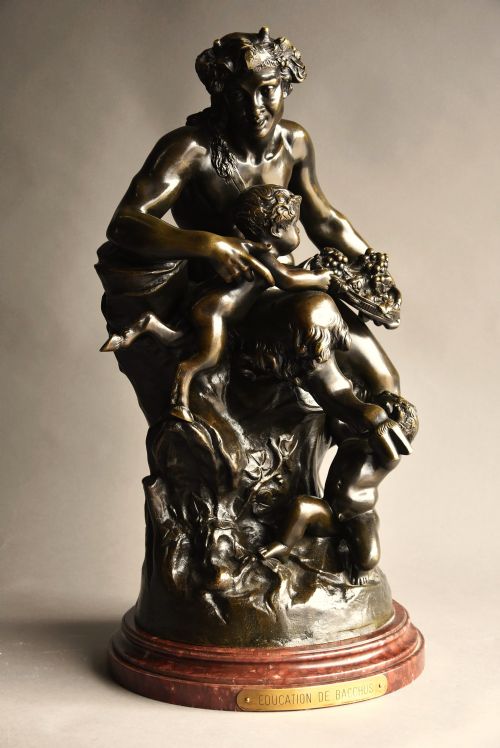
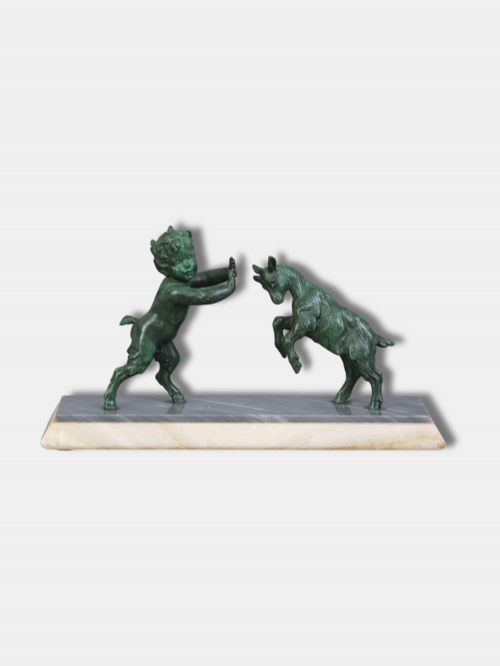
Several satyrs and fauns cavort across these listings, occasionally joined by goats, panpipes and infant gods.
Assessing Quality and Execution
The depth and subtlety of the surface patina further differentiate standard commercial foundry output from pieces signed by notable makers or produced by premier Parisian and Italian workshops. The weight of the metal and the quality of the supporting marble base contribute to the overall presence of the object.
Barbedienne·Emile Carlier·Auguste Moreau·Albert Hussmann·Pierre Le Faguays
The Classical Mythological Bronze Sculpture Glossary
- Grand Tour
- A cultural journey undertaken by wealthy young Europeans in the eighteenth and nineteenth centuries, acquiring small bronze souvenirs of classical antiquities.
- Patination
- The chemical or thermal treatment applied to the bronze surface to create colour, tone and aged texture. Dark green and warm brown patinas are typical of nineteenth century casts.
- Lost-wax casting
- A traditional method where a wax model is melted out and replaced with molten bronze, allowing intricate and undercut forms.
- Chasing
- The post-casting process of refining the metal surface with chisels and punches to sharpen details and remove casting seams.
Classical Mythological Bronze Sculpture: Frequently Asked Questions
What are Grand Tour bronzes?
Grand Tour bronzes are miniature or reduced-scale copies of famous classical statues, cast in Italy during the eighteenth and nineteenth centuries.
Travellers collected these pieces as portable mementos of museum visits and archaeological sites across Rome, Naples and Florence.
How do I identify classical subjects?
Figures usually carry specific attributes, such as Mercury with his winged cap and caduceus, or Pan with his panpipes and goat legs.
Mythological scenes often reference specific literary narratives or famous surviving ancient sculptures housed in European collections.
Why are marble bases used?
Marble bases provide structural stability for heavy bronze figures while adding a neoclassical aesthetic appropriate to the subject matter.
Different marbles, including grey and veined varieties, were selected by period founders to complement the tone of the bronze patination.
Are these pieces original antiquities?
The majority of these works date from the nineteenth century, created as reinterpretations or direct casts after antique and Renaissance models.
Foundries in France and Italy produced these sculptures to satisfy Victorian demand for classical art and academic refinement.